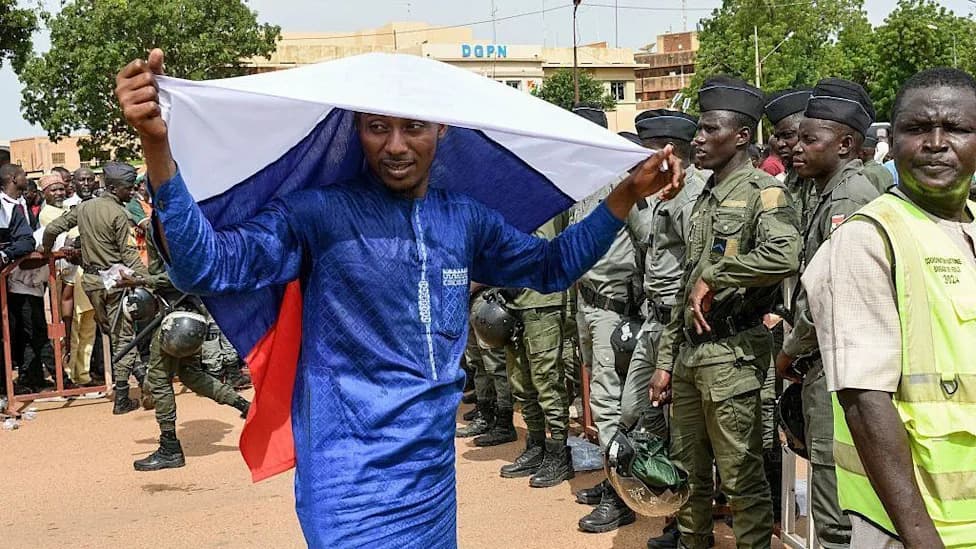
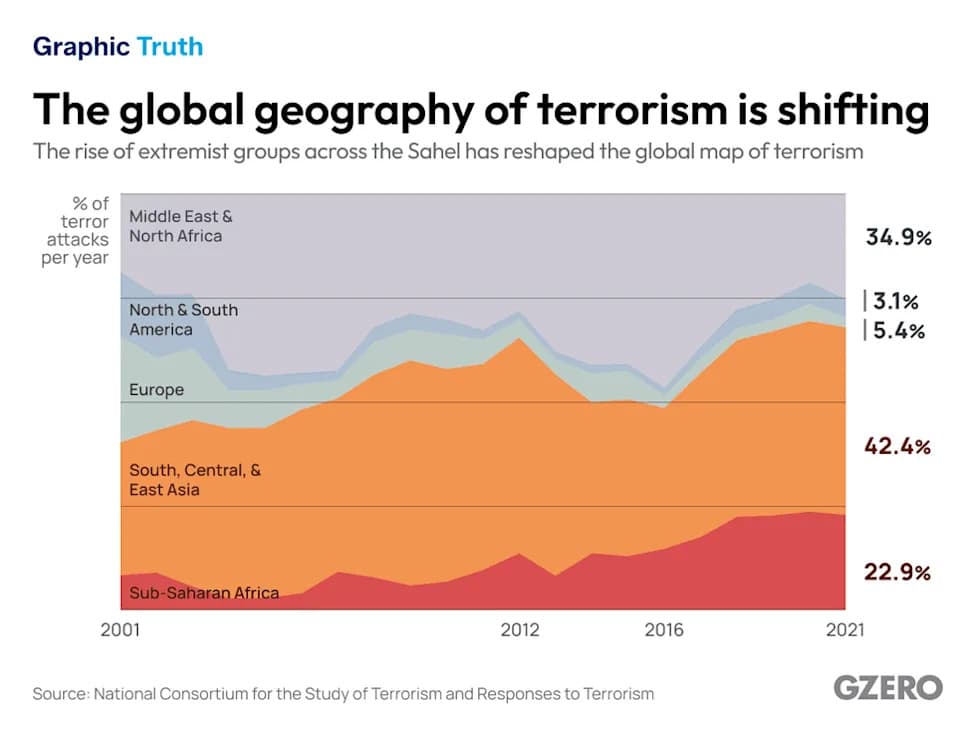
The foreign ministers of Mali and Niger accused neighbouring states and external actors of harbouring or sponsoring terrorist groups at a security forum in Senegal, highlighting divisions across the Sahel. Mali, Niger and Burkina Faso withdrew from ECOWAS after coups and formed the Alliance of Sahel States. Mali alleged involvement by "Ukrainian mercenaries," a claim Kyiv denies; Niger singled out France when discussing states allegedly enabling terrorism. ECOWAS urged reengagement, while Mali said its withdrawal is final but left room for practical dialogue on movement and the common market.
Mali and Niger Accuse Neighbours Of Sponsoring Terrorism — Offer Limited Dialogue With ECOWAS
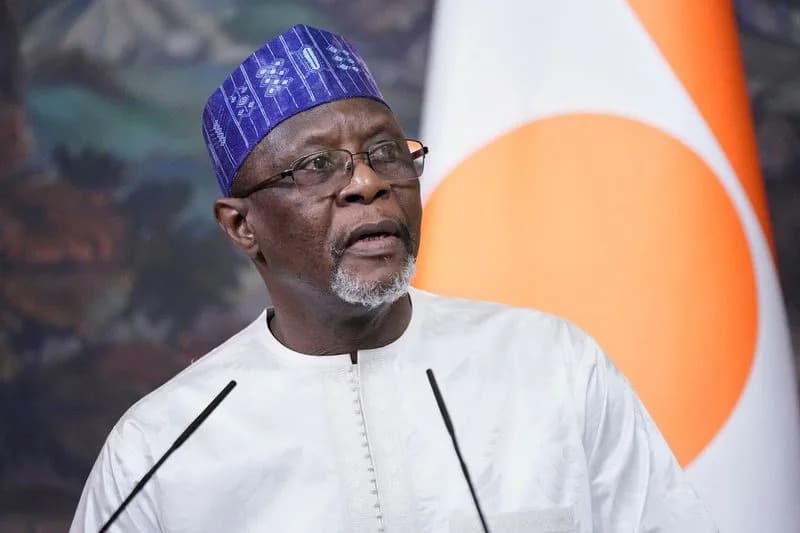
FILE PHOTO: Niger Foreign Minister Bakary Yaou Sangare attends a joint news conference following a meeting of Russian foreign Minister Sergey Lavrov with foreign Ministers of the Confederation of Sahel States in Moscow, Russia, Thursday, April 3, 2025. Pavel Bednyakov/Pool via REUTERS/File Photo
DIAMNIADIO, Senegal, April 21 — The foreign ministers of Mali and Niger publicly accused neighbouring states and outside powers of harbouring or sponsoring terrorist groups while speaking at a security forum in Senegal, even as they signalled limited willingness to engage with the West African regional bloc ECOWAS on practical matters.
The statements underscore widening political rifts in the Sahel that complicate regional efforts to contain jihadist violence across the semi‑arid belt stretching across West Africa.
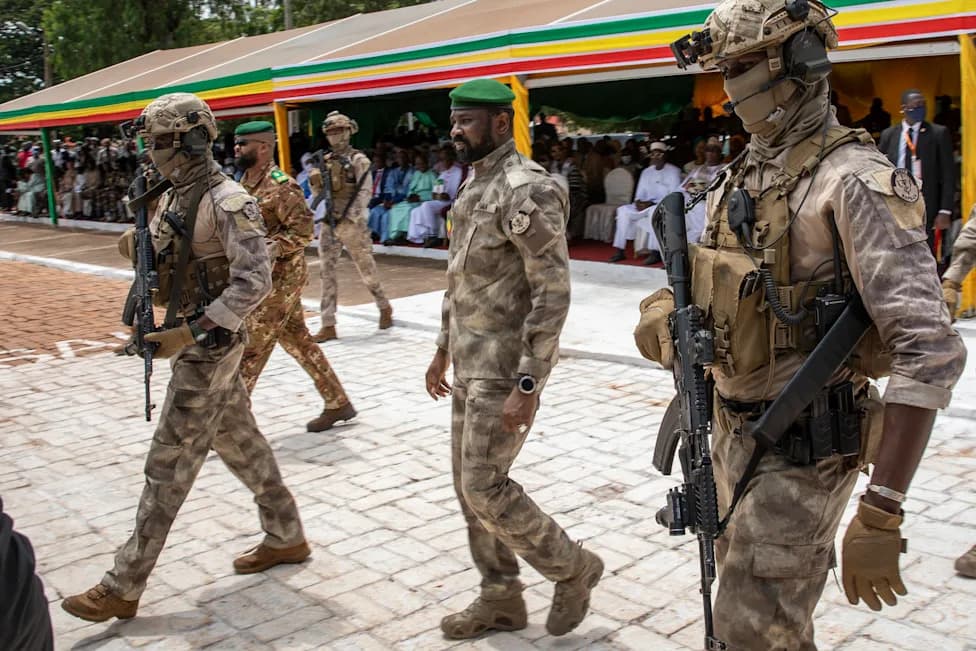
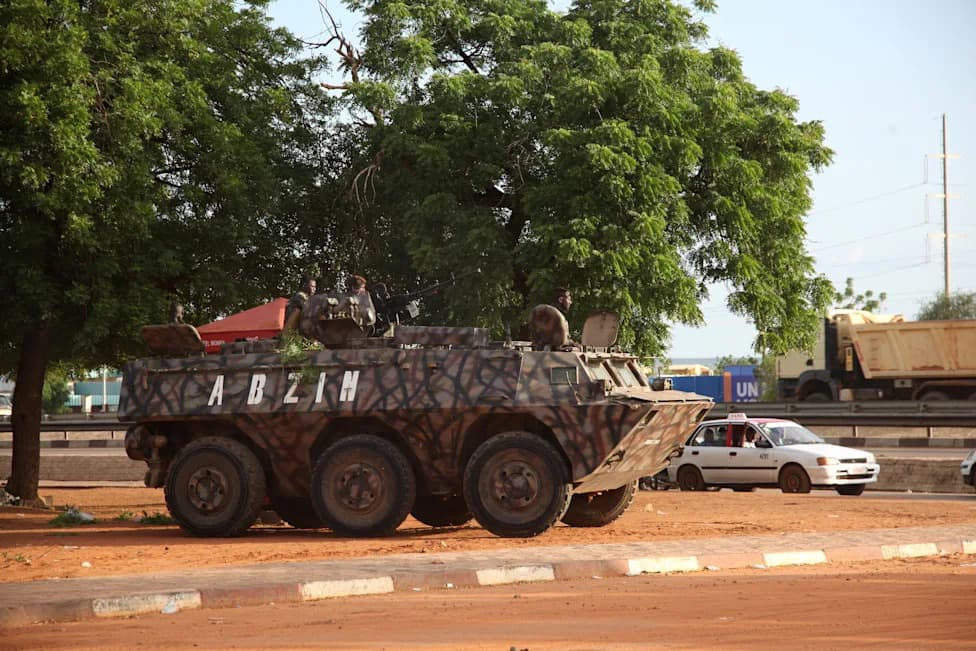
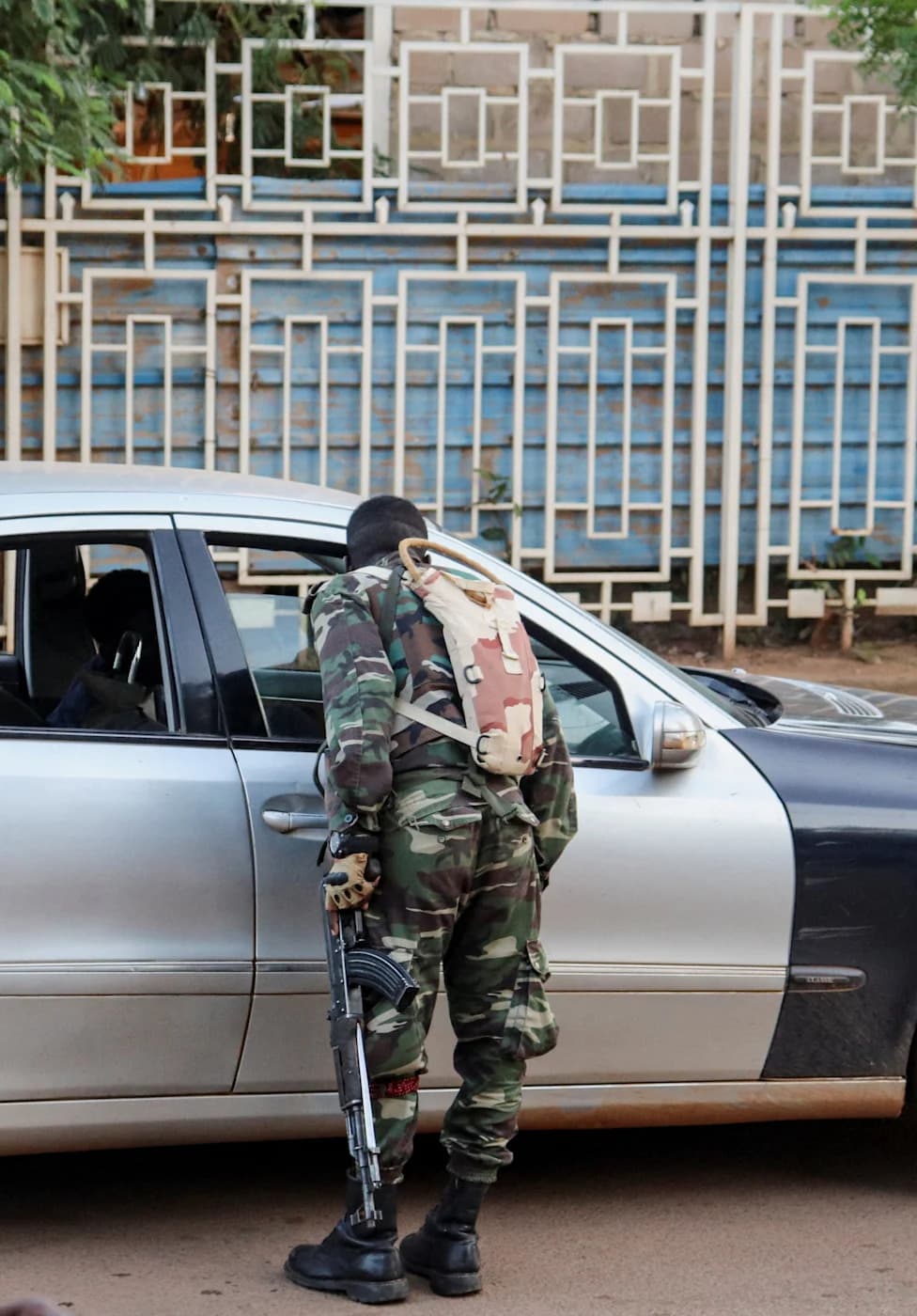
Mali, Niger and Burkina Faso have battled jihadist insurgencies for more than a decade. All three countries are now governed by military regimes that seized power in coups and subsequently withdrew from ECOWAS to form the Alliance of Sahel States (AES).
"There are neighbouring countries that are currently harbouring terrorist groups, supporting terrorist groups, or frequently receiving hostile forces that carry out operations against us,"
— Malian Foreign Minister Abdoulaye Diop
Diop declined to name specific neighbours but said foreign powers beyond the region were also involved. He alleged that Ukrainian mercenaries had carried out attacks in Mali and claimed responsibility — an apparent reference to comments by a Ukrainian military intelligence spokesperson about combat activity in northern Mali in 2024. Kyiv has denied involvement and rejected claims it supplied drones to rebel elements in northern Mali.
Tensions between Mali and Mauritania have recently increased after Mali said two of its soldiers were being held by armed groups across the border, a claim Mauritania called offensive and denied.
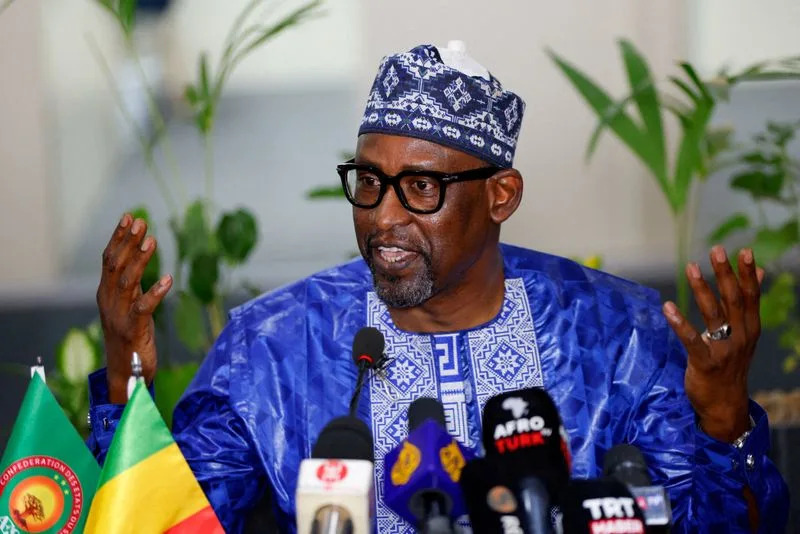
FILE PHOTO: Mali's Foreign Minister Abdoulaye Diop addresses the press during the BAMEX'25 Defense Expo, in Bamako, Mali, November 12, 2025. REUTERS/Francis Kokoroko//File Photo
Niger's Foreign Minister Bakary Yaou Sangare told the forum that some states that profess counterterrorism cooperation were also "fuelling, financing and sustaining" terrorism inside Niger. He told Reuters he was referring to France. The French foreign ministry did not immediately respond to requests for comment.
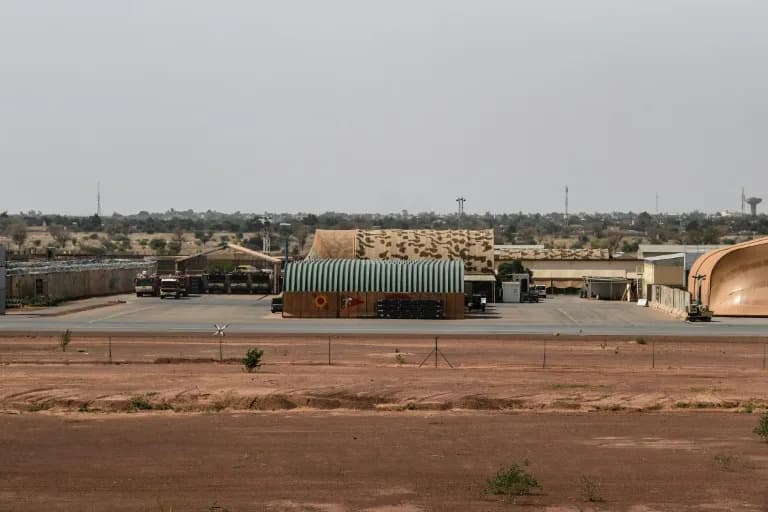
In January, Niger's de facto leader Abdourahamane Tiani accused the presidents of France, Benin and Ivory Coast of sponsoring an attack on the country's international airport, an allegation made without presenting evidence.
ECOWAS Response And Limited Cooperation
Sierra Leonean President Julius Maada Bio, the current ECOWAS chair, appealed to AES members to rejoin the bloc or at least collaborate more closely. Diop reiterated that "Mali, Burkina Faso, and Niger, politically speaking, have withdrawn from ECOWAS," calling the withdrawal final.
Nevertheless, Diop said the Alliance of Sahel States could maintain a constructive dialogue with ECOWAS on practical issues such as freedom of movement and preserving a common market — areas where cooperation could benefit civilians and regional trade despite political fracture.
(Reporting by Portia Crowe; Editing by William Maclean)
Help us improve.