France dismissed Niger's claim that Paris helped instigate an August 29 mutiny in Niamey as "pure fantasy," with Foreign Minister Jean-Noël Barrot denying any involvement. Niger's spokesperson accused a network allegedly led by France of plotting the attack, while state television named several African states and ECOWAS as possible backers—claims those states have denied. The mutiny began at Base 101 and spread to the presidential palace; Niger's army, backed by Russian-linked paramilitaries, retook the base. Analysts say frontline troops' frustration and ongoing jihadist attacks are likelier drivers of the unrest than external orchestration.
France Rejects Niger’s Claim It Instigated Niamey Mutiny, Calls Accusation “Pure Fantasy”
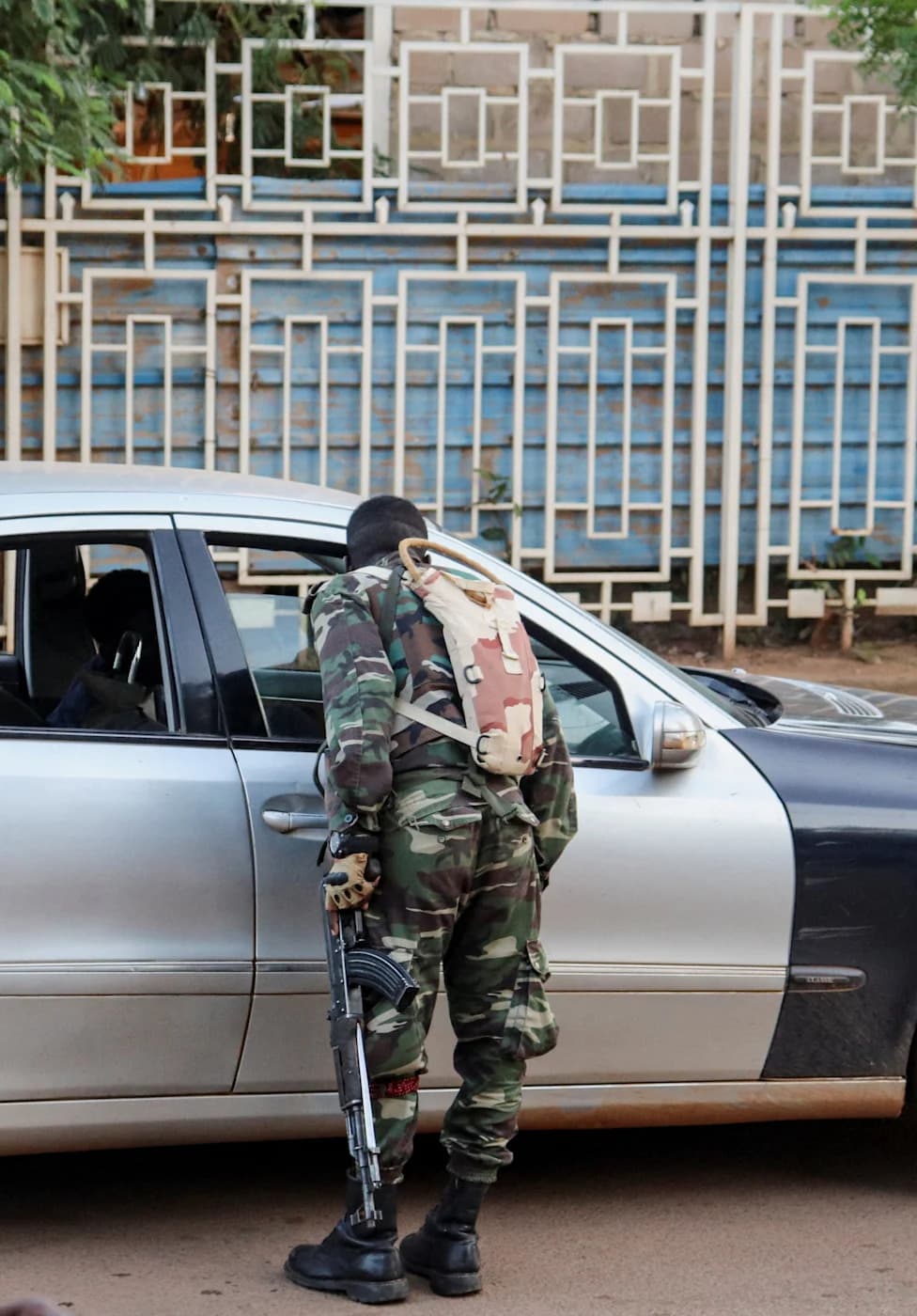
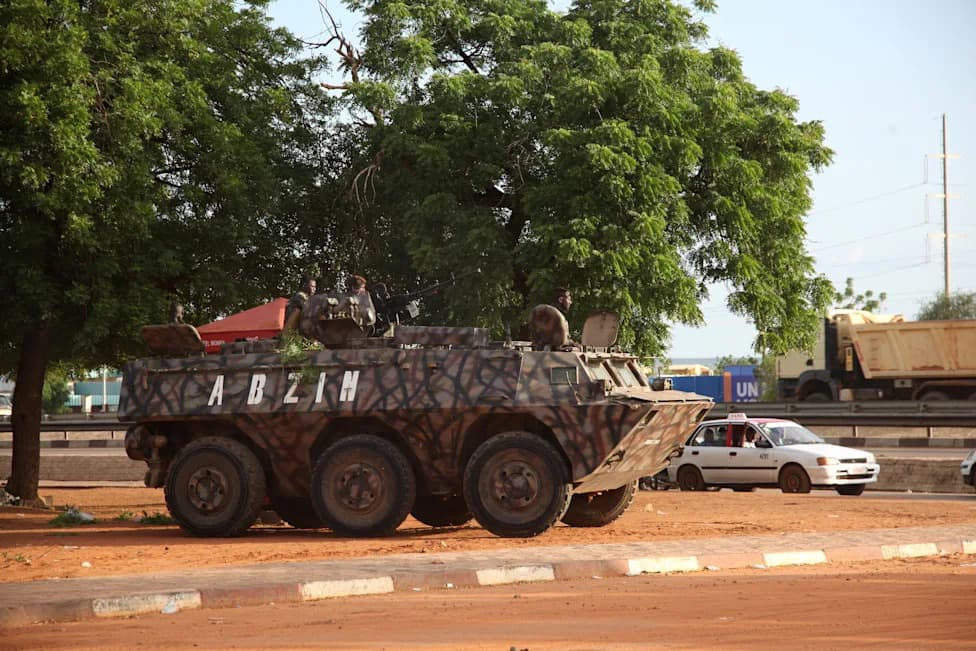
A soldier checks a vehicle at a roadside checkpoint following a mutineers' attack on the airport and the presidency in Niamey [File: Reuters]
France has firmly rejected Niger's allegation that Paris helped instigate a violent mutiny in Niamey on August 29, calling the claim "pure fantasy." French Foreign Minister Jean-Noël Barrot denied any French involvement and said on RFI radio that France had neither the intent nor the means to mobilise for such an operation.
Background and official accusations
On Friday, Soumana Boubacar, the government spokesperson for Niger's ruling military council, said on state television that "this operation, with its international ramifications, was instigated and sustained by a vast network of collusion headed by the French regime of Mr [Emmanuel] Macron." He accused "traitorous and renegade elements" of being promised rewards to carry out what he described as attempts to advance French interests in Niger.
French response
"There never was any intention, nor means that France would have mobilised,"
Barrot said on Saturday, dismissing the accusations as unfounded.
What happened during the mutiny
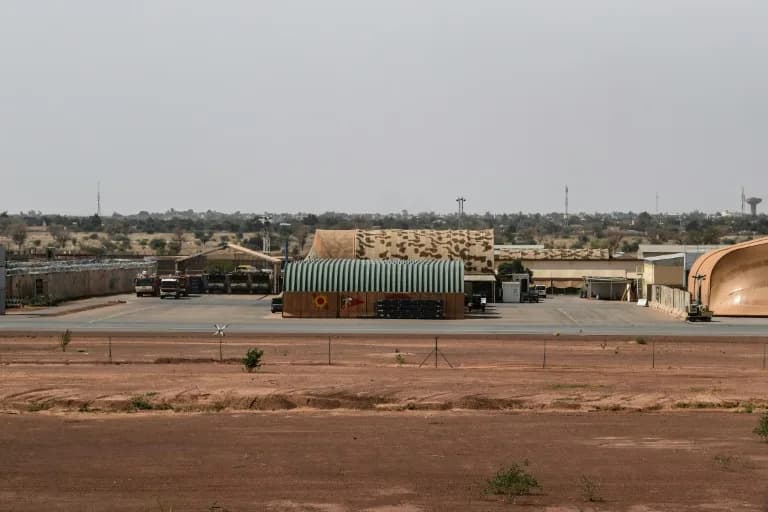
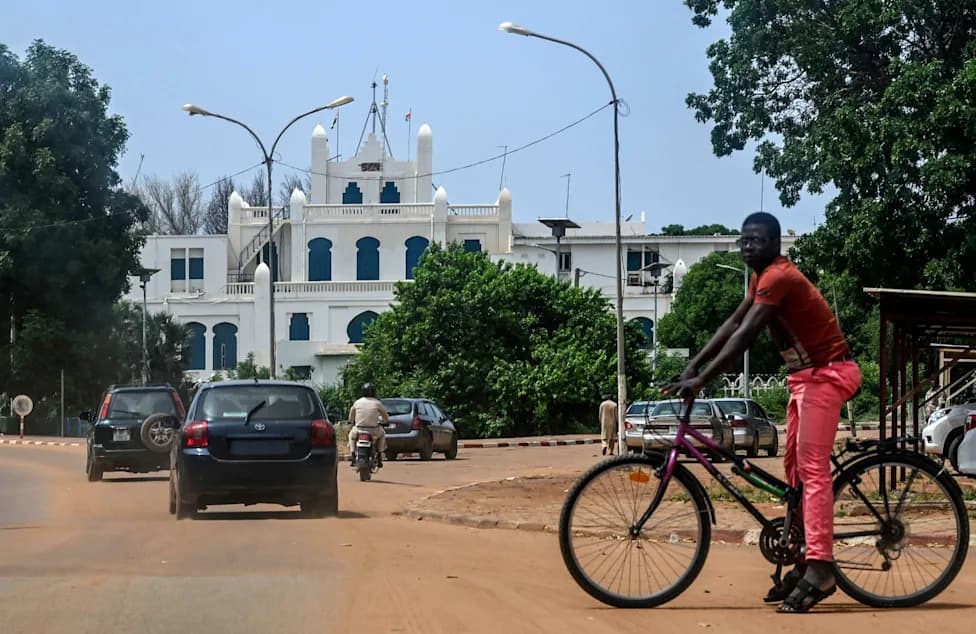
The unrest began at Base 101, a military facility located inside Niamey's international airport, when soldiers reportedly turned on commanders and opened fire at multiple sites across the city. Violence spread to the presidential palace and temporarily took the state broadcaster off air. Niger's army, with the reported assistance of Russian-linked paramilitary fighters referred to by local media as the "Africa Corps," regained control of the base the following day.
State media said hundreds of soldiers were involved and that dozens of people were killed or detained. For the first time since the incident, Niger's government acknowledged that civilians had died in the violence.
Broader political context
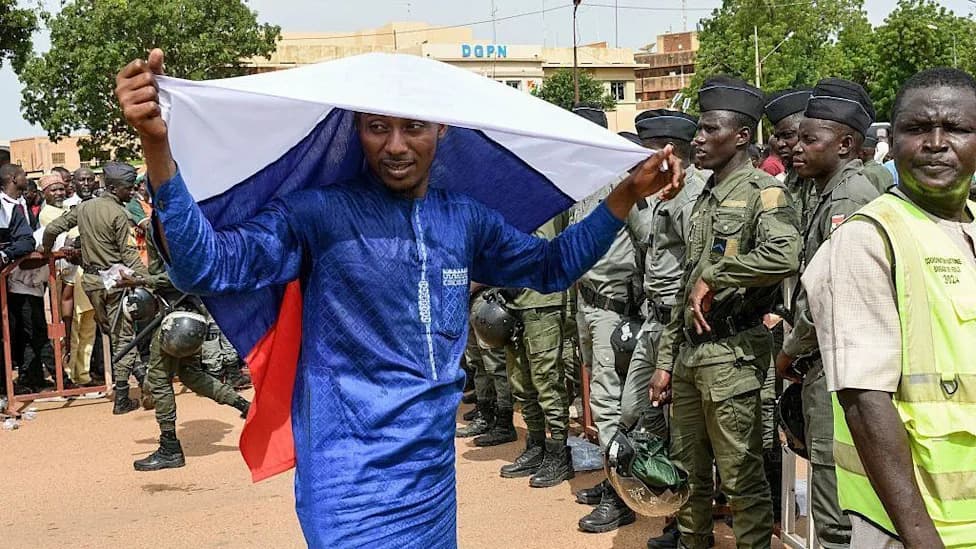
The exchange highlights deepening tensions between Niger and France since General Abdourahamane Tchiani seized power in a 2023 coup and pivoted Niger's security relationship toward Russia. Niger has also moved to seize uranium assets from the French nuclear firm Orano, further souring relations with Paris.
Niger's authorities have broadened their accusations beyond France, alleging unnamed "African brothers" acted as intermediaries after state television aired a clip in which an air force captain named Benin, Chad, Ivory Coast and the regional bloc ECOWAS as supporters of the attack. Benin's government has rejected the allegation.
Analysts' view
Observers say the immediate driver of the mutiny appears to be frustration among frontline troops, who have suffered heavy losses in fights with jihadist groups such as al-Qaeda and ISIL affiliates—an insecurity that has continued despite Niger's partnership with Russia. Analysts argue these grievances, rather than clear external orchestration, are a more plausible root cause of the unrest.
What remains uncertain
To date, Niger has not provided publicly verifiable evidence linking France or the named states to the mutiny. Political messaging from Niger's leadership, including repeated accusations against France without presenting proof, has been seen by some observers as aimed at shaping domestic opinion.
Help us improve.