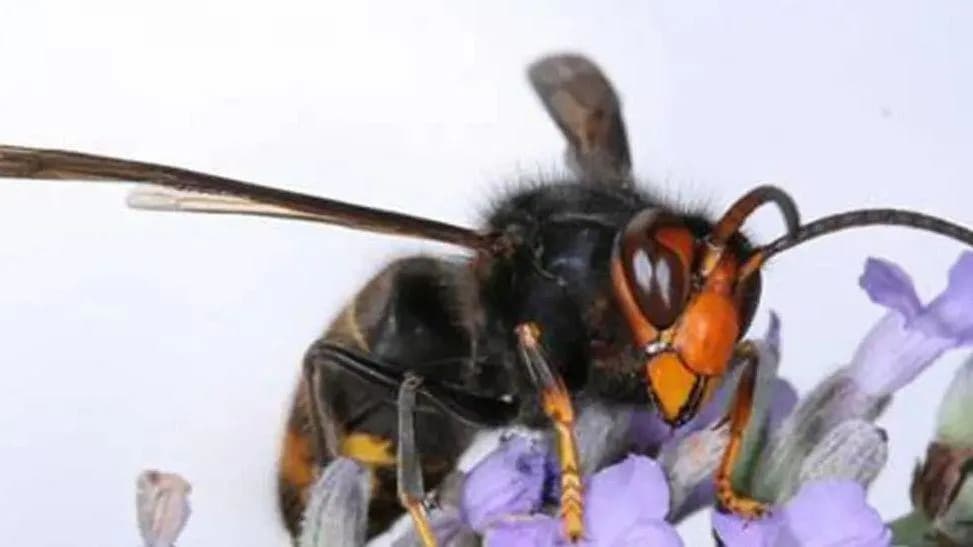
Researchers at Cornell report an estimated 3–8 million ground-nesting miner bees (Andrena regularis) occupying about 1.5 acres (≈6,000 m²) of East Lawn Cemetery, with an average estimate of 5.5 million. Using emergence traps and extrapolation, the team linked the aggregation’s timing to early spring apple bloom at nearby Cornell Orchards. The study highlights that most bees nest in soil, that ground-nesting bees are understudied, and that cemeteries can be important urban refuges for biodiversity.
5.5 Million Miner Bees Discovered Under New York Cemetery — A Hidden Pollinator Hotspot
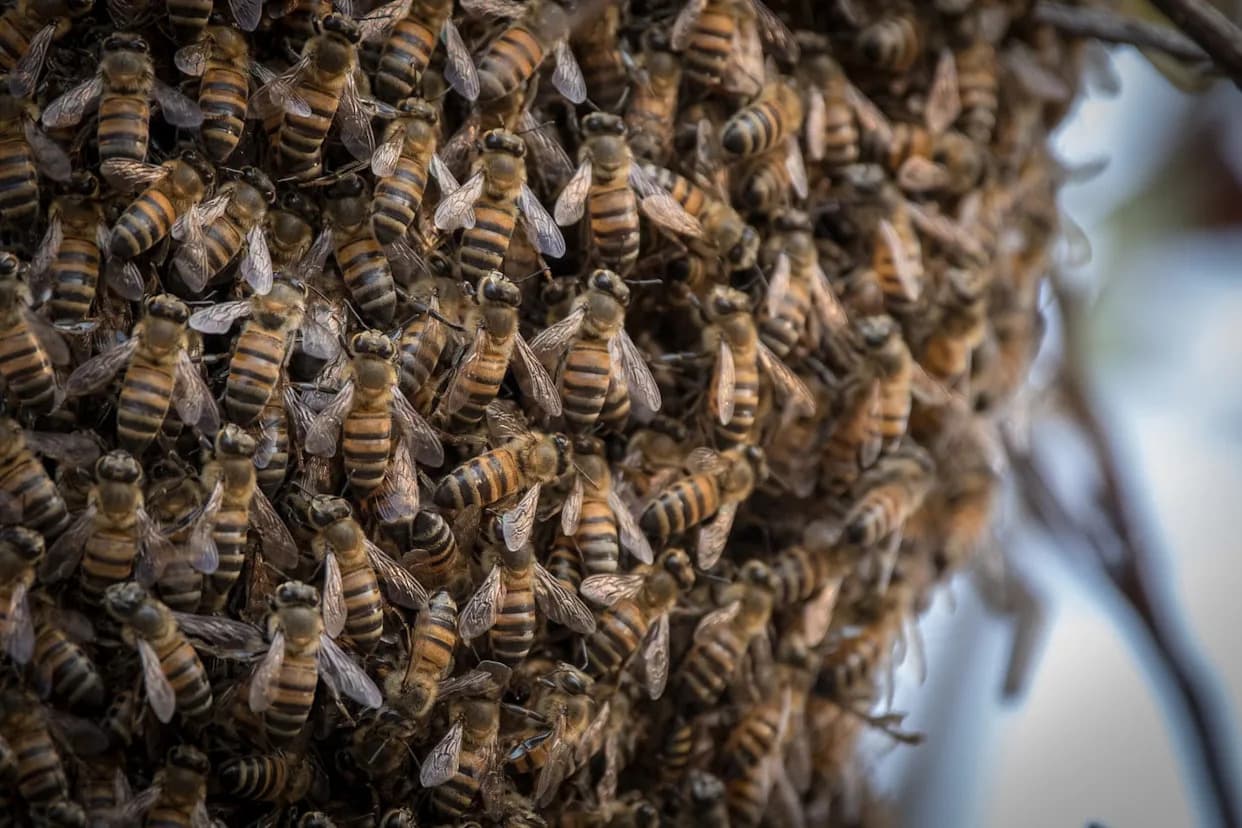
Over Five Million Bees Live in a New York CemeteryMint Images - Getty Images
Scientists from Cornell University have discovered an exceptionally dense aggregation of ground-nesting miner bees beneath a 1.5-acre section of East Lawn Cemetery in upstate New York. Published in the journal Apidologie, the study estimates roughly 3–8 million individuals in the area, with a midpoint estimate of about 5.5 million bees of the species Andrena regularis.
How the Team Reached the Estimate
Researchers used simple "emergence traps" — glass jars fitted with funnels — placed over patches of soil to capture insects as they emerged. While traps collected a variety of insects (including flies and beetles), A. regularis dominated the samples. The team calculated emergence rates per square meter and extrapolated those rates across approximately 6,000 square meters (about 1.5 acres) where the bees were active, producing the 3–8 million range and the 5.5 million average.
Why This Aggregation Occurs
Part of the explanation is timing and local forage. Andrena regularis overwinters as adults, a relatively uncommon strategy that causes them to emerge very early in spring — precisely when nearby Cornell Orchards is in apple bloom. Cornell Orchards, located less than half a mile from East Lawn and containing experimental plantings of apples, grapes and stonefruits, likely supplies abundant food when the bees are active.
Ecological Significance
Ground-nesting bees are the norm rather than the exception: more than 70% of bee species nest in soil rather than in hives, and these solitary species are credited with pollinating around 80% of the world’s flowering plants, according to The Bee Conservancy. Despite their importance, ground-nesting bees remain understudied — the research team found surprisingly few modern studies on A. regularis, with the most relevant literature dating back to 1978.
“This is one of the largest aggregations reported in the literature,” said Steve Hoge, an undergraduate researcher and lead author. Senior author Bryan Danforth noted that ground-nesting bees are "the most common lifestyle for bees" yet are often overlooked by researchers.
Cemeteries as Biodiversity Havens
Cemeteries often provide stable, undisturbed habitat that supports diverse wildlife. A 2023 paper in Conservation Biology found that cemeteries can match urban parks in value for local flora and fauna, and cultural protection of these sites can help preserve that biodiversity. Keven Morse, superintendent of East Lawn Cemetery, noted the grounds regularly harbor deer, geese, hawks, foxes and coyotes — and now one of the world’s largest known aggregations of ground-nesting bees. "I just felt bad having to mow in certain areas," he said, acknowledging the trade-offs of managing a wildlife refuge.
What This Means For Conservation
The discovery highlights how common—and how underappreciated—ground-nesting bees are, and it underscores the conservation value of undisturbed urban green spaces. Better understanding these aggregations can inform pollinator-friendly land management and agricultural planning, especially near orchards and other early-blooming crops.
Help us improve.