Bulgaria held its eighth parliamentary election in five years as voters sought to end chronic political instability sparked by mass protests and short-lived governments. Former President Rumen Radev resigned to lead the center-left Progressive Bulgaria coalition and emerged as the front-runner. Radev pledges to tackle oligarchic corruption but faces scrutiny for his Eurosceptic and pro-Russian positions, including opposition to sending military aid to Ukraine. Preliminary results were expected the day after the vote.
Bulgaria Votes Again: Rumen Radev Leads in Eighth Parliamentary Election in Five Years
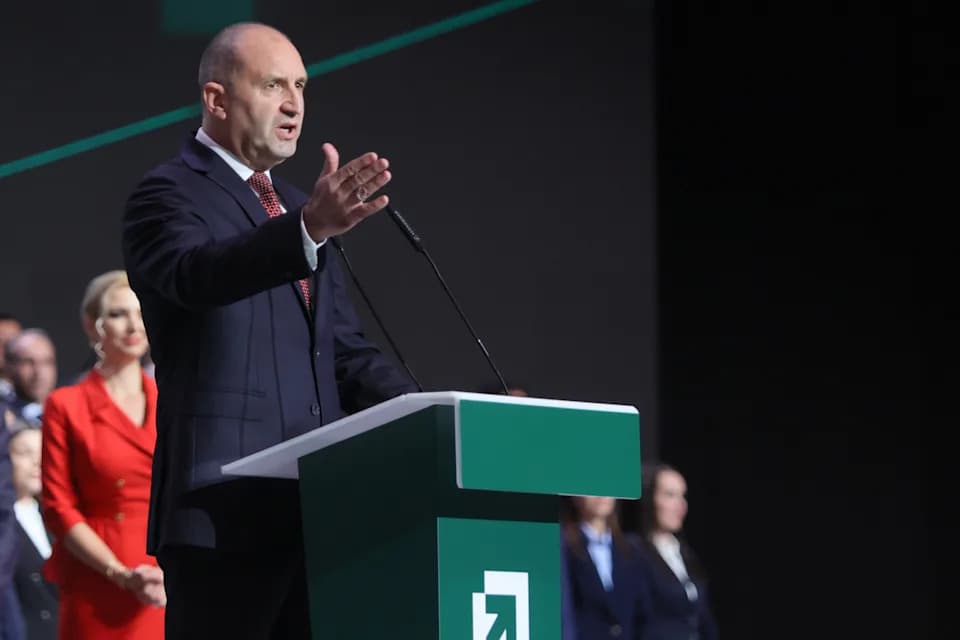
Former Bulgarian President Rumen Radev delivers a speech at the closing rally of his campaign, in Sofia, Thursday, April 16, 2026, as Bulgaria heads into an early parliamentary election. (AP Photo/Valentina Petrova)(ASSOCIATED PRESS)
Bulgarians went to the polls Sunday in the eighth parliamentary election in five years, seeking to end a cycle of short-lived governments and chronic political instability that has roiled the country since 2021.
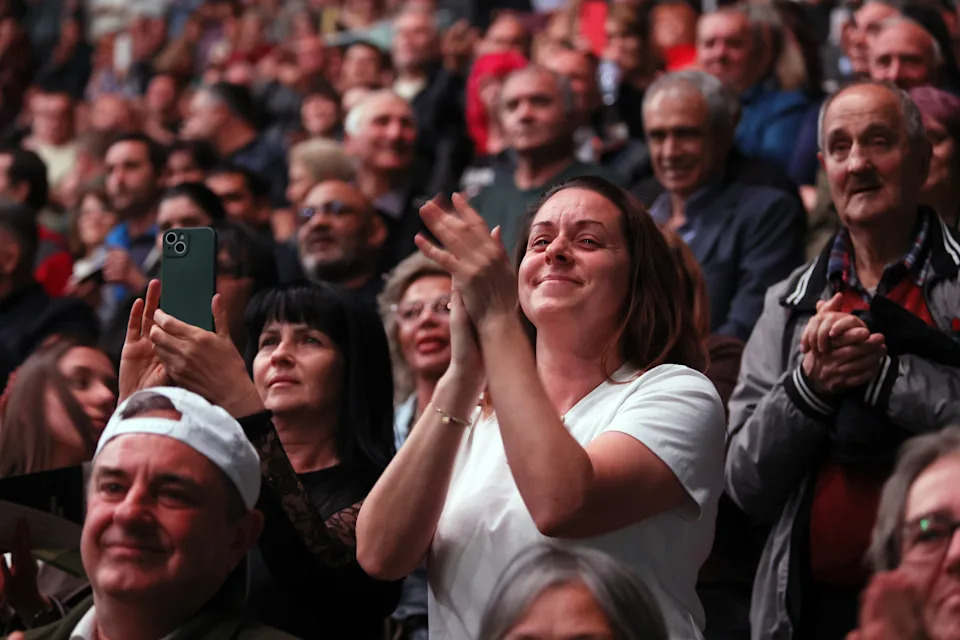
A supporter of former Bulgarian President Rumen Radev reacts during the closing rally of his campaign, in Sofia, Thursday, April 16, 2026, as Bulgaria heads into an early parliamentary election. (AP Photo/Valentina Petrova)(ASSOCIATED PRESS)
The snap vote followed the resignation of a conservative-led government after nationwide protests last December that drew hundreds of thousands—predominantly young people—to the streets. Protesters demanded an independent judiciary and decisive action against entrenched corruption.
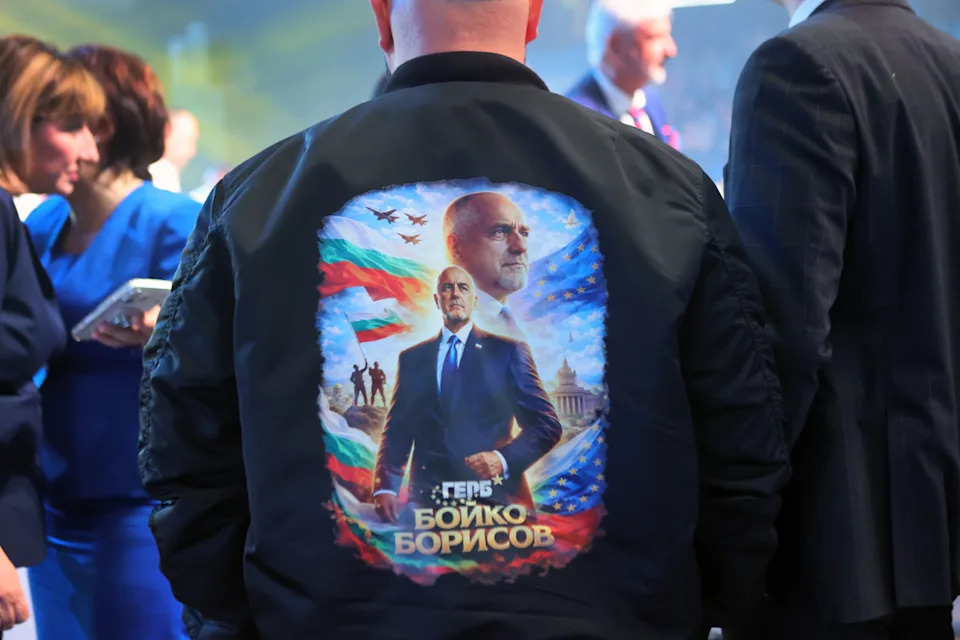
A print on the back of a jacket of a supporter depicts the former three-time conservative Prime Minister Boyko Borissov at the closing rally of his campaign, in Samokov, Wednesday, April 15, 2026, as Bulgaria heads into an early parliamentary election. (AP Photo/Valentina Petrova)(ASSOCIATED PRESS)
Background and Stakes
The nation of roughly 6.5 million has been governed by a succession of fragmented parliaments producing fragile administrations, none of which has lasted more than a year before being toppled by street demonstrations or parliamentary dealmaking. That revolving-door politics has deepened public mistrust, increased voter apathy and driven turnout down.
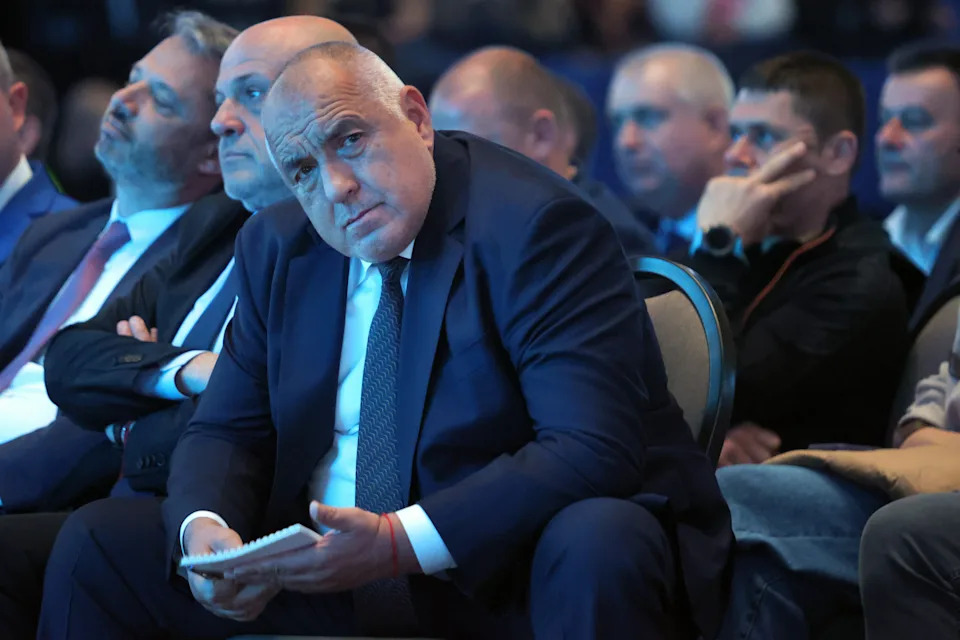
Former three-time conservative Prime Minister Boyko Borissov is seen at the closing rally of his campaign, in Samokov, Wednesday, April 15, 2026, as Bulgaria heads into an early parliamentary election. (AP Photo/Valentina Petrova)(ASSOCIATED PRESS)
Leading Contender
The front-runner is former President Rumen Radev, who resigned the mostly ceremonial presidency in January—months before his term ended—to lead a newly formed center-left alliance, Progressive Bulgaria. The 62-year-old ex-fighter pilot and air force commander is widely regarded as one of Bulgaria’s most popular politicians and has promised a fresh start.
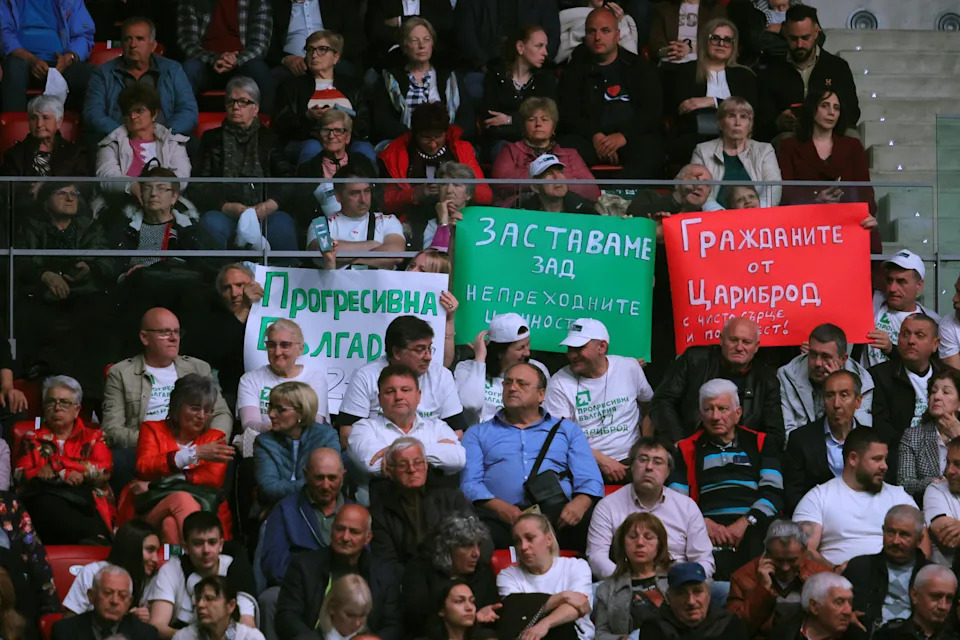
Supporters of former Bulgarian President Rumen Radev hold posters in the colors of the Bulgarian flag during the closing rally of his campaign, in Sofia, Thursday, April 16, 2026, as Bulgaria heads into an early parliamentary election. (AP Photo/Valentina Petrova)(ASSOCIATED PRESS)
Radev has cast himself as a direct opponent of oligarchic corruption and the networks linking organized crime to high-level politics. At campaign rallies he pledged to "remove the corrupt, oligarchic model of governance from political power." His supporters are divided between those who expect him to break entrenched corruption and those who back his Eurosceptic and pro-Russian positions.
Foreign Policy and Controversies
Although Radev has publicly condemned Russia’s 2022 invasion of Ukraine, he has repeatedly opposed sending military aid to Kyiv and has urged renewed dialogue with Moscow as part of a broader diplomatic approach. His stance raises concern among some Western partners even as Bulgaria remains a member of the European Union and NATO.
Voting Details and Outlook
Polling stations opened at 7 a.m. and closed at 8 p.m.; initial exit polls were due immediately after and preliminary counts were expected on Monday. Opinion polls suggested Radev’s coalition could secure more than 30% of the vote—about 10 percentage points ahead of his nearest rival, Boyko Borissov’s center-right GERB party—with typical poll margins of error around 3–3.5%.
Bulgaria formally joined the eurozone on Jan. 1 and earlier entered the Schengen travel area, but these economic and travel milestones have not resolved long-running domestic political fractures stemming from protests that first forced then-Prime Minister Boyko Borissov to step down in 2021.
Why It Matters: The result could determine whether Bulgaria breaks its cycle of unstable, short-lived governments and whether a leader with Eurosceptic and pro-Russian tendencies gains influence at a delicate moment for European security and regional politics.
Help us improve.