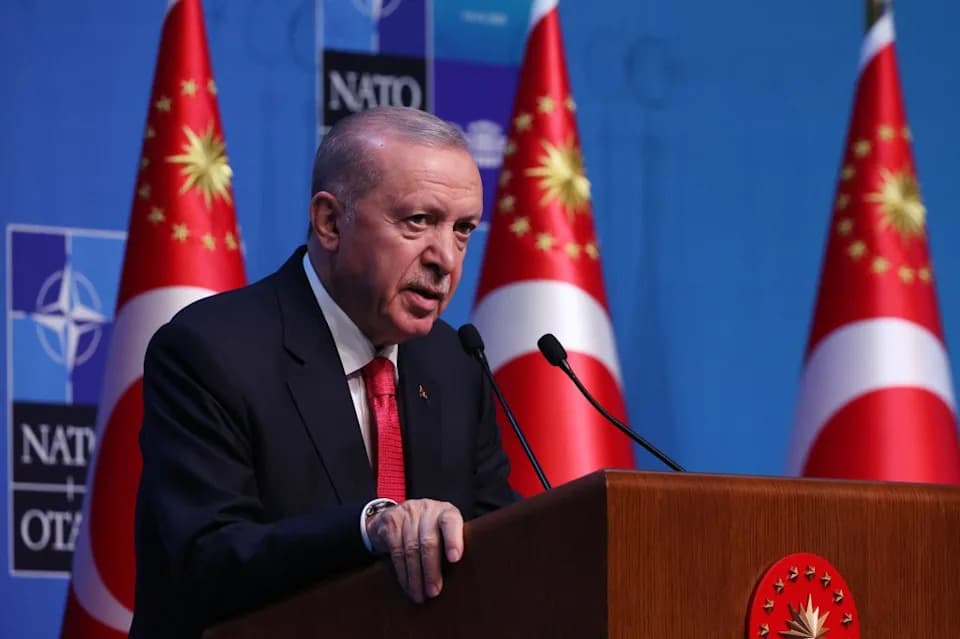
Internal memoranda obtained by The New York Times trace how the Supreme Court’s “shadow docket” shifted from a narrow emergency mechanism to a frequent path for deciding major policy disputes. The change is linked to an abrupt, unsigned 2016 stay of the Clean Power Plan issued during a court recess. Memos reveal sharp internal disagreement—Justice Elena Kagan warned against the move while Justice Samuel Alito argued it was necessary to protect judicial review. Critics, including Justice Ketanji Brown Jackson, say the practice lacks transparency and can bypass the ordinary role of lower courts.
Leaked Memos Expose Origins and Risks of the Supreme Court’s ‘Shadow Docket’
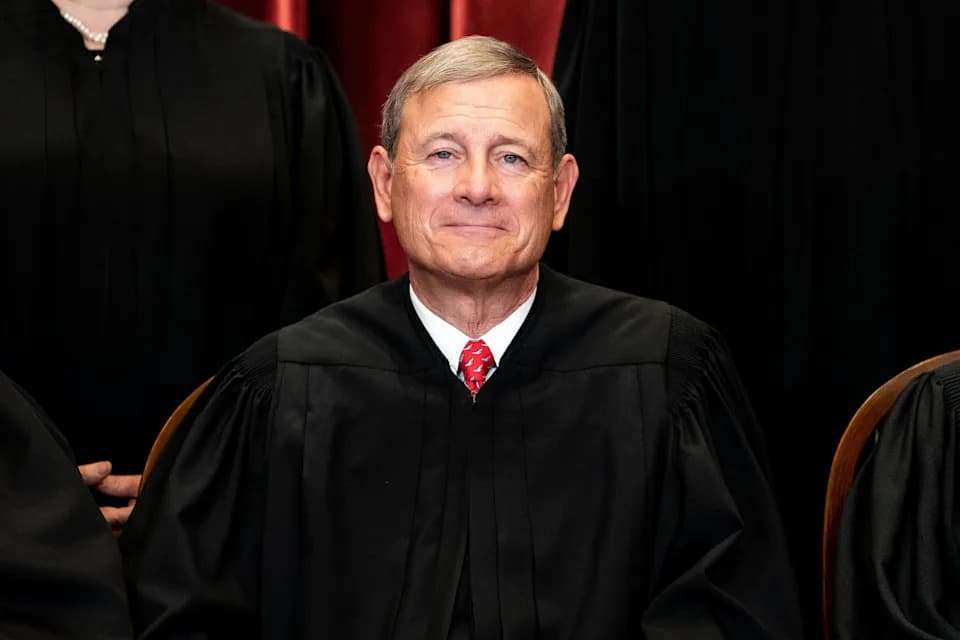
Roberts moved with speed to halt the Obama-era regulation, setting off a new tradition for the high court in how it rules. / Erin Schaff/POOL/AFP via Getty Images
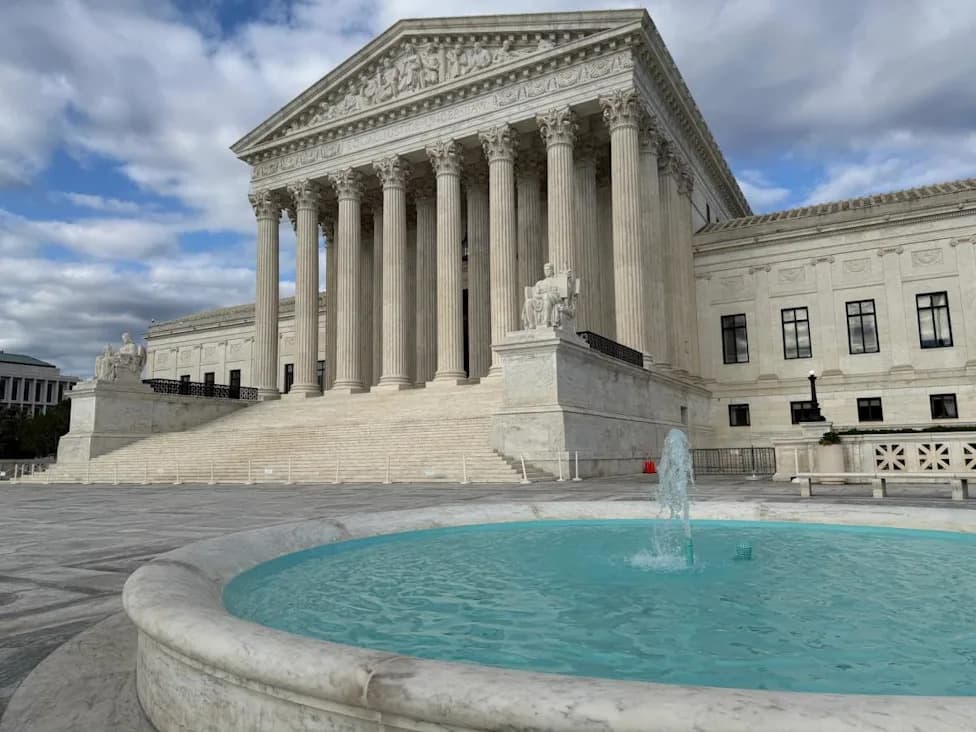
Newly released internal memoranda obtained by The New York Times shed fresh light on how the Supreme Court’s controversial “shadow docket” emerged and evolved from a narrow emergency tool into a frequent vehicle for deciding high-stakes disputes.
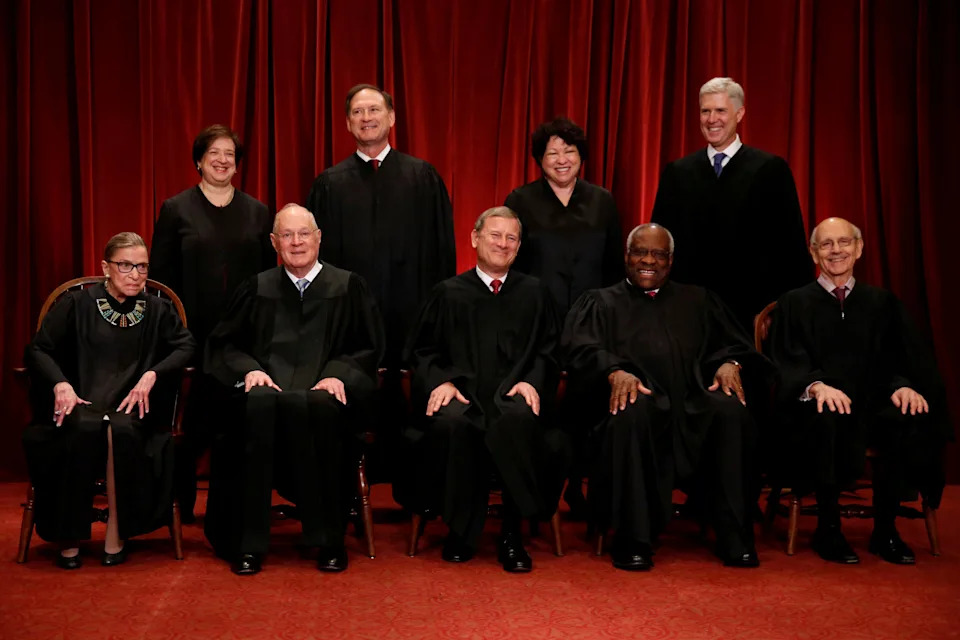
Conservative justices, including Alito and Roberts, were in favor of using the shadow docket to rule on Obama's environmental regulations. / JONATHAN ERNST / REUTERS
What the Memos Reveal
The documents trace a turning point to an abrupt, unsigned 2016 order that stayed the Obama administration’s Clean Power Plan. According to the memos, Chief Justice John Roberts acted rapidly on West Virginia’s emergency petition while several justices had already left for the court’s midwinter recess. The order was short, unsigned, and provided minimal explanation — a format critics say has become increasingly common.
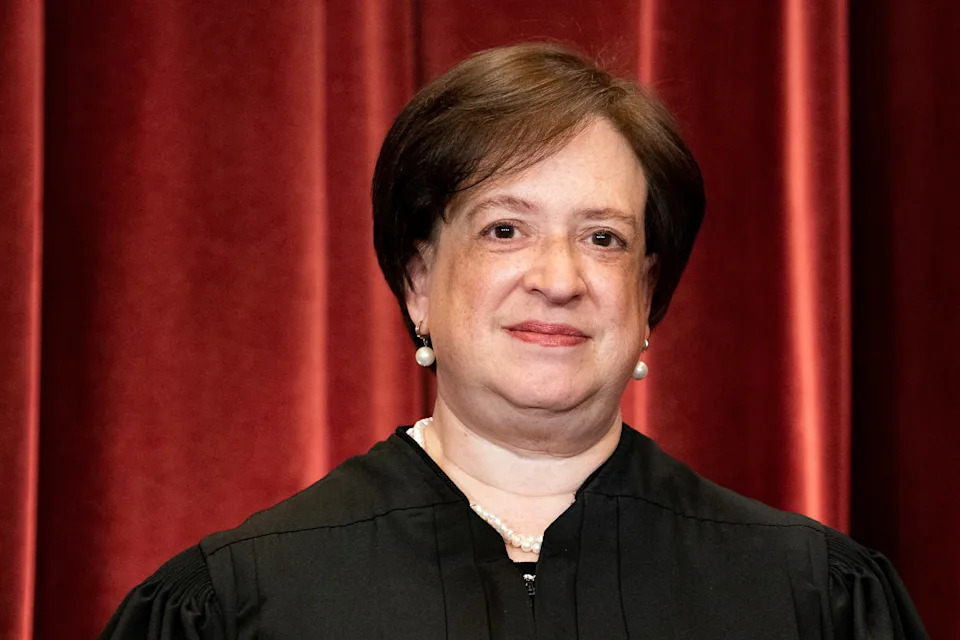
Kagan was originally opposed to the emergency docket being used to slap down Obama's environmental policy. / POOL / REUTERS
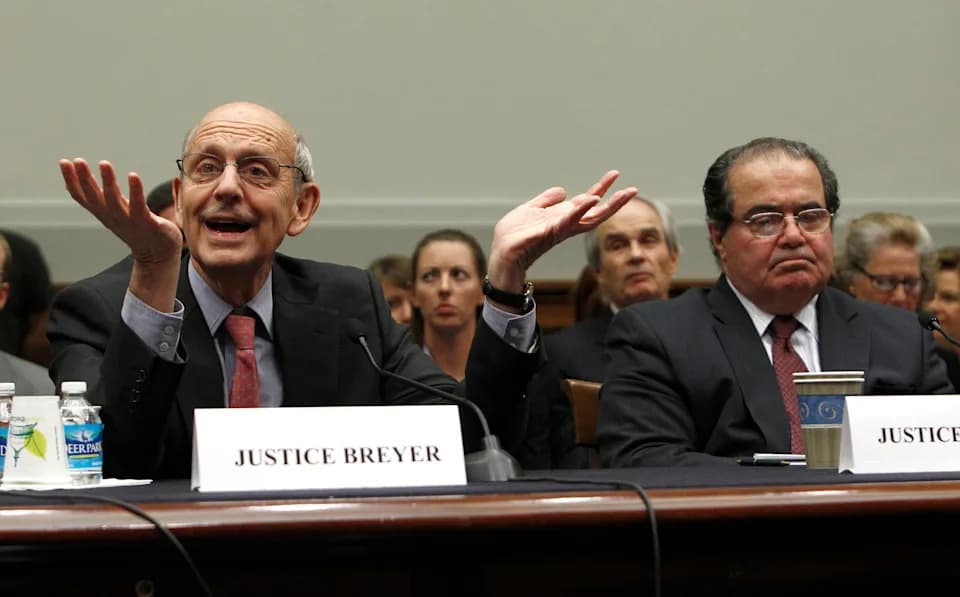
Internal communications show sharp disagreement among the justices. Justice Elena Kagan wrote to her colleague then-Justice Stephen Breyer that “the unique nature of the relief sought in these applications gives me great pause.” By contrast, Justice Samuel Alito warned that failing to stay the rule would risk undermining the court’s ability to provide meaningful review and, he argued, its institutional legitimacy.
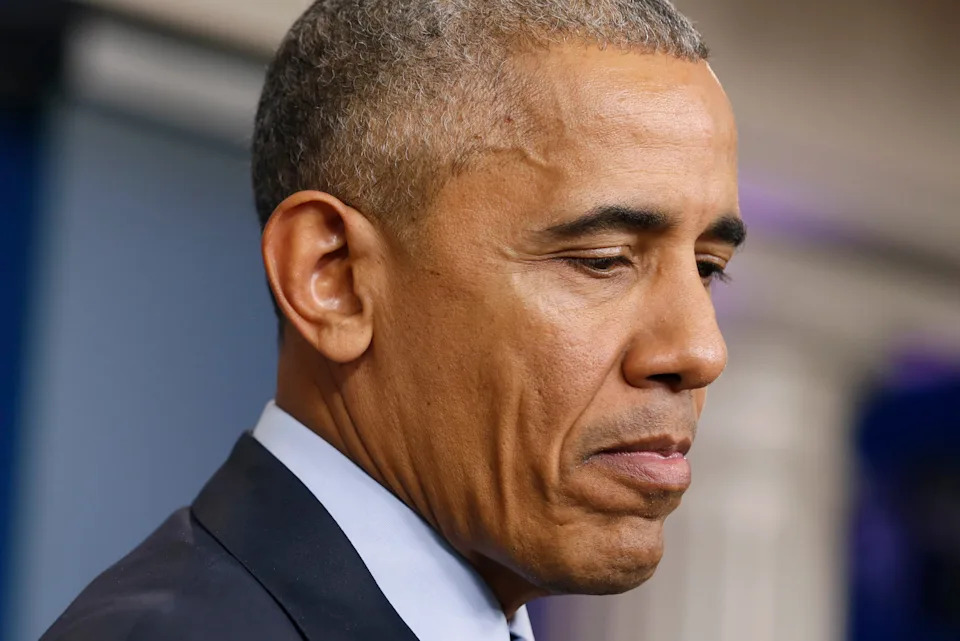
The Supreme Court put an end to the Obama administration's signature environmental policy. / Jonathan Ernst / REUTERS
“The unique nature of the relief sought in these applications gives me great pause.” — Justice Elena Kagan
“A failure to stay this rule threatens to render our ability to provide meaningful judicial review — and by extension, our institutional legitimacy — a nullity.” — Justice Samuel Alito
From Emergency Fix To Routine Practice
Participants acknowledged the move was unusual at the time. Elbert Lin, West Virginia’s solicitor general during the challenge, told the Times, “This had never been done.” Critics now say that what was once an exceptional procedure has become a routine route for the Court to resolve divisive national questions without the full briefing, oral argument, or detailed written opinions that accompany typical merits decisions.
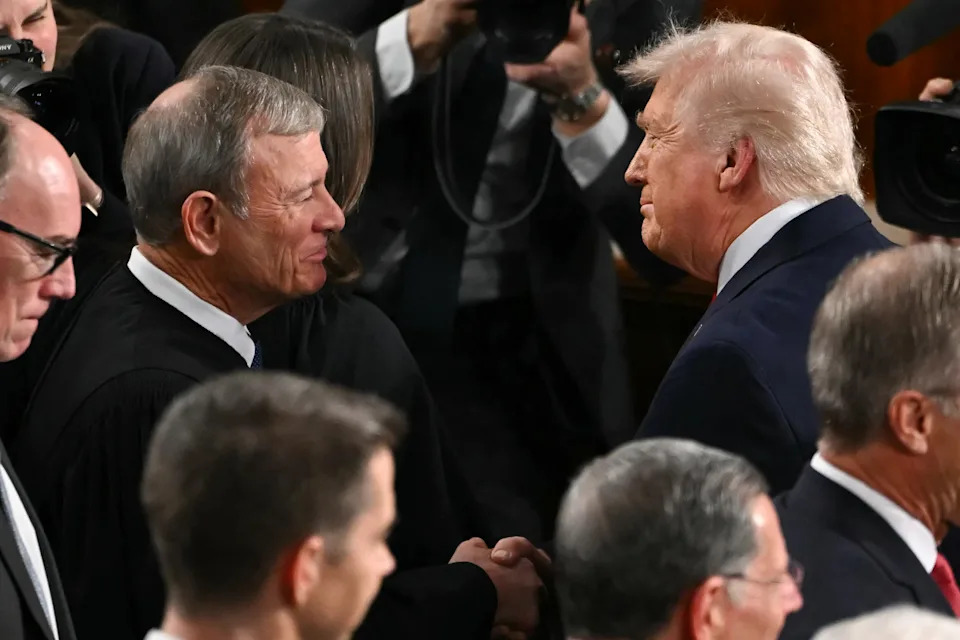
Trump has relied on the conservative justices on the Supreme Court to hand him wins. / ANDREW CABALLERO-REYNOLDS / AFP via Getty Images
During President Donald Trump’s administration, orders issued through the shadow docket affected several high-profile policies — for example, allowing certain workforce changes to proceed while litigation continued in lower courts and upholding temporary restrictions on transgender military service during ongoing appeals.
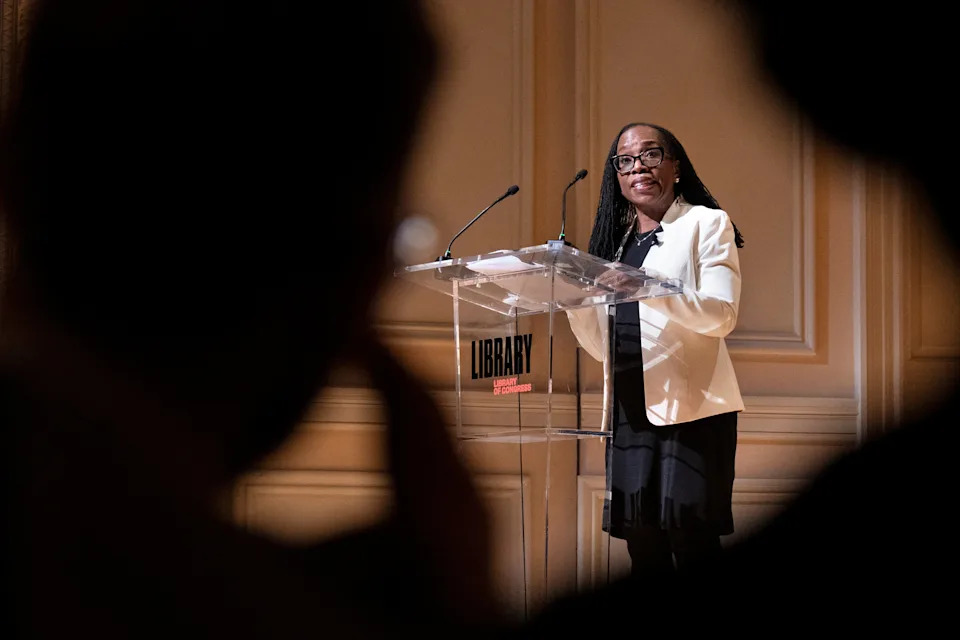
Jackson sounded the alarm on the way the high court has been issuing high-stakes opinions. / Jacquelyn Martin / via REUTERS
Transparency, Legitimacy, And The Critics
Opponents of the expanded use of the shadow docket argue it undermines transparency and accountability because many orders are unsigned and lack reasoned explanations. Liberal-leaning justices have frequently raised concerns about the Court’s growing reliance on this mechanism.
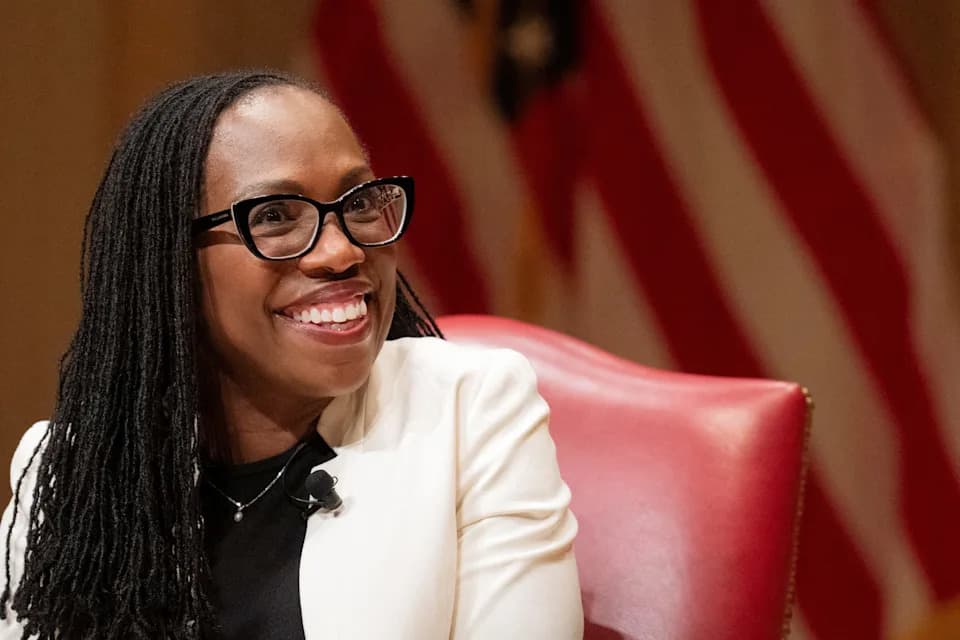
Justice Ketanji Brown Jackson recently criticized the modern pattern, recalling that when she clerked for the Court in 1999 the emergency docket was used almost exclusively for death-penalty cases. Speaking at Yale Law School, she warned that the Court’s frequent intervention on highly divisive issues can divest lower courts of their equitable authority and inflict institutional harms.
“There is value in avoiding having the court continually touching the third rail of every divisive policy issue in American life.” — Justice Ketanji Brown Jackson
As the memo disclosures circulate, the debate intensifies over whether the shadow docket’s expanded use preserves necessary judicial responsiveness or instead shortcuts deliberation, erodes public confidence, and concentrates too much power in short, unexplained orders.
Help us improve.