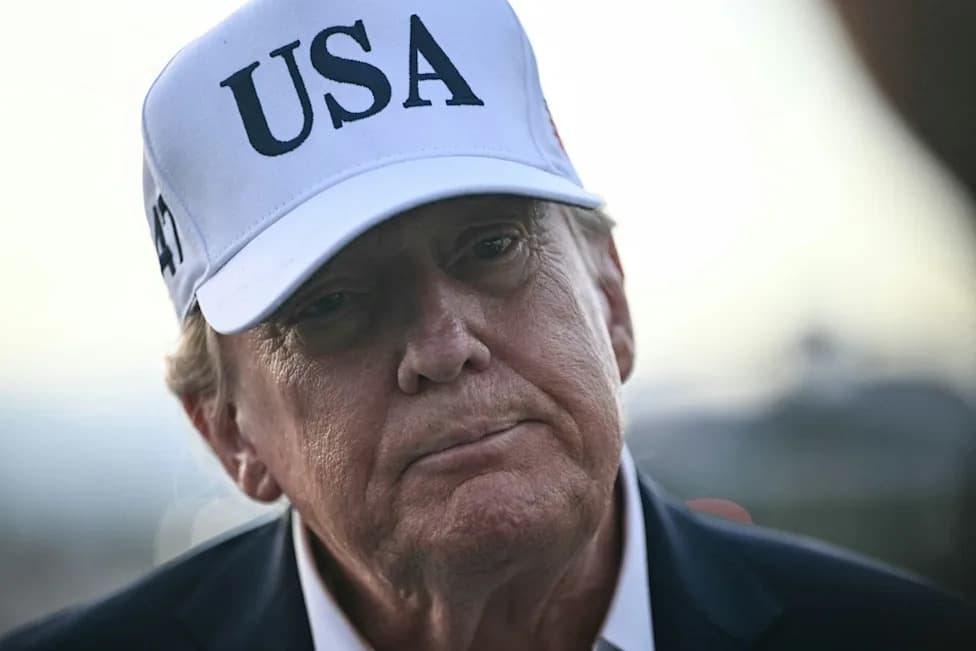
President Trump’s recent threats against Iran — including the social-media line “A whole civilization will die tonight” and talk of striking civilian infrastructure — alarmed many officials but found substantial support among Republican voters. Multiple polls (Quinnipiac, CBS News–YouGov, Reuters–Ipsos, UMass Amherst, Marist, Marquette) show significant GOP backing for a range of provocative or legally questionable proposals. The pattern suggests Trump’s rhetoric has broadened what many Republican voters view as acceptable, even when others see those ideas as illegal or extreme.
“A Whole Civilization Will Die Tonight”: How Trump’s Extreme Threats Won Broad GOP Support
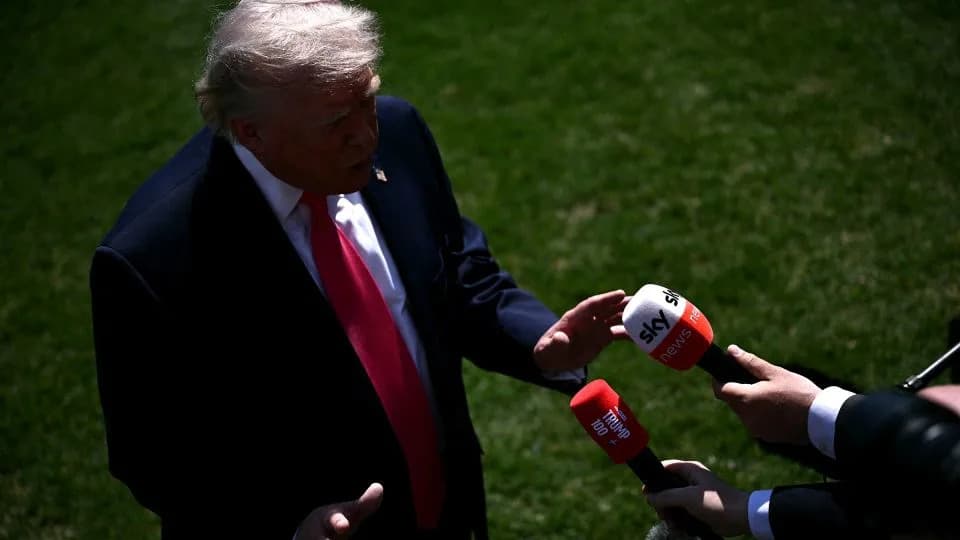
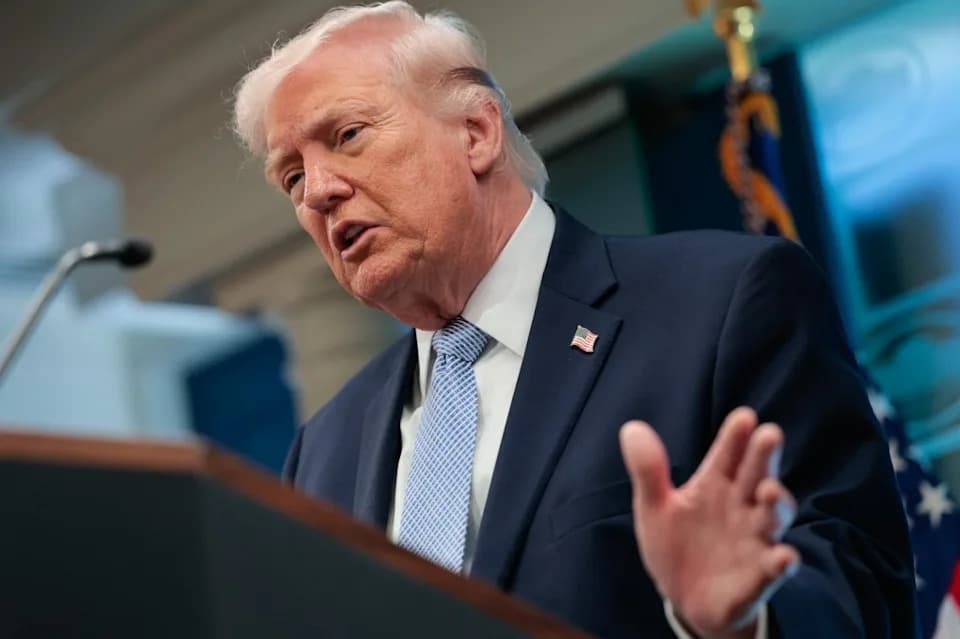
President Donald Trump speaks to reporters before walking to board Marine One, as he departs from the South Lawn of the White House on April 16. - Brendan Smialowski/AFP/Getty Images
President Donald Trump this month issued a series of aggressive statements aimed at Iran — including a social-media post that declared,
“A whole civilization will die tonight.”He also threatened strikes on Iranian infrastructure that legal experts say could amount to war crimes. The comments alarmed many in Washington and prompted some of Trump’s allies to distance themselves, but new polling suggests a large portion of the Republican base found the rhetoric acceptable or even favorable.
Polling Snapshot
Multiple polls released this week and in recent months show consistent GOP support for a range of provocative proposals floated by Trump:
- Quinnipiac: 66% of Republicans said they would support bombing power plants and other civilian infrastructure in Iran if negotiations failed (the question did not mention potential war-crime implications).
- Quinnipiac: 62% of Republicans labeled Trump’s social-media post about ending an Iranian “civilization” as “acceptable.”
- CBS News–YouGov: After showing the post in full, nearly half of Republican respondents said they liked it; about 20% disliked it and 31% were neutral.
- UMass Amherst: 74% of Republicans said Trump being a “dictator for a day” would be a “good thing.”
- Reuters–Ipsos: 44% of Republicans supported Trump pursuing a third presidential term despite constitutional questions.
- Reuters–Ipsos (other questions): 58% of Republicans backed striking cartel targets inside Mexico without the Mexican government's permission.
- Marist College: Large majorities of Republicans endorsed potential military action in Mexico, Cuba, Iran and Venezuela; 57% supported action in Greenland in the same survey.
- Marquette Law School: 64% of Republicans endorsed the idea of incarcerating U.S. citizens in prisons in El Salvador after it was floated by Trump.
What This Pattern Suggests
Across several years and topics, Trump has repeatedly floated ideas that many observers call extreme, legally dubious, or provocative. Polling shows a recurring pattern: a substantial share of Republican voters signal acceptance of those ideas — whether they endorse them on principle or because the president proposed them. In effect, Trump's rhetoric appears to have expanded the political Overton window within parts of the GOP, making previously unthinkable options more politically tolerable.
It is important to note differences in public responses: Democrats and independents overwhelmingly oppose many of these proposals, and many polls measured reactions to statements or hypotheticals rather than to concrete policy actions or legal consequences. Still, the polling paints a consistent picture of how a large segment of the Republican base responds to escalatory presidential rhetoric.
Implications
Whether these results reflect genuine policy preferences or loyalty to a political figure, they raise questions about the political acceptability of measures that may conflict with domestic law, international law or longstanding norms. The recent Iran episode is a stark example of the gap between elite alarm and base-level tolerance for aggressive presidential language.
For more context on the polls cited and the broader debate around presidential rhetoric and military action, readers should consult the original polling releases and legal analyses.
Help us improve.