Georgia’s 2026 Democratic primary for governor is proceeding with substantially less money and attention than Stacey Abrams’ 2022 bid, raising concern the party could again miss a chance to win the governor’s office. Keisha Lance Bottoms leads in name recognition and appears likely to reach a June 16 runoff, while Geoff Duncan, Jason Esteves and Mike Thurmond compete for the other spots. Republicans have vastly outspent Democrats so far, but the Democratic Governors Association says it will provide funding for the eventual nominee.
Georgia Democrats Face A Fragmented, Low-Spend Primary Ahead Of May 19
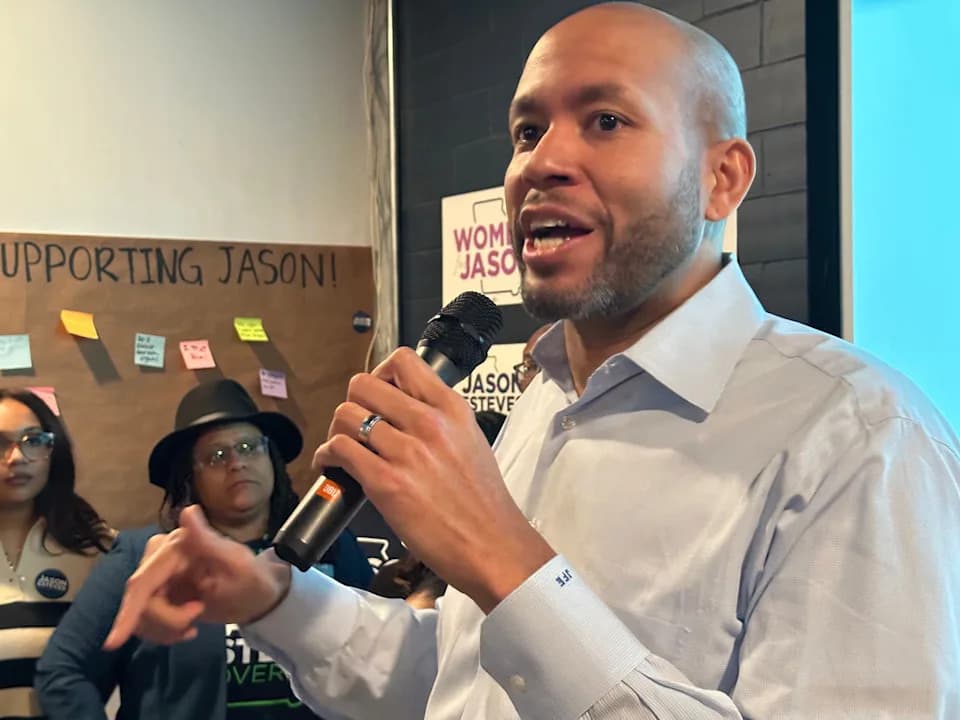
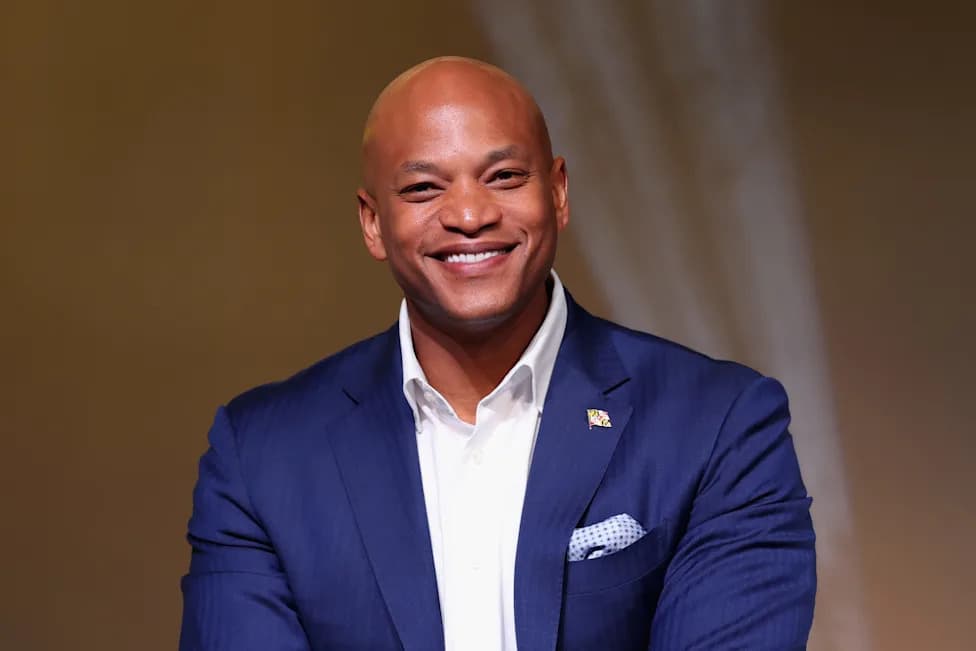
Democrat Jason Esteves, a former Georgia state senator running for governor, speaks to supporters at a campaign event on Thursday, Jan 22, 2026 in Atlanta. (AP Photo/Jeff Amy)(ASSOCIATED PRESS)
Four years after Stacey Abrams drew national attention and poured millions into the 2022 governor’s race, Georgia’s Democratic primary for governor in 2026 is unfolding with far less fanfare and far fewer resources.
With the May 19 primary looming, Democrats have so far spent roughly $1.24 million on statewide advertising compared with nearly $100 million spent by Republican campaigns. That stark spending gap has left Democrats in a low-dollar, crowded contest that many expect will produce a runoff on June 16.
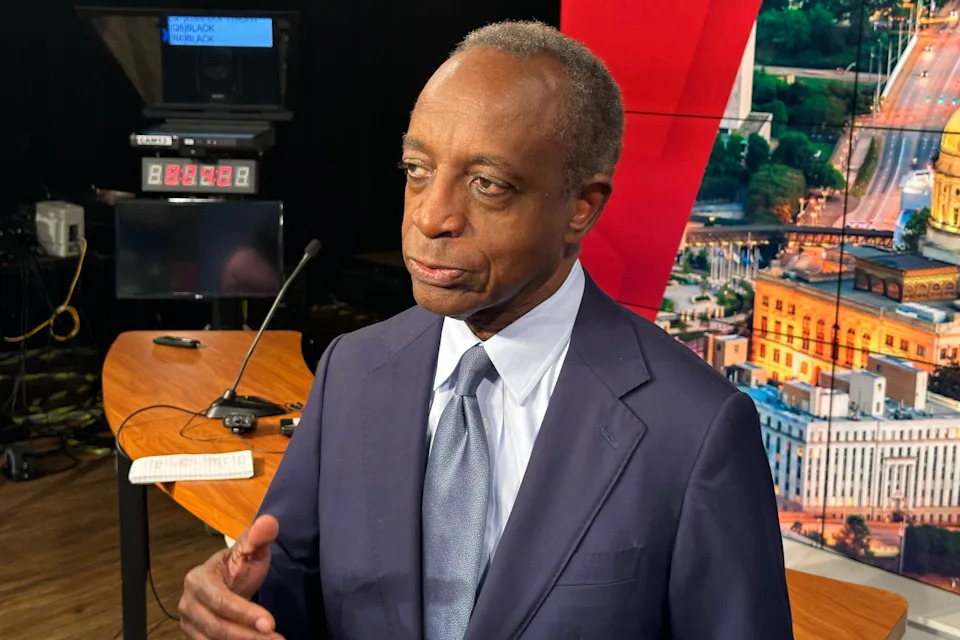
Mike Thurmond, a Democrat running for governor in Georgia, speaks to reporters after a debate on Wednesday, April 15, 2026 at WXIA-TV in Atlanta. (AP Photo/Jeff Amy)(ASSOCIATED PRESS)
National party officials say they will step in if needed. Kentucky Gov. Andy Beshear, chair of the Democratic Governors Association, called Georgia “in play” and told The Associated Press the DGA will ensure the eventual nominee has the funding to compete statewide.
Who’s In The Running
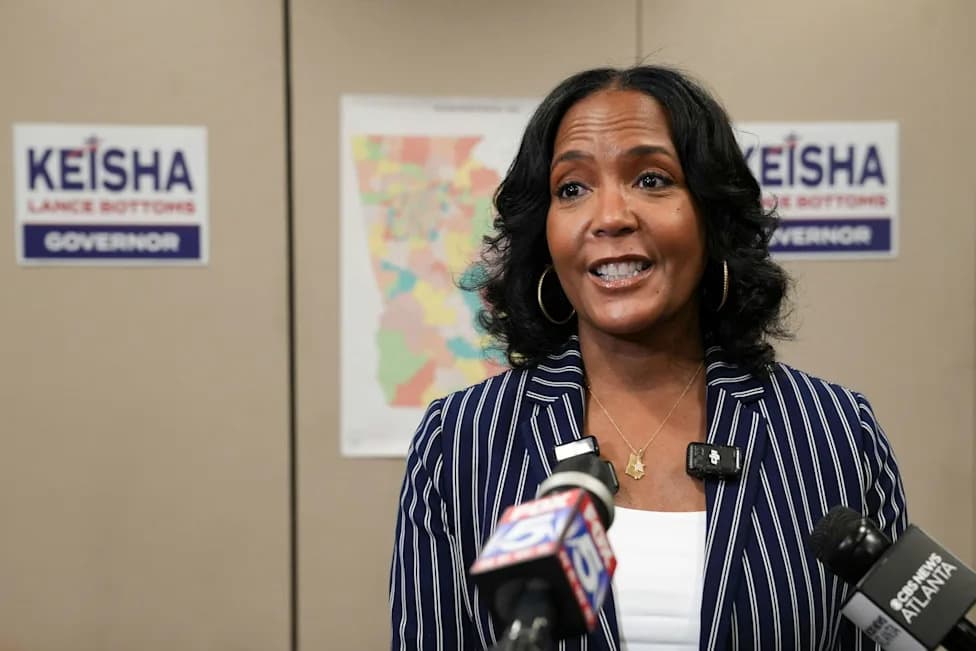
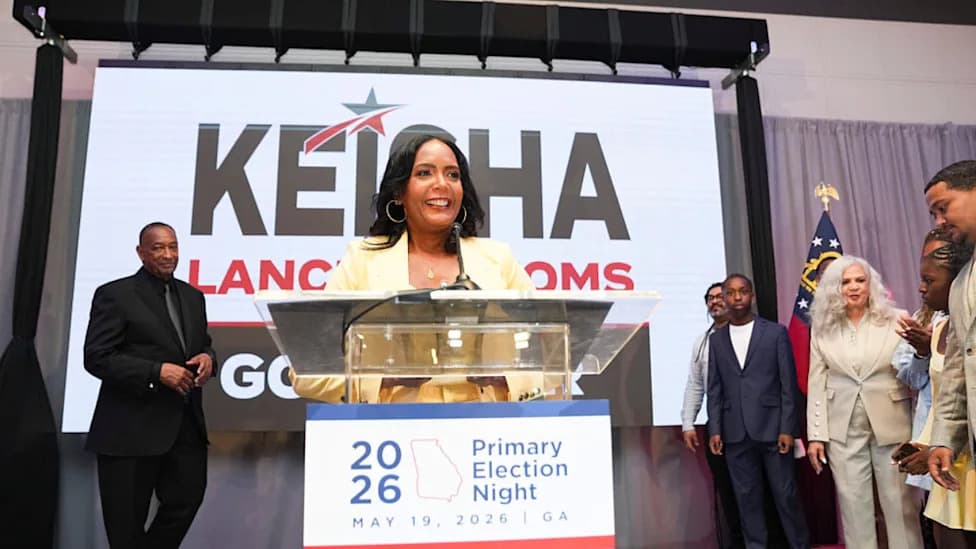
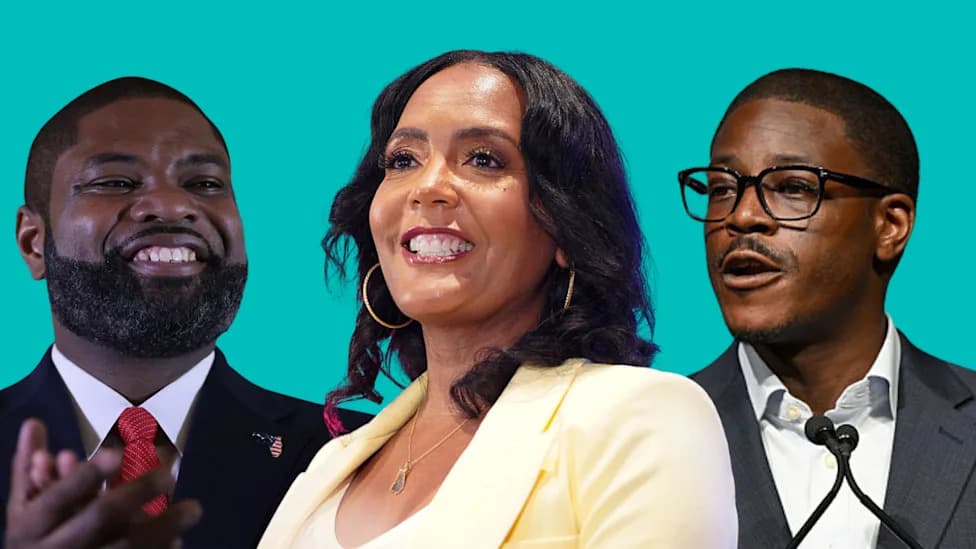
The Democratic field is led in name recognition by former Atlanta mayor Keisha Lance Bottoms, who is widely viewed as the most likely Democrat to reach the June 16 runoff. Other top contenders include former Republican lieutenant governor Geoff Duncan (who switched parties), former state senator Jason Esteves, and former state labor commissioner and DeKalb County CEO Mike Thurmond.
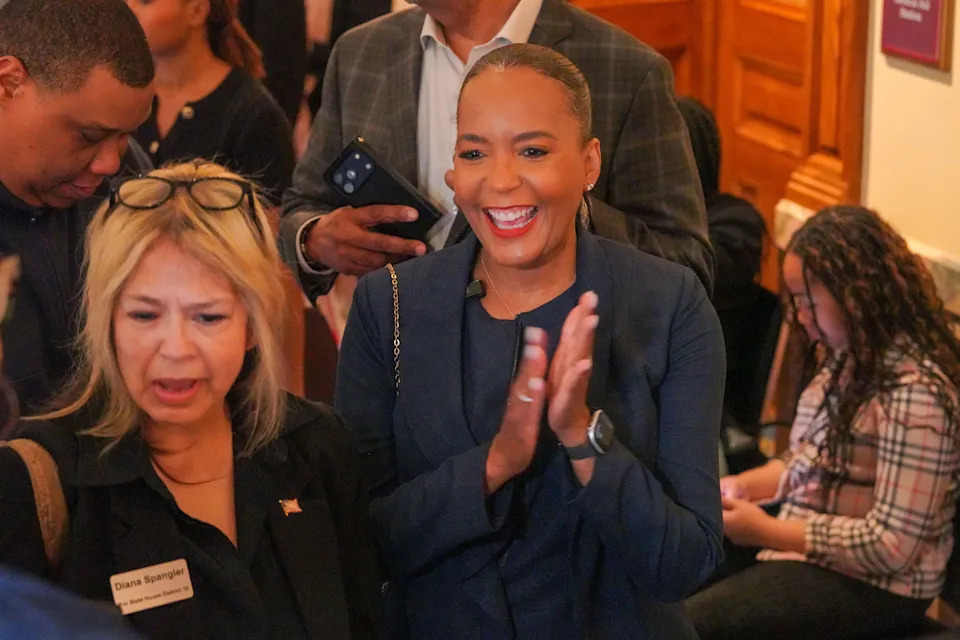
Former Atlanta Mayor Keisha Lance Bottoms smiles while waiting in line to file paperwork to qualify for the 2026 Georgia governor's race at the Georgia State Capitol, Monday, March 2, 2026, in Atlanta. (Matthew Pearson/WABE via AP)(ASSOCIATED PRESS)
On the Republican side, health-care entrepreneur Rick Jackson has spent or pledged about $50 million, dwarfing prior primary spending in the state. Other Republican contenders include Lt. Gov. Burt Jones (endorsed by former President Donald Trump), Secretary of State Brad Raffensperger and Attorney General Chris Carr.
Dynamics And Debate
The Democratic primary so far has not produced a sharp progressive-versus-moderate split. Most debates and public forums have been relatively noncombative, with exceptions: Jason Esteves has been the most willing to challenge fellow Democrats, criticizing Bottoms' record on crime and pandemic-era leadership and attacking Geoff Duncan for his time as lieutenant governor.
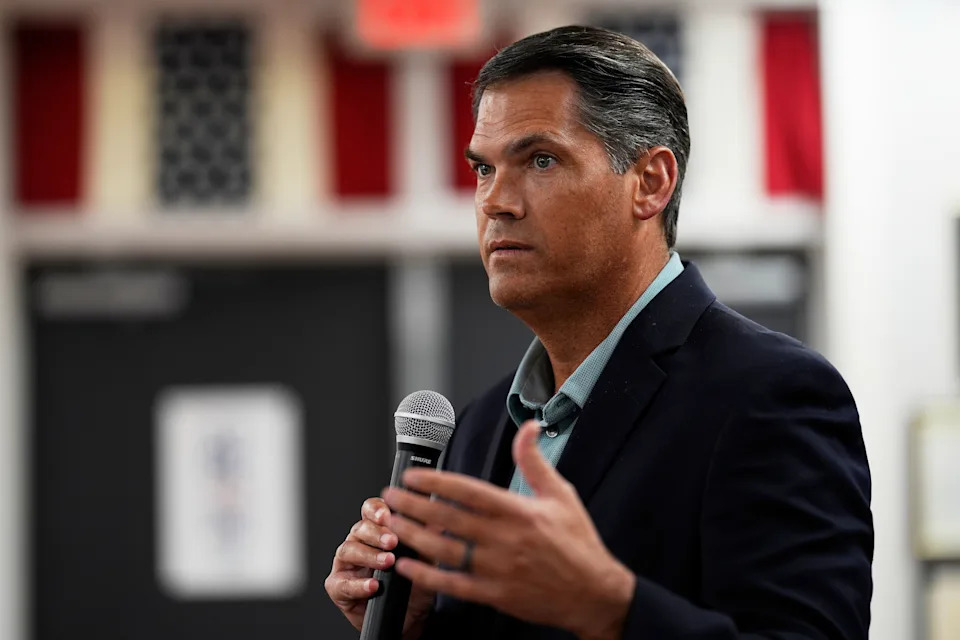
FILE - Democratic gubernatorial candidate Geoff Duncan speaks to a group, Jan. 21, 2026, in Marietta, Ga. (AP Photo/Mike Stewart, File)(ASSOCIATED PRESS)
Esteves has invested about $1 million in a late advertising surge and is pitching himself as a candidate who can build a “multiracial, multigenerational coalition” to win Georgia’s increasingly diverse electorate. He highlights his background as a teacher, small-business owner, lawyer, school board member and state senator.
Geoff Duncan emphasizes his break with his Republican past—most notably opposing efforts to overturn the 2020 election—and argues he can win moderate voters. Mike Thurmond stresses his decades of state and local government experience and seeks to assemble support among rural and older Democrats.
Outlook
Most observers expect no Democrat will win an outright majority on May 19, making a June 16 runoff likely. If that happens, national Democrats—including the DGA—say they will provide financial support to the nominee. For now, the race will be decided by which candidate can turn name recognition, targeted spending and coalition-building into enough votes to reach the runoff.
“We’re going to make sure the Democratic candidate in Georgia has the funding they need to compete,” Gov. Andy Beshear said while visiting Atlanta.
Help us improve.