Rumen Radev, the popular former president, is the clear front‑runner in Bulgaria’s snap election on April 19. His centre‑left Progressive Bulgaria coalition leads polls at about 30% and could capitalize on voter anger over oligarchic corruption. Turnout is expected to rise above 50% after years of political instability, but Radev will need coalition partners and faces foreign policy tensions over military aid to Ukraine.
Pro‑Russian Ex‑President Rumen Radev Emerges As Frontrunner In Bulgaria’s Snap Election
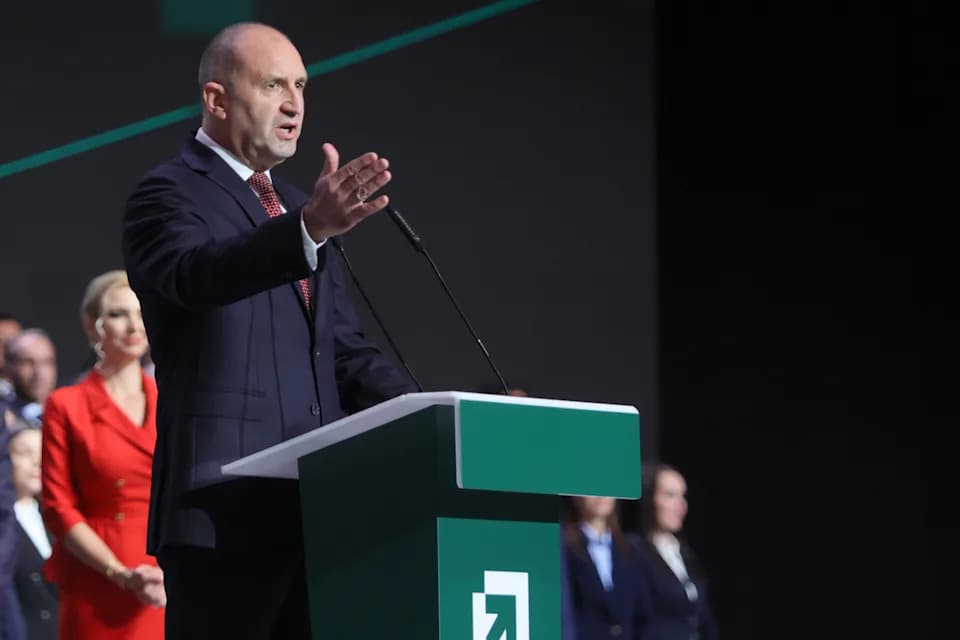
Former Bulgarian President Rumen Radev delivers a speech at the closing rally of his campaign, in Sofia, Thursday, April 16, 2026, as Bulgaria heads into an early parliamentary election. (AP Photo/Valentina Petrova)(ASSOCIATED PRESS)
Sofia — Bulgarians are heading to a surprise early election that could elevate former president Rumen Radev to the post of prime minister. Radev, a popular ex‑fighter pilot who resigned the largely ceremonial presidency in January to run for office, leads the centre‑left Progressive Bulgaria coalition and is widely viewed as the front‑runner for the April 19 ballot.
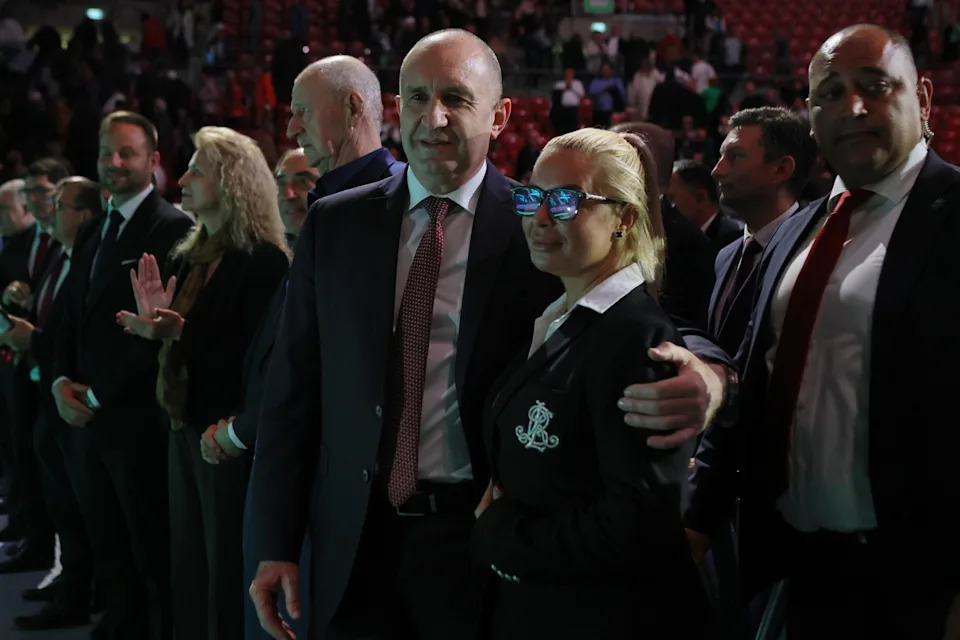
Former Bulgarian President Rumen Radev, center, poses with a supporter at the closing rally of his campaign, in Sofia, Thursday, April 16, 2026, as Bulgaria heads into an early parliamentary election. (AP Photo/Valentina Petrova)(ASSOCIATED PRESS)
Why Radev Is Leading
Polls place Radev’s coalition above 30%, roughly 10 percentage points ahead of the long‑time centre‑right leader Boyko Borissov and his GERB party. Supporters say Radev’s pledge to tackle oligarchic corruption is central to his appeal, while others are drawn to his more Eurosceptic tone and relatively conciliatory views toward Russia.

Supporters of former Bulgarian President Rumen Radev hold phone lights during the closing rally of his campaign in Sofia, Thursday, April 16, 2026, as Bulgaria heads into an early parliamentary election. (AP Photo/Valentina Petrova)(ASSOCIATED PRESS)
Political Context And Voter Mood
Sunday’s snap vote follows the resignation of a conservative‑led government after mass anti‑corruption protests in December 2025 that drew hundreds of thousands, mainly young people, into the streets. Bulgaria — a NATO and EU member with about 6.5 million people — recently joined the eurozone and the Schengen travel area, yet it has endured chronic political instability since 2021.
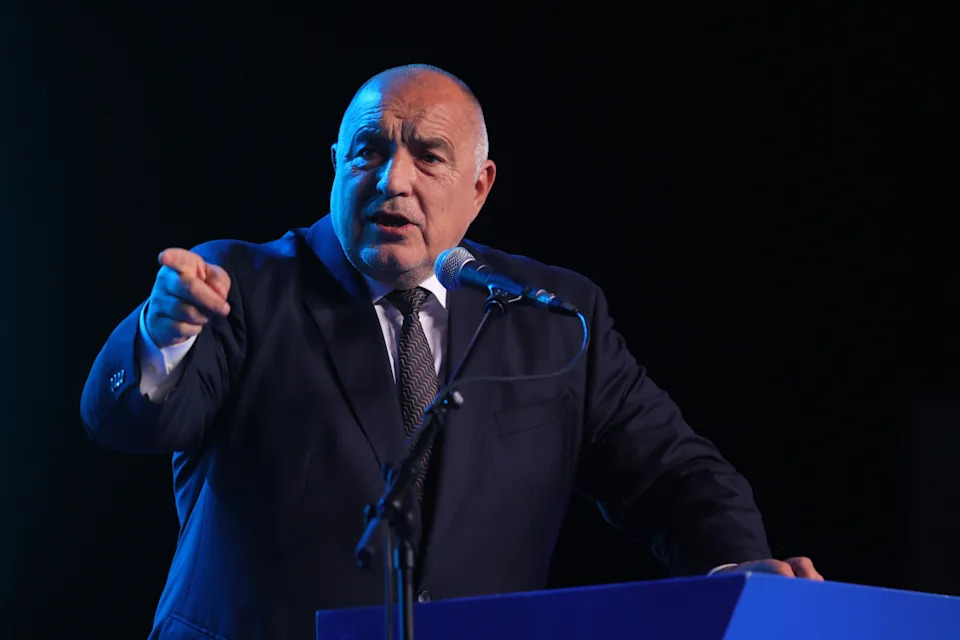
Former three-time conservative Prime Minister Boyko Borissov delivers a speech at the closing rally of his campaign, in Samokov, Bulgaria, Wednesday, April 15, 2026. (AP Photo/Valentina Petrova)(ASSOCIATED PRESS)
No government formed since 2021 has lasted more than a year; parliament has been pushed into seven inconclusive early elections over five years, contributing to public distrust of institutions and depressed turnout. This time authorities expect higher participation: polls project turnout to climb from recent averages of about 35% to more than 50%, helped by a new political entrant and by an interim government effort to boost confidence in the vote through police raids and anti‑vote‑buying actions.
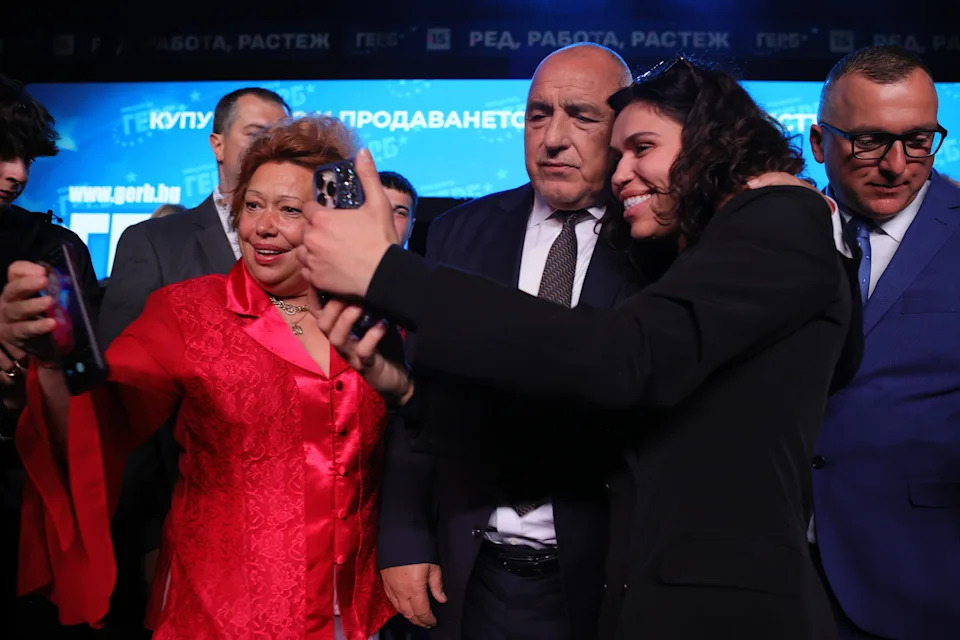
Former three-time conservative Prime Minister Boyko Borissov poses for selfies with supporters at the closing rally of his campaign, in Samokov, Wednesday, April 15, 2026, as Bulgaria heads into an early parliamentary election. (AP Photo/Valentina Petrova)(ASSOCIATED PRESS)
Coalition Prospects And Foreign Policy Tensions
Even if Radev finishes first, he will need partners to build a stable government. He has ruled out alliances with GERB and with the Movement for Rights and Freedoms (MRF), whose leader Delyan Peevski has been sanctioned for corruption by the United States and Britain. A possible domestic reform partner is the pro‑Western bloc We Continue the Change, which polls suggest could finish third with roughly 12%–14% support.
Foreign policy presents a major fault line. Although Radev has publicly condemned Russia’s invasion of Ukraine, he has opposed sending military aid to Kyiv and has advocated reopening talks with Moscow — positions that could complicate cooperation with pro‑Western parties and alarm Western allies. Last month, Bulgaria sought help from the EU diplomatic service to counter what experts say are active Russian influence networks targeting public opinion through social media and propaganda websites.
Evelina Slavkova of the Trend research centre said Radev is unlikely to try to pull Bulgaria decisively into Russia’s orbit. She noted that NATO and EU membership, along with entry into the eurozone and Schengen Area, provide strong institutional anchors keeping Bulgaria aligned with Western institutions. She warned, however, that campaign ambiguity will need to give way to clear, definitive policy choices if Radev is to govern effectively.
What To Watch
- Final turnout figures and whether they surpass 50%.
- Whether Radev’s coalition achieves a plurality large enough to negotiate a stable coalition.
- How foreign policy disagreements — especially over military aid to Ukraine — shape post‑election bargaining.
Valentina Petrova in Sofia contributed to this report.
Help us improve.