Two new studies led by Nicole Lindsay examine how near-death experiences (NDEs) influence dreaming. Using the MADRE questionnaire and in-depth interviews, researchers found that people with NDEs report higher dream recall, greater lucidity, more vivid and often more positive dreams, and occasional reports of apparent precognition or past-life content. Participants also described lasting shifts in identity and spirituality that dreams appeared to reinforce. The underlying mechanism remains unknown.
How Near-Death Experiences Reshape Dreams: New Studies Reveal Increased Recall, Lucidity and Vividness

Can a Near-Death Experience Alter Your Dreaming?Sergey Kuznetsov - Getty Images
Near-death experiences (NDEs) are profound, often transformative episodes reported by people who narrowly escape death. Two new studies led by Nicole Lindsay of Massey University probe how NDEs can leave lasting traces on people’s dream lives — from more frequent dream recall to heightened lucidity and strikingly vivid or positive dream content.
What the Researchers Did
The research team published two complementary papers. The first, appearing in the journal Dreaming, used the Mannheim Dream Questionnaire (MADRE) to compare dream patterns among three groups: 138 people who reported an NDE, 45 people who experienced a near-death event but did not report an NDE, and 129 control participants with no such experience. The second study, published in Psychology of Consciousness: Theory, Research, and Practice, is a qualitative follow-up that explores personal reports of how dreams changed after an NDE.
Key Findings
Across the quantitative and qualitative work, several consistent findings emerged:
- People who reported NDEs tended to have higher dream recall and more intense, vivid dreams than both comparison groups.
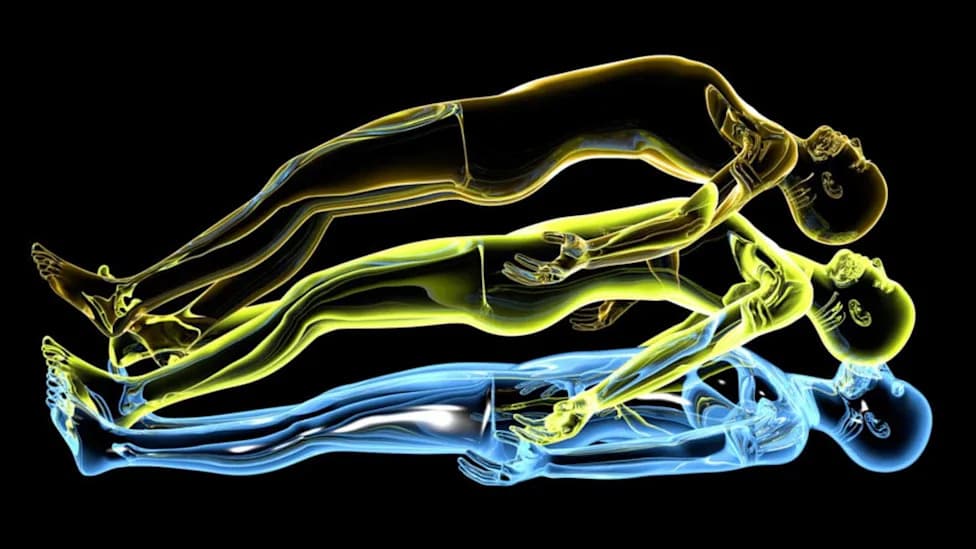
- Dreams after NDEs were often described as more positive in tone and more likely to contain lucid dreaming or out-of-body experiences during sleep.
- Some participants described extraordinary dream phenomena, including experiences they interpreted as past-life dreams or occasional precognitive impressions.
- Many participants reported that the boundary between waking and dreaming felt more porous after their NDE, and that dream states reinforced broader shifts in identity, spirituality and perceptions of reality.
"Near-death experiences provide insight into how consciousness operates under extreme conditions," Lindsay told PsyPost. "These events — and the dream changes that often follow — may reveal ways our subjective experience persists and reshapes itself after profound trauma."
Personal Accounts
The qualitative interviews give texture to the numbers. One participant, identified as Basil, said he moved from remembering a dream once every week or two to recalling dreams almost every night after his NDE. Others described a striking increase in dream clarity and a lasting sense that their dream life continued aspects of the NDE’s altered state of consciousness.
Open Questions
Despite these compelling associations, the researchers were not able to identify a specific biological or psychological mechanism that explains why dreams change after an NDE. The results raise intriguing hypotheses — for example, that NDEs alter memory consolidation, emotional salience, or attentional processes tied to dreaming — but further work is needed to test these ideas.
Overall, these studies strengthen evidence that near-death experiences can produce long-term changes in subjective consciousness, with dreams serving as a salient domain where those changes are expressed and explored.
Help us improve.