Science can document near-death experiences, surprising bursts of organized brain activity during dying, and rare episodes of terminal lucidity, but it cannot directly observe awareness after irreversible brain death. Large studies such as AWARE II and multiple reviews report vivid survivor accounts and intriguing neural signals, yet all studied patients were resuscitated, not irreversibly dead. Possible neurological mechanisms (hypoxia, neurotransmitter shifts, electrical abnormalities, memory formation) can explain many observations, so the afterlife question remains unresolved.
Is There an Afterlife? What Science Can — and Can't — Prove About Consciousness Near Death
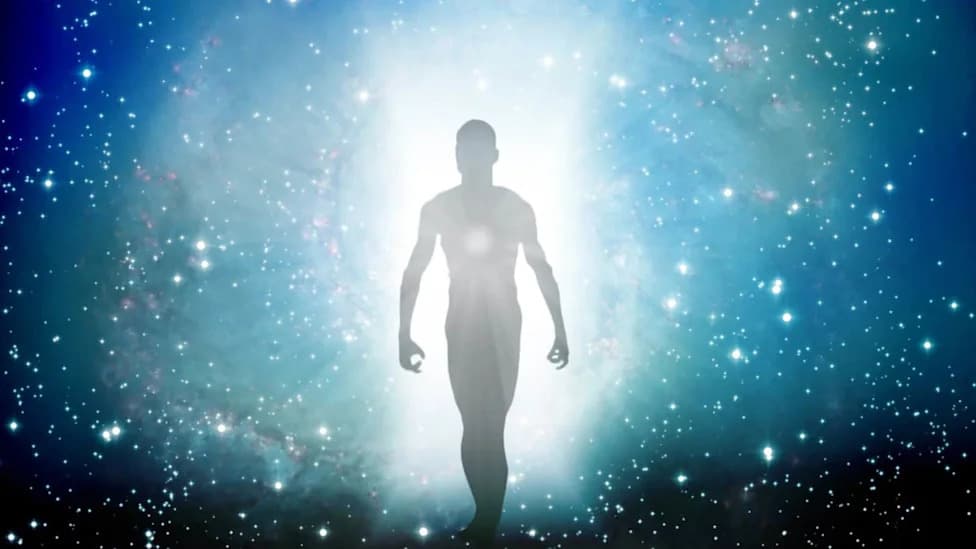
Human Figure Emerges from Light
The question of what happens after death sits at the limits of scientific inquiry. Researchers can study dying brains, interview people who survive cardiac arrest, and examine unusual experiences near death — but they cannot directly observe what, if anything, occurs after irreversible brain death. That distinction is crucial to interpreting the evidence.
What Near-Death Experiences Tell Us
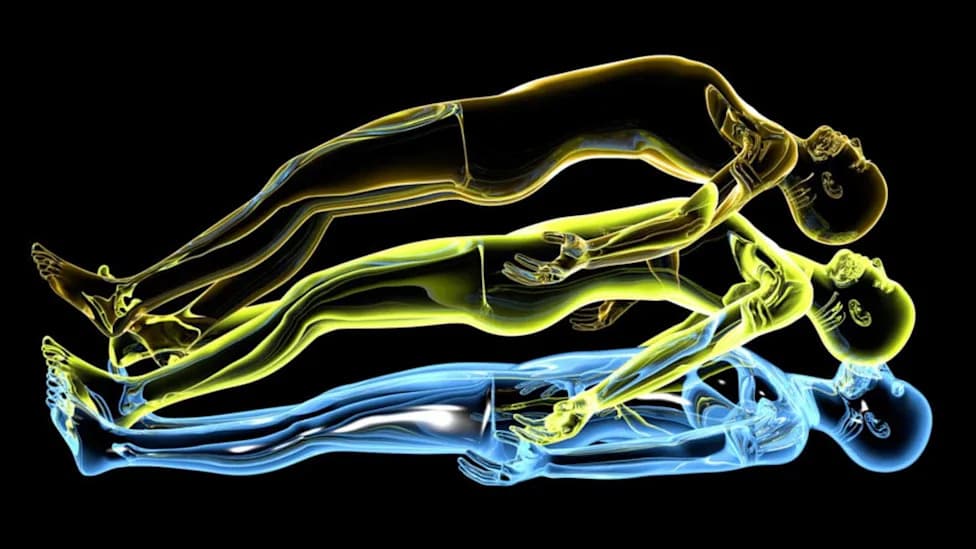
Near-death experiences (NDEs) have been documented for decades. People revived after cardiac arrest sometimes report vivid memories, a sensation of leaving the body, meetings with deceased relatives, or an overwhelming sense of peace. These reports are real experiences for those who have them and can profoundly reshape beliefs about life and death.
However, the existence and vividness of these experiences do not prove that consciousness continues independently of the brain. A 2024 review of 11 interview-based studies found that between about 6% and 39% of cardiac arrest survivors reported NDEs, a wide range that depends on how researchers asked questions and defined the phenomenon.
The AWARE II Project: Large-Scale, but Limited
The AWARE II study is one of the largest efforts to probe consciousness during cardiac arrest. It followed 567 in-hospital cardiac arrests: 53 patients survived, 28 completed interviews, and 11 reported memories or perceptions that investigators judged potentially suggestive of conscious experience. In some patients, EEG showed electrical patterns associated with organized brain activity as late as 35–60 minutes into CPR despite severely reduced brain oxygen.
Yet AWARE II also highlights the challenge: investigators hid visual targets that could only be seen from an elevated vantage point and played auditory cues during resuscitation. None of the interviewed survivors identified the visual targets; one correctly identified an auditory stimulus. Importantly, all patients were receiving CPR and therefore retained some circulation — they had not crossed the threshold of irreversible brain death.
Organized Brain Activity at the End of Life
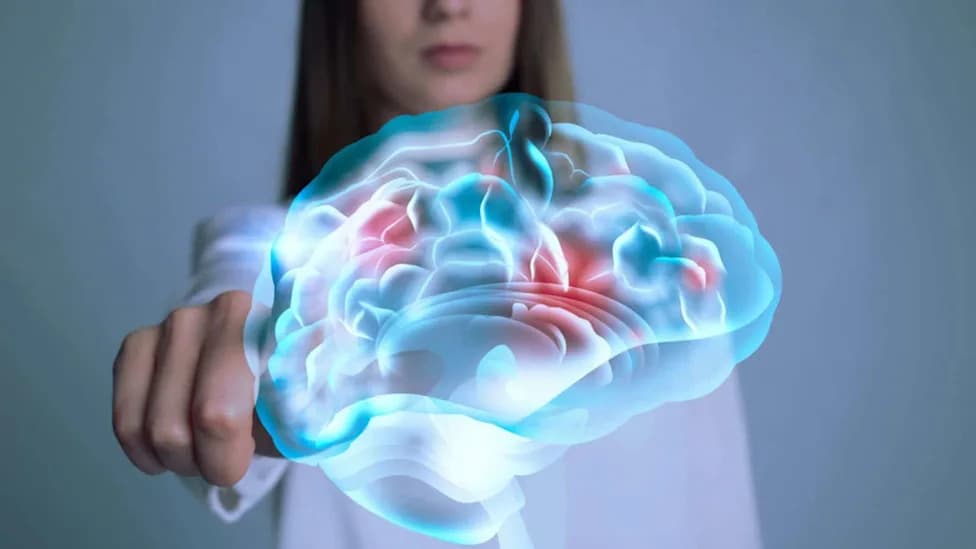
Newer studies have reported surprising bursts of organized electrical activity in dying patients. In one small study of four comatose patients, two showed surges in gamma-band activity after ventilatory support was withdrawn, along with increased connectivity between brain regions associated with conscious processing.

Photo Credit: Deposit Photos
Gamma oscillations are linked to attention, perception, and memory under normal conditions, which raises intriguing questions about possible subjective states. But these particular patients did not survive, so no subjective reports could be matched to the brain signals. The activity might represent a last coordinated response of a stressed brain, a transient altered state, or purely physiological processes without meaningful awareness.
Terminal (Paradoxical) Lucidity
Clinicians and families sometimes report sudden, unexpected clarity in people with severe dementia or neurological injury shortly before death — a phenomenon called terminal or paradoxical lucidity. Reviews document episodes across Alzheimer’s disease, tumors, strokes, and other conditions, where patients briefly regain memory or communication.
But evidence for terminal lucidity remains limited to case reports, caregiver accounts, qualitative studies, and theoretical discussion; controlled experimental data are lacking. The phenomenon is scientifically interesting because it suggests we may not fully understand the conditions under which some cognitive functions can transiently reemerge, but it does not, on its own, show that mind and brain are separate.
Why Science Cannot Prove an Afterlife (Yet)
Key limitation: Science requires observable, repeatable evidence. Every person who reports an NDE was resuscitated, so none experienced irreversible biological death that could be examined and then verified.
To establish that consciousness survives bodily death, researchers would need reliable, reproducible evidence that awareness continues after brain function has irreversibly ended — and a method to obtain verifiable information from that state. They would also need to rule out all plausible neurological explanations, such as hypoxia, neurotransmitter fluctuations, abnormal electrical activity, memory reconstruction, or dreamlike states during recovery.
Bottom Line
Scientific research has broadened and complicated our understanding of consciousness near death: vivid subjective reports, organized brain activity late in resuscitation, and rare episodes of terminal lucidity are all documented. But none of these findings provides verified evidence that consciousness persists independently after irreversible brain death. The question of an afterlife therefore remains philosophical and personal as well as scientific.
Takeaway: Science can investigate experiences associated with dying but faces a fundamental barrier: it cannot directly test awareness after irreversible brain death. Current findings enrich our knowledge of the dying brain but do not prove or disprove an afterlife.
Question to readers: Which would you find more convincing as evidence of an afterlife — a verified perception that could not have been obtained through the senses, or reliable proof that consciousness continues after measurable brain activity has completely stopped?
Help us improve.