The Inflation Reduction Act (2022) required creation of IRS Direct File, a free tax-filing option that launched in 2024 and served millions during a one-year pilot. After the 2024 election, the Trump administration ended the program following pressure from commercial tax-preparation industry lobbyists. Critics say roughly 100 million households may now unnecessarily pay for filing, and note the Direct File source code remains publicly available. The program’s termination is central to broader debates about affordability and corporate influence.
As Tax Day Nears, Ending IRS Direct File Raises Costs and Questions About Corporate Influence
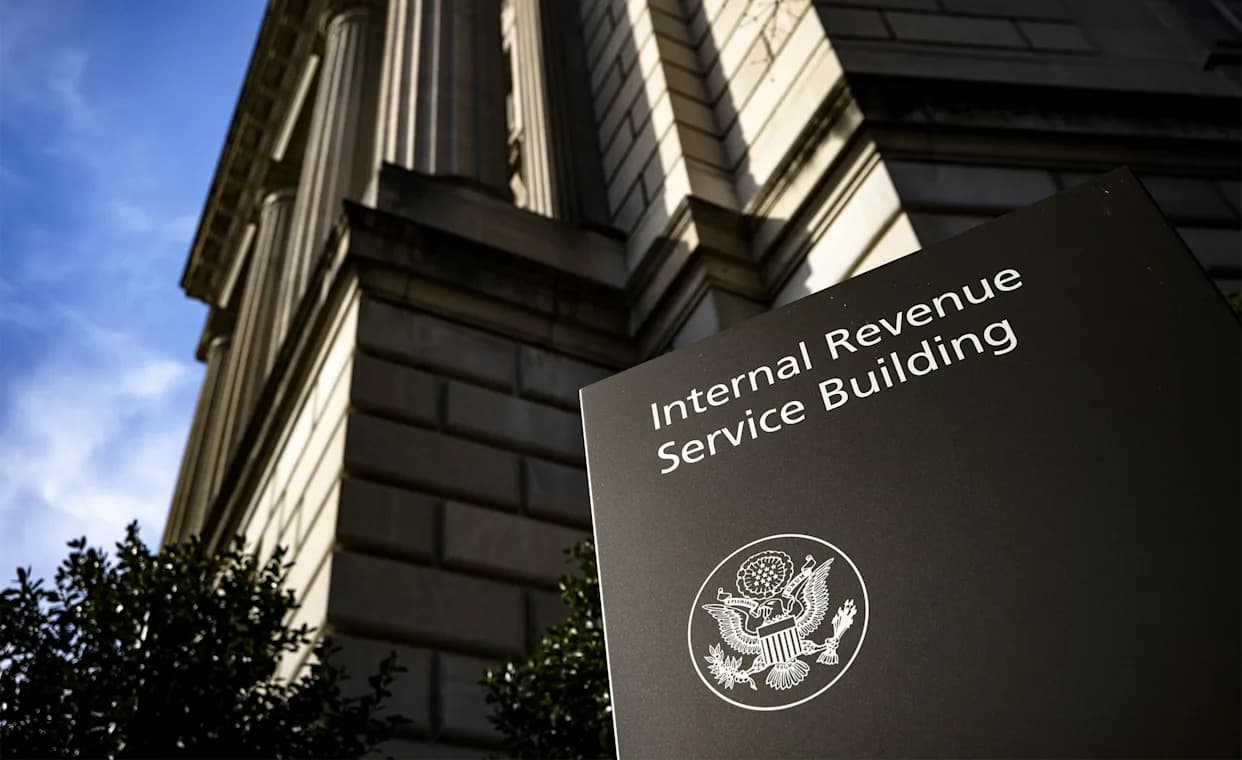
Signage outside IRS headquarters in Washington.(Samuel Corum / Bloomberg via Getty Images)
When Congress and the Biden administration enacted the Inflation Reduction Act in 2022, the law directed the Treasury Department to build an IRS Direct File system — a no-cost option for Americans to file simple tax returns, modeled after systems used in other countries.
The service launched in 2024 and quickly proved popular. That response was hardly surprising: taxpayers gravitate toward free, user-friendly options when faced with complicated government paperwork. In practice, the program demonstrated that the federal government can deliver a straightforward service that eases a common civic burden.
One-Year Pilot, Then a Sudden Reversal
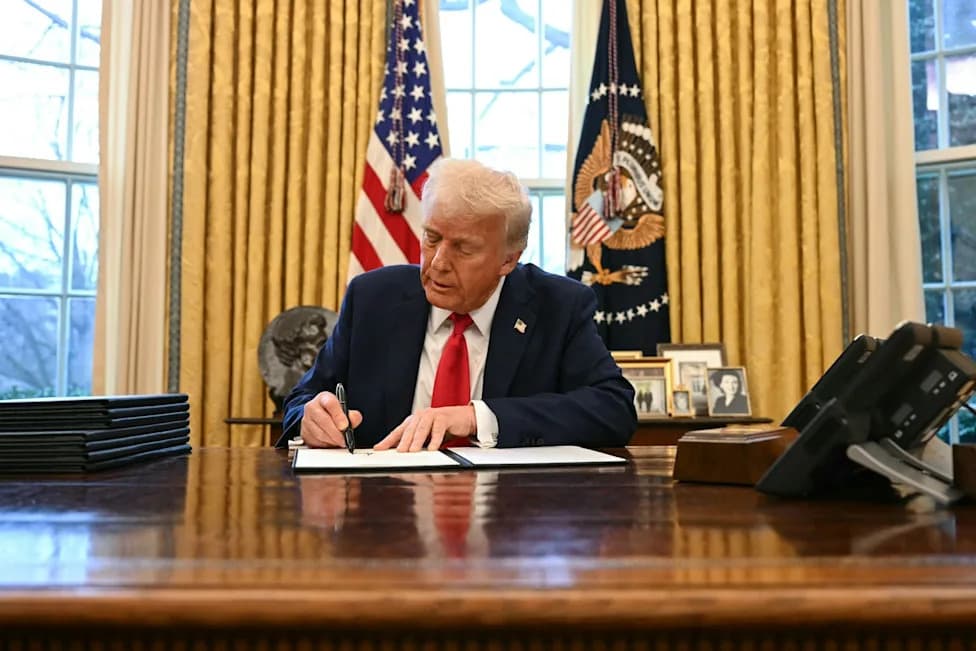
The program ran as a one-year pilot and served millions of filers. But after the 2024 presidential election, industry lobbyists representing commercial tax-preparation firms urged the incoming Trump administration to reverse the initiative. Republican officials moved swiftly, and the administration announced the termination of Direct File following the pilot.
New York Times columnist Binyamin Appelbaum lamented the program’s avoidable demise, arguing that ending Direct File was a loss for ordinary taxpayers and for a simple, commonsense public service.
Who Pays the Price?
Critics — including Appelbaum and Rep. Don Beyer (D-Va.) — say roughly 100 million households now may continue to pay for commercial tax-preparation services for routine returns, even though many of those filings could be handled by a free government alternative. Opponents describe the commercial tax-prep industry as extracting fees for a service that, for basic returns, could be provided by the government at no cost.
“This is another corrupt decision by the Trump Administration to help corporate donors while raising costs and making life more difficult for the American people,” Rep. Don Beyer said when the program was officially terminated.
Politics, Public Interest, and the Code
Appelbaum also noted that the Direct File source code remains available in an online repository. His point: the technology exists and could be redeployed, but what’s missing is the political will to prioritize a free public option over private profit.
This debate unfolds against a broader national conversation about affordability, inflation and the pressures families face in covering everyday expenses. While no single policy can instantly solve the cost-of-living crisis, proponents argue that small, practical steps — like offering free basic tax filing — can make a tangible difference for millions of households.
The facts are straightforward: Direct File was authorized by the 2022 law, launched in 2024 as a pilot serving millions, its software remains publicly accessible, and it was discontinued by the subsequent administration. As Tax Day arrives, that policy choice has concrete implications for taxpayers and for the larger debate over how government balances public service with private-sector influence.
Help us improve.