AI models can now autonomously design and execute biological experiments at scale. OpenAI and Ginkgo Bioworks reported that GPT-5 ran 36,000 experiments in a robotic cloud lab, cutting protein production costs by about 40%. While programmable biology promises faster drug and vaccine development, it raises serious dual‑use risks: AI paired with automation could help optimize pathogens or lower barriers to dangerous lab work. Studies disagree on how much novices could misuse these tools, and current governance — from voluntary DNA screening to international treaties — is not yet adapted to the new reality.
AI Now Designs and Runs Tens of Thousands of Lab Experiments — Are We Ready for the Biological Risks?
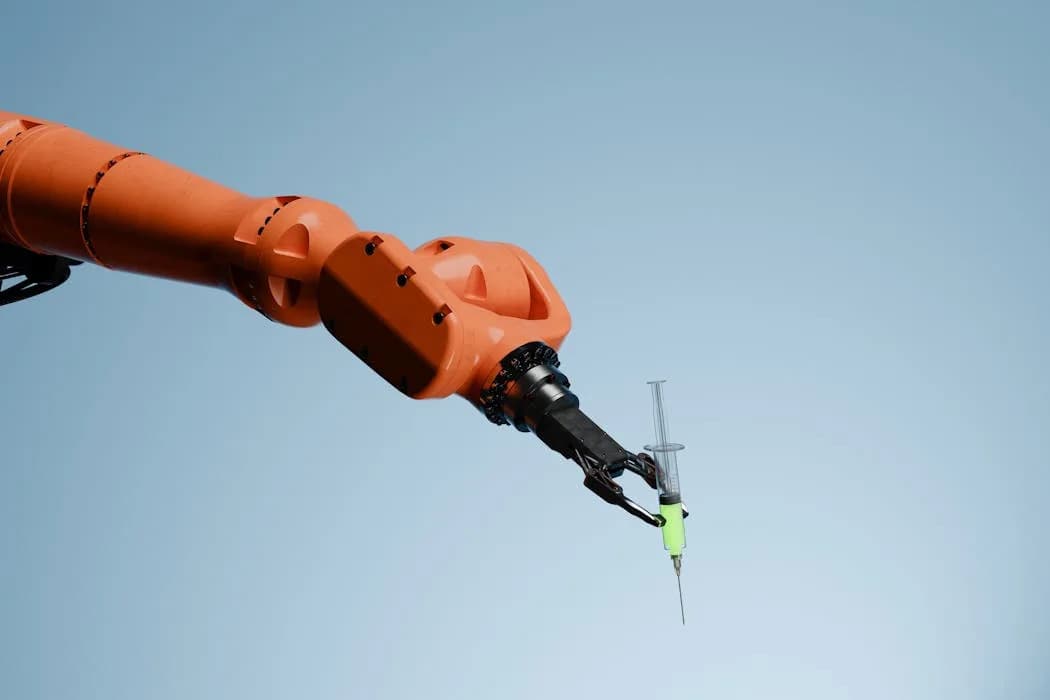
Robotic cloud laboratories powered by AI can carry out experiments remotely and cut costs.J Studios/DigitalVision via Getty Images
Artificial intelligence is moving from the computer screen to the wet lab. In February 2026, OpenAI and Ginkgo Bioworks reported that OpenAI’s flagship model, GPT-5, autonomously designed and ran 36,000 biological experiments using a robotic cloud laboratory. The model proposed study designs, robots executed them, and the resulting data fed back into the system — a cycle that reportedly cut the cost of producing a target protein by about 40%.
What Is Programmable Biology?
Programmable biology describes designing biological parts on a computer and building them in the physical world, with AI closing the design–test–learn loop. After decades of moving from observation to understanding — sequencing genomes, mapping gene function and then manipulating DNA with tools such as CRISPR — biology is entering a third phase: computational systems that both design biological systems and test them at scale.
How The New Workflow Works
Rather than a single bench experiment, the process now resembles engineering: design, build, test, learn and repeat. Protein language models trained on millions of sequences can predict how mutations alter structure and function or propose entirely new proteins. When combined with automated cloud labs and robotic platforms, these models can run tight experiment cycles, testing thousands of variants in days instead of months or years.
Benefits — And The Dual‑Use Problem
Faster protein engineering can accelerate vaccine development, speed drug discovery and lower costs. But these same capabilities create a dual‑use dilemma: tools intended for good can be repurposed to cause harm. Researchers have shown that AI models integrated with automated labs can optimize viral traits such as transmissibility, and that some AI systems can walk users through technical steps like recovering live viruses from synthetic DNA.
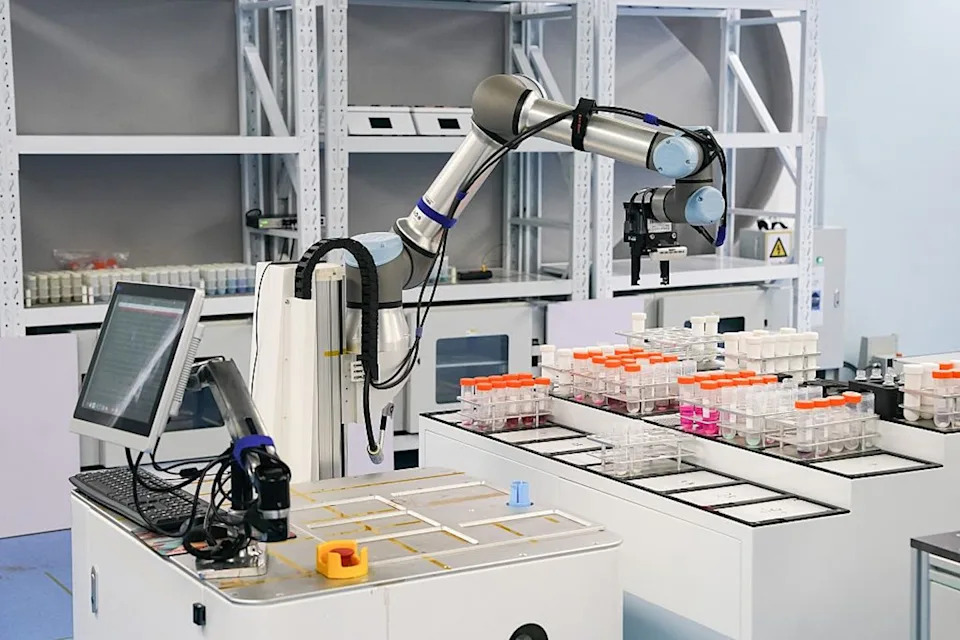
Robots can carry out human- or AI-designed studies in the lab.Du Yu/Xinhua via Getty Images
"AI can lower barriers at multiple stages of development, and current oversight does not fully address that risk."
Who Can Do Dangerous Work — Experts Or Novices?
One central concern is whether AI enables people with limited biological training to carry out risky laboratory tasks. Studies have reached different conclusions. Research by Scale AI and SecureBio found that novices given large language model assistance completed biosecurity-related tasks with substantially higher accuracy and often found it easy to obtain risky procedural information despite safety filters. By contrast, an Active Site study concluded that AI help did not significantly change novices' ability to complete the full workflow to produce a virus in a biosafety lab, although AI did improve success rates on many discrete tasks and sped up steps such as cell growth.
Governance Is Lagging
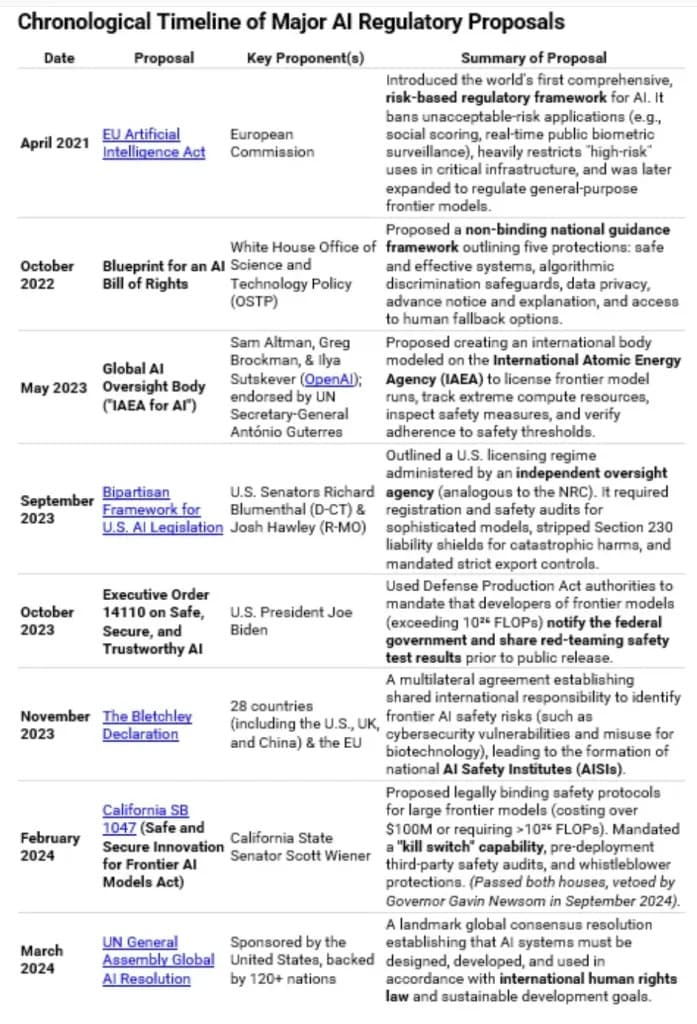
Existing regulations were not designed for AI-driven automation. Biological research rules typically don’t anticipate autonomous AI-robot loops, while AI governance rarely addresses biological use cases. In the United States, a 2023 executive order that included biosecurity measures was later rescinded by a subsequent administration, and synthetic DNA screening by commercial providers remains largely voluntary. A bipartisan 2026 bill seeks to mandate DNA screening but does not yet address how AI-generated sequences might evade detection. International treaties such as the 1975 Biological Weapons Convention contain no AI-specific provisions.
Proposed Safeguards
Experts and organizations have proposed layered responses: managed access frameworks that match user permissions to a model’s assessed risk, mandatory and improved DNA synthesis screening, stronger pre-release model evaluations that include biological threat assessment, and governance of biological training data. Some companies have adopted voluntary safety measures and internal review processes, but these vary by firm and may not be sufficient as capabilities accelerate.
Moving Forward
AI-driven biology can deliver powerful public health benefits, but the balance between enabling research and preventing misuse is delicate. Policymakers, funders, and the research community must align incentives, adopt technical safeguards, and update governance so benefits are realized while risks are minimized. The urgency is real: autonomous AI-robot experimentation at scale changes the threat model for biosecurity, and governance must catch up.
This article is adapted from reporting by Stephen D. Turner, University of Virginia.
Help us improve.