Researchers in Silent Valley National Park, Kerala, discovered a bilateral gynandromorph Vela carli crab with male traits on one side and female traits on the other. The specimen is the first reported gynandromorph in the freshwater crab family Gecarcinucidae and was identified by contrasting abdomens, reproductive structures, claws, and legs. Scientists believe early cell‑division errors and atypical hormone signaling may explain the condition; the find offers a rare natural experiment for studying sex determination and highlights the conservation value of Western Ghats habitats.
Half-Male, Half-Female Crab Found in India: Rare Gynandromorph Discovered in Silent Valley
Marine biologist analysing water test results and algea samples© AYA images/Shutterstock.com
Deep in the rain‑soaked forests of southern India, researchers exploring water‑filled tree hollows in Silent Valley National Park, Kerala, found an extraordinary freshwater crab split down the midline: one side exhibited male traits, the other female. The specimen belongs to Vela carli, a small tree‑hole–dwelling crab endemic to the Central Western Ghats.
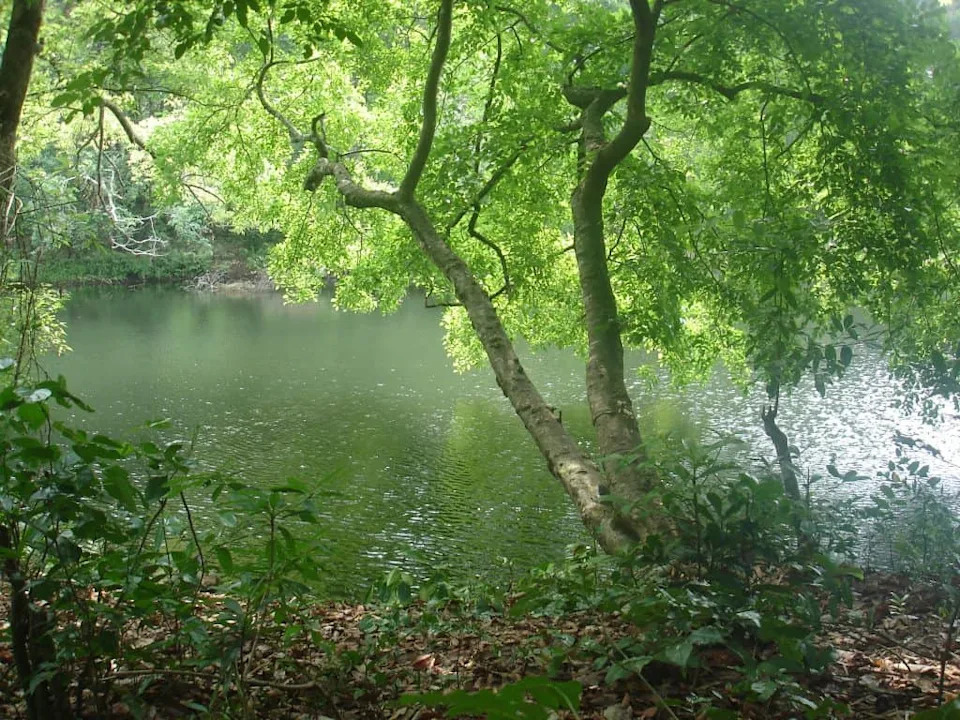
The new type of crab was discovered in Silent Valley National Park, India.©Athulpj1410, CC BY 4.0 , via Wikimedia Commons –Original/License(Athulpj1410, CC BY 4.0 , via Wikimedia Commons)
What the Researchers Found
Scientists from MES Mampad College and the Zoological Survey of India documented a bilateral gynandromorph — an animal with clearly divided left and right halves that display opposite sexual characteristics. The female‑type side showed a broad, rounded abdomen with a visible female gonopore, while the male‑type side had a narrower, tapered abdomen and male transfer organs. Even the chelae (claws) differed: one was thicker and more robust, like a typical male claw, while the other was slimmer and more like a female’s. Minor differences in leg shape and stoutness followed the same left‑right split.

In many species, like the northern cardinal, differences between males and females are striking.©iStock.com/Hongkun Wang(iStock.com/Hongkun Wang)
Gynandromorphy vs. Hermaphroditism
Gynandromorphy is a developmental mosaic in which distinct cell lineages express male or female identities in different body regions. This is not the same as hermaphroditism, where an individual has functional male and female reproductive organs within a unified body plan. Many gynandromorphs arise from early developmental errors and are often sterile; hermaphroditism is a normal reproductive strategy in some species (for example, many earthworms and some snails).
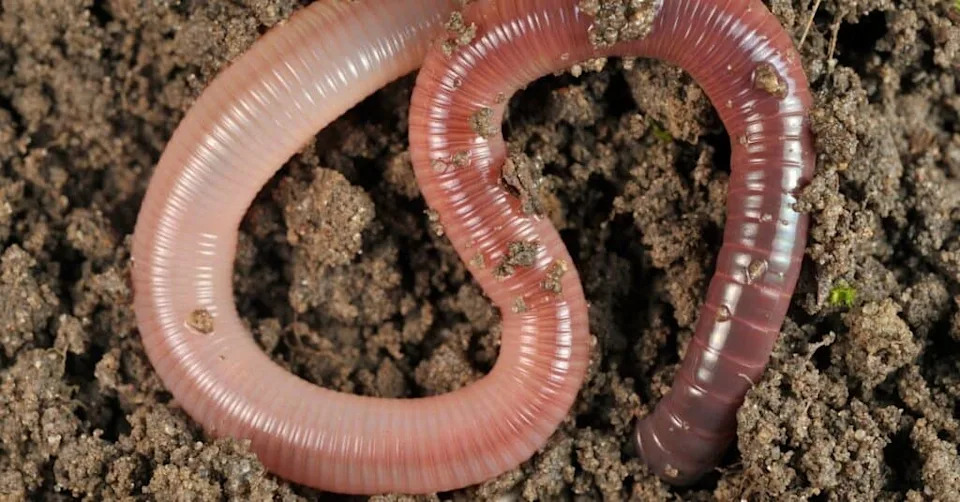
Earthworms are all hermaphrodites.©iStock.com/K-Kucharska_D-Kucharski(iStock.com/K-Kucharska_D-Kucharski)
How It Happens
Scientists propose several mechanisms. One classic explanation is an error during the embryo’s earliest cell divisions — for example, chromosomal missegregation — producing separate cell lineages with different sex chromosomes. Hormonal factors may also contribute: in crustaceans, hormones such as methyl farnesoate influence sex‑specific development, and atypical or intermediate hormone levels early in development can produce mixed or ambiguous traits. In Vela carli, researchers suspect a combination of genetic and hormonal disturbances during the first cell cycles, but the precise cause remains unconfirmed.
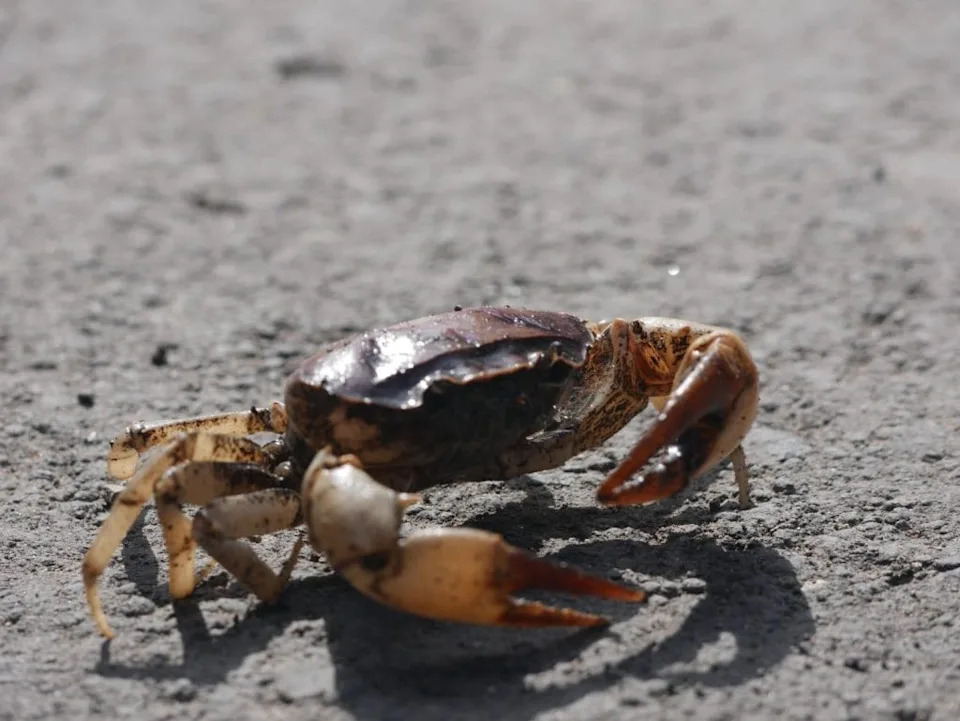
The newly discovered crab is a freshwater species similar in appearance to this one.©Ted Banias/Shutterstock.com(Ted Banias/Shutterstock.com)
Scientific and Conservation Significance
This specimen is notable for several reasons. It is one of only a handful of gynandromorphs recorded among thousands of Vela carli examined in the same habitat over many years, underscoring its rarity. Importantly, it represents the first reported case of gynandromorphy in the freshwater crab family Gecarcinucidae, making it a valuable natural experiment for studying how genetic programming and hormones interact to determine sexual traits.

Vela carlithrives in shallow forest pools, streams, and puddles.©Nicolas Vignot/Shutterstock.com(Nicolas Vignot/Shutterstock.com)
Gynandromorphs allow researchers to distinguish cell‑intrinsic genetic effects from systemic hormonal influences because the two halves of the body can behave differently even within the same hormonal environment. Past studies in birds and insects have shown that cells on the genetically male side retain male‑typical behavior despite exposure to the same hormones as the female side; similar insights may be gained in crustaceans by studying anatomy, gene expression, and hormone profiles in this crab.
Why It Matters for Conservation and Education
Finding this rare individual in Silent Valley highlights the value of protected habitats. The Western Ghats are a global biodiversity hotspot; moist evergreen forests with tree holes, streams, and leaf litter provide niches for specialized species that may be lost in disturbed landscapes. The striking image of a “half‑male, half‑female” crab offers an engaging way to teach genetics, development, and the difference between gynandromorphy and hermaphroditism — while reinforcing the need to conserve intact ecosystems.
By documenting the crab’s external anatomy and, in future studies, examining internal anatomy, genes, and hormone levels, researchers hope to clarify which developmental pathways were disrupted. This single, rare specimen can help illuminate general principles of sexual differentiation across animals and underscore how small, hidden creatures can reshape our understanding of biology.
Help us improve.