Scientists examining 371 yellow-bellied sea snakes off Costa Rica discovered tiny crabs clinging to the reptiles. DNA sequencing showed the crustaceans were megalopae of Grapsidae species — not members of the floating-crab genus Planes as initially expected. Researchers suggest larvae seeking a hard surface to settle may accidentally attach to sea snakes and be carried back into the open ocean, a likely dead end for many of the crabs.
Tiny Crabs Found Hitching Rides on Sea Snakes Off Costa Rica — DNA Reveals Unexpected Species
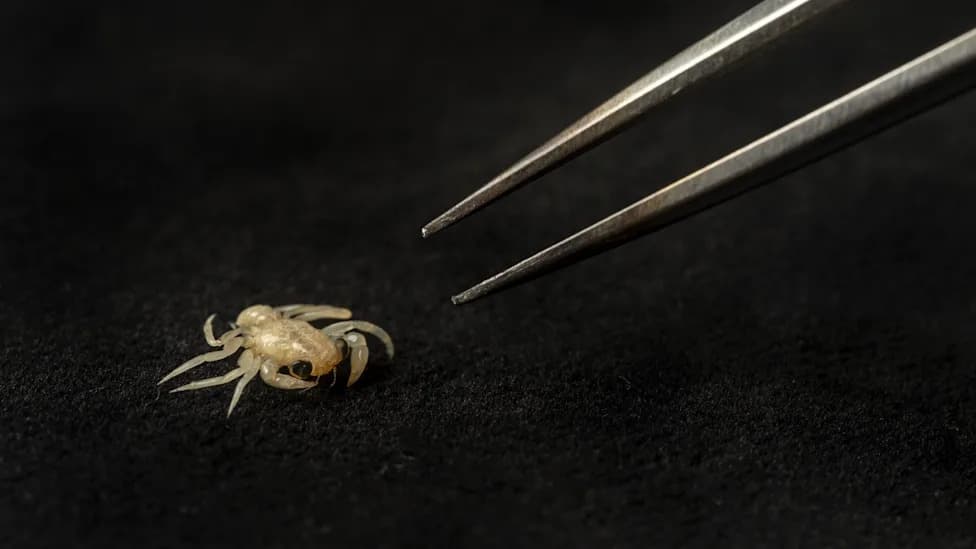
The specimens were technically megalopae, which is the life stage between larvae and adulthood.
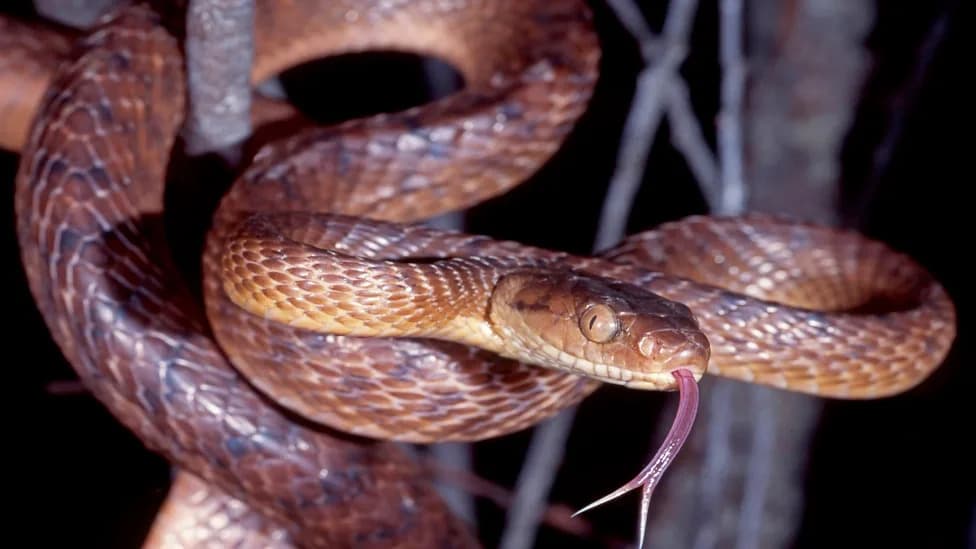
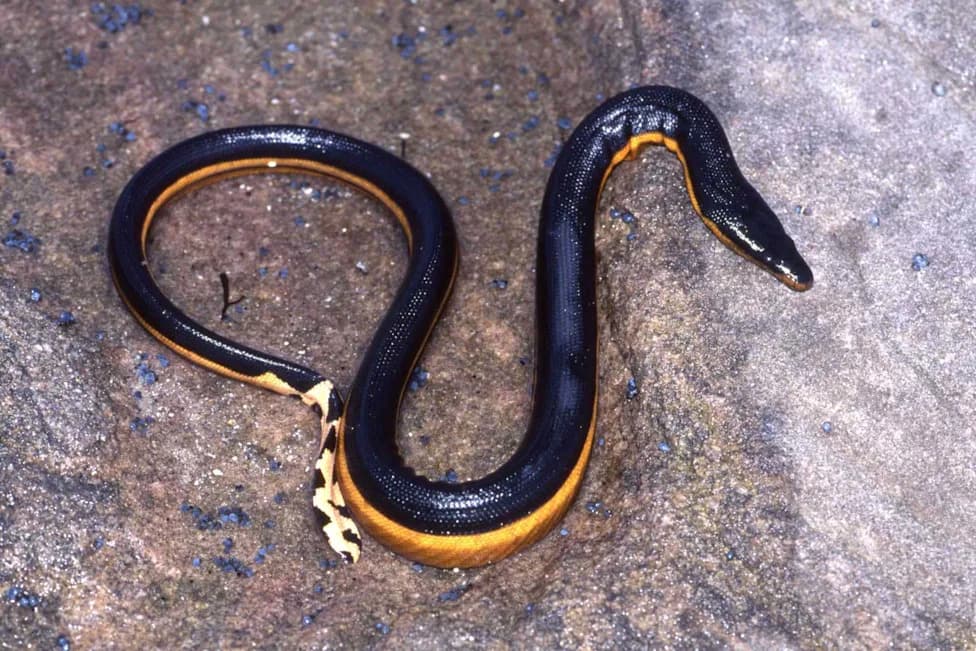
Researchers from the Florida Museum of Natural History have documented tiny crabs clinging to yellow-bellied sea snakes (Hydrophis platurus) collected off Costa Rica's Pacific coast. What at first looked like the familiar floating-crab genus Planes turned out, after DNA analysis, to be megalopae of other species in the family Grapsidae.
From a Curious Find to a Genetic Surprise
University of Florida marine herpetologist Joseph Pfaller first noticed a small crab in 2012 while examining shed sea-snake skin. Sea snakes regularly slough their outer epidermal layers, and Pfaller observed a crab fall from one specimen. Over the course of his fieldwork he amassed 371 yellow-bellied sea snakes and preserved numerous hitchhiking invertebrates — not just crabs but shrimp, snails, and even a clingfish.
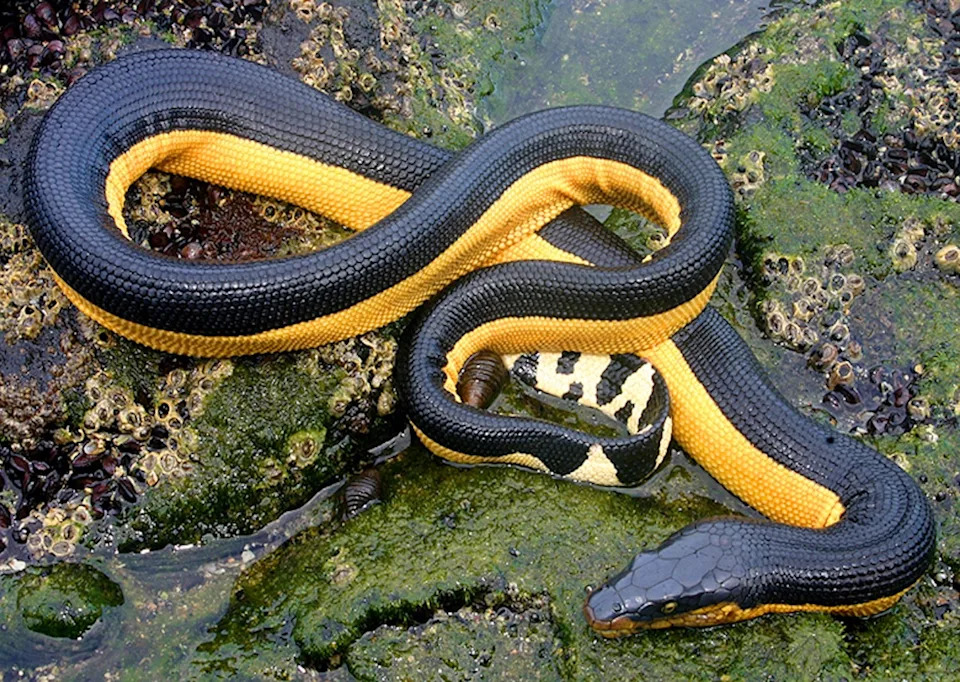
The yellow-bellied sea snake is studied more for its appearance and behavior than its passengers. Credit:Flaxington
Most of the crustaceans were not fully formed adults but megalopae, the transitional stage between larva and juvenile crab. The preserved specimens sat in the museum collection for about a decade until a conversation with University of Guam crustacean specialist Robert Lasley prompted genetic sequencing. Co-author Soma Elefánti performed the DNA work and confirmed the surprising result: none of the megalopae belonged to the genus Planes. Instead, they matched other Grapsidae species whose adults typically live on Costa Rica’s rocky shores and coastal vegetation.
How Did Land-Associated Crabs End Up at Sea?
The team proposes a simple ecological explanation. Most crabs — even species whose adults live on land — release larvae into the water. Larvae that survive to the megalopa stage instinctively seek a solid surface on which to settle. Those that reach coastal drift lines may encounter floating objects, including sea snakes, and climb aboard. If the snake is swept back into open water, the megalopa can be carried far from suitable habitat.
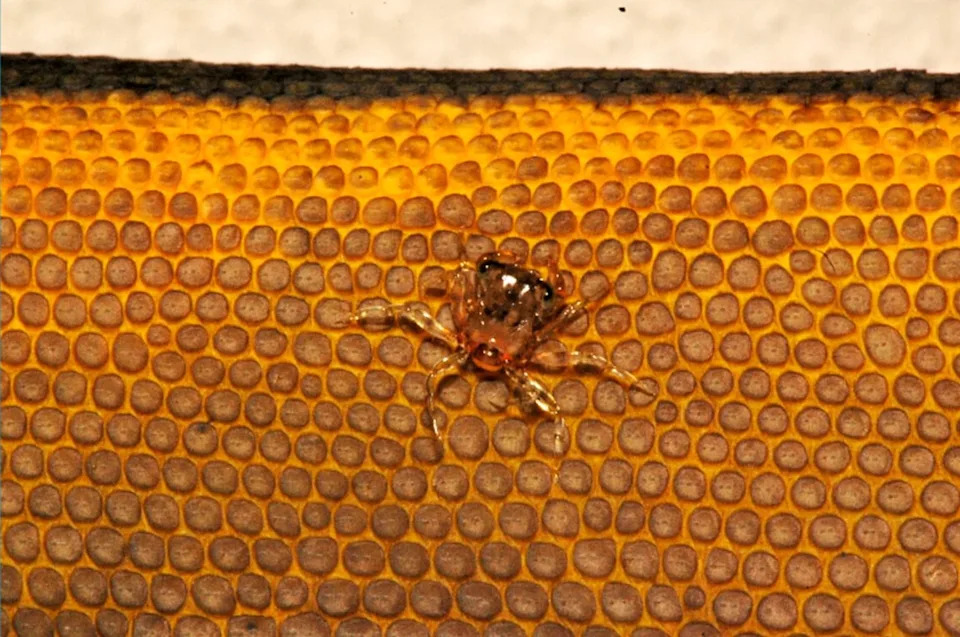
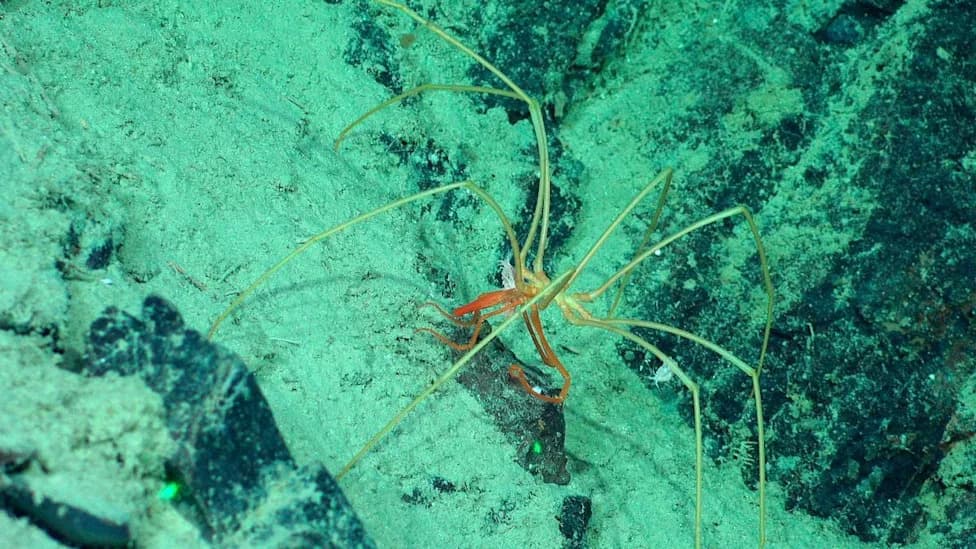
One of the crab megalopa found on a sea snake. Credit:Elefánti et al.(2026)
“The snakes are just there, and the crabs don't know the difference,” Pfaller said, summarizing the likely accidental nature of these associations.
By contrast, members of the genus Planes are evolutionarily adapted to life on floating hosts and are specialized to find and remain on oceanic flotsam and turtles. The Grapsidae relatives found on snakes appear to be making a costly mistake: those that never return to shore will not survive to reproduce, so natural selection should discourage the behavior over evolutionary time.
Why This Matters
This discovery expands our understanding of epibiont-host interactions in the open ocean and highlights how museum collections and careful reexamination can reveal surprising ecological links. It also underscores the complex life-history stages of crabs and the role chance encounters play in species dispersal and mortality.
Study source: Researchers published their findings in the journal Ecology and Evolution. Specimens and sequencing were analyzed by scientists at the Florida Museum of Natural History and collaborators.
Help us improve.