The reexamination of a coelacanth fossil from the Lower Cretaceous Gault Formation in the Natural History Museum, London, revealed a new species, Macropoma gombessae, and fills a 50-million-year gap in coelacanth evolution. Noninvasive CT scanning exposed internal anatomy that links Cretaceous relatives to modern coelacanths near the Comoros Islands. The find highlights how modern imaging transforms museum collections into active research resources.
Hidden for 150 Years: A Coelacanth Fossil Fills a 50-Million-Year Evolutionary Gap
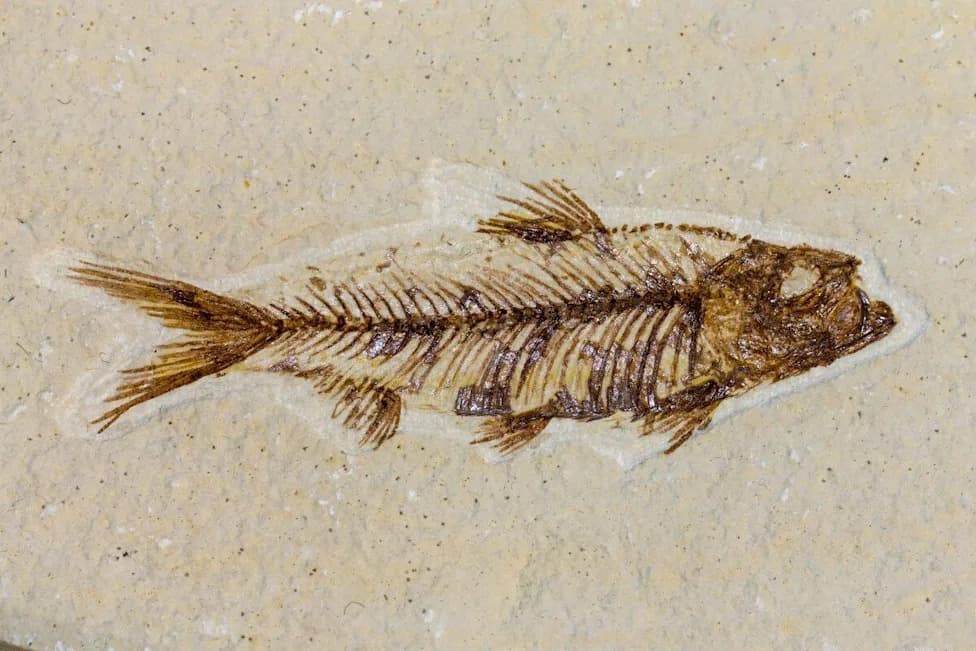
A Fish Hidden in a Museum Drawer for 150 Years Just Filled a 50-Million-Year Gap© gsaielli/ via Canva.com
For more than a century a single fossil sat unnoticed in a London museum drawer — until new imaging methods revealed it to be far more important than anyone suspected. The specimen, from the Lower Cretaceous Gault Formation, has been identified as a previously unrecognized coelacanth species now named Macropoma gombessae. Its discovery fills an unexpected 50-million-year gap in the coelacanth family tree and sheds new light on the lineage that includes living coelacanths near the Comoros Islands.
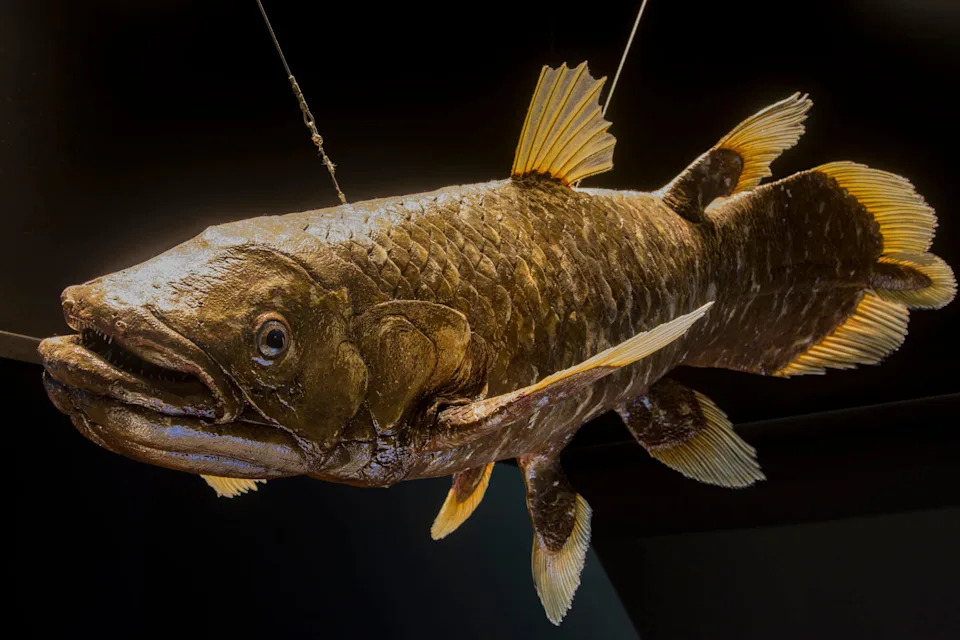
coelacanths
How the Fossil Was Rediscovered
The fossil is part of the Natural History Museum, London collection and had been catalogued for more than 150 years. Researchers reexamined the specimen using high-resolution photography and X-ray computed tomography (CT), which allowed them to visualize internal bone structure without cutting into the stone. These noninvasive digital methods revealed anatomical details that distinguish the specimen as a new species.
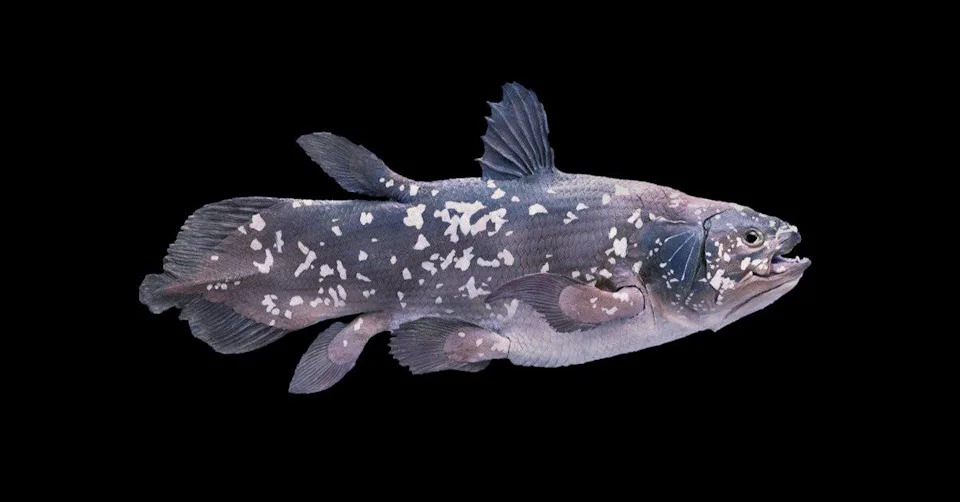
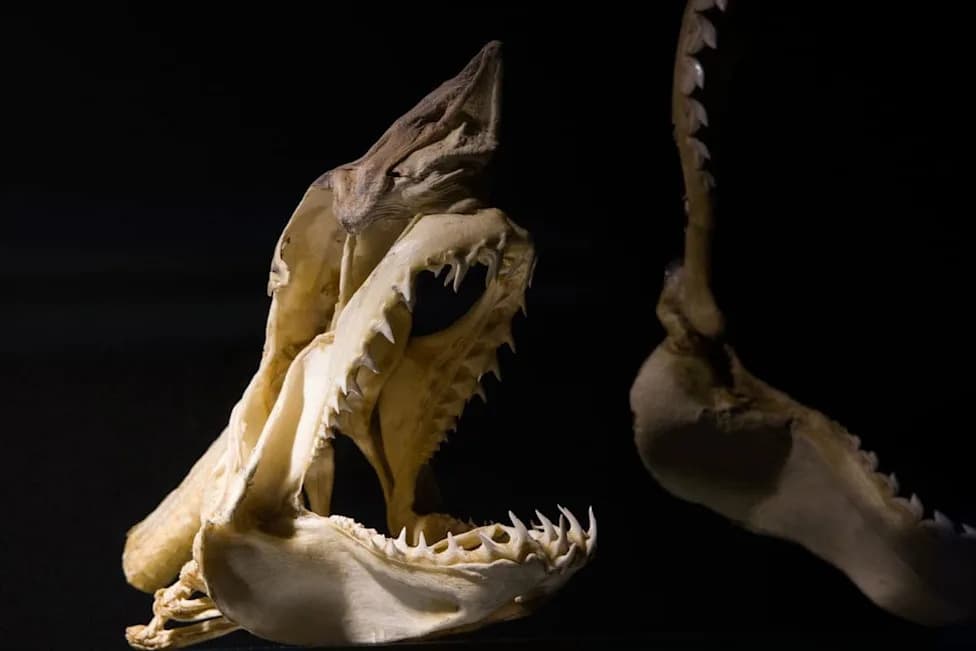
Coelacanth on black background
Why Macropoma gombessae Matters
Macropoma gombessae is now the oldest known member of its genus. The anatomical features revealed by CT imaging provide a morphological bridge between Cretaceous relatives and modern coelacanths, helping to explain how the group evolved over tens of millions of years. For evolutionary biologists, the fossil fills a major chronological and anatomical gap that had puzzled researchers for decades.
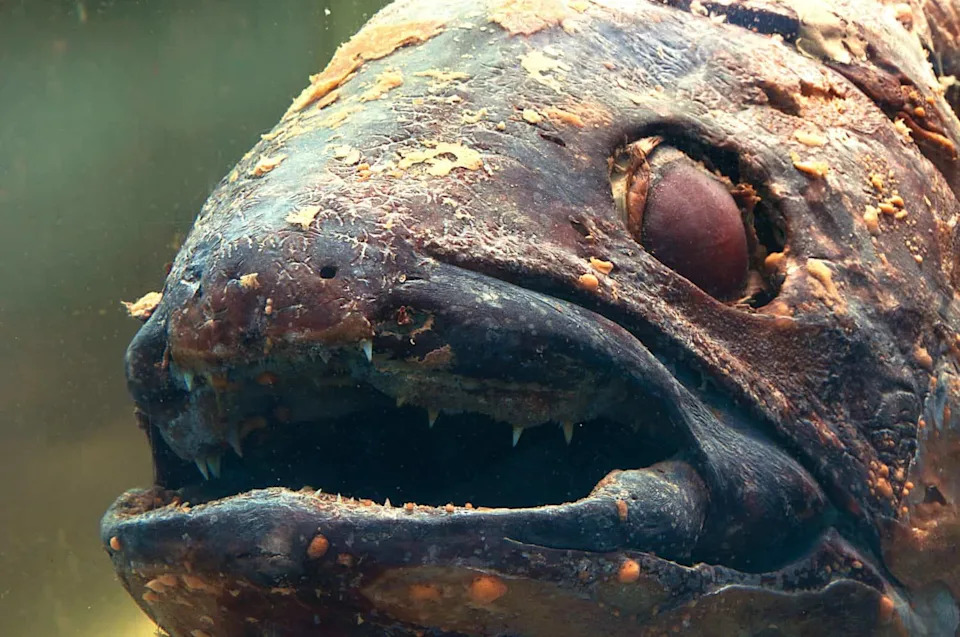
Latimeria or Coelacanth (Latimeria chalumnae Smith), A living fossil, the oldest known living lineage of Sarcopterygii (lobe-finned fish and tetrapods).
Local Name and Cultural Context
The species name gombessae pays tribute to the name "Gombessa," used by Malagasy and Comorian communities to describe coelacanths. The term—often translated as "inedible fish" or "worthless fish"—is an example of how cultural perceptions of an organism can differ dramatically from scientific value.
Technology Is Rewriting Museum Science
Digitally reconstructing fossils with CT scanning and high-resolution imaging is transforming natural history collections from static archives into active research resources. Museums now routinely revisit century-old specimens with modern tools, extracting new data while preserving the physical integrity of rare fossils.
From "Living Fossil" to a More Nuanced Story
Coelacanths were famously thought to have disappeared from the fossil record for tens of millions of years until a living specimen was caught off South Africa in 1938. That discovery upended assumptions about their extinction. The identification of Macropoma gombessae complicates the popular image of coelacanths as unchanged evolutionary relics: the new fossil documents subtle shifts and adaptations, suggesting a richer and more dynamic evolutionary history.
"Even fossils that have rested in museum drawers for generations can change our understanding of evolution when examined with modern tools," a lead researcher noted.
As scientists continue to mine museum collections with advanced imaging and fresh questions, more hidden discoveries like this one are likely to emerge, offering new windows into the deep history of life on Earth.
Help us improve.