South Texas is enduring its most severe drought in about 70 years, with below-average rainfall since 2019 and only 2021 above normal. The Edwards Aquifer has yet to recover, prompting a 44% pumping cut and Stage 5 restrictions on the Uvalde pool. Farmers face low commodity prices and rising input costs, leading some to sell water or abandon farming; USDA drought aid has been expanded while local buying and longer-term conservation measures are urged.
South Texas Faces Worst Drought in 70 Years as Farmers Sell Water, Quit Farming
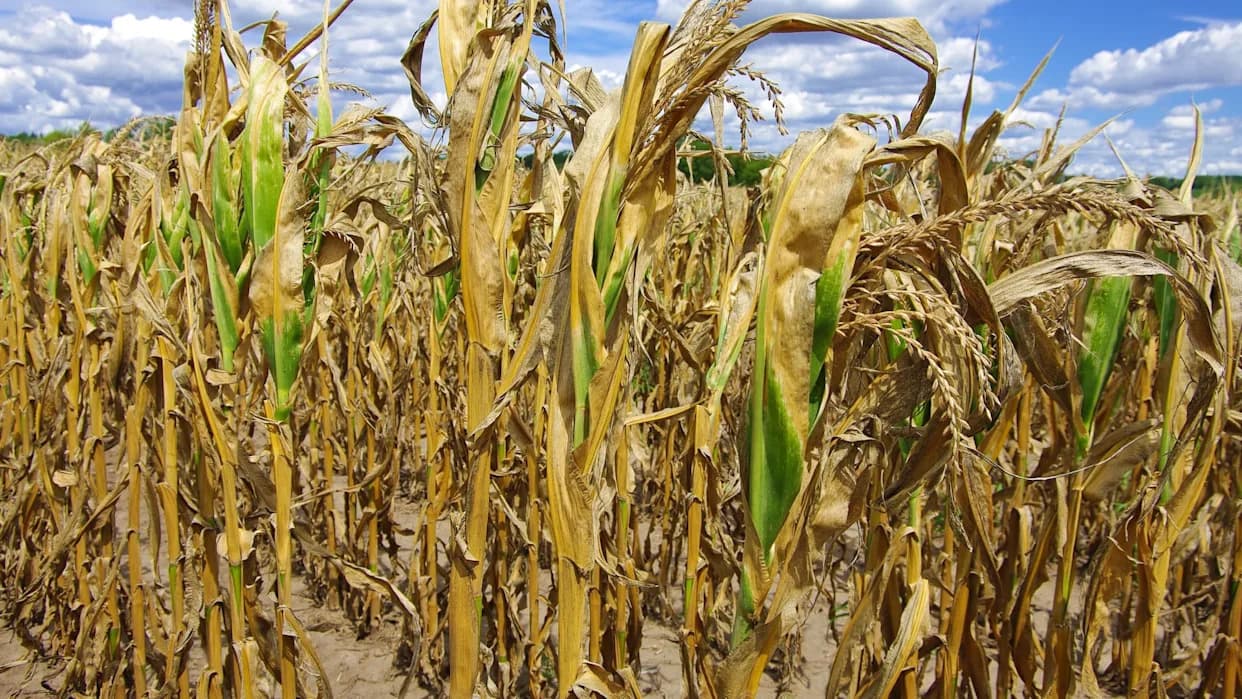
Photo Credit: iStock
South Texas is confronting a drought described by local producers as the worst in roughly seven decades, a prolonged dry spell that has dramatically reshaped life and livelihoods across the region.
Dry Years, Deepening Stress
Rainfall in much of South Texas has been well below average since 2019, with only 2021 recording above-normal precipitation during that period, KSAT 12 reported. The long-running deficit has left ranchers and row-crop growers struggling to maintain operations and manage mounting costs.
Water Cuts and Aquifer Strain
The Edwards Aquifer, a vital source of municipal and irrigation water across the region, has not rebounded from the sustained dry conditions. Regulators have ordered a 44% reduction in pumping across the aquifer, and the Uvalde pool is under the strictest Stage 5 restriction — sharply limiting water available to irrigators and putting added pressure on farms that depend on groundwater.
Economic Pressures on Farmers
At the same time, soft commodity prices and rising input costs are squeezing farm incomes. Local farmer Steve Cargil noted that cotton prices are lower than they were in the 1970s, while costs for seed, fertilizer and fuel have climbed — a combination that is eroding profit margins and changing the economic calculus of continuing to farm.
"It's hard to even have any hope sometimes," Cargil said, likening the current severity to the hardships of the 1950s.
Drastic Responses and Supply Concerns
Those twin pressures — scarce water and weak market returns — have driven some producers to take drastic steps, including selling portions of their already limited water allocations to stay afloat. Others say they are being forced to consider leaving agriculture entirely.
Farmers fear that lower local yields will redirect buyers toward imported produce. KSAT cited U.S. Department of Agriculture data showing an increasing presence of Mexican-grown vegetables in U.S. markets. Producers worry that growing reliance on imports could have implications for food security and local farm economies.
Nutrition, Economy and Broader Impacts
Researchers note an additional downside to longer supply chains: fresh produce loses nutrients the farther it travels from field to plate. The drought’s consequences extend beyond South Texas — extreme weather events, driven in part by a warming climate, have contributed to recent domestic and global crop losses, heightening food insecurity in affected communities.
Relief Efforts and What Can Help
The U.S. Department of Agriculture has expanded drought-assistance programs to offer temporary relief to producers facing reduced yields. Meanwhile, buying from local farmers' markets and CSA programs can help sustain struggling operations and keep food dollars in regional economies.
Longer-term responses will require coordinated policy and planning: investments in water conservation and storage, resilient cropping systems, and efforts to reduce greenhouse gas emissions that drive climate change. At the individual level, supporting local agriculture and backing policies that promote renewable energy and conservation can contribute to resilience.
For many producers, hope hinges on significant rainfall. "It's just a scary time to be farming right now," Cargil told KSAT 12, underscoring the human toll behind the statistics and policy discussions.
Help us improve.