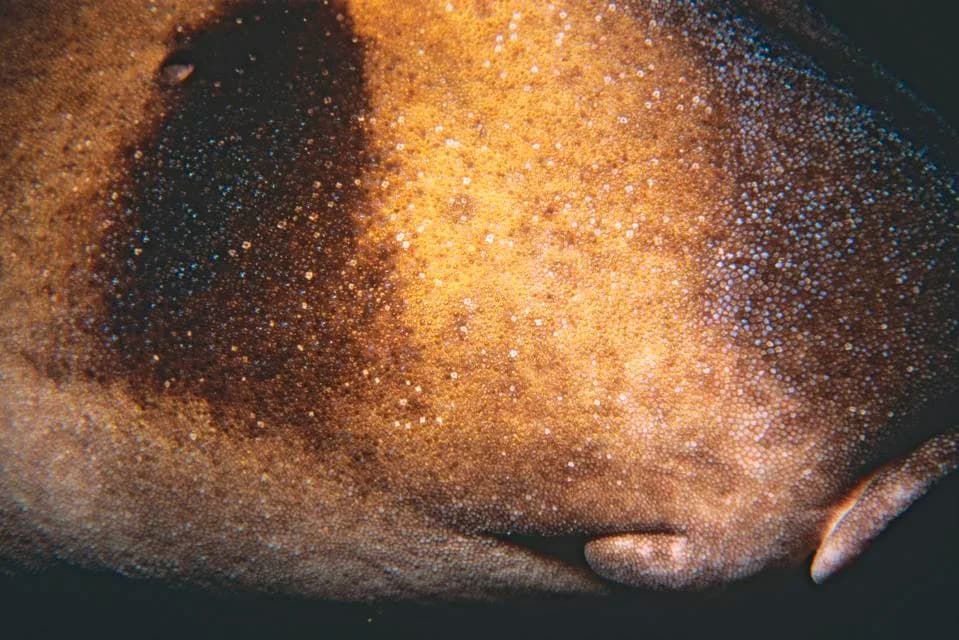
A May 2026 paper in Environmental Pollution found cocaine, caffeine, acetaminophen and diclofenac in the blood of 28 out of 85 sharks sampled around a remote area of the Bahamas. The study — "Drugs in Paradise" — reports the first global record of caffeine and acetaminophen in any shark species, and the first detection of diclofenac and cocaine in Bahamian sharks. Researchers link the contamination to rapid coastal development and complex local wastewater and warn that chronic exposure may alter shark biology and threaten population stability.
Cocaine, Caffeine and Painkillers Detected in Bahamian Sharks, New Study Warns
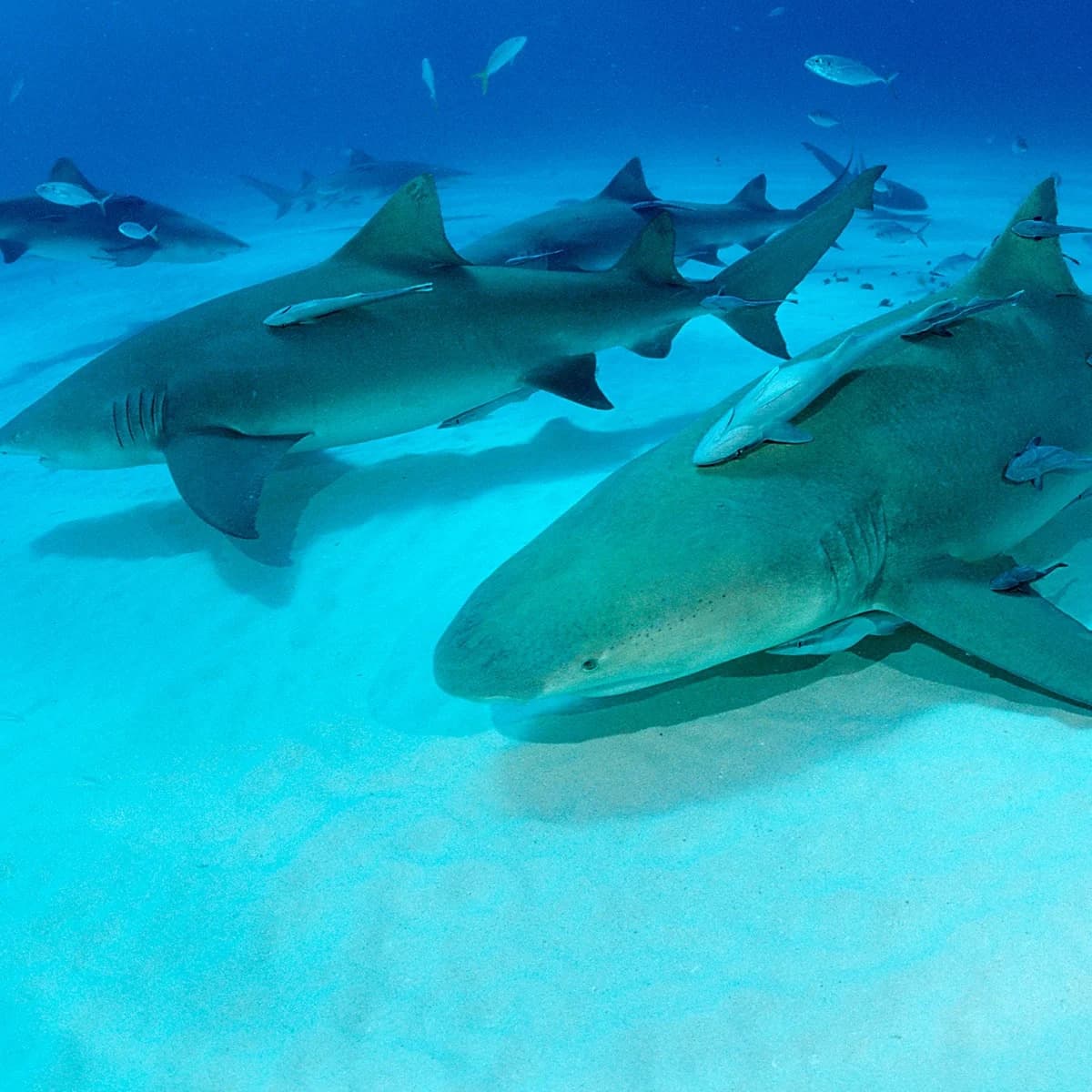
Bahamian Sharks Test Positive for Cocaine & Painkillers in New Study
Researchers report that sharks in waters around a remote area of the Bahamas have been found with traces of illicit drugs and common medications, raising concerns about coastal pollution and its effects on marine predators.
Study Details
The paper, titled "Drugs in Paradise," appears in the May 2026 issue of Environmental Pollution. Scientists sampled 85 sharks across five species and found that 28 individuals — including Caribbean reef sharks, nurse sharks and lemon sharks — carried detectable levels of cocaine, caffeine, acetaminophen (the active ingredient in Tylenol) and the anti-inflammatory diclofenac in their bloodstreams.
Why the Findings Matter
According to the authors, this is the first published record of caffeine and acetaminophen in any shark species worldwide and the first detection of diclofenac and cocaine in Bahamian sharks. The researchers say these detections are especially notable because the study area is often described as a relatively pristine marine environment.
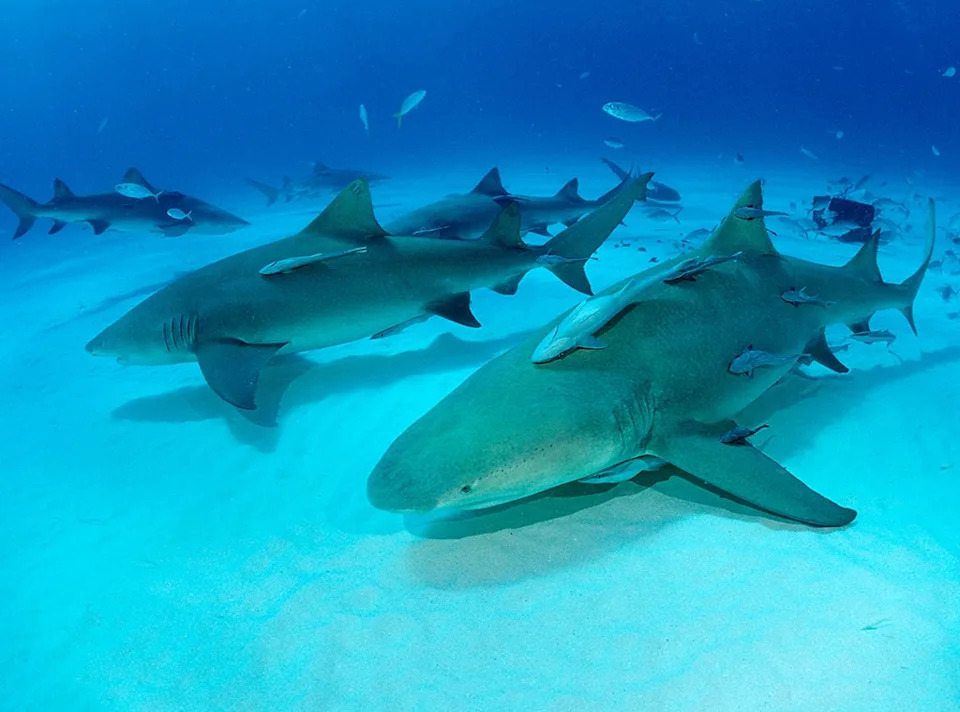
Reinhard Dirscherl/ullstein bild via Getty Images
The team links the contamination to rapid coastal development and tourism-driven growth — including increased rental properties and vacation homes — which can amplify the volume and chemical complexity of local wastewater entering nearshore habitats. Sharks’ long lifespans and frequent use of human-altered coastal areas likely increase their exposure.
Biological Signals and Uncertain Consequences
Blood samples from animals that tested positive also showed changes in biological markers that could affect behavior. While immediate harm has not been established, lead author Natascha Wosnick told CBS News that "chronic exposure" to pharmaceuticals and other compounds that have no natural analogues in marine systems could produce negative effects over time.
"While the detection of cocaine—an illicit substance—tends to draw immediate attention, the widespread presence of caffeine and pharmaceuticals in the blood of many analyzed sharks is equally alarming," Wosnick said. She emphasized that the researchers’ primary concern is the health and stability of shark populations, not an increase in aggression toward people.
The authors call for improved wastewater management, continued monitoring of coastal ecosystems and further research to determine how chronic exposure to these compounds may affect shark physiology, behavior and long-term population health.
Study: "Drugs in Paradise," Environmental Pollution, May 2026. Sampling: 85 sharks, five species; 28 individuals tested positive for one or more compounds.
Help us improve.