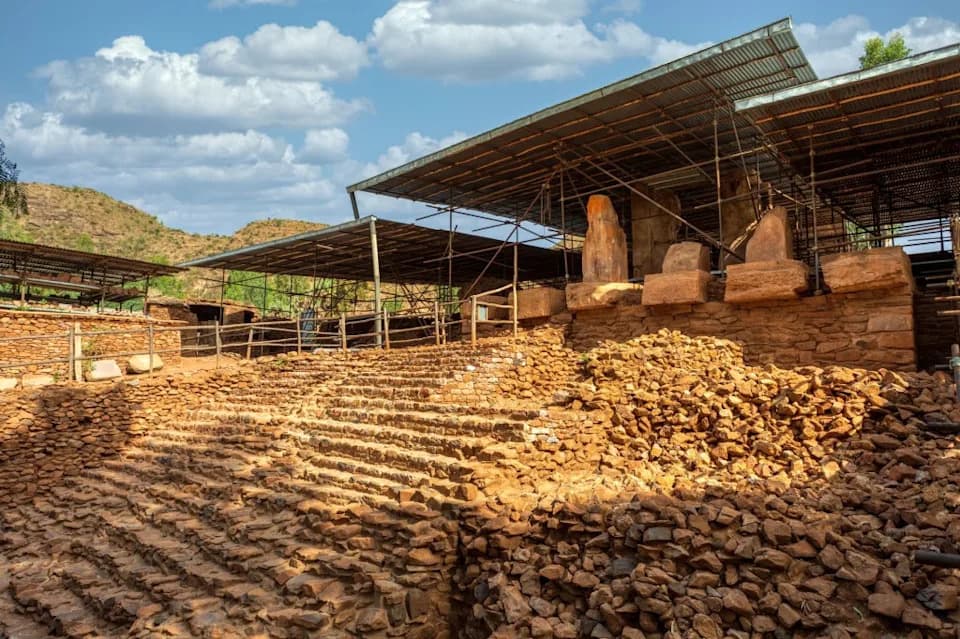
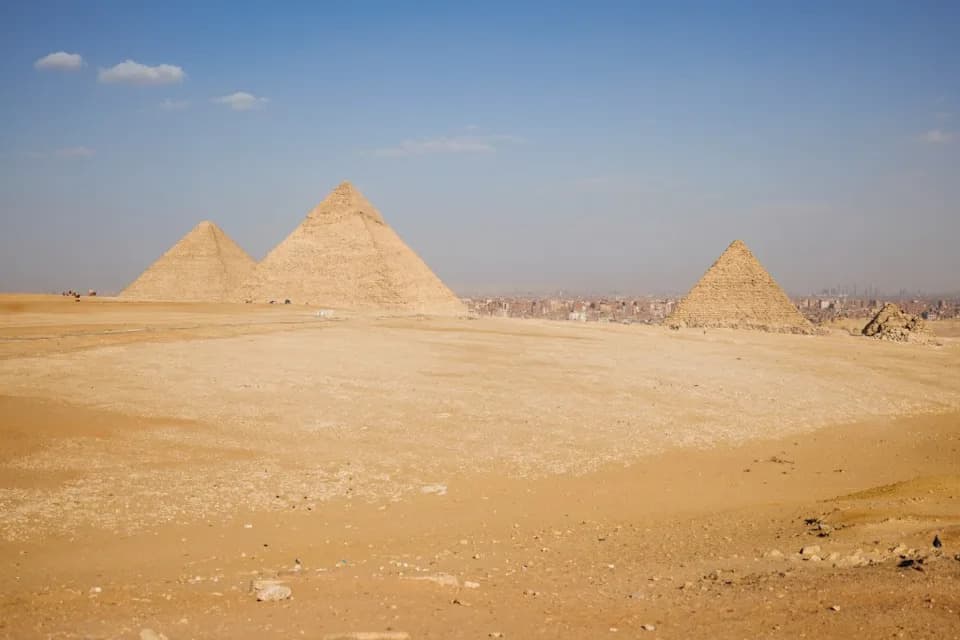
A 2024 study proposes that the 4,500-year-old Step Pyramid of Djoser may have been built using an internal hydraulic lift powered by a local water-control system. Researchers point to the Gisr el-Mudir enclosure as a possible check dam, a temporary reservoir, and rock-cut trench compartments that resemble settling and retention basins. If confirmed, the theory would revise timelines for advanced hydraulic engineering in ancient Egypt, but it requires further field verification and hydraulic modelling.
New Study Argues Djoser’s Step Pyramid May Have Used a 4,500-Year-Old Hydraulic Lift
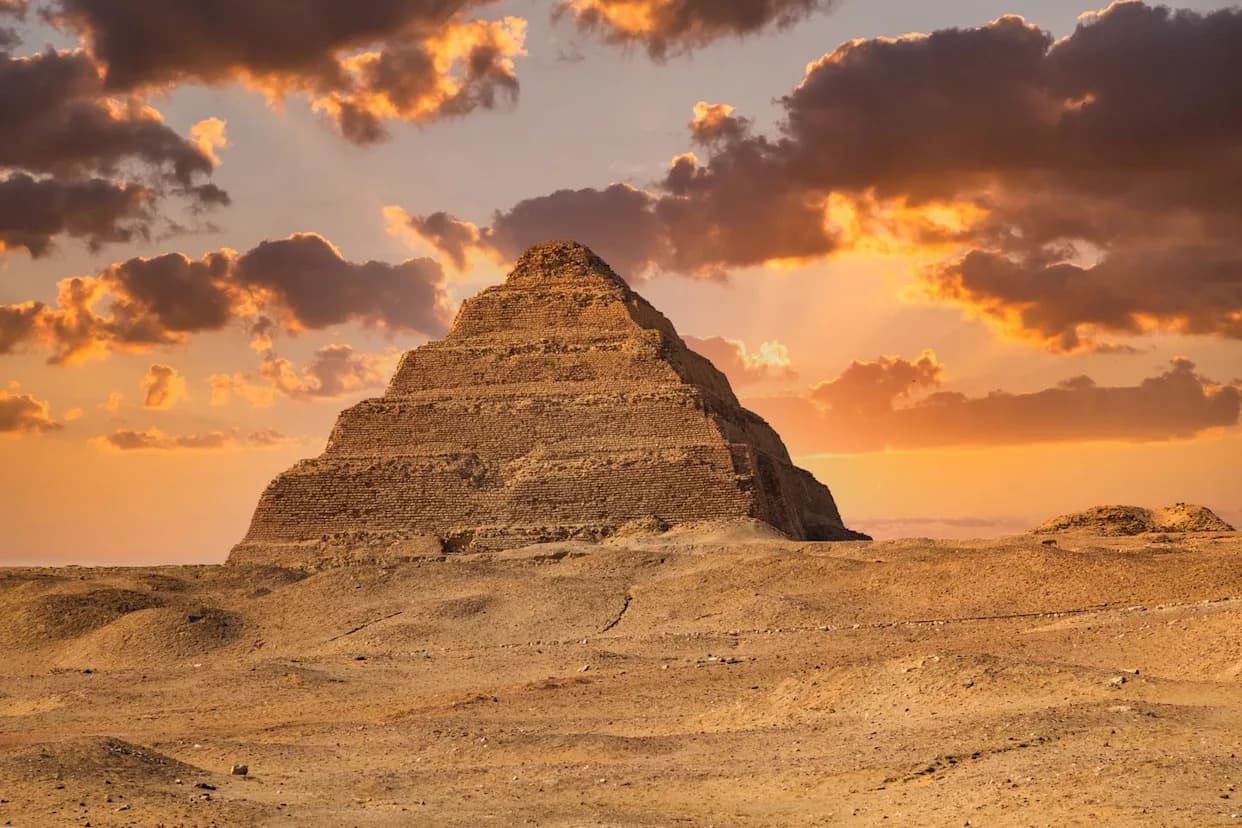
Hydraulic System May Have Built Egyptian PyramidsAnton Petrus - Getty Images
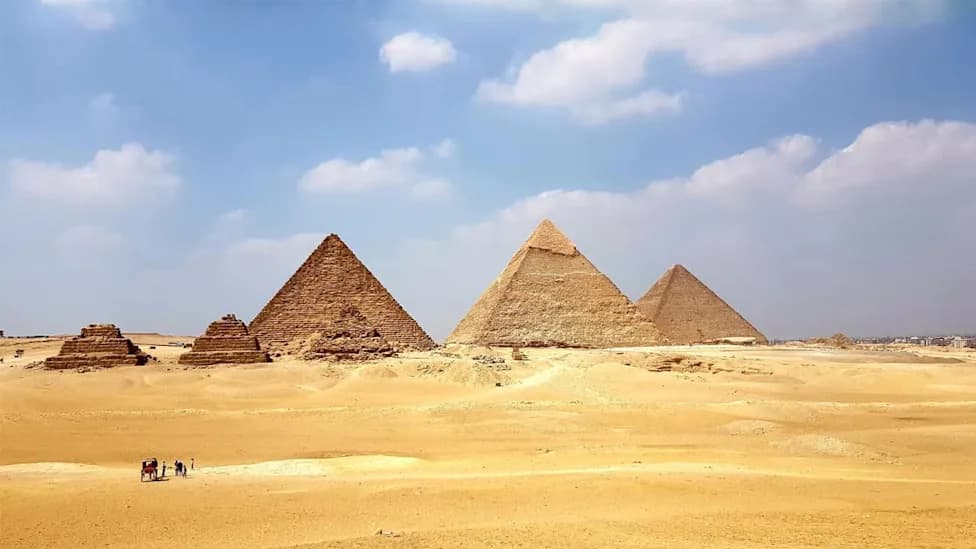
A 2024 study proposes a provocative new explanation for how the Step Pyramid of Djoser at Saqqara was built: an integrated hydraulic system that could have raised the massive stone blocks from the pyramid’s interior. If supported by further fieldwork and modelling, the finding would push back the known use of large-scale hydraulic engineering in ancient Egypt by centuries and change how we think about early monumental construction.
What the Researchers Found
The team combined field mapping of local topography, analysis of ancient waterways, and a close inspection of the pyramid’s interior architecture. They argue these lines of evidence are consistent with a hydraulic-powered elevation mechanism that has not previously been documented at this site or period.
How the Proposed System Would Have Worked
The authors describe a method they call a "volcano fashion" lift: sediment-free water routed from a surrounding channel system would create rising pressure within internal chambers, pushing or buoying oversized blocks upward and outward into position. This approach would use controlled water flow and pressure rather than (or in addition to) large teams of rollers, ramps or sledges alone.
Landscape Features: Gisr el-Mudir and the Dry Moat
Using watershed mapping, the researchers identify the nearby Gisr el-Mudir enclosure as functioning like a check dam, capable of trapping sediment and retaining water. Topographic evidence suggests a temporary reservoir could have formed west of the Djoser complex, with water routed around the site in a moat-like arrangement.
In the southern section of the proposed "Dry Moat," the team documents a monumental linear rock-cut feature composed of successive deep-trench compartments. They interpret these compartments as performing the technical roles of settling basins, retention basins, and purification stages—components analogous to modern water-treatment systems that would produce cleaner, sediment-free water for hydraulic use.
"The ancient architects likely raised the stones from the pyramid center in a volcano fashion using the sediment-free water from the Dry Moat’s south section," the paper states.
Implications and Caution
If validated, this hypothesis would mean ancient Egyptian builders deployed advanced hydraulic thinking—beyond irrigation and canal transport—at a very early date. That could reshape debates about labor, logistics, and technological capability in early dynastic Egypt.
However, the authors’ interpretation remains a hypothesis. The proposed hydraulic mechanism relies on a chain of features (check dam, temporary reservoir, rock-cut treatment channels, and suitable internal passages) that require targeted excavation, sediment analysis, hydraulic modelling, and independent verification to confirm whether the system could generate the necessary pressure and volume to move the stones as described.
Whether Djoser represents a first-of-its-kind hydraulic application or a surviving example of an earlier tradition, the study opens new lines of inquiry and invites archaeologists and engineers to test a bold idea about ancient construction methods.
Next Steps for Research
Recommended follow-up actions include detailed geomorphological surveys, sediment coring around Gisr el-Mudir and the proposed Dry Moat, structural analysis of internal passages, and scale modelling or simulations to assess feasibility. Independent fieldwork will be essential to move the theory from intriguing to convincing.
Help us improve.