Jimmy Hammonds, 62, known as "The Monkey Whisperer," was sentenced to nine months in federal prison after pleading guilty to conspiring to violate the Lacey Act while on probation. He was ordered to pay a $60,000 fine to the Lacey Act Reward Fund and received three years of supervised release. Hammonds agreed to surrender more than 60 animals and is banned from any wildlife activities. Prosecutors say he arranged an undercover sale of two common marmosets for $7,400 and sought to move the transaction to Georgia to evade oversight.
‘The Monkey Whisperer’ Sentenced To Federal Prison For Trafficking Protected Primates
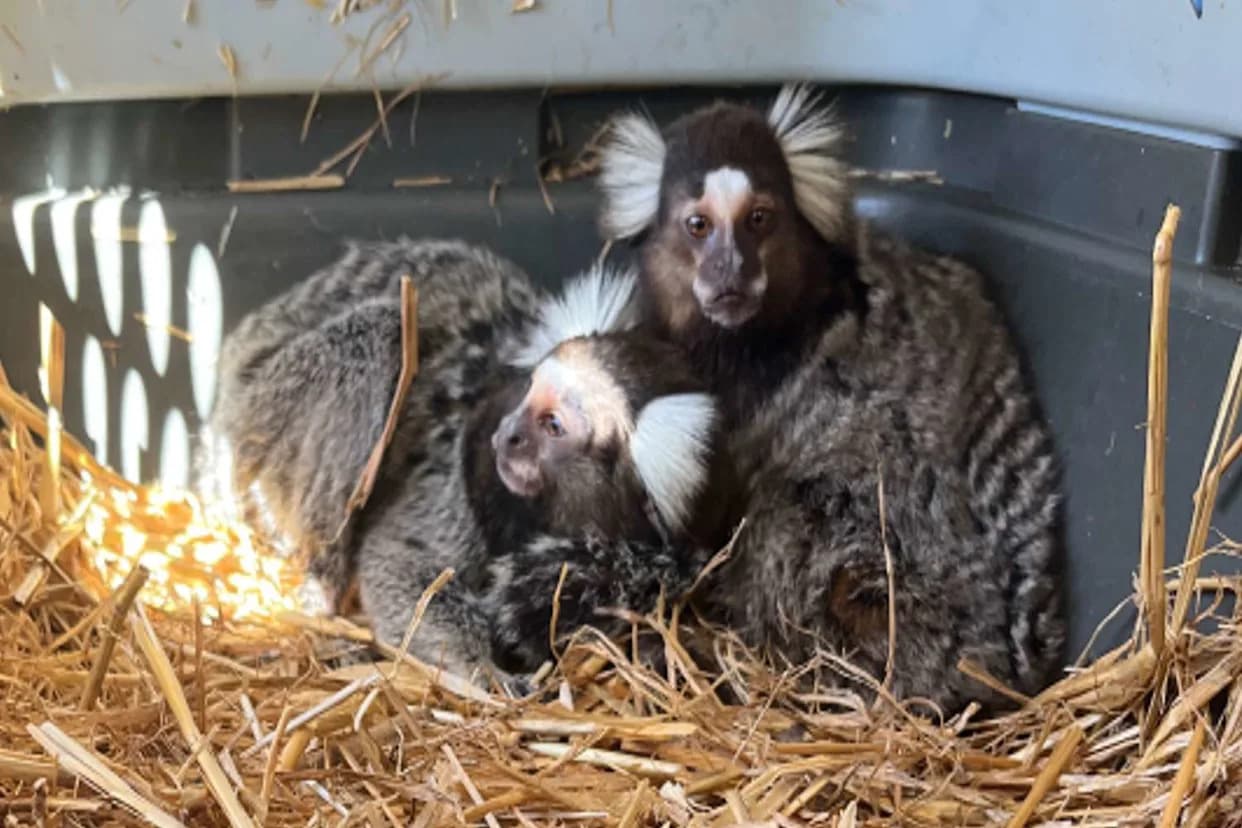
Common marmosetsCredit: Department of Justice
Jimmy Hammonds, 62, a Florida exotic‑animal dealer who operated under the name The Monkey Whisperer, LLC, was sentenced to nine months in federal prison for trafficking protected primates while already on probation for a related offense. The U.S. Attorney’s Office for the Middle District of Florida announced the sentence on March 26.
In October, Hammonds pleaded guilty to conspiring to violate the Lacey Act, the federal law that outlaws certain illegal trade in wildlife. U.S. District Judge Mary S. Scriven also ordered Hammonds to pay a $60,000 fine to benefit the Lacey Act Reward Fund, which compensates whistleblowers who assist in exposing wildlife trafficking.
Terms Of The Sentence
Along with the nine‑month prison term, Hammonds received three years of supervised release and is expressly prohibited from "possessing, breeding, selling, transporting, or exhibiting any wildlife," according to federal prosecutors. As part of his plea agreement, he agreed to surrender more than 60 animals—ranging from lemurs to kangaroos and otters—to authorities.
How The Scheme Unfolded
Prosecutors say Hammonds used his business social‑media account to contact an undercover agent and, at his request, moved their conversation to an encrypted messaging app to discuss illicit sales. Hammonds agreed to sell two common marmosets for $7,400 and allegedly arranged for the transaction to occur in Georgia in an attempt to avoid law enforcement oversight. Common marmosets are small monkeys native to Brazil.
"The sentence reflects the seriousness of illegally trading protected wildlife and the harm that trafficking causes to species and enforcement efforts," federal officials said in a press release.
Hammonds’ probation‑violation hearing is scheduled for April 2. The case underscores federal priorities in disrupting wildlife trafficking and penalizing repeat offenders who exploit online platforms to arrange illicit animal sales.
Help us improve.