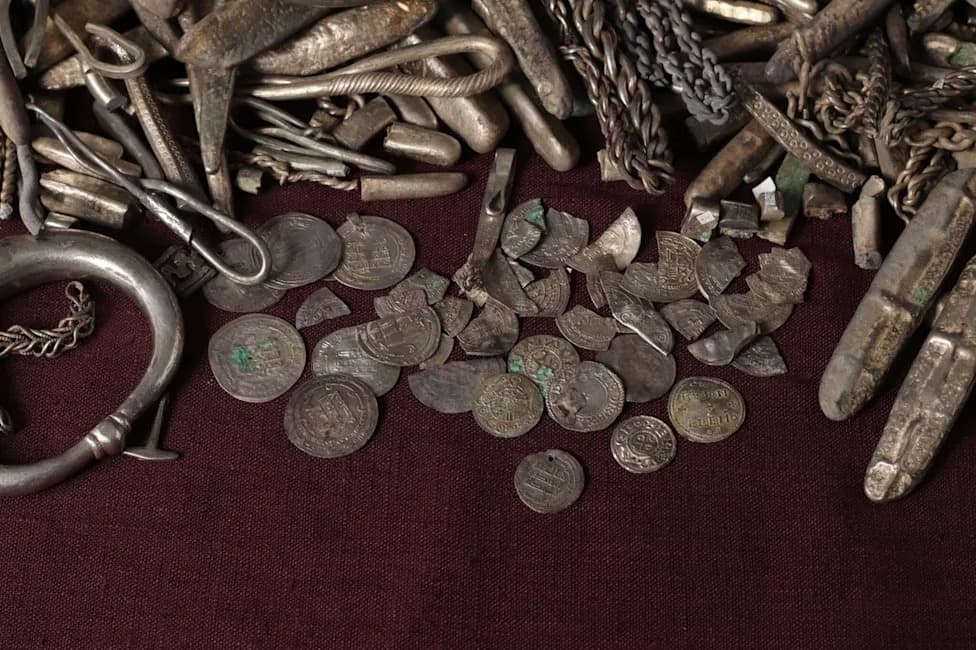
The D35 motorway survey in the Czech Republic exposed a large La Tène–period Celtic settlement near Hradec Králové, yielding hundreds of gold and silver coins, coin dies, significant amber deposits and evidence of luxury pottery production. Excavations uncovered dwellings, workshops and a sanctuary across about 62 acres and produced approximately 22,000 bags of material—one of the biggest assemblages found in Bohemia. The site’s richness and lack of fortifications point to its role as a regional trade and production hub linked to the Amber Road; a museum exhibition is planned for late 2025.
Road Survey Reveals Massive La Tène Celtic Settlement Brimming With Gold, Amber and Luxury Pottery
A Construction Survey Found an Ancient Celtic TownAlex Aunch - Getty Images
A routine archaeological survey for the new D35 motorway in the Czech Republic uncovered a sprawling La Tène–period Celtic settlement rich in rare valuables and craft remains. Excavations by the Museum of East Bohemia in Hradec Králové have produced what the museum calls "one of the largest collections of artifacts ever found in Bohemia."
Discovery During Motorway Survey
Teams conducting pre-construction surveys for the D35 motorway found not just scattered objects but the structural remains of an extensive settlement dating to the second century B.C. The site covers roughly 62 acres near Hradec Králové and contains foundations of dwellings, workshops and at least one religious sanctuary.
Rich Assemblage Of Finds
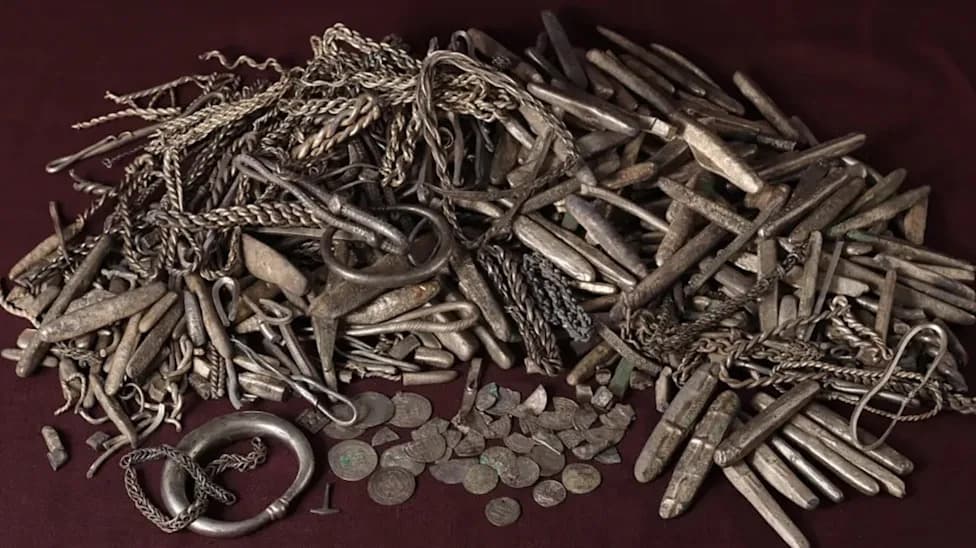
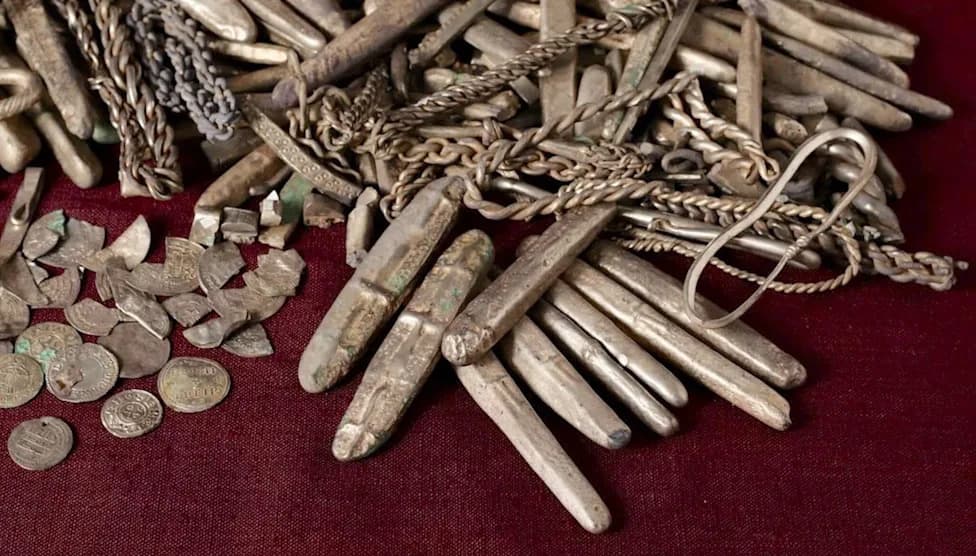
Archaeologists recovered hundreds of gold and silver Celtic coins and coin dies used for minting, large quantities of amber, fragments of high-quality pottery and luxury ceramics, and an "extraordinarily rich" collection of jewelry. Finds include bronze and iron brooches, armlet fragments, metal belt fittings, glass beads and other personal ornaments. In total, crews removed about 22,000 bags of material, making this one of the largest single assemblages in the region.
Evidence Of Production And Long-Distance Trade
The presence of coin dies and workshop remains indicates local production of currency and high-end ceramics. Combined with extensive amber and precious-metal finds, this strongly supports the interpretation of the site as a supra-regional production and trade hub connected to long-distance routes—most notably the Amber Road linking the Baltic and the Mediterranean.
Fortification, Dating And Cultural Attribution
Unlike many later Iron Age settlements, this site lacks defensive fortifications, consistent with an active trading and craft center in the second century B.C., prior to the rise of larger fortified centers. Excavators have not yet located inscriptions that would definitively name the occupying group. While the Boii are historically associated with Bohemia, researchers emphasize that current evidence does not allow a firm attribution to any single Celtic tribe.
State Of Preservation And Next Steps
Archaeologists were surprised by the unusually high density of finds preserved in topsoil and near-surface horizons and were fortunate the site appears not to have been looted. The Museum of East Bohemia plans a public exhibition in late 2025 to showcase the gold, silver and amber artifacts and to present research from the excavation.
Professor Tomáš Mangel, co-leader of the excavation, told Live Science the coin finds may number in the several hundreds and highlighted the variety of metallic jewelry components recovered.
Help us improve.