The U.S. has launched the Shield of the Americas, a layered hemispheric security initiative to coordinate military, intelligence and law-enforcement efforts against cartels and foreign influence. The Americas Counter Cartel Coalition now includes 18 members within a broader Shield of 13 countries, and the administration is pairing capacity building with partner-led, deterrence-focused operations (Ecuador cited). Pentagon actions include expanded surveillance, maritime patrols and cyber capabilities; the strategy also aims to counter Chinese, Russian and Iranian influence and is referenced in the 2025 NSS and 2026 NDS.
Inside the 'Shield of the Americas': U.S. Builds Hemispheric Coalition To Dismantle Cartels and Counter Foreign Influence
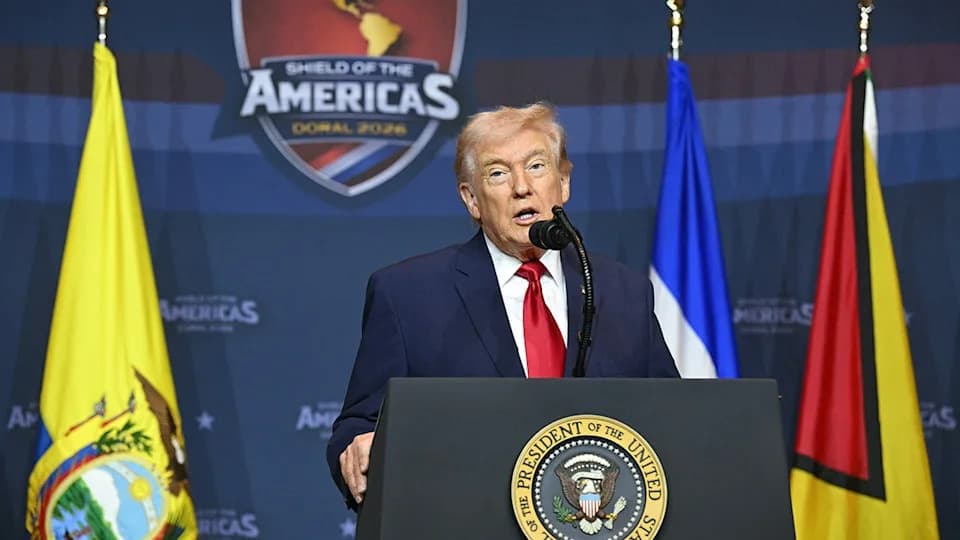
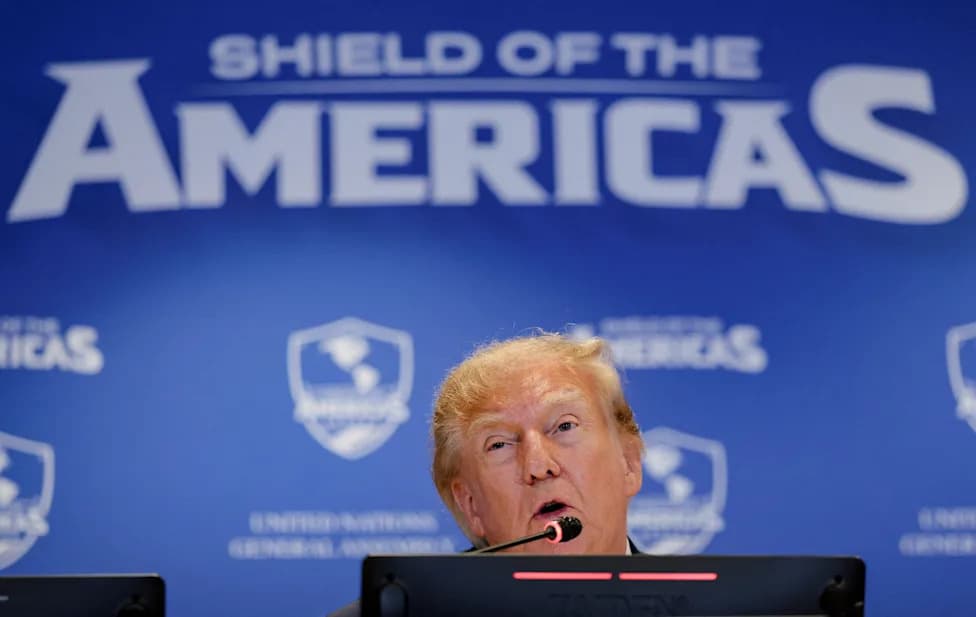
President Donald Trump speaks during the "Shield of the Americas" Summit at Trump National Doral in Miami, Florida, March 7, 2026.(Getty Images)
The United States is advancing a comprehensive hemispheric security initiative — framed as the Shield of the Americas — designed to synchronize military, intelligence and law-enforcement capabilities across the Western Hemisphere to dismantle transnational criminal organizations and blunt expanding geopolitical influence, Acting Assistant Secretary Joseph M. Humire told Fox News Digital.
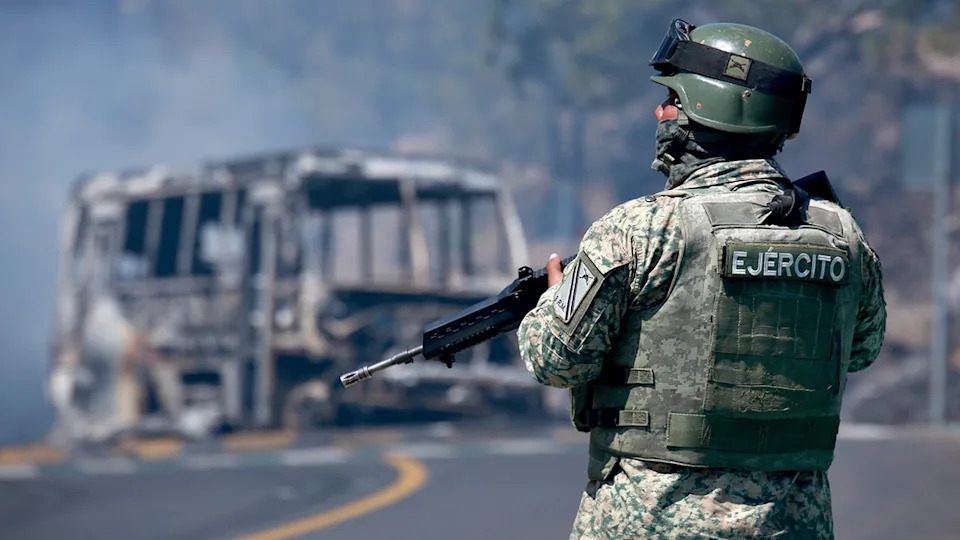
A soldier stands guard by a charred vehicle after it was set on fire in Cointzio, Michoacán state, Mexico, Sunday, Feb. 22, 2026, after the death of the leader of the Jalisco New Generation Cartel, Nemesio Rubén Oseguera Cervantes, known as "El Mencho."
Overview
Humire said the Americas Counter Cartel Coalition operates within the broader Shield framework but is not limited to it: the coalition now has 18 members while the larger Shield initiative includes 13 countries. A March 7 presidential proclamation emphasized a coalition-driven approach focused on partner-led, deterrence-oriented operations against cartel infrastructure on land and at sea.
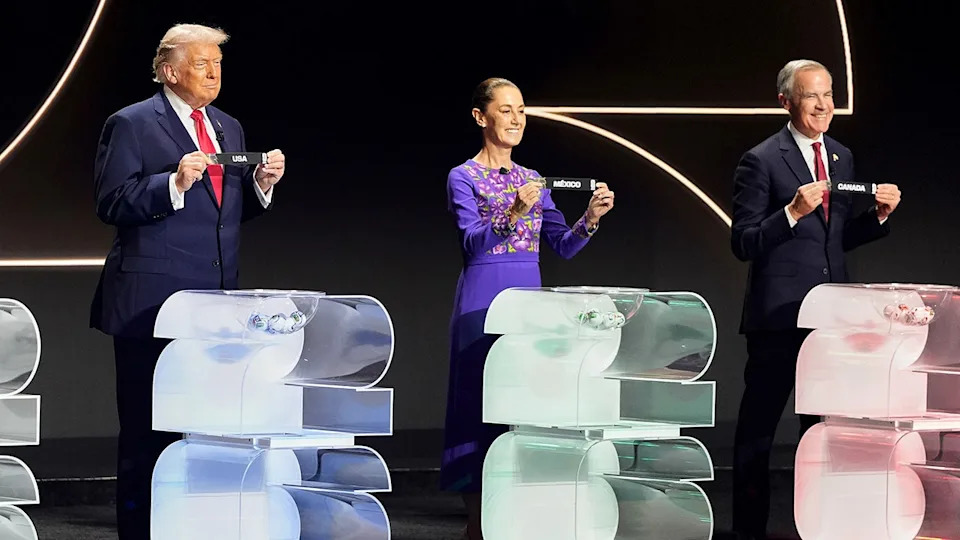
President Donald Trump, Mexican President Claudia Sheinbaum and Canadian Prime Minister Mark Carney hold their countries' cards during the draw for the 2026 soccer World Cup at the Kennedy Center in Washington on Dec. 5, 2025.
Operational Shifts
Humire described two main shifts from prior U.S. approaches. First, Washington is moving beyond training and capacity-building to accompany partner forces in operations against shared threats where permission is granted — Ecuador is cited as a current example, where President Daniel Noboa authorized U.S. personnel to advise, assist and accompany Ecuadorian forces conducting counter-narcotic and counter-terror operations.
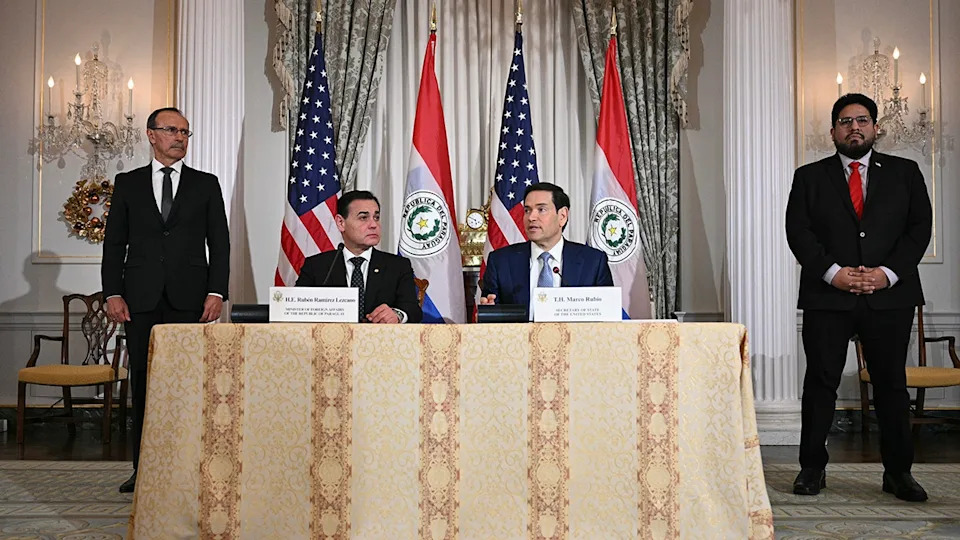
Secretary of State Marco Rubio (Center-R) meets with Paraguay's Foreign Minister Ruben Ramirez Lezcano (Center-L) at the State Department in Washington, D.C., on Dec. 15, 2025 as Paraguay's Minister of Defense General Óscar Luís González Cañete (L) and Deputy Assistant Secretary of Defense for Americas Security Affairs Joseph Humire (R) look on.
Second, the administration is emphasizing deterrence-focused, harder-power actions to complement interdiction: continuing seizures and arrests while increasingly targeting cartel infrastructure and, in some cases, taking lethal action against cartel operatives. "We are encouraging our partners to use hard power to send a signal to the cartels to complement interdiction," Humire said.
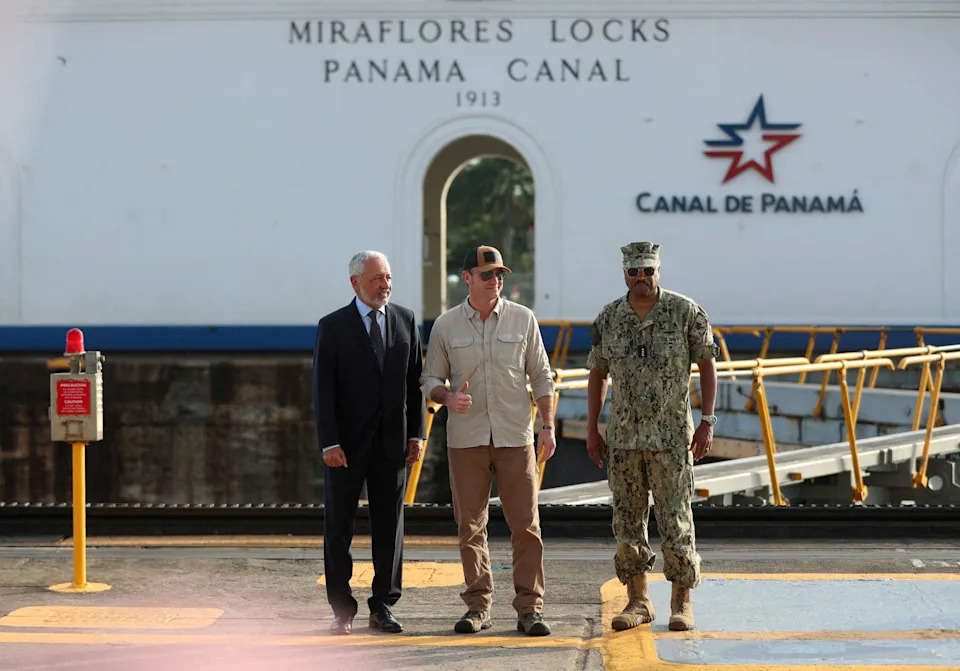
Secretary of War Pete Hegseth, Panama Canal Authority Administrator Ricaurte Vasquez and Commander of the U.S. Southern Command Adm. Alvin Holsey pose during a tour of the Miraflores Locks, in Panama City, Panama, April 8, 2025.
Regional Relationships
Mexico is not currently a member of the coalition, though Humire praised recent Mexican operations against high-value targets such as El Mencho and said the U.S.-Mexico military relationship remains strong. "As of today, we still don't have U.S. forces accompanying Mexico inside the sovereign territory of the country," he added, while expressing hope Mexico will join the coalition in the future.
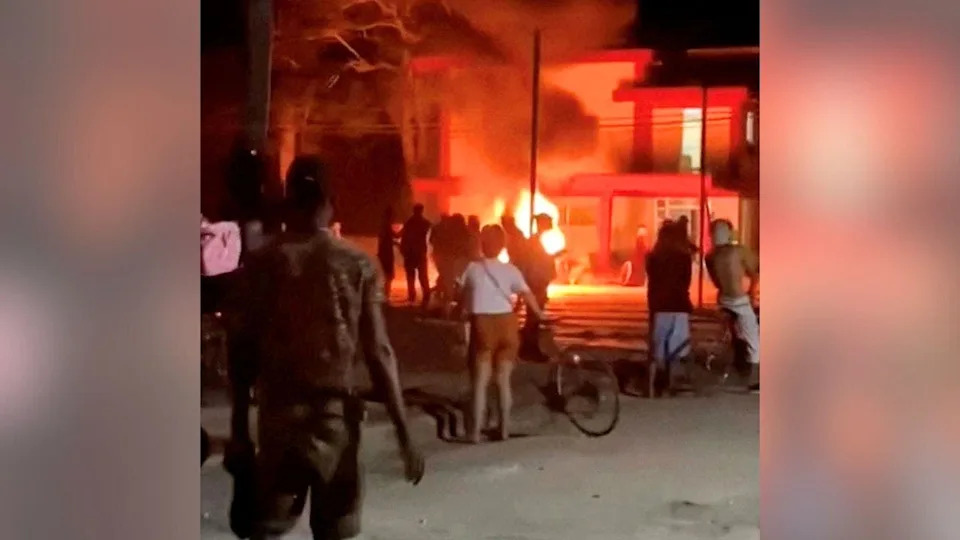
Protesters gather outside a Communist Party headquarters in Morón, Cuba, as a fire burns in the street during overnight unrest. Video obtained by Fox News Digital appeared to show demonstrators attempting to set fire to the building amid protests linked to widespread blackouts.
Panama was highlighted as an example of shifting influence in the region. Humire said visits by U.S. officials contributed to a reduction in Chinese sway, including Panama's withdrawal from the Belt and Road Initiative and the loss of certain port access. He added that the "Department of War" has partnered with Panama to build an enduring presence around the Panama Canal, including a jungle operations school on the Atlantic side and a joint security operation group on the Pacific side.
Countering Foreign Influence
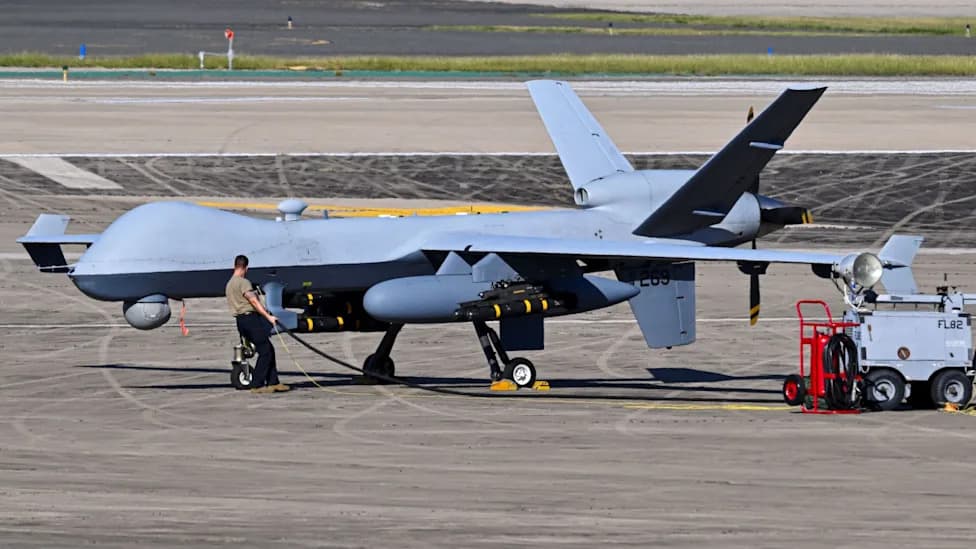
Beyond cartel activity, the initiative targets growing Chinese, Russian and Iranian activity in the region. Humire identified concerns about Chinese infrastructure investments with dual-use potential, Iranian-linked illicit finance and proxy networks, and Russian disinformation. To counter these threats, the Pentagon has increased intelligence-sharing, expanded maritime patrols and surveillance, integrated cyber capabilities to disrupt illicit networks, and scaled up military-to-military engagement to align partner capabilities with U.S. strategic objectives.
Venezuela, Cuba and Strategic Context
Humire pointed to stabilization efforts in Venezuela after Operation Absolute Resolve, saying external partners such as Russia, China, Iran and Cuba did not prevent the operation’s outcomes and that differing interests among those states limit their effectiveness. He also said the administration is recalibrating policy toward Cuba, viewing the island as a persistent security concern because of ties to U.S. adversaries, and that White House-led conversations with Havana are ongoing.
Humire framed the Shield effort as a historic shift that places the Western Hemisphere at the top of U.S. national-security priorities. He noted the approach is reflected in the language of the 2025 National Security Strategy and the 2026 National Defense Strategy and stressed that hemispheric defense is intrinsically tied to U.S. homeland defense.
Key Quote: "The Western Hemisphere is our neighborhood; it is intricately tied to U.S. homeland defense," Humire said. "This is a historic effort to put the Western Hemisphere as a top regional priority for U.S. national security in ways we have never done before."
What This Means: The Shield of the Americas and the Americas Counter Cartel Coalition signal a more assertive, partner-focused U.S. posture in Latin America — combining traditional capacity-building with direct operational support, enhanced surveillance and cyber tools, and a sharper focus on countering the strategic reach of China, Russia and Iran.
Help us improve.