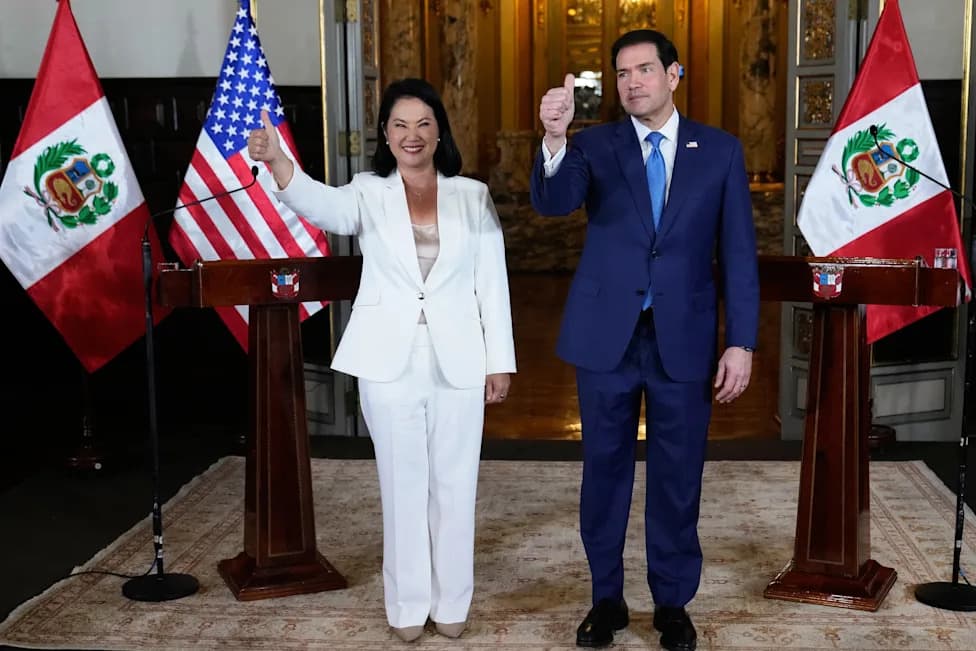
President Trump urged members of the 15-nation Shield of the Americas coalition to designate 24 criminal groups as narco-terrorists and apply coordinated sanctions and military pressure. The coalition pledged asset freezes, visa bans and prosecutions, but experts note each country must complete its own legal procedures, so implementation may be slow. The list includes MS-13, Tren de Aragua, major Mexican cartels, Colombia's ELN, Brazil's PCC and Comando Vermelho, and Peru's Shining Path, while UN experts have criticised US maritime strikes as potentially unlawful.
Trump Urges 15-Nation Shield Of The Americas To Target 24 Cartels With Sanctions And Military Pressure
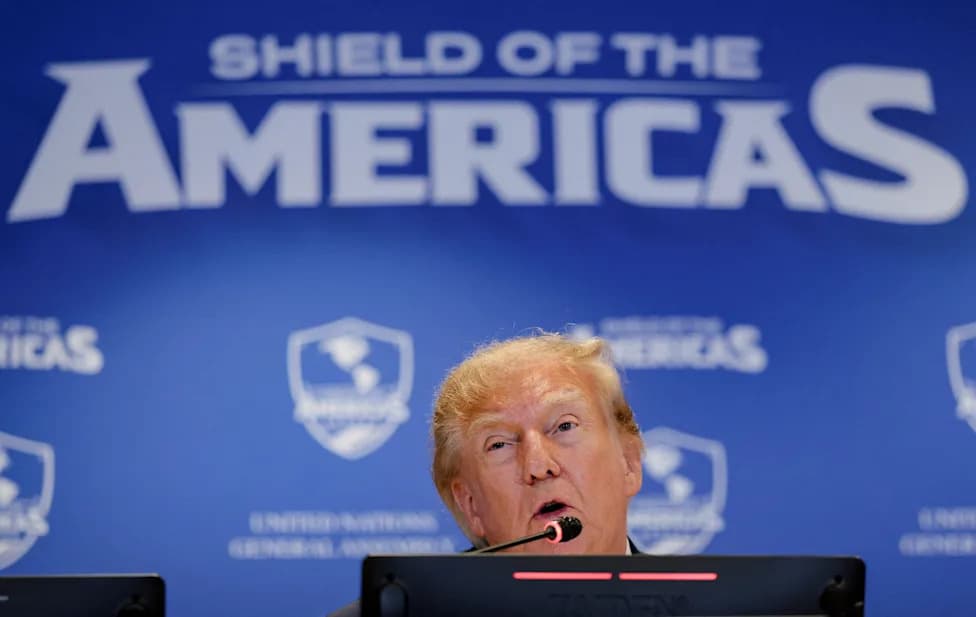
US President Donald Trump participates in a Shield of the Americas event on the sidelines of the 81st United Nations General Assembly in New York City on September 22, 2026 [Kylie Cooper/Reuters]
United States President Donald Trump urged members of the Washington-led Shield of the Americas coalition to use "unmatched military might" and coordinated sanctions against 24 criminal organizations he described as the "ISIS of the Western Hemisphere." The pledge came during a meeting of coalition leaders on the sidelines of the United Nations General Assembly in New York.
Call For Joint Designations And Sanctions
Speaking to heads of state and foreign ministers, Trump asked coalition members to "formally designate narco-terrorists as common threats to stability and apply crushing sanctions" against each listed group. The coalition later issued a joint declaration saying the 15 governments intended to pursue asset freezes, visa bans and criminal prosecutions against members and supporters of the organisations on the list.
Who Is On The List?
At the top of the list are two groups already designated as terrorist organisations by Washington: Mara Salvatrucha (MS-13) — one of Central America's most powerful gangs — and Tren de Aragua, a Venezuelan gang active in Colombia, Peru and Chile. The roster also includes major Mexican cartels, Colombia's National Liberation Army (ELN), Brazil's Primeiro Comando da Capital (PCC) and Comando Vermelho, and Peru's Shining Path.
Legal Hurdles And Implementation
Analysts cautioned that the declaration is largely symbolic until each country completes its domestic legal procedures. Al Jazeera correspondent Alessandro Rampietti noted that, for example, Colombia would likely need new legislation and congressional approval to enact formal designations and associated sanctions. The coalition's measures therefore may be gradual rather than immediate.
Coalition Makeup And Regional Reaction
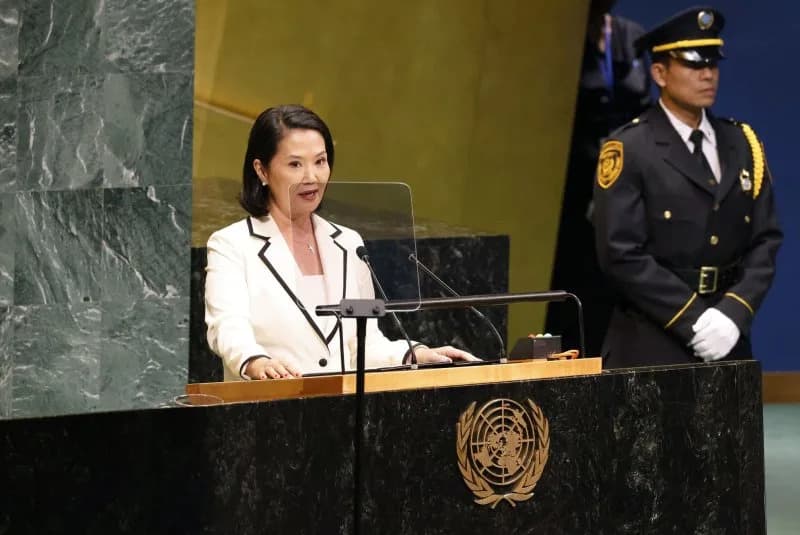
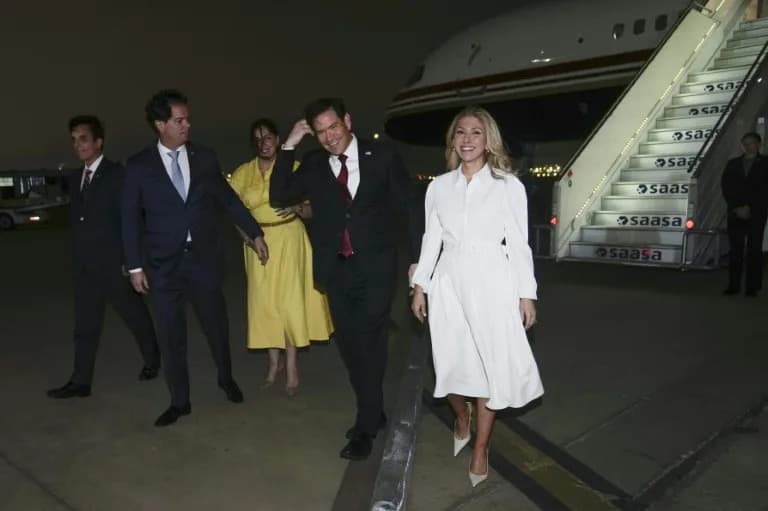
The Shield of the Americas coalition comprises 15 governments described as closely aligned with President Trump, including Argentina, Ecuador and El Salvador; Colombia and Peru joined after recent elections brought Trump-aligned leaders to power. Notably, Brazil and Mexico did not join the coalition. US Senator Marco Rubio, who attended the meeting, praised what he called "the emergence of strong leaders committed to taking on transnational terrorism."
US Military Action And International Concerns
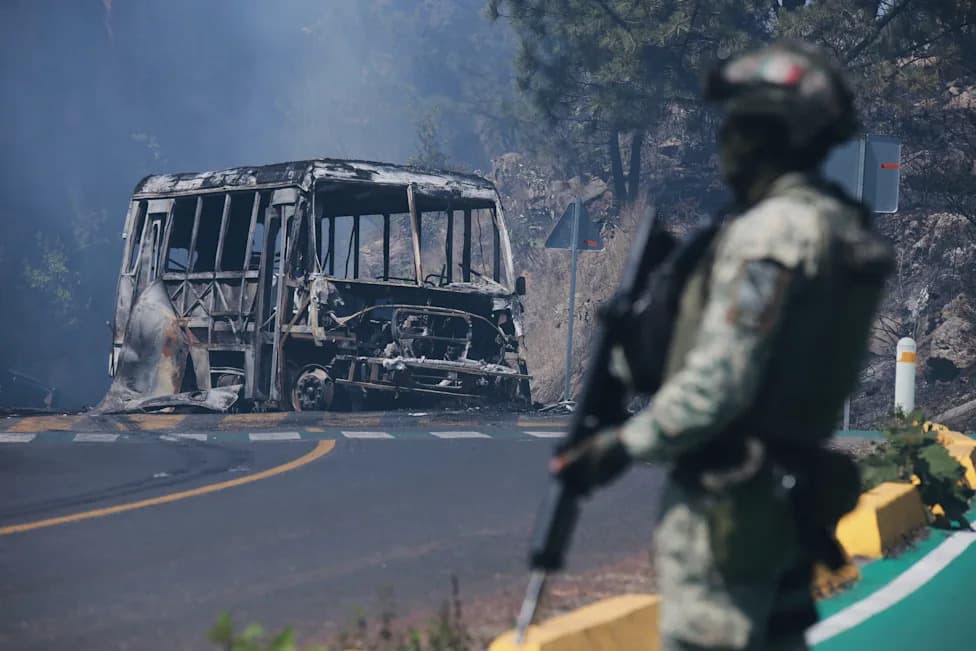
The gathering reflects the administration's push for a tougher approach to drug trafficking. Since taking office last year, Trump has designated cartels as foreign terrorist organisations and authorised strikes on vessels in the Caribbean and eastern Pacific that US officials say were carrying narcotics bound for the United States. Those strikes have been linked to more than 223 deaths, and UN experts caution they may violate international law and could amount to crimes against humanity.
Broader Geopolitical Context
Last year’s US National Security Strategy signalled a renewed hemispheric focus and language reminiscent of the Monroe Doctrine, drawing criticism from regional leaders who see the approach as a return to interventionist policies. Trump has also made provocative comments in recent months about retaking the Panama Canal and claims on Greenland and Canada; on Tuesday he signed an agreement on Greenland that stopped short of earlier territorial demands.
Brazilian President Luiz Inácio Lula da Silva condemned the approach in his UN address, warning against "renewed hegemonic temptations" and asserting that "Brazil is nobody's back yard."
As governments weigh legal and diplomatic steps, the initiative highlights tensions between a US-led push for unified regional action and concerns over sovereignty, legality and potential human-rights implications of military measures.
Help us improve.