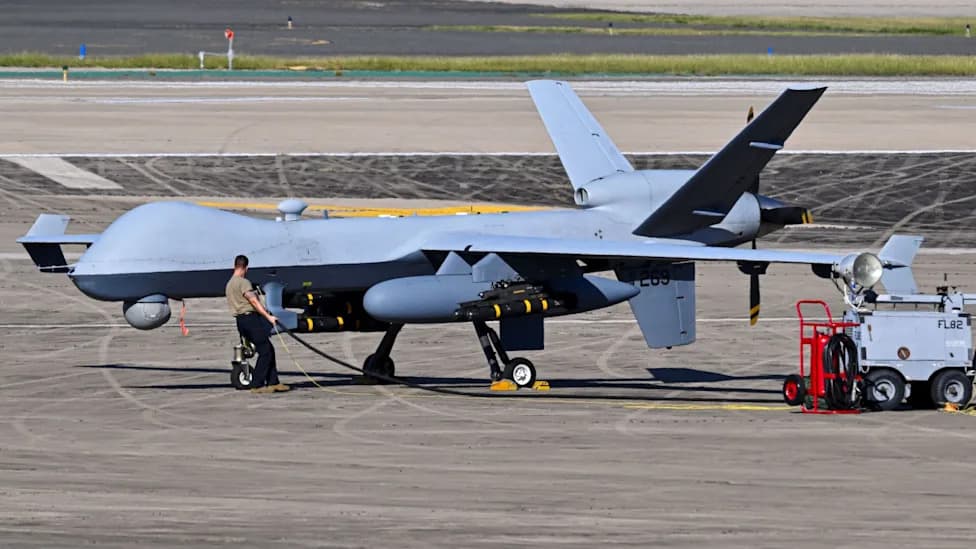
The U.S. military is repositioning MQ-9 Reaper drones from U.S. Africa Command (AFRICOM) to U.S. Southern Command (SOUTHCOM) as part of an expanded campaign against drug cartels in Latin America, multiple sources told CNN.
What Is Happening
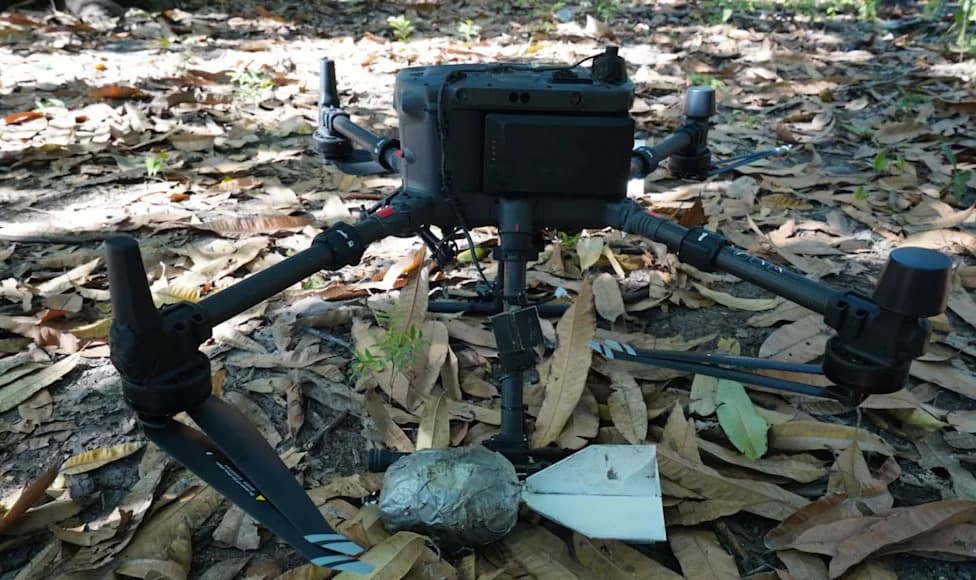
Aircraft previously assigned to AFRICOM are being transferred to SOUTHCOM ahead of planned missions targeting drug trafficking organizations. U.S. officials and partners have increased air and maritime strikes on suspected drug-smuggling vessels over the past year, and activity accelerated this summer as more regional governments joined the Shield of the Americas (also called the Americas Counter Cartel Coalition).
AFRICOM Operations And Uncertainties
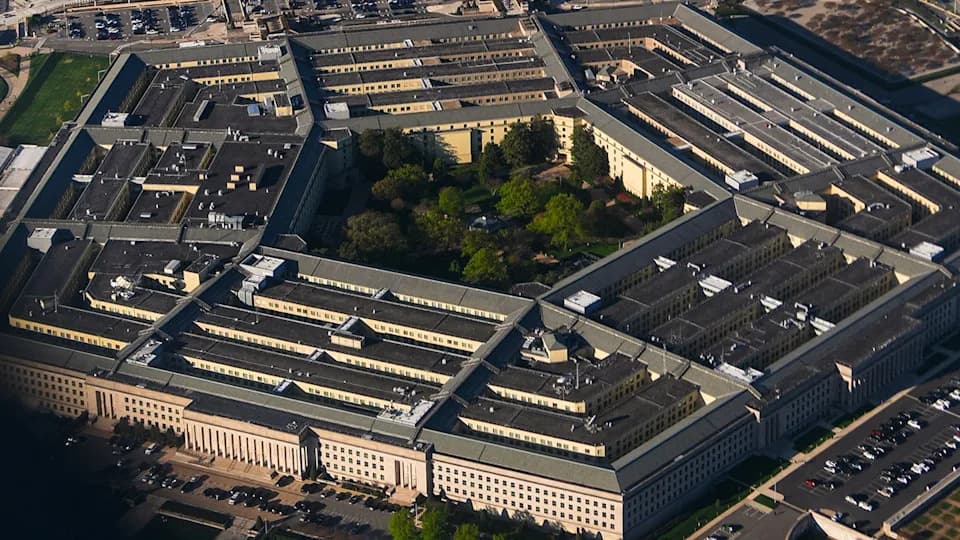
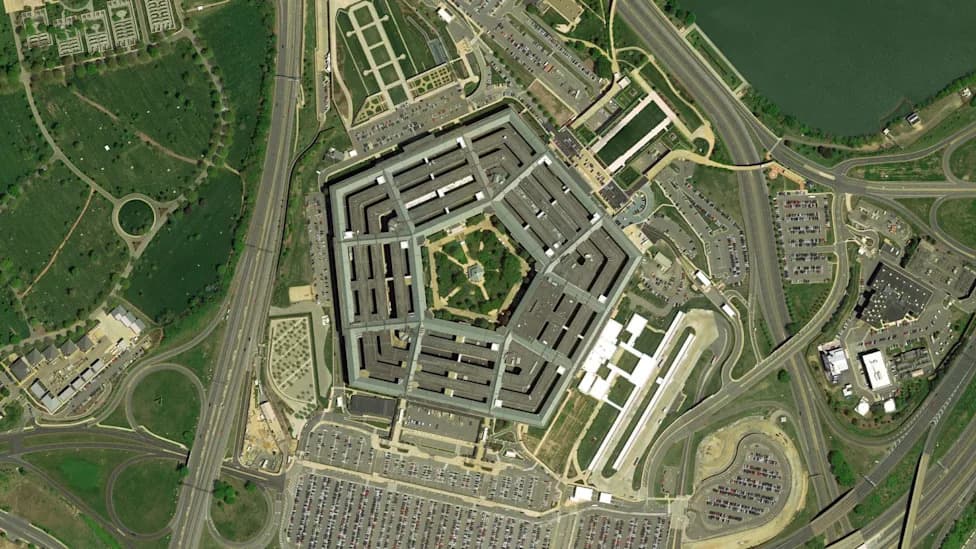
It is not yet clear how many MQ-9s will be moved or what the redeployment will mean for AFRICOM operations in Africa. AFRICOM continues counter-extremist strikes—most recently saying on Sept. 17 it struck a weapons storage site used by al-Shabaab in Somalia. Earlier this year, MQ-9s supported U.S. operations around the Lake Chad Basin and flew missions over Nigeria. The command directed inquiries about the drone transfers to the Pentagon, which declined to comment.
Regional Build-Up Under Shield Of The Americas
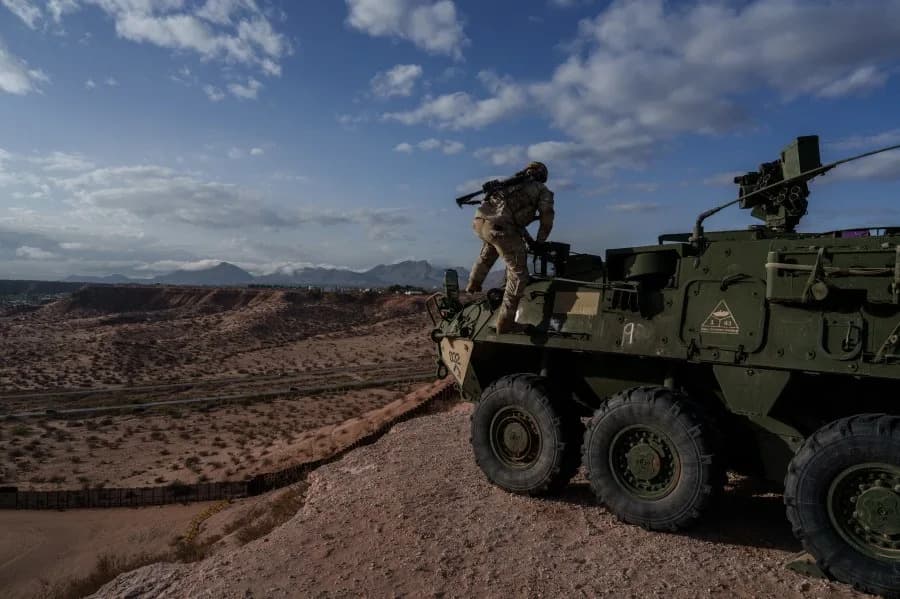
The drone movement accompanies a broader uptick in U.S. military activity under the Shield of the Americas agreement. Under this partnership, U.S. forces and regional allies are focusing on narcotics traffickers, particularly cartels the U.S. has designated as Foreign Terrorist Organizations.
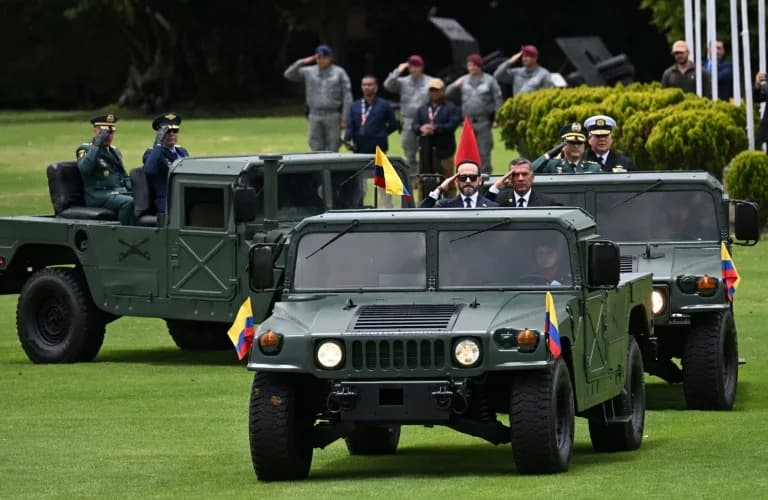
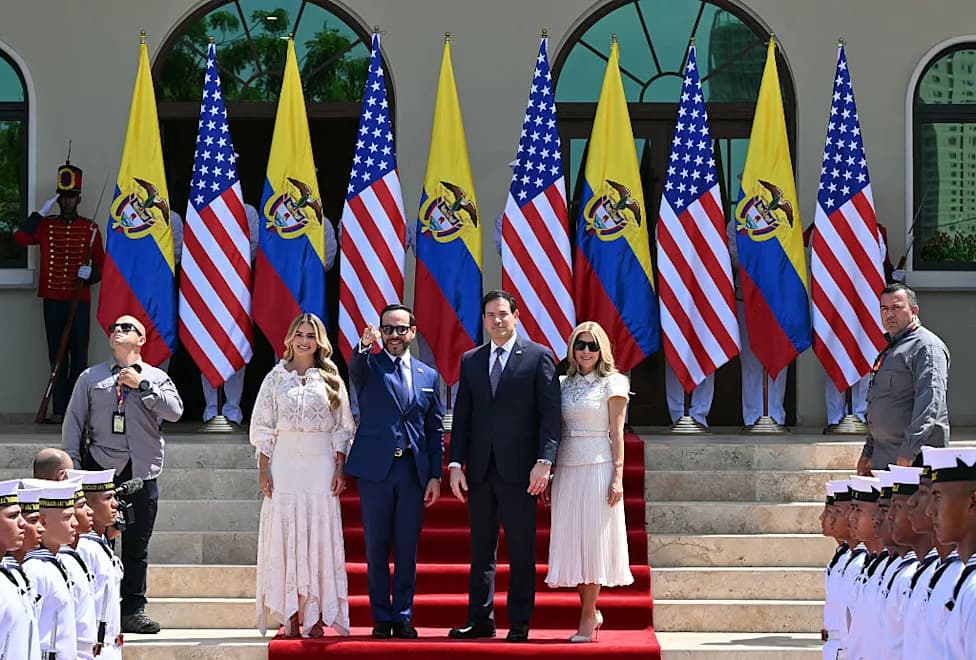
Last month Ecuador confirmed that U.S. Green Berets were conducting joint operations on Ecuadorian territory. Two U.S. warships and deployed Marines have also arrived in the region; Marines from Littoral Combat Force-24 say they interdicted, boarded and sank multiple vessels alleged to have operated as floating refueling stations for traffickers. Senior U.S. military and diplomatic officials recently visited Colombia and Peru, and Peru has announced it will join the coalition.
Funding Shifts And Force Posture
The U.S. is reallocating foreign military financing to support the counter‑cartel mission. The State Department notified Congress that $52 million originally intended for Iraq, Slovakia, North Macedonia and Tunisia will be redirected to Colombia, Ecuador, Peru and Panama. The department said the funds will help "combat narcoterrorism in our backyard and help continue to secure the Panama Canal."
Background And Recent Operations
Last year the Air Force deployed MQ-9 Reapers to Puerto Rico as part of a wider buildup in the Caribbean for Operation Southern Spear, a task force that focused on strikes against small boats SOUTHCOM said were transporting drugs. Many units that deployed to the Caribbean later joined Operation Absolute Resolve in Venezuela in January.
The current counter-drug mission, conducted by Joint Task Force Western Hemisphere, has emphasized operations in the eastern Pacific rather than the Caribbean; reported boat strikes since September 2025 have killed more than 200 people.
What Remains Unclear
Key questions remain about the scale and duration of the drone redeployment, potential impacts on AFRICOM missions in Africa, and what authorities and rules of engagement will govern expanded operations in Latin America. U.S. officials have not provided public details about specific flight schedules, numbers of aircraft or precise operational plans.
Sources: CNN reporting; statements from AFRICOM and the U.S. State Department as cited in public notices.