Dozens of coins from the Second Temple period and subsequent Jewish revolts were seized from a Palestinian doctor at the Hizma checkpoint. IAA archaeologists confirmed the find included silver shekels and Bar Kokhba-era coins bearing ancient Hebrew inscriptions. Officials warn that metal-detected looting and unskilled cleaning have caused irreversible damage; the IAA has launched an investigation to trace the coins’ origin and destination.
Dozens Of Second Temple–Era Coins Seized From Palestinian Doctor At Hizma Checkpoint
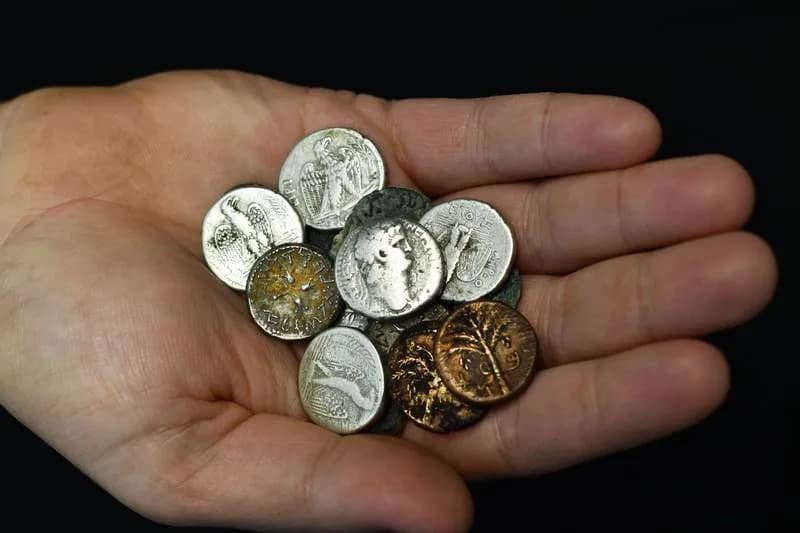
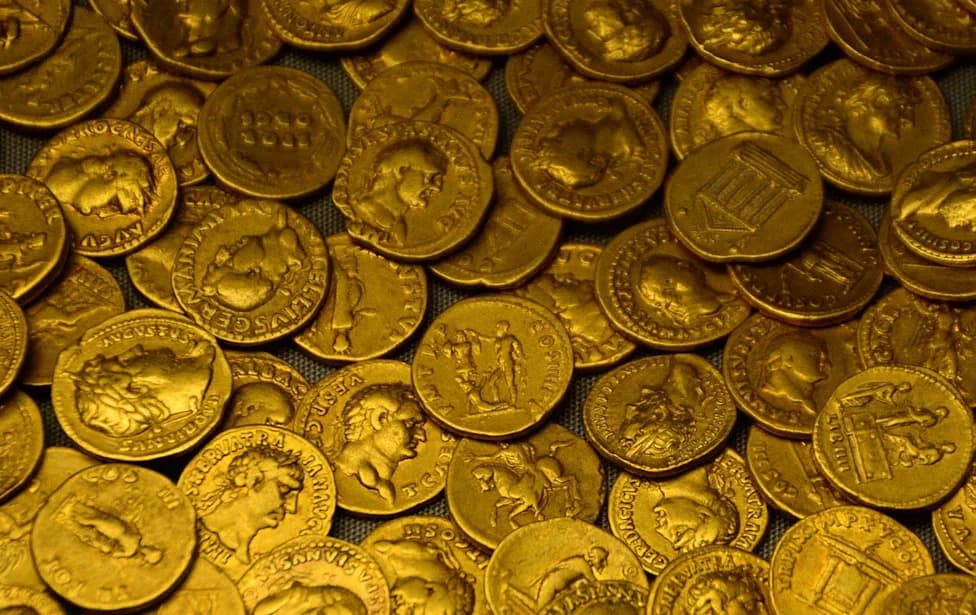
Coins seized by Border Police from vehicle of Palestinian doctor after attempted smuggling into Israel, March 23, 2026. (photo credit: YOLI SHWARTZ ISRAEL ANTIQUITIES AUTHORITY)
Dozens of rare coins believed to date back roughly 2,000 years—to the Second Temple period and later Jewish revolts against Rome—were confiscated from a Palestinian doctor at the Hizma checkpoint between the West Bank and Jerusalem on the first Friday of Ramadan.
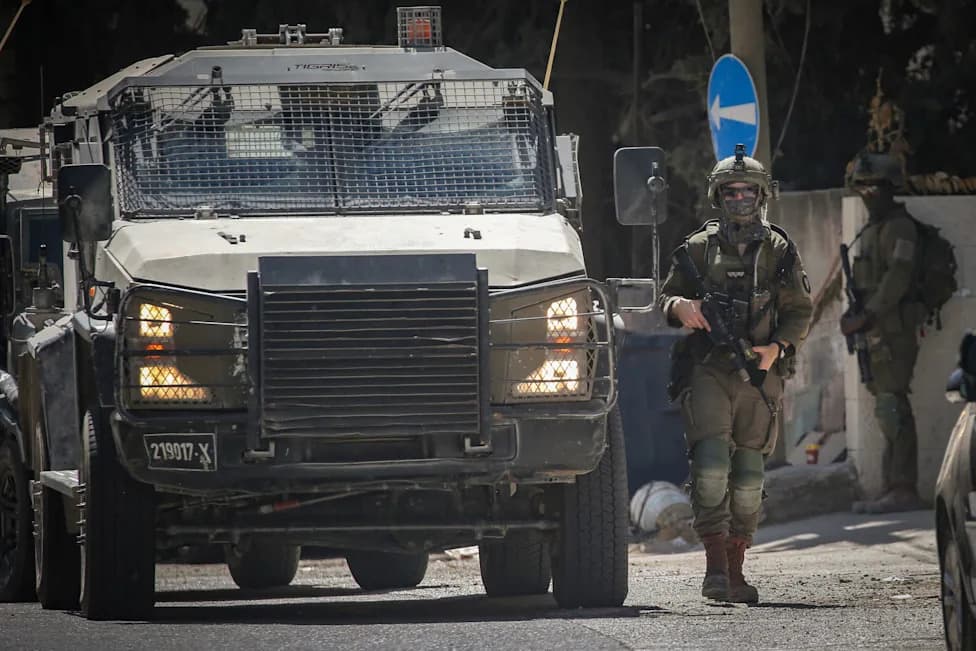
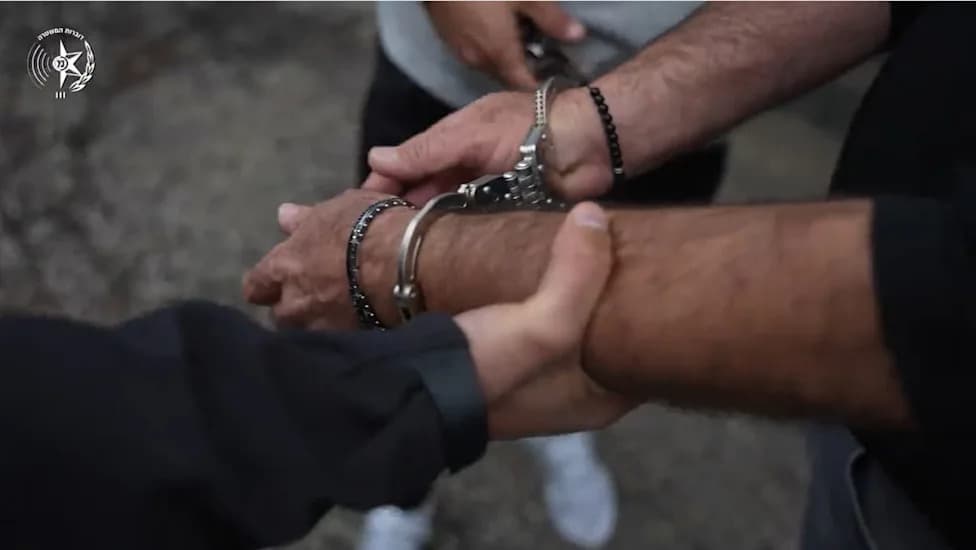
Border Police officers discovered a box of coins during a vehicle inspection and summoned archaeologists from the Israel Antiquities Authority (IAA) to confirm the items’ age and significance. The suspect was detained on suspicion of smuggling antiquities and taken to Shafat Police Station in Jerusalem’s Neve Yaakov neighborhood for questioning.
Archaeologists say the haul includes silver shekels struck in the second and third years of the Great Jewish Revolt bearing the inscriptions "Shekel of Israel" and "Jerusalem the Holy," bronze coins from the revolt’s fourth year showing the Four Species associated with Sukkot, and coins from the Bar Kokhba rebellion stamped with the leader’s name "Shimon (Bar Kokhba)" and the legend "Year Two of the Freedom of Israel."
Ilan Hadad, the inspector responsible for policing antiquities commerce, said some coins had been cleaned by unskilled hands, causing irreversible damage, while others appear freshly excavated and remain uncleaned. He indicated the coins were likely unearthed using metal detectors.
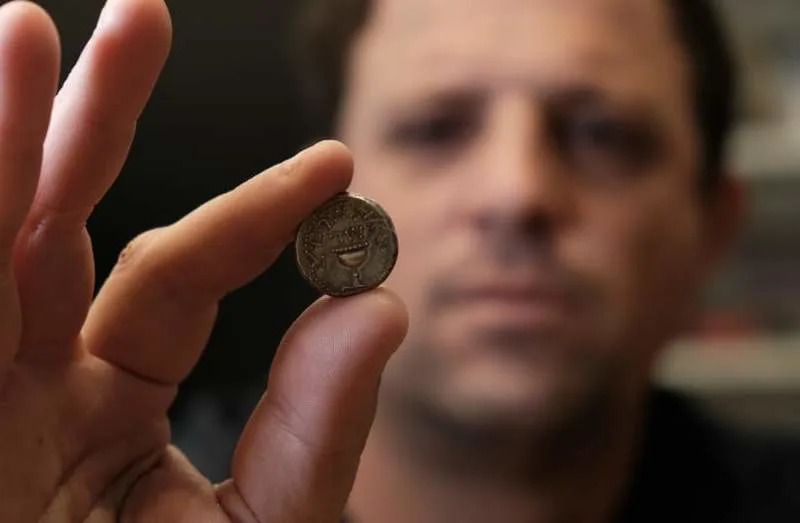
Ilan Hadad, inspector in charge of antiquities commerce, holding an ancient silver coin seized during smuggling attempt, March 23, 2026. (credit: EMIL ALADJEM/IAA)
Legal and Archaeological Concerns
Under Israeli law, trading in antiquities without a permit, bringing antiquities from the West Bank into Israel without authorization, and searching for antiquities with a metal detector without a license are criminal offenses. Hadad said the coins appeared destined for illegal sale to domestic dealers or private collectors, and some may have been intended for auction abroad.
"We witness every day the expansion of a reprehensible phenomenon," said Dr. Amir Ganor, Director of the Antiquities Theft Prevention Unit. "Ancient coins from all historical periods are looted and removed from antiquities sites by individuals using sophisticated metal detectors."
Ganor and other officials emphasized the scientific loss when artifacts are removed from their archaeological context: once looted, a coin’s ability to inform researchers about its site and historical narrative is irreversibly diminished. He urged lawmakers to restrict the sale and marketing of metal detectors, calling them "destructive tools through which entire chapters of history are erased."
Heritage Minister Amichai Eliyahu praised the Border Police and IAA inspectors for the seizure and said looters seek to "destroy our identity and deny our historical connection to this land." The IAA has opened a formal investigation to trace the coins’ origin and intended destination.
The case highlights ongoing tensions between antiquities preservation and illegal looting, and officials warn that unregulated metal-detecting and amateur cleaning continue to damage archaeological heritage.
Help us improve.