President Trump urged NATO and key allies to send warships and mine-countermeasure units to reopen the Strait of Hormuz, but none have agreed. Leaders from the U.K., France, Germany, Japan, South Korea and Australia signaled limited or no participation, reflecting domestic politics and growing caution among partners. China also rejected a U.S. request for mine-warfare help. The episode highlights Washington's reliance on allied support and raises the prospect of incentives—such as tariff rollbacks—to win cooperation.
Allies Hesitate as U.S. Urges Support to Reopen the Strait of Hormuz
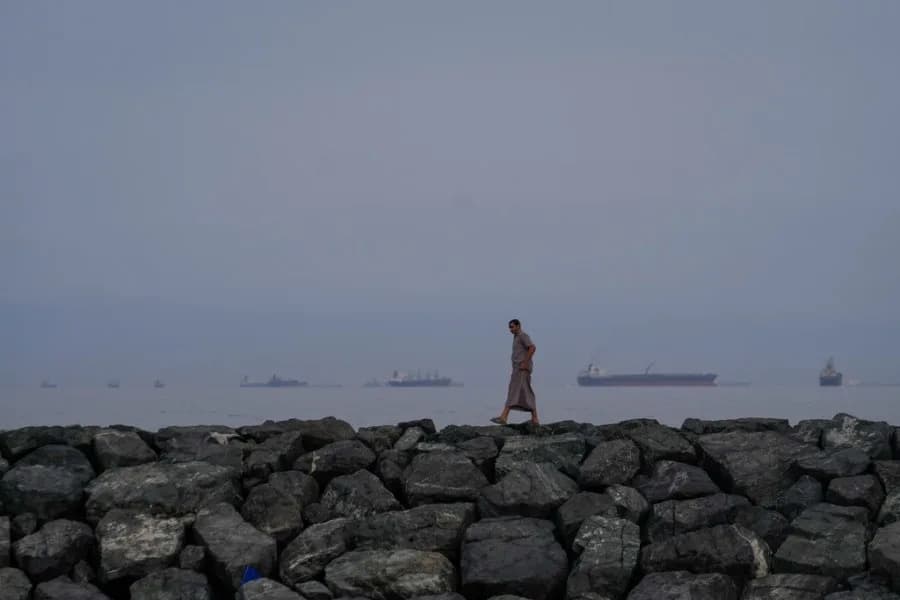
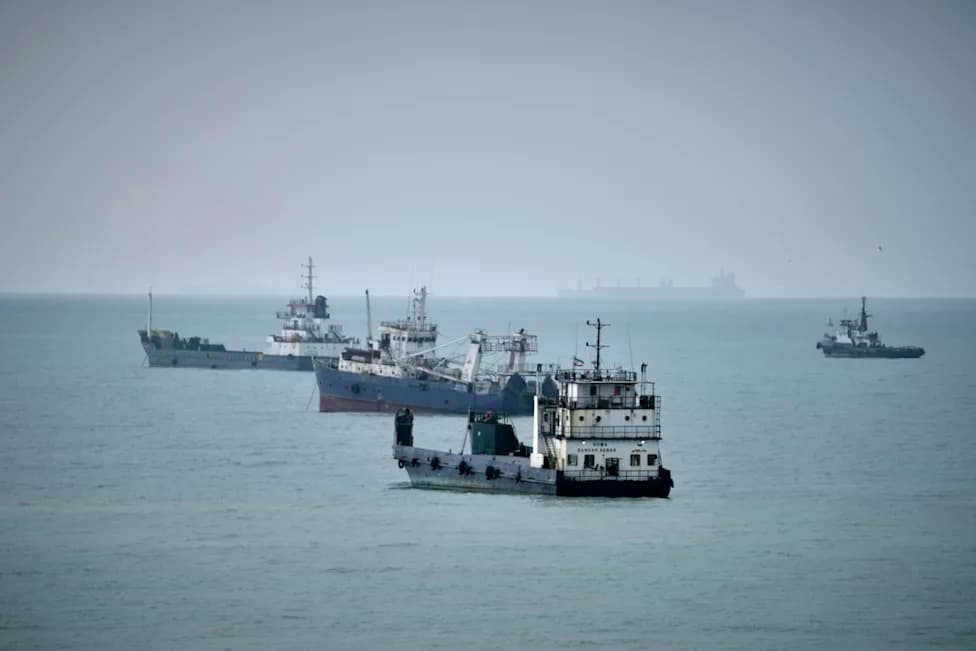
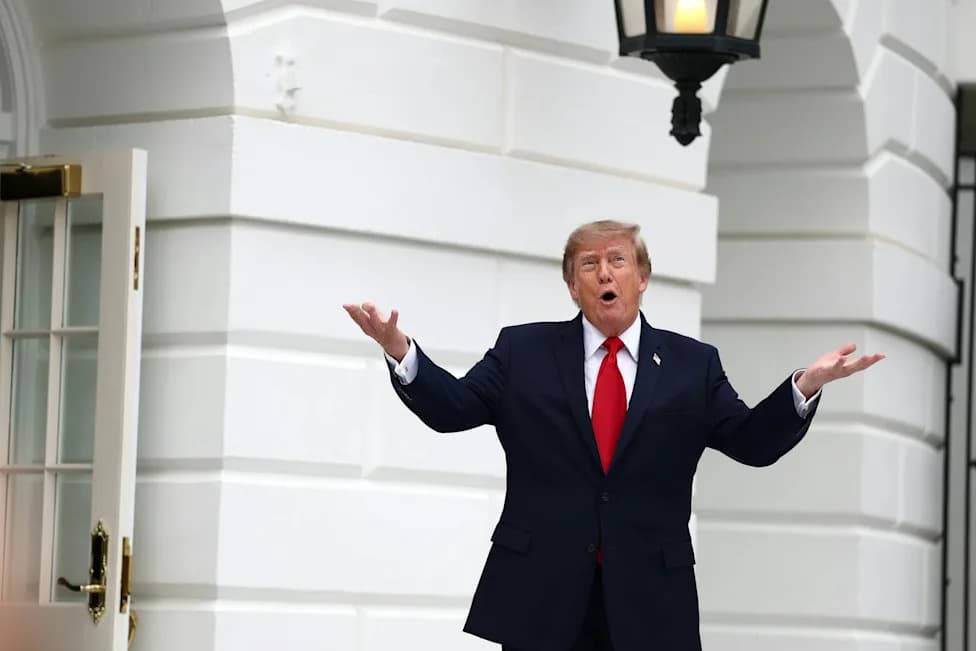
President Donald Trump publicly pressed NATO and several key U.S. allies — France, Britain, Japan and South Korea — to deploy warships and mine-countermeasure systems to help reopen the Strait of Hormuz. To date, neither NATO nor any of the named governments has agreed to the request.
British Response: Prime Minister Keir Starmer has offered limited base access to American forces but insisted any British role be restricted to “limited defensive action.” Facing strong domestic opposition to involvement and falling approval ratings since Labour's 2024 parliamentary victory, Starmer has been careful to say the U.K. "will not be drawn into the wider war." The U.K.'s cautious stance on large-scale U.S. operations recalls its more measured support during the Vietnam era.
European Hesitancy: France and Germany have likewise declined to join U.S. operations in the Strait, reflecting a pattern of greater caution in recent decades. Although both backed Operation Enduring Freedom in Afghanistan, they refused to participate in the 2003 Iraq campaign.
East Asian Allies: Japan has stated it will not take part in Gulf operations, and South Korea has been slow to respond. Seoul has been reluctant to release Patriot missile batteries the U.S. deems necessary for operations against Iran, even as it recognizes potential pressure to comply. South Korea’s delay signals a preference to avoid direct involvement.
Australia and Other Partners: Australia said it will not send ships to the Strait of Hormuz; Transport Minister Catherine King clarified Canberra was not contributing and had not been formally asked. Other partners have likewise been noncommittal.
China And A Diplomatic Flap: A visibly frustrated President Trump warned NATO of a "very bad future" if it did not support the U.S. effort and then surprised observers by requesting assistance from China, noting Beijing’s heavy reliance on Strait-borne oil. China rejected the appeal, with Foreign Ministry spokesman Lin Jian calling for an immediate halt to military operations to avoid wider escalation and economic disruption.
Strategy And Incentives: Mr. Trump later framed his NATO outreach as a "test," softening his initial criticism but underscoring how dependent U.S. operations can be on allied participation. While the United States may be able to act alone in this instance — or coordinate with Israeli strikes against Iranian vessels and minelayers — that option may not be viable in future contingencies. One diplomatic lever suggested in commentary is offering trade concessions, such as rolling back recently imposed tariffs, to entice reluctant partners.
Author: Dov S. Zakheim is a senior adviser at the Center for Strategic and International Studies and vice chairman of the board for the Foreign Policy Research Institute. He previously served as Undersecretary of Defense (Comptroller) and Chief Financial Officer for the Department of Defense (2001–2004) and as Deputy Undersecretary of Defense (1985–1987).
Copyright 2026 Nexstar Media, Inc. All rights reserved.
Help us improve.