Shahed drones are inexpensive but effective because they limit reliance on GPS, using inertial navigation and anti‑jamming hardware to bypass many protections. Built from radar‑absorbing materials and flying low, they are harder to detect and intercept. Defenders use a mix of kinetic intercepts, electronic warfare (jamming and spoofing) and emerging directed‑energy systems; Ukraine’s recent EW effort neutralized thousands of drones in a short period.
Why Shahed Drones Are So Hard To Stop — Cheap, Stealthy and Resistant to Jamming
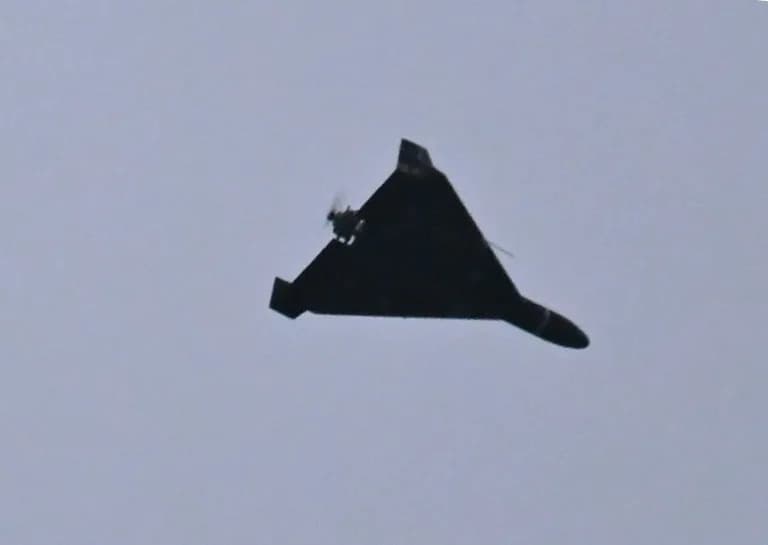
An Iranian-designed drone seen over the Ukrainian capital in December 2025 (Sergei SUPINSKY)(Sergei SUPINSKY/AFP/AFP)
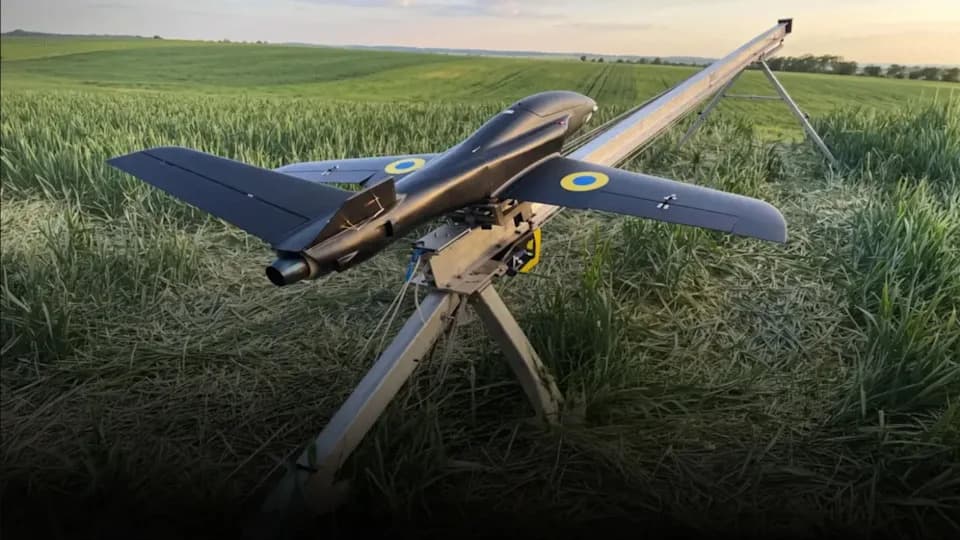
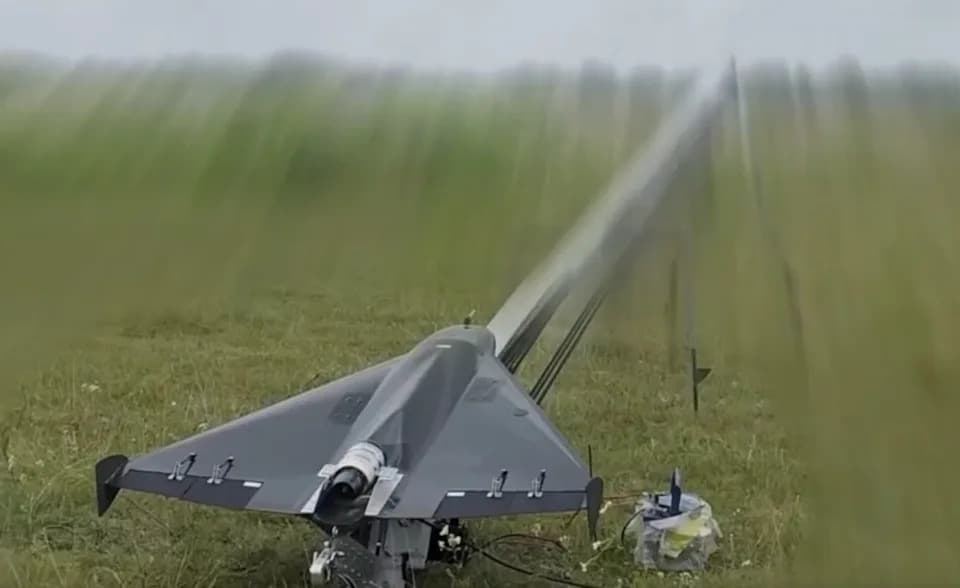
Shahed drones — inexpensive, small attack drones designed to detonate on impact — have proven difficult to stop in recent conflicts because of navigation workarounds, anti‑jamming hardware and low observability. Their combination of off‑the‑shelf components and targeted upgrades lets them reach targets despite layered air defenses.
Offline Navigation
Shaheds typically obtain a GPS fix just before or shortly after launch, then switch off their satellite receivers and navigate most of the route using an inertial navigation system (INS) that relies on gyroscopes and motion sensors to track speed, heading and position. This approach avoids predictable GPS jamming around protected targets. Some drones switch back to GPS in the final moments to improve accuracy, while others complete the strike entirely on inertial guidance — trading some precision for resilience.
Anti‑Jamming Mechanisms
Analysts found that Shahed variants — and derivatives produced in other countries — increasingly include antenna interference suppression and other anti‑jamming features that help preserve valid satellite signals while filtering out hostile interference. Industry sources reported such mechanisms in wreckage recovered after attacks in the region. These capabilities mean effective defence increasingly requires advanced electronic warfare tools rather than only basic jamming systems.
Stealth Materials and Low Profile
Shahed airframes are largely built from lightweight, radar‑absorbing materials such as plastics and fiberglass. Their small size and low‑altitude flight profiles help them present a smaller radar cross‑section, enabling many to slip through or below some air‑defence radars and interception corridors.
Multiple Positioning Systems
To further counter jamming, some variants appear to support multiple navigation sources. Observers point to use of China’s BeiDou system and Russia’s GLONASS alongside GPS. There are also unconfirmed suggestions that Iran has explored LORAN, a ground‑based radio navigation system that does not rely on satellites; Iran announced LORAN revival plans in 2016, but experts have not verified an active nationwide service.
Counter‑Strategies
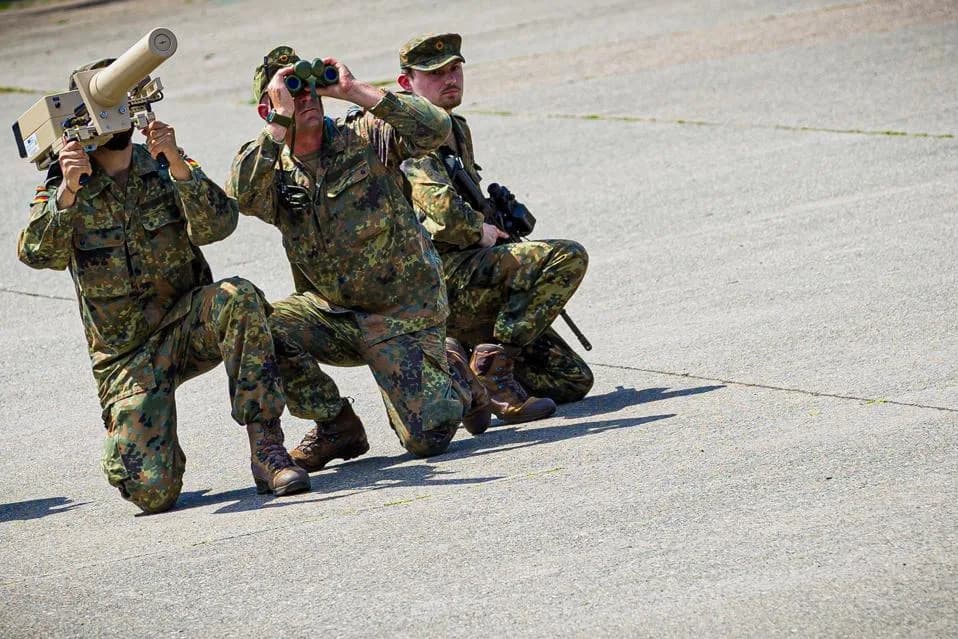
Defenders today rely on layered responses: kinetic intercepts (gunfire, surface‑to‑air missiles and interceptor drones), electronic warfare (jamming and spoofing) and emerging directed‑energy weapons such as high‑energy lasers. Spoofing — corrupting or replacing the drone’s navigation inputs — can redirect or neutralize a vehicle without shooting it down. Ukraine has shown the value of electronic measures: from mid‑May to mid‑July 2025 it reported neutralizing 4,652 attack drones by electronic warfare, a figure close to the 6,041 drones it said were shot down in the same period. Military experts emphasize that mixing electronic and conventional defences is often the most effective approach.
Outlook: Shahed‑style systems remain a cost‑effective strike option because upgrades can be added incrementally. As defenders invest in both advanced electronic warfare and improved kinetic layers — including lasers — attackers continue to adapt with multisource navigation and anti‑jamming techniques. The result is an evolving contest in which combined, adaptive defenses are the best hope of reducing the threat.
Help us improve.