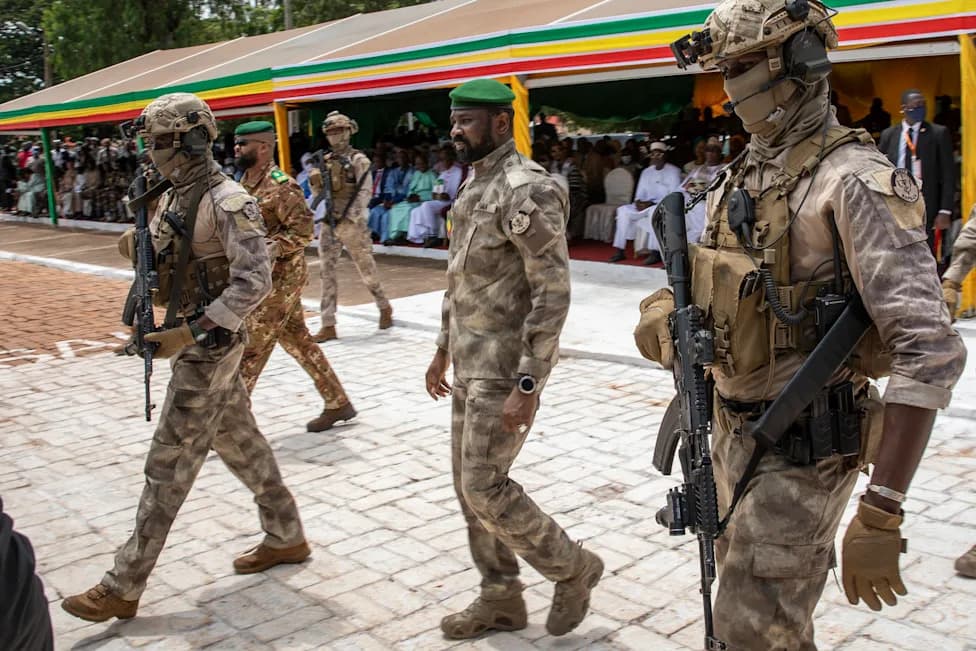
The Trump administration is reengaging with military-led governments in the Sahel, with senior State Department visits to Mali, Burkina Faso and Niger and talks to restore U.S. activity over Malian airspace. Officials say the pivot is pragmatic cooperation to rebuild counterterrorism capabilities and secure critical minerals, not an endorsement of junta takeovers. The shift departs from the Biden-era sanctions approach and has sparked debate over U.S. influence, democratic principles and the region’s growing ties to Russia and China.
U.S. Reengages With Sahel Military Governments as Counterterrorism and Mineral Interests Drive Policy Shift
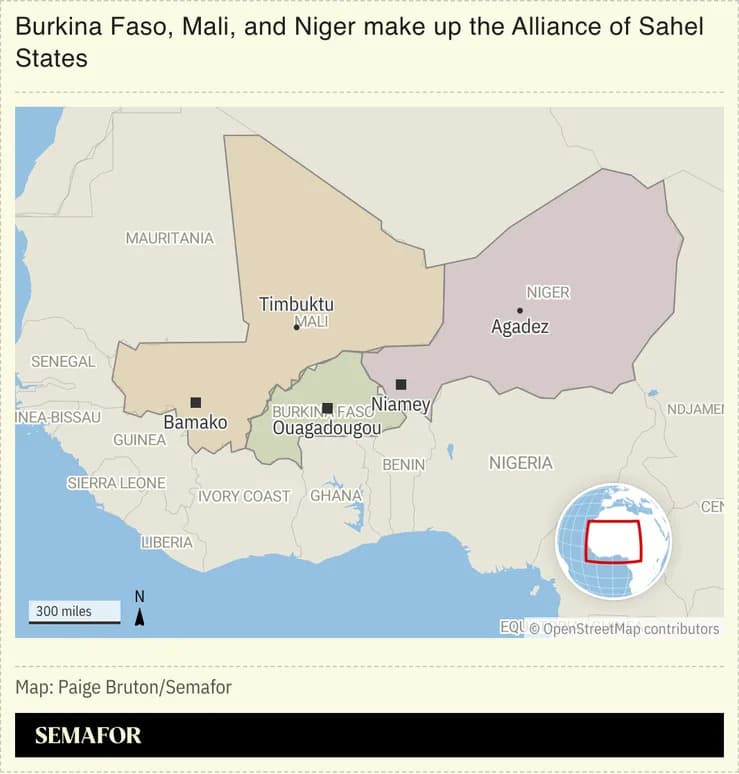
Map of Sahel states in West Africa
The Trump administration is pivoting toward renewed engagement with military-led governments in the Sahel, dispatching a senior State Department official on consecutive trips to Mali, Burkina Faso and Niger as Washington nears an intelligence-sharing arrangement with Bamako.
Diplomatic Outreach To The Alliance Of Sahel States
Nick Checker, who leads the State Department’s Bureau of African Affairs, visited Burkina Faso and Niger following a recent trip to Mali. Those visits underscore a concerted diplomatic outreach to members of the Alliance of Sahel States, a coalition of military-run governments that have distanced themselves from traditional Western partners.
Pragmatism, Not Endorsement, Says U.S. Official
Checker told Semafor the engagement is "not an endorsement" of how these regimes came to power, framing the visits as pragmatic cooperation intended to preserve space for a credible transition to democratic rule over time. U.S. officials emphasize two priorities driving the shift: rebuilding a counterterrorism footprint and securing access to strategic minerals found in the region.
Intelligence Sharing And Sanctions Relief
The trip coincided with Reuters reporting that the U.S. is close to finalizing an agreement with Mali to restore American operations over Malian airspace as Al Qaeda-aligned militants expand in parts of the country. Last month, the administration lifted sanctions on Mali’s defense minister and other senior officials accused of ties to Russian mercenaries — a conciliatory move that drew criticism from Senator Cory Booker (D-New Jersey) during the confirmation hearing for Frank Garcia, the nominee for assistant secretary of State for African Affairs.
"This is pragmatic cooperation," said Checker, adding that U.S. engagement is intended to create conditions for eventual democratic transitions rather than to endorse coups.
Break With Previous Policy And Reactions
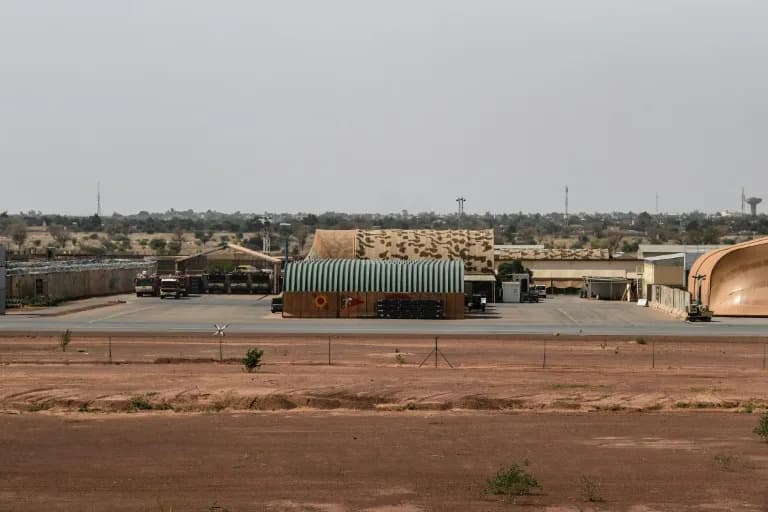
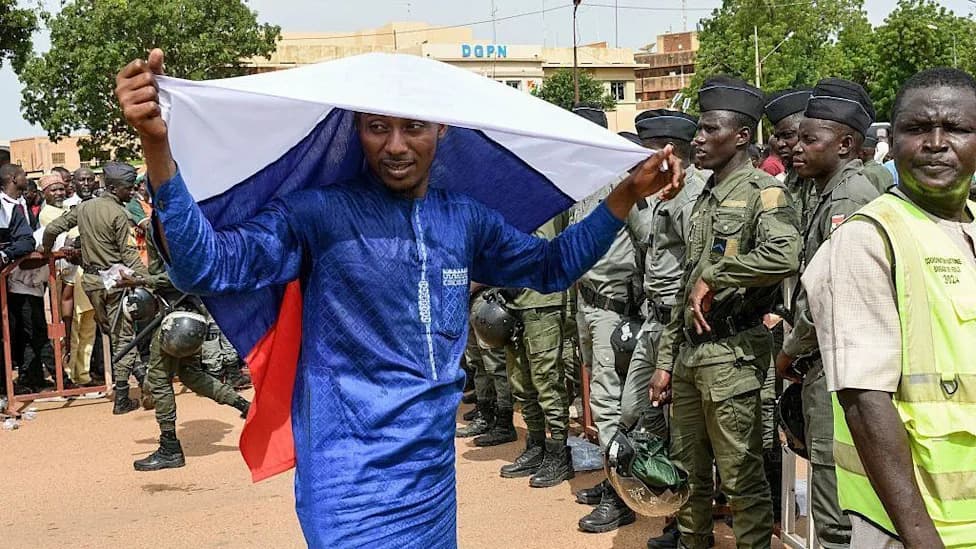
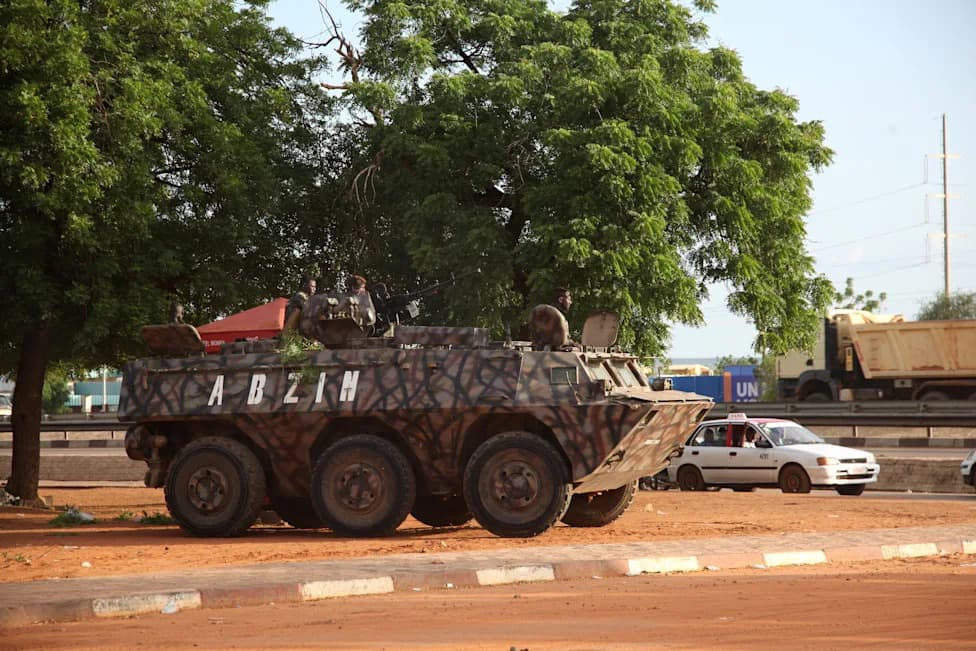
The approach marks a clear departure from the Biden administration’s reliance on sanctions and public pressure to encourage democratic transitions. After Niger’s 2023 coup, Washington conditioned continued support on limits to partnerships with Russia and Iran — a stance junta leaders rejected as patronizing. That friction culminated in the 2024 expulsion of U.S. forces from Niger, including the loss of a key drone base at Agadez.
Critics argue that the earlier sanctions-based strategy backfired, pushing Sahel states toward Russia and China and hollowing out U.S. influence. Others warn the new posture risks eroding U.S. moral authority and soft power. "The Trump administration has upended the decades-long, bipartisan consensus to support democracy globally," Alexander Noyes of the Brookings Institution said, warning of long-term costs to American influence.
Geopolitics, Minerals And Security
Observers also view the normalization push through the lens of global competition for critical minerals and broader geopolitical positioning. Rama Yade, a former French human rights minister and Atlantic Council Africa Center director, said the Sahel’s natural resources are central to international interest, while also noting that the inability of outside partners — including Russian forces — to stem terrorism has left local regimes with few options.
Meanwhile, the Wagner Group has formally withdrawn from Mali and been replaced by a state-backed unit referred to as the Russia-backed Africa Corps; Mali’s ambassador to the United States has denied that Russian personnel are engaged in active combat. The U.S. move signals that Washington is prepared to engage with de facto authorities where its security and economic interests are at stake, even as questions remain about long-term consequences for democracy in the region.
Help us improve.