The NRSC released an 85‑second AI‑generated ad that portrays a fabricated James Talarico reading real tweets and adding scripted praise he did not make. Although the video includes an AI GENERATED label, critics say the disclosure is too small and faint to be meaningful. Experts warn synthetic media is becoming more common in campaigns, prompting calls for clearer national rules even as state laws like Texas’s place limited timebound restrictions on deceptive political deepfakes.
NRSC Releases 85‑Second AI Deepfake of James Talarico — Sparks Legal, Ethical Debate Ahead of Midterms
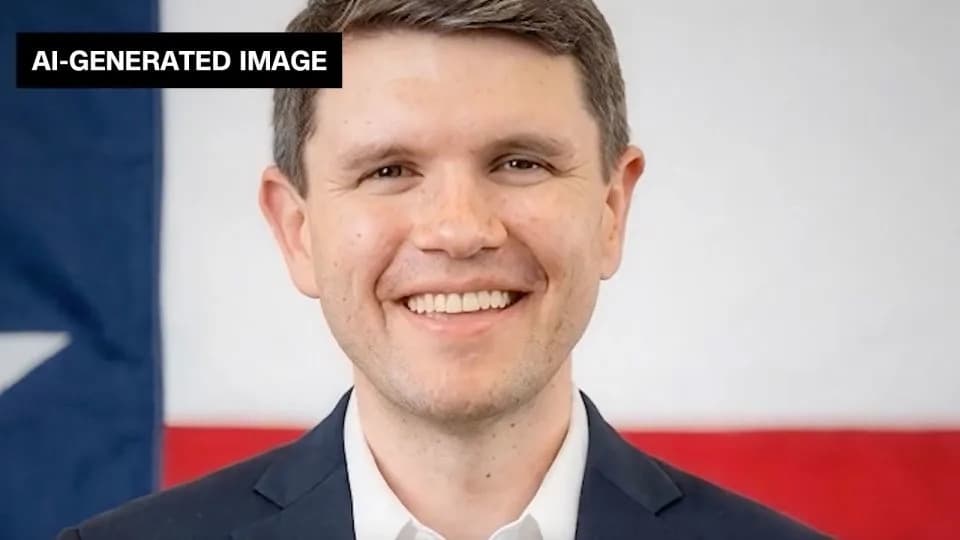
A screengrab of an AI-generated fake video of Democratic candidate for Senate James Talarico, posted to X by Senate Republicans on March 11, 2026. - Senate Republicans/X
The National Republican Senatorial Committee (NRSC) this week published an 85‑second online ad that uses artificial intelligence to create a highly realistic but fabricated version of Democratic Senate nominee James Talarico speaking directly to the camera. The spot — the latest synthetic video from the national GOP campaign organization this cycle — reenacts real tweets while adding scripted praise the real candidate did not make, renewing debate over disclosure, deception and regulation of deepfakes in politics.
What the Ad Shows
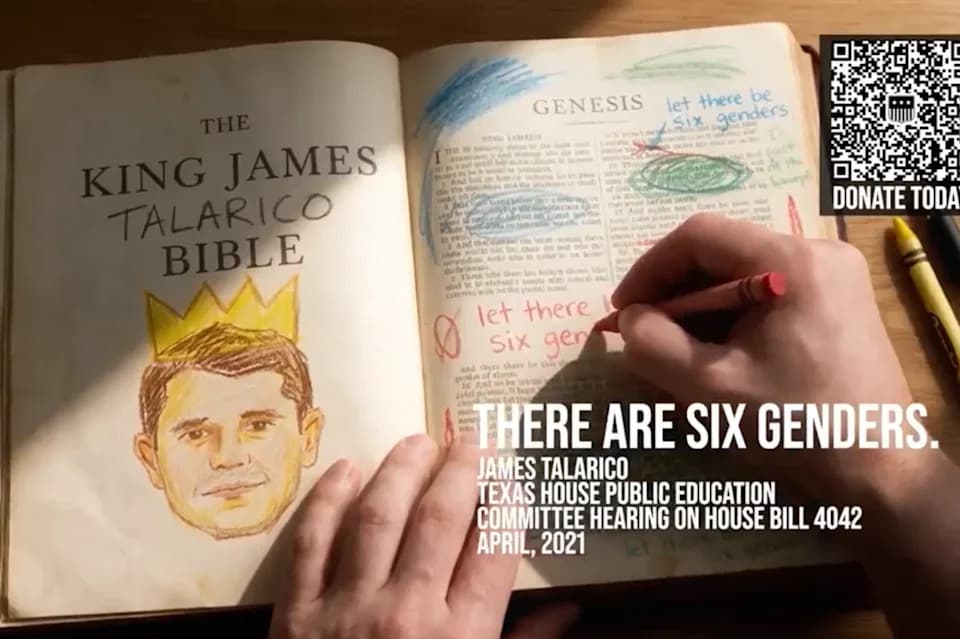
The ad depicts an AI-generated “Talarico” reading excerpts from authentic 2021 tweets about transgender issues, race and religion, and a 2013 tweet recalling attendance at a Planned Parenthood event as a teenager. In addition to those authentic lines, the synthetic likeness delivers newly scripted reactions — such as “oh, this one is so touching” and “oh, I love this one too” — that there is no evidence the real Talarico actually spoke.
Disclosure And Presentation
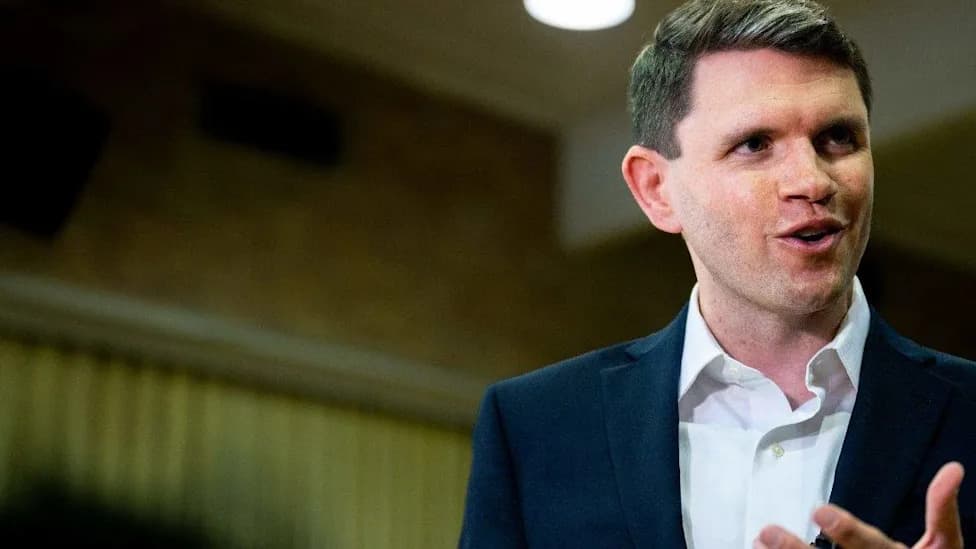
The piece opens and closes with a narrator describing the footage as a “dramatic reading,” and an on‑screen label reading AI GENERATED appears intermittently. Observers note the disclosure is small and faint for most of the ad, confined to a bottom corner while the artificial Talarico — shown in a blazer and open‑collared shirt — closely resembles the actual candidate.
“The face and voice are very good. There is a slight misalignment between audio and video, but otherwise this is hyper‑realistic and I don’t think that most people would immediately know it is fake,” said Hany Farid, a digital forensics professor at UC Berkeley.
Responses And Defense
An NRSC source defended the spot as an effective way to highlight an opponent’s words, saying, “These are Talarico’s real words … all we have done is visualize them for voters using a modern tool, within all legal and ethical parameters.” NRSC communications director Joanna Rodriguez said Democrats were “panicking after hearing James Talarico’s own words.” Talarico’s campaign called the ad misleading and said opponents are “making deepfake AI videos to mislead Texans.”
Legal Context
Texas has one of the strictest state laws on political deepfakes: a 2019 statute makes it a misdemeanor, punishable by up to one year in jail, to create and distribute a deceptive deepfake within 30 days of an election if done with intent to deceive and influence the outcome. That window does not apply to the current timing of the ad; the Republican primary runoff in Texas is scheduled for late May and the 2026 midterms are in early November.
Broader Trend And Other Examples
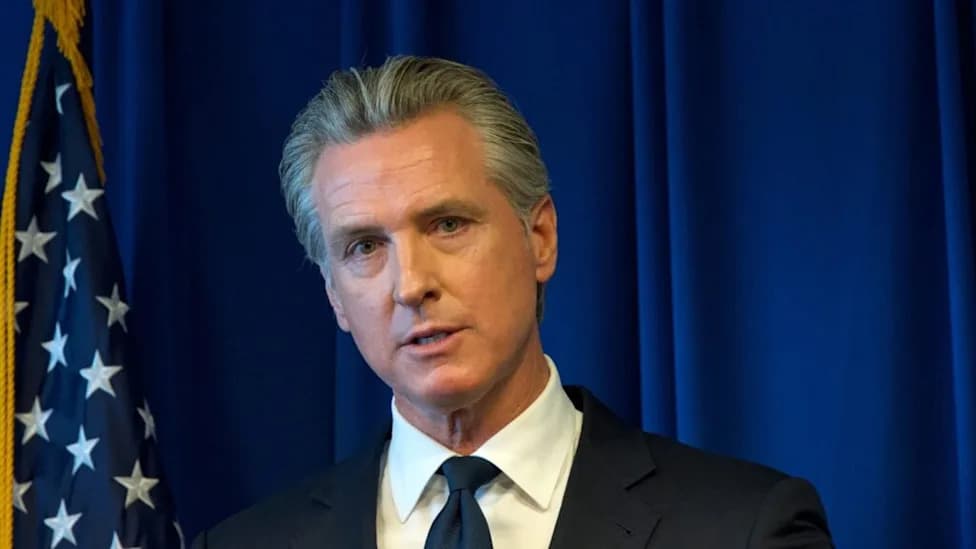
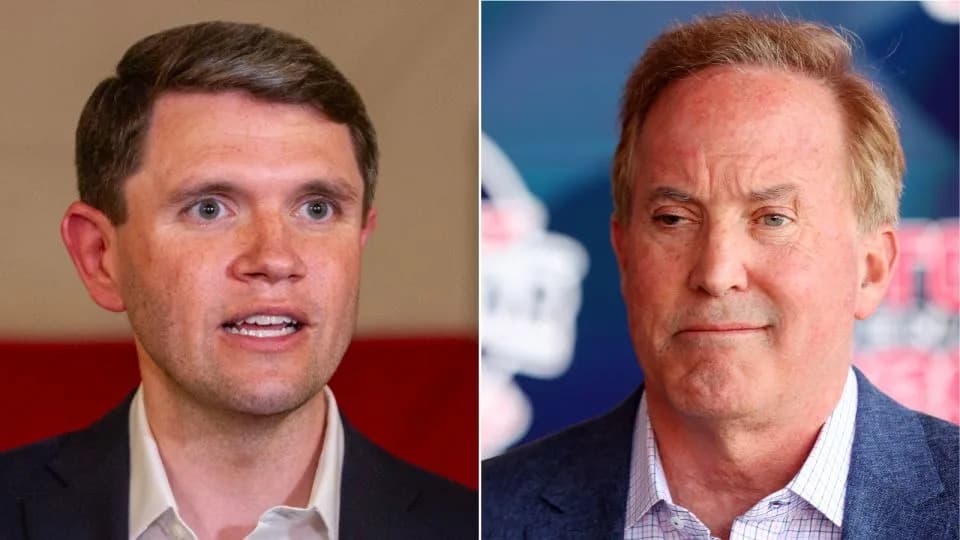
Experts say synthetic media has proliferated during the 2026 midterm cycle as rapid improvements in AI make fake videos easier and more convincing. Both parties have used AI tools in campaign content: examples include doctored images and videos tied to the DeSantis presidential effort, a 2024 robocall controversy involving an AI voice resembling President Biden, and synthetic clips in the Texas Senate primary involving John Cornyn, Ken Paxton and Jasmine Crockett. California Gov. Gavin Newsom has also posted fictional AI videos for political commentary.
Why This Matters
Critics argue small, faint disclosures are insufficient and that presenting a candidate as reading or reacting to real posts can change how viewers interpret those statements. Supporters of regulation — including some bipartisan voices in Congress — are calling for clearer national standards, while opponents raise First Amendment concerns. As Sarah Kreps of Cornell’s Tech Policy Institute puts it, campaigns increasingly view synthetic media as a tactical tool that can be used openly if labeled, but the adequacy of that labeling remains contested.
Bottom line: The NRSC ad illustrates how quickly AI tools are reshaping political advertising and highlights the urgent policy questions about disclosure, deception and enforcement that lawmakers and regulators must address before deepfakes become routine in campaigns.
Help us improve.