Summary: A viral image purportedly showing President Trump kissing aide Natalie Harp was called "clearly a fake photo" by the White House after Snopes and others found AI-editing watermarks and visual anomalies like a six-fingered hand. The episode follows a string of AI-generated posts from Trump—most notably a false video of explosions on Iran's Kharg Islands that prompted a Defense Department clarification. Experts warn that generative AI deepens the challenge of debunking disinformation because convincing people to doubt what they believe they saw is especially difficult.
AI Imagery Turns on Its Creator: Viral Fake Photo Targets Trump — And Natalie Harp
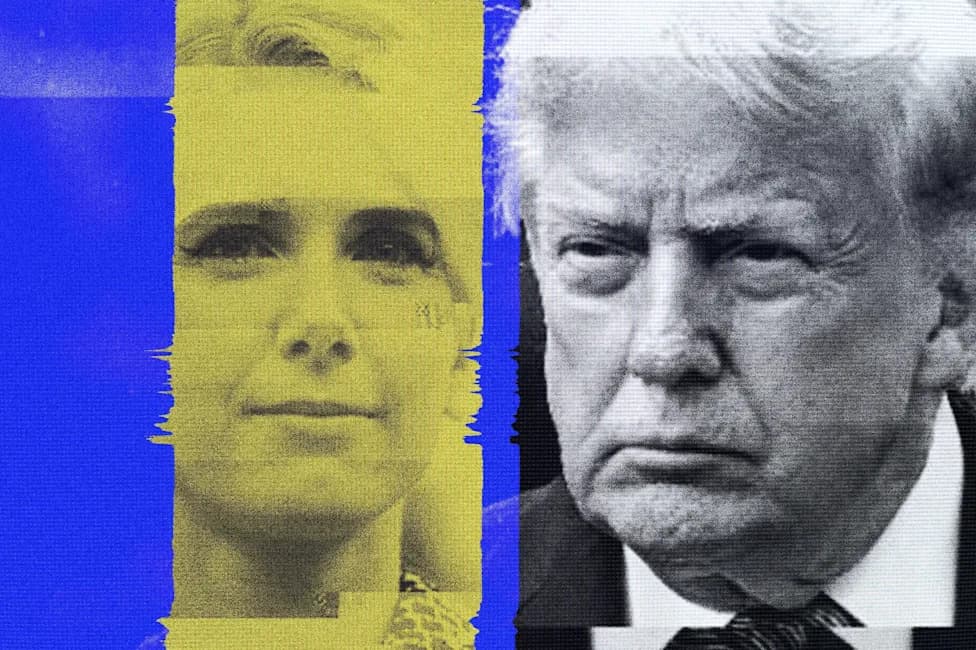
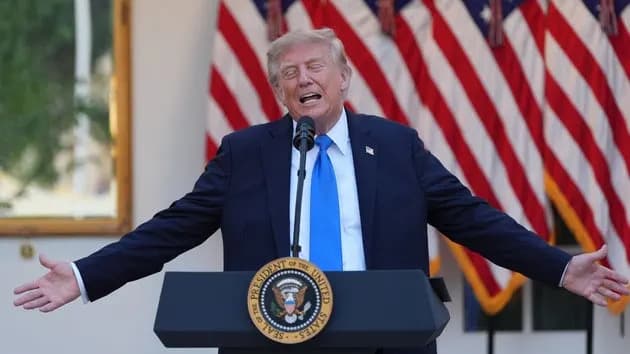
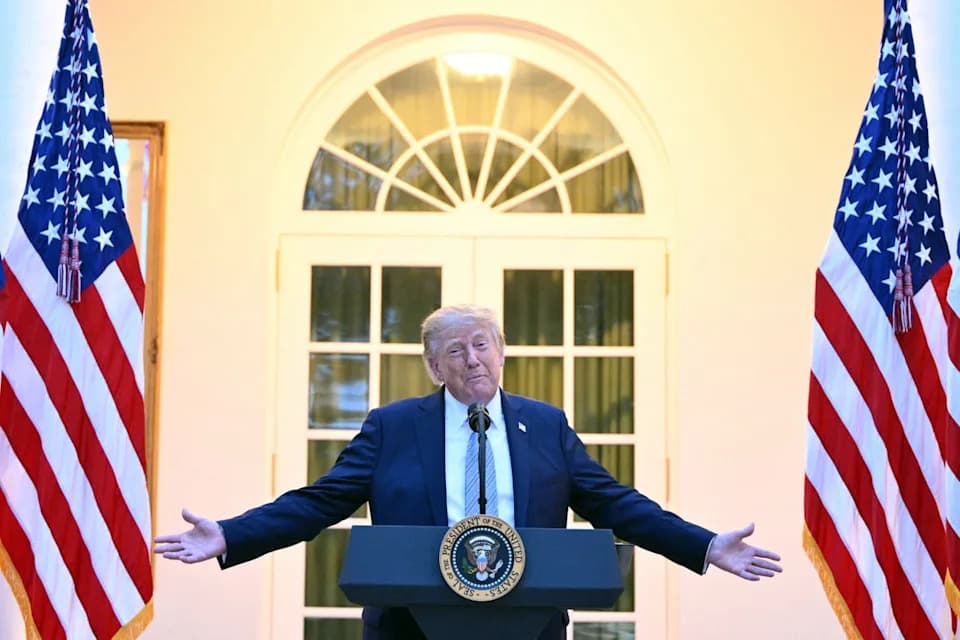
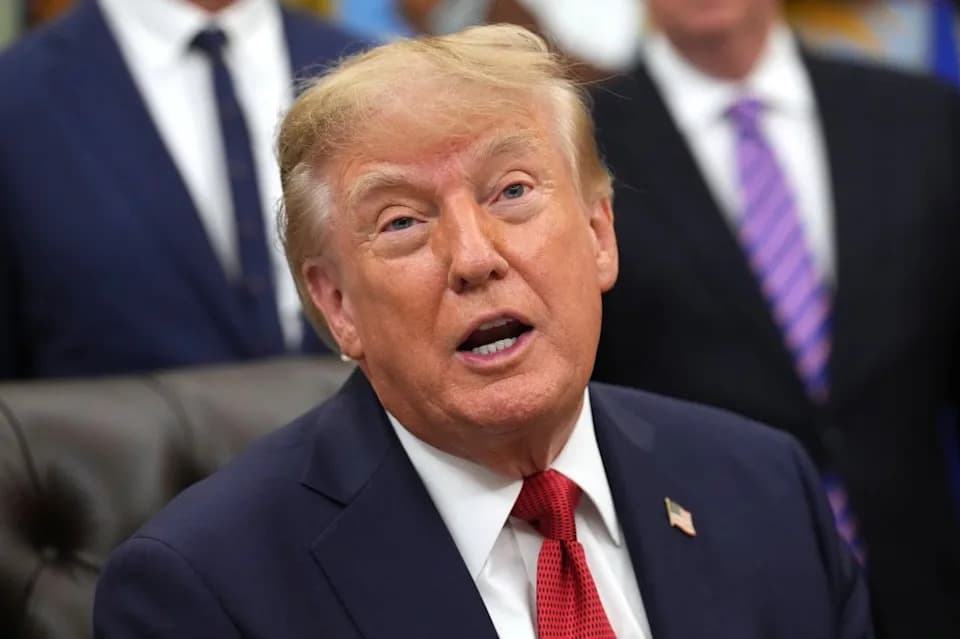
No one in American politics has done more than Donald Trump to make fake imagery a routine tool of political communication — and now, fittingly, it has been turned back around on him.
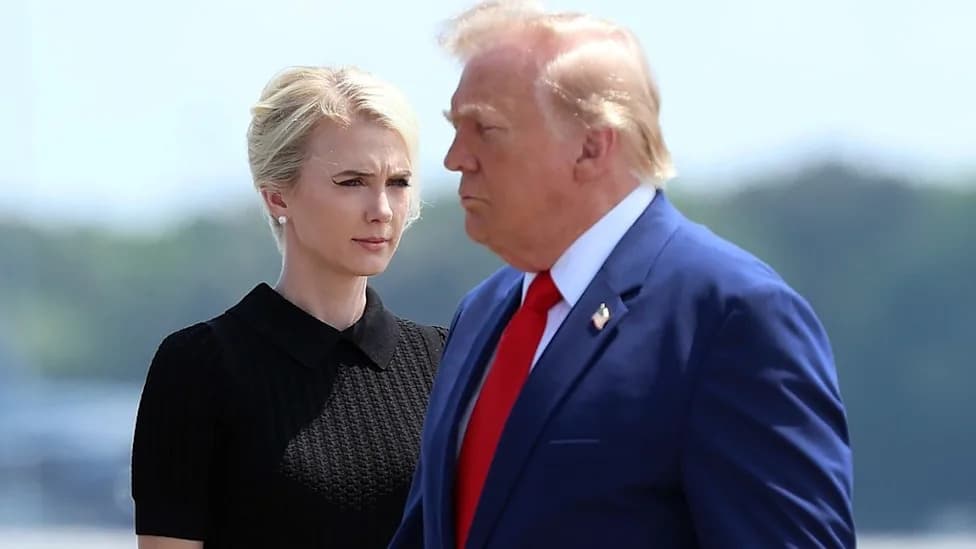
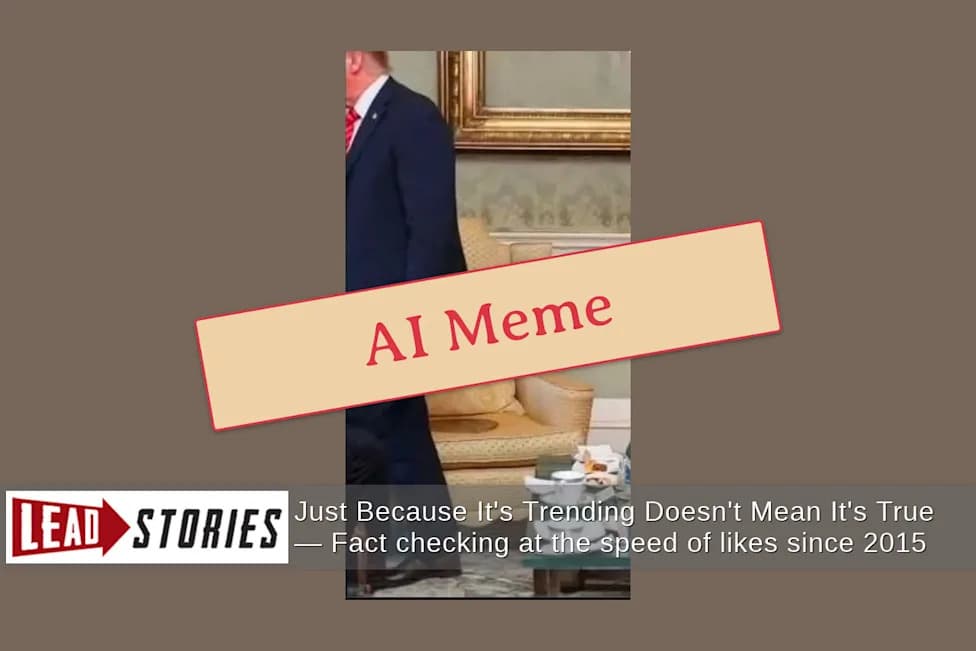
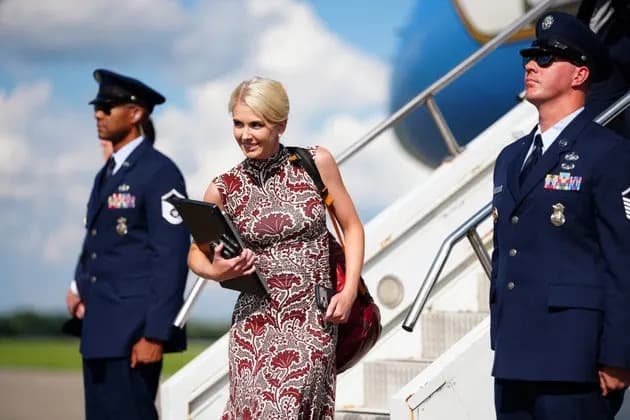
A widely shared image alleging that President Donald Trump kissed his executive assistant, Natalie Harp, was declared "clearly a fake photo" by a White House official after fact-checkers and observers flagged signs of AI editing.
What Happened
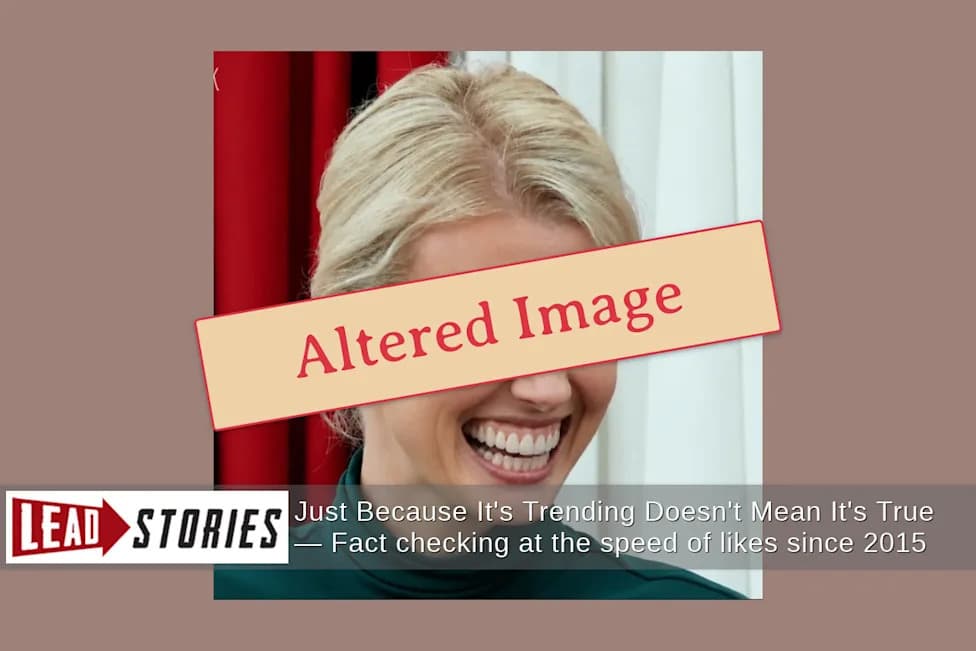
Snopes reported that the clearest circulating copy of the image carried a watermark indicating it had been edited with artificial intelligence tools, and analysts pointed to visual anomalies—most prominently a six-fingered hand—that undermined the picture's authenticity. The image followed reporting about Harp's close relationship with Trump, including letters in which she calls him her "Guardian and Protector in this Life" and a reported $45,000 gift Trump gave to her and two other aides, details that helped the fabricated photo spread rapidly online.
Why It Matters
"This is clearly a fake photo," a White House official told The Daily Beast.
Even with an official denial and fact-checks, the episode highlights a major challenge of the digital age: once a vivid image or clip has circulated widely, later corrections often fail to erase the first impression for many viewers.
A Familiar Pattern
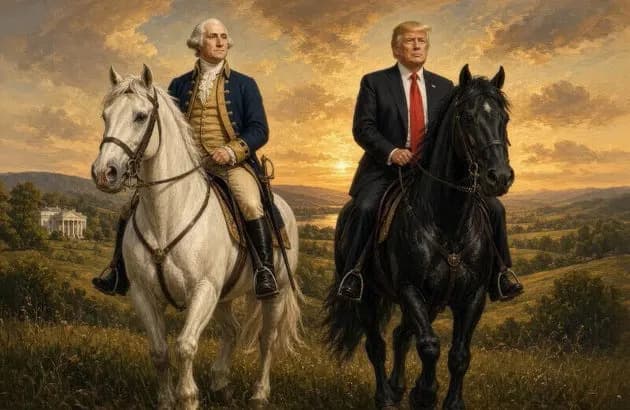
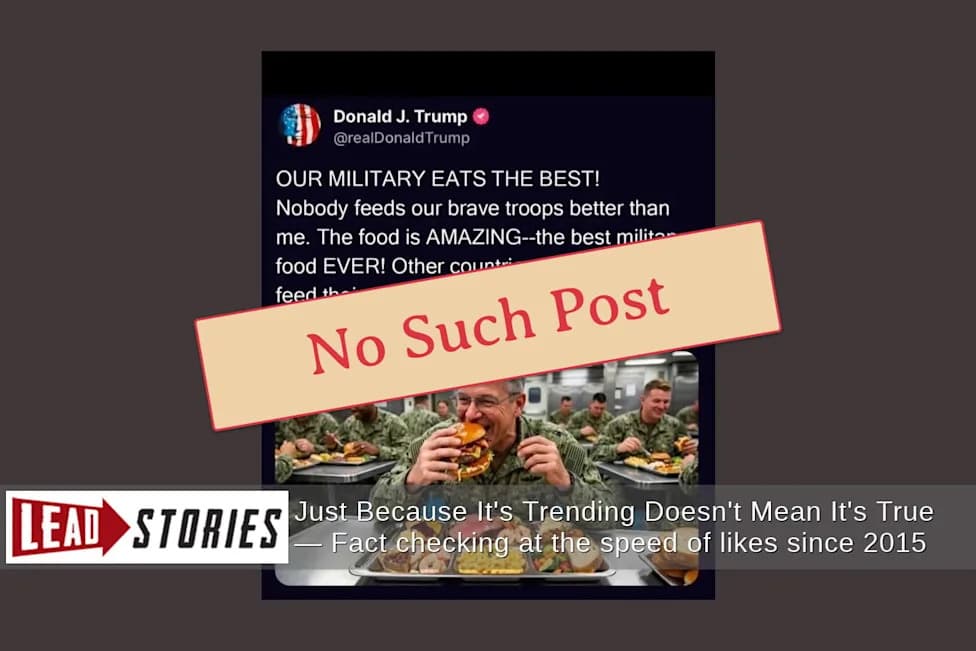
The Harp photo is part of a broader pattern in which manipulated media have become a routine element of political communications. On Aug. 30, Trump posted an AI-generated video that appeared to show explosions on Iran's Kharg Islands; Reuters reported there was no corroborating evidence of an attack, and the Defense Department clarified that the United States had not struck the islands. In the days that followed, the president shared several other AI-generated images—such as a portrayal of himself on horseback beside George Washington and an altered image of Robert De Niro holding a "Trump Is My President" shirt.
Context and Risks
Concerns about manipulated media are not new. In 2016, false viral claims (including the so-called "Pizzagate" conspiracy) fueled real-world harm and showed how online falsehoods can escalate. Generative AI deepens this threat by making realistic—but fabricated—images and videos easier and faster to produce and spread, complicating efforts by platforms, media outlets, and institutions to counter disinformation.
Different Approaches
The Biden administration and the 2024 Biden campaign have taken a cautious stance on AI: the campaign explicitly forbade deepfakes in its materials. By contrast, the steady stream of AI-derived imagery in Trump's public communications has normalized the tactic and prompted warnings from experts about the political risks of weaponized generative AI.
What Comes Next
Fact-checks, official denials, and platform moderation remain essential, but they may not be sufficient to fully undo the impact of viral fakes. The Harp episode illustrates how generative AI can be used against the very people who popularize it, and it underscores the need for clearer rules, stronger platform policies, and better public media literacy to limit the harms of manipulated political media.
Help us improve.