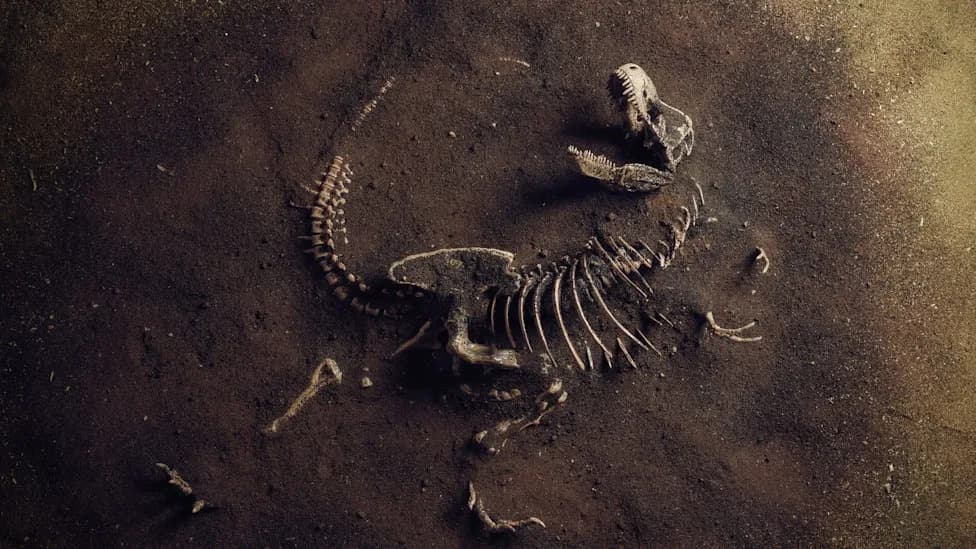
A reanalysis of a tibia found in northwestern New Mexico in the 1970s shows it belonged to a large tyrannosaur that lived about 74 million years ago and may be a direct ancestor or very close relative of Tyrannosaurus rex. The shinbone is roughly 3.2 feet long and indicates an animal of about 4.7 tons and roughly 35 feet in length — smaller than the famed T. rex specimen Sue but larger than many contemporaries. Because only one bone has been found, researchers have given it the informal name "Hunter Wash tyrannosaur" and say more fossils are needed to confirm its exact relationship to T. rex.
Large New Mexico Shinbone May Belong To A Close Relative — Possibly An Ancestor — Of T. rex
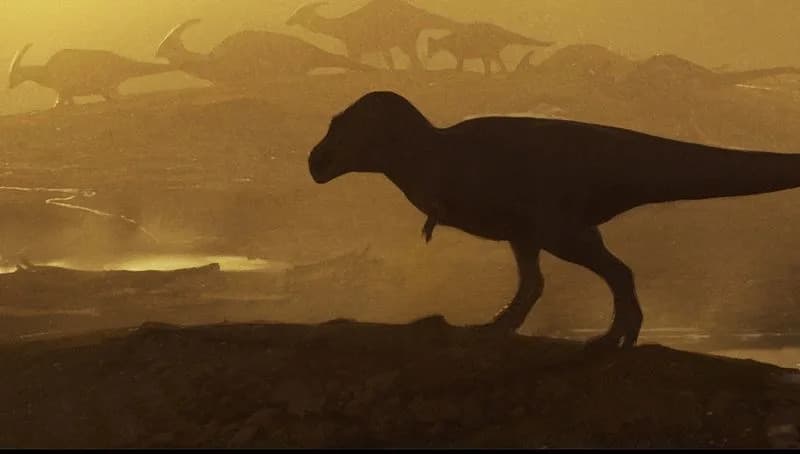
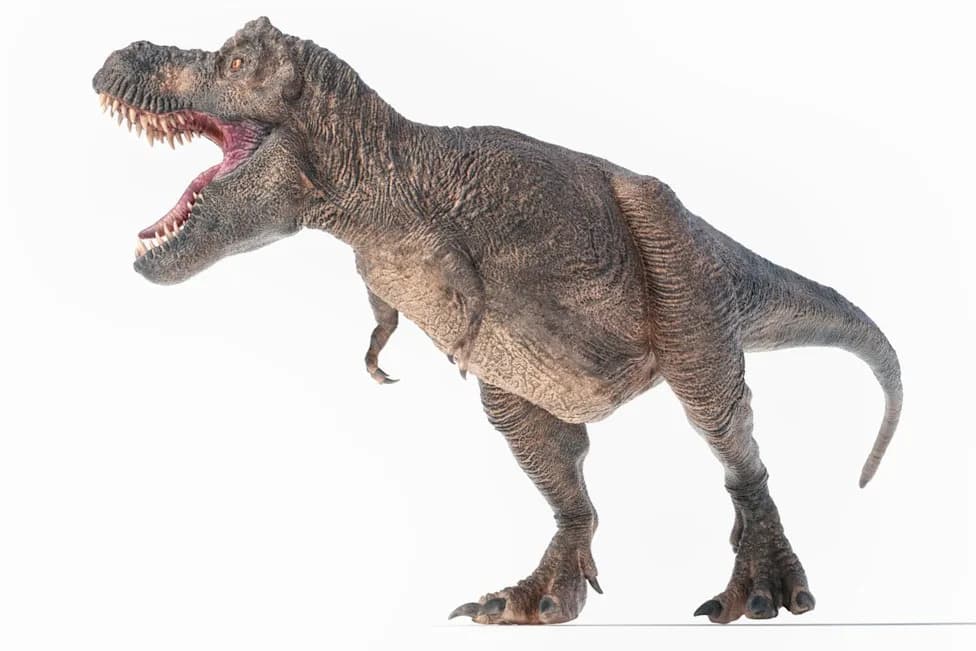
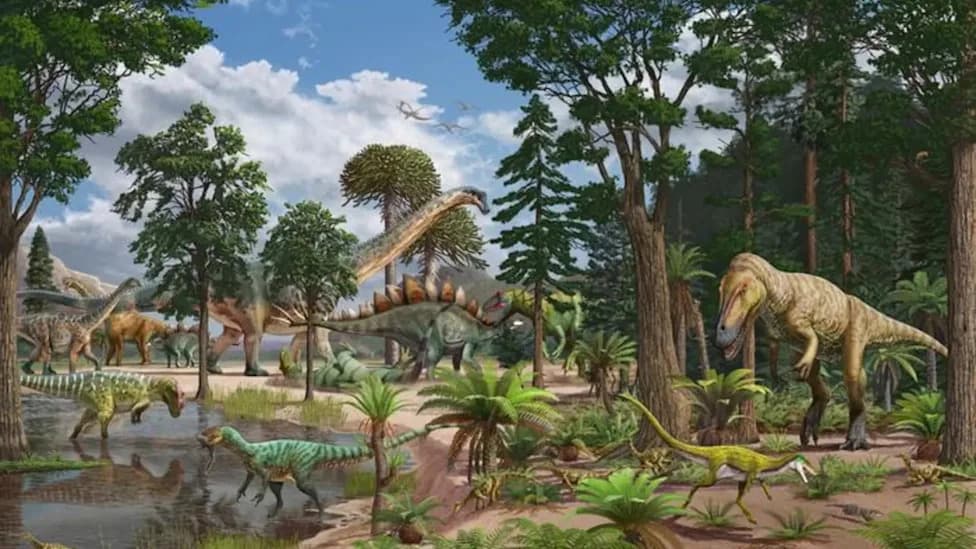
An artist's impression of a giant tyrannosaur, with duckbilled dinosaur Parasaurolophus individuals in the background in New Mexico about 74 million years ago, in this undated illustration. Chase Stone/via REUTERS
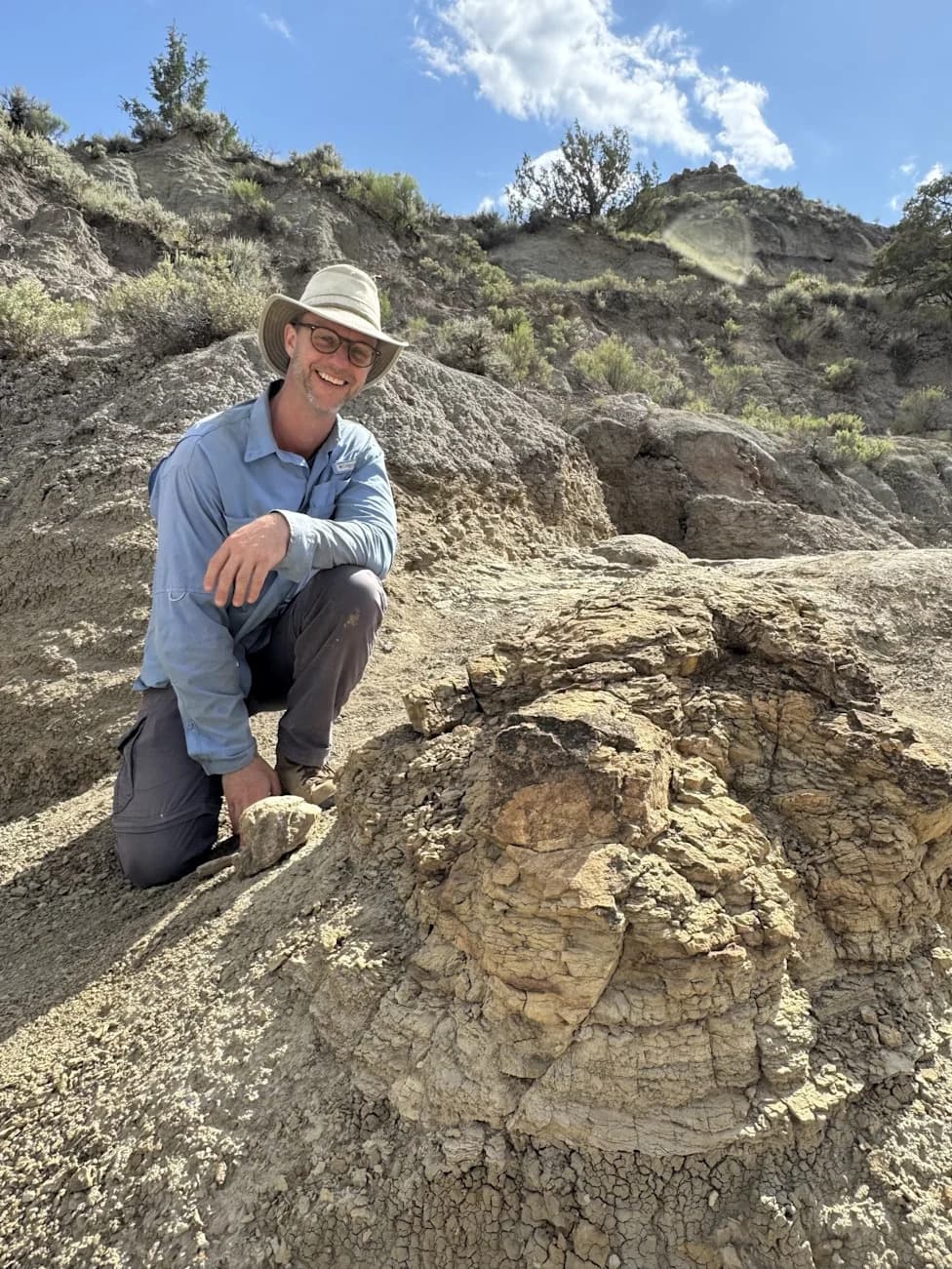
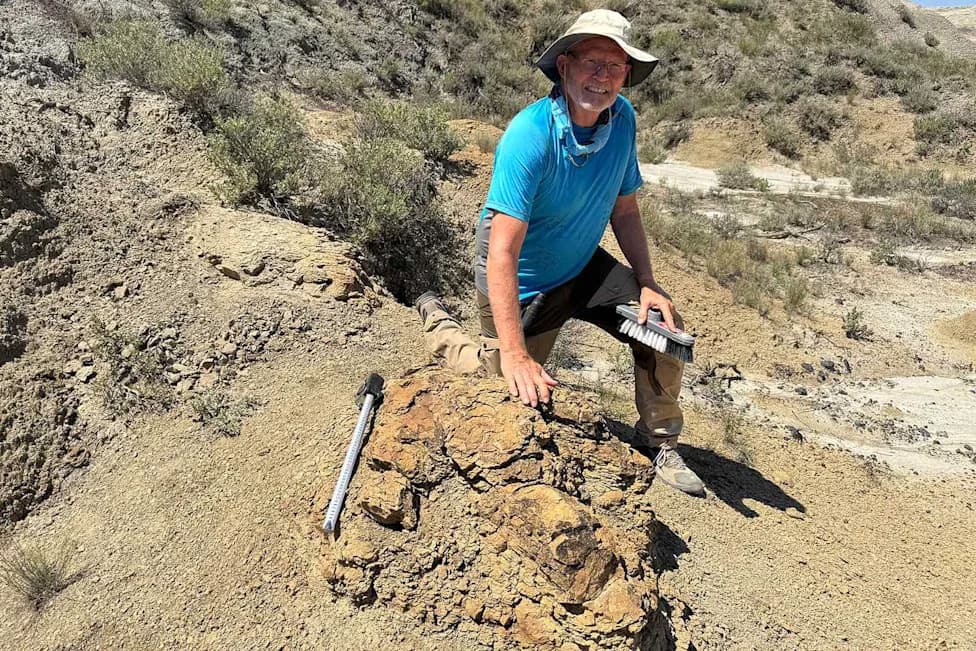
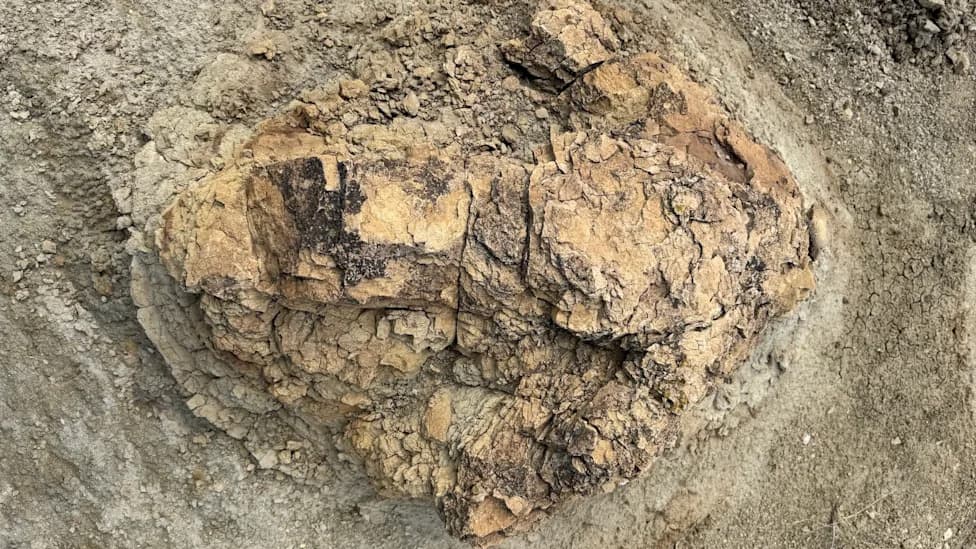
A large shinbone excavated in a remote area of northwestern New Mexico in the 1970s has been reexamined and identified as belonging to a tyrannosaur closely related to Tyrannosaurus rex. The tibia dates to about 74 million years ago in the Late Cretaceous and may represent an animal that lived several million years before — and possibly directly ancestral to — T. rex.
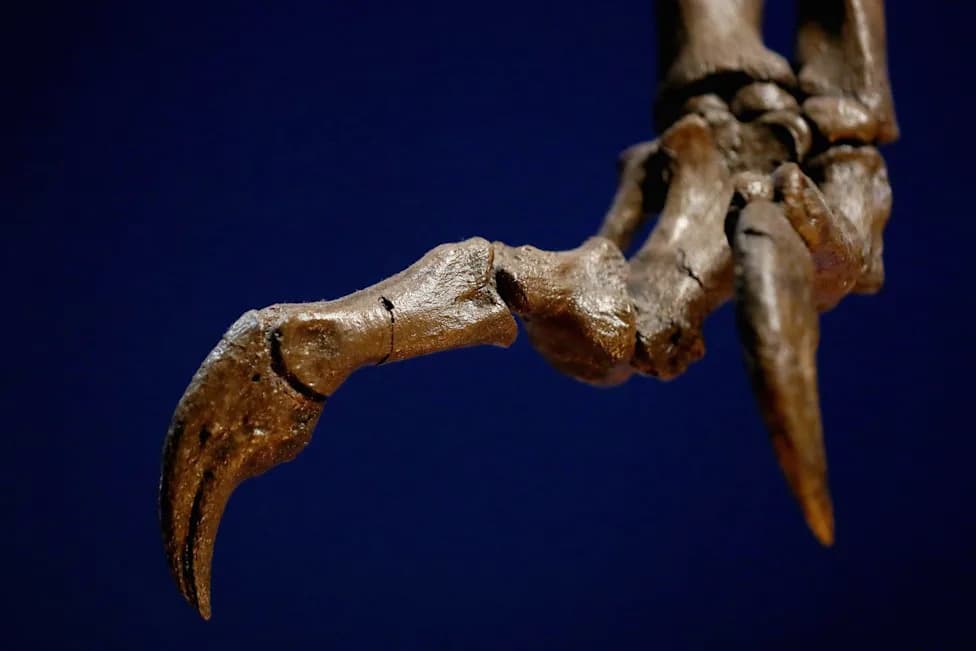
The bone is a tibia roughly 3.2 feet (96 cm) long and about 5 inches (13 cm) wide, approximately 80% of the length and width of the same bone in the largest-known T. rex specimen, the mount nicknamed Sue at Chicago’s Field Museum. Its proportions and anatomical features place it clearly within the tyrannosaur group, which culminated in the giant T. rex that appears in the fossil record around 67 million years ago.
What the Bone Tells Us
Using the tibia’s dimensions, researchers estimate the animal’s mass at roughly 4.7 tons — about half the mass of Sue but nearly twice that of some contemporaneous North American tyrannosaurs such as Daspletosaurus and Gorgosaurus. The specimen may have measured about 35 feet (10.5 meters) in life, compared with Sue’s estimated 40.5 feet (12.3 meters).
“T. rex's enormous size is a specialization that emerges relatively late in tyrannosaur evolution,” said lead author Nick Longrich of the University of Bath. “As you go back in time you'd expect to find animals that aren't quite as big, so this kind of tracks.”
Limits And Next Steps
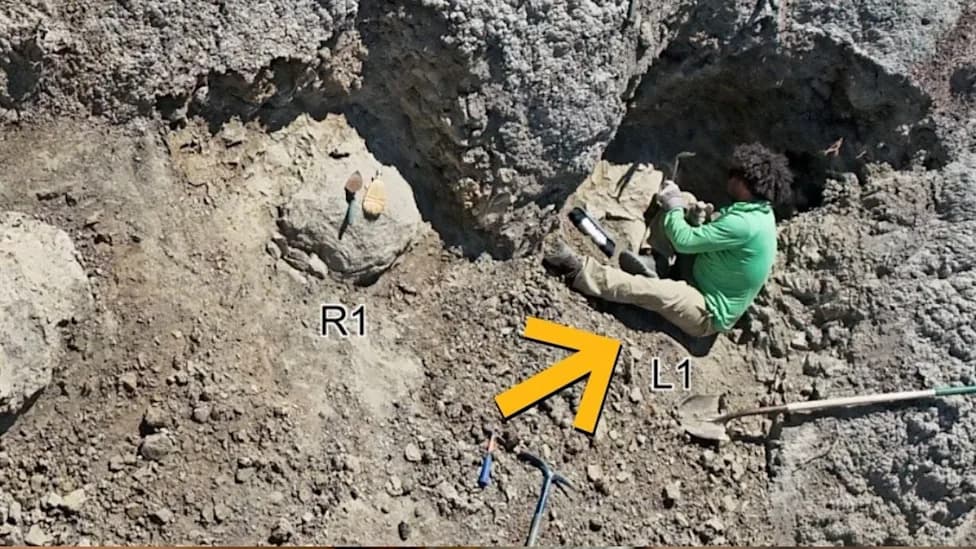
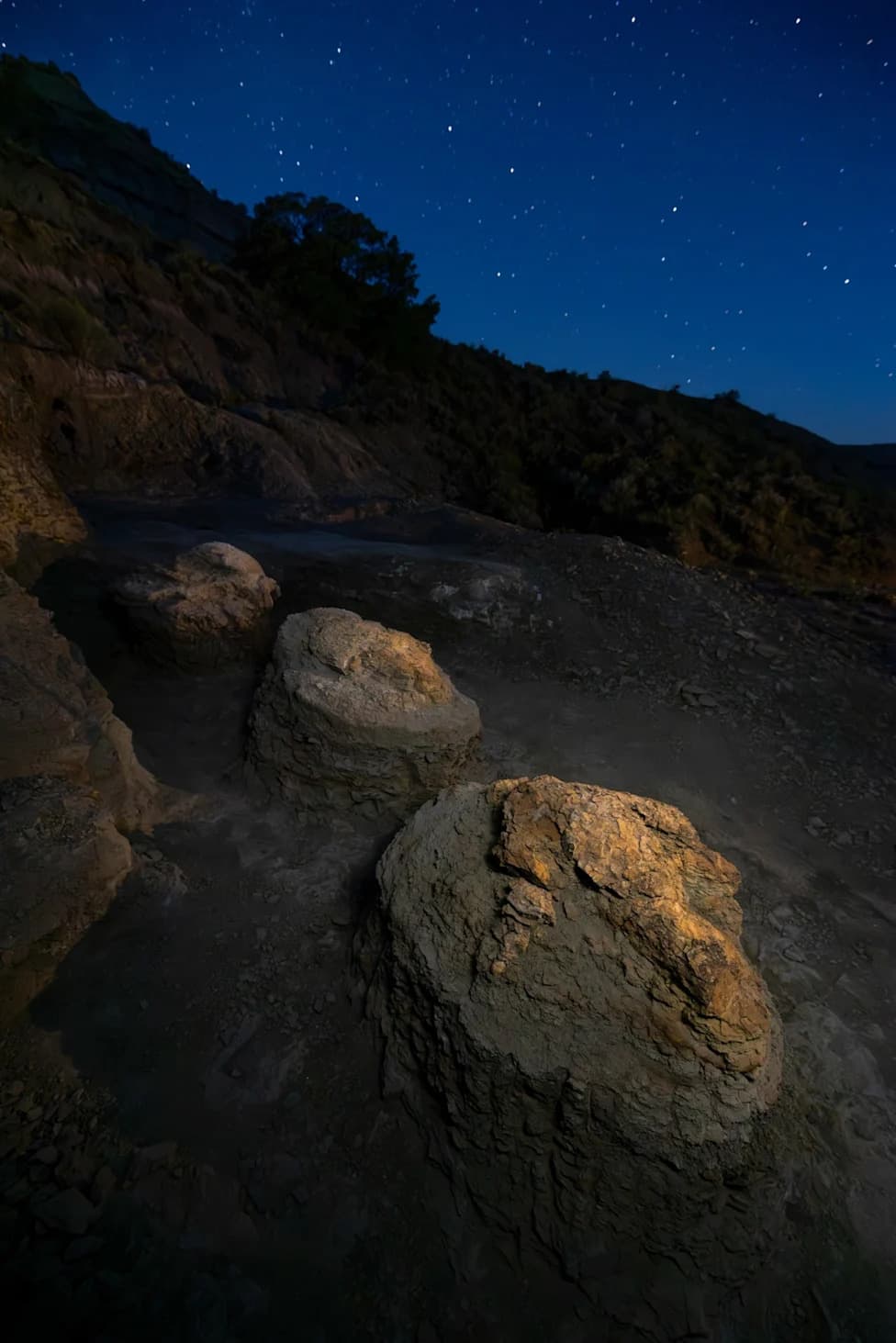
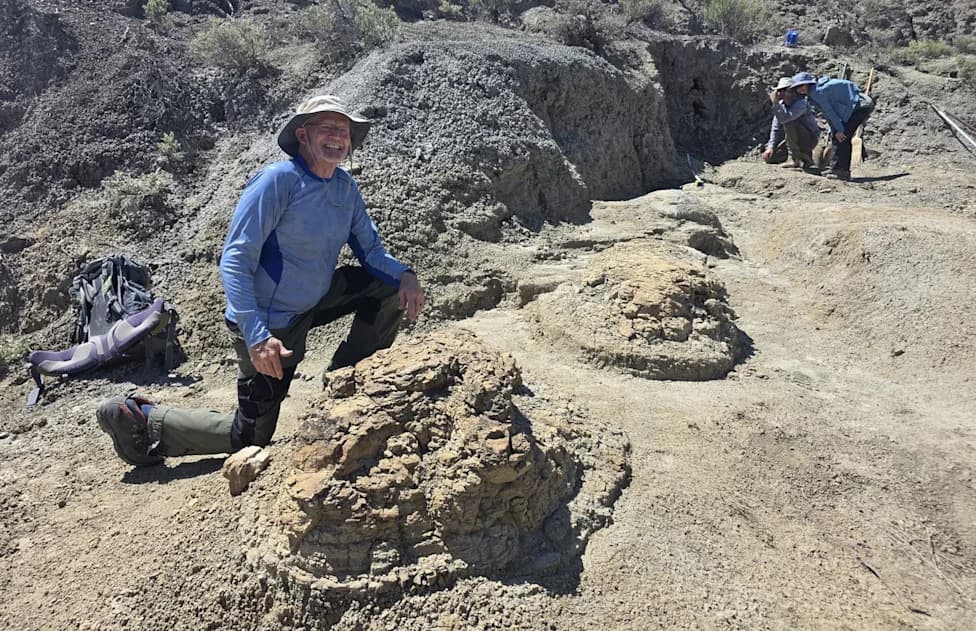
No other skeletal elements from this individual have been found. A single bone does not provide enough anatomical detail to assign a formal species name, so the researchers are calling the specimen the Hunter Wash tyrannosaur after the rock formation where University of New Mexico students discovered the tibia in the Bisti-De‑na‑zin Wilderness of San Juan County.
Co-author Anthony Fiorillo, executive director of the New Mexico Museum of Natural History & Science, said the tibia "matches very, very well with the shin bone of Tyrannosaurus." The research team stresses that a complete skull or additional postcranial material would be needed to determine whether the specimen represents an early member of the genus Tyrannosaurus or a closely related sister taxon.
The reanalysis — reported in the journal Scientific Reports — was undertaken as new discoveries have improved understanding of tyrannosaur diversity and growth. The authors say evidence is accumulating that the genus Tyrannosaurus may have originated in southern Laramidia, the western landmass of Late Cretaceous North America that included modern New Mexico, Texas and parts of Mexico.
For now, the Hunter Wash tyrannosaur is represented by a single tibia stored at the New Mexico museum. “We are developing our plans to expand to search for more material,” Fiorillo said, noting ongoing fieldwork aimed at recovering additional fossils to clarify the specimen’s place in tyrannosaur evolution.
Reporting adapted from research published March 12 in Scientific Reports; original reporting by Will Dunham, editing by Rosalba O'Brien.
Help us improve.