Paraguay's Chamber of Deputies approved a Status of Forces Agreement (SOFA) that would permit the temporary presence of U.S. military and civilian personnel for training, exercises and humanitarian missions, pending President Santiago Peña's signature. The December pact sets legal terms for U.S. personnel, including provisions on criminal jurisdiction and immunity. Supporters call the agreement "historic" for bilateral security cooperation; opponents, including legislators and NGOs, warn it may undermine sovereignty and accountability.
Paraguay Approves SOFA Allowing Temporary U.S. Personnel; Critics Warn Of Sovereignty Risks
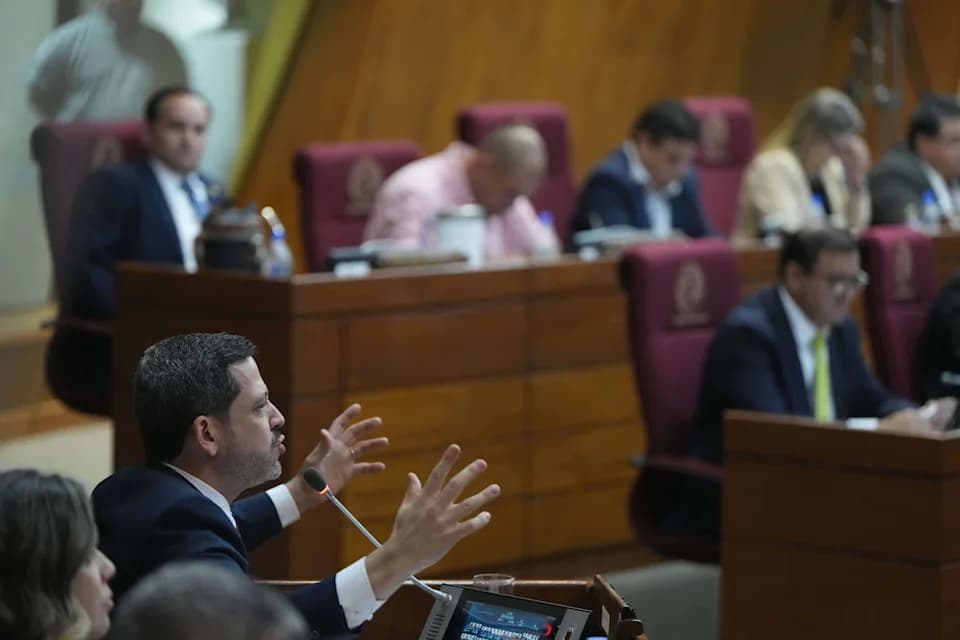
Raul Latorre, president of Paraguayan Chamber of Deputies, gives his support to the final vote in favor of the Status of Forces Agreement (SOFA) military agreement between the U.S. and Paraguay in Asuncion, Paraguay, Tuesday, March 10, 2026. (AP Photo/Jorge Saenz)(ASSOCIATED PRESS)
Asunción — Paraguay's Chamber of Deputies on Tuesday approved a Status of Forces Agreement (SOFA) that would allow the temporary presence of U.S. military and civilian personnel in Paraguay for training, joint exercises and humanitarian missions. The measure, seen as a political win for the Trump administration's push to deepen engagement in Latin America, now awaits the signature of President Santiago Peña to take effect.
Vote And Next Steps
The Chamber passed the agreement by 53 votes in favor, eight against and four abstentions, with 15 of the 80 legislators absent. The pact was originally signed by representatives of both countries in Washington in December; it will become effective once President Peña formally signs the instrument.
What The Agreement Does
The SOFA establishes a legal framework for the temporary presence of U.S. security personnel in Paraguay for a range of activities, including training, joint exercises and humanitarian assistance. It also contains provisions governing criminal jurisdiction and a controversial clause that grants certain immunities to U.S. personnel while they are in the country.
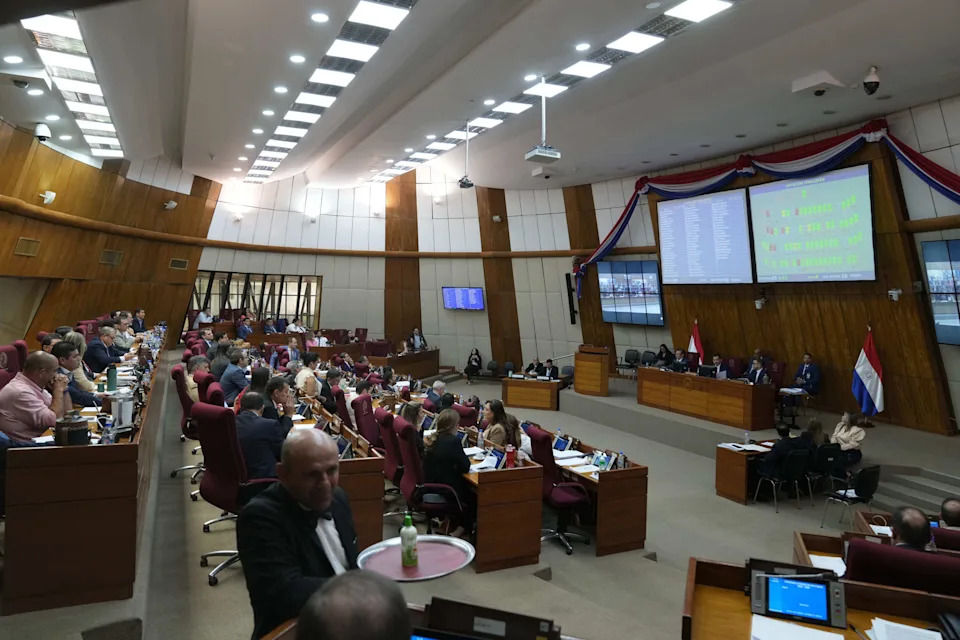
Paraguayan lawmakers from the Chamber of Deputies meet for a final vote on the Status of Forces Agreement (SOFA) military agreement between the U.S. and Paraguay in Asuncion, Paraguay, Tuesday, March 10, 2026. (AP Photo/Jorge Saenz)(ASSOCIATED PRESS)
Supporters And Opponents
Paraguayan Foreign Minister Rubén Ramírez Lezcano and U.S. officials hailed the pact as "historic," saying it will deepen cooperation to combat transnational organized crime and terrorism and improve disaster response and humanitarian assistance. Ramírez Lezcano emphasized that the agreement does not permit the establishment of permanent U.S. military bases in Paraguay.
"We believe in international cooperation, but we also believe in strong states, respected institutions and real democratic sovereignty," said independent Congressman Raúl Benítez, reflecting concerns shared by other critics in the legislature.
Civil society groups have also voiced opposition. The Peace and Justice Service, an NGO active across Latin America, warned days before the final vote that the agreement "does not represent progress in security, but rather the formalization of a geopolitics of impunity that undermines the pillars of our national dignity." Critics object primarily to the immunity provisions and the potential implications for Paraguayan sovereignty and accountability.
Implications
The approval of the SOFA comes as the Trump administration seeks to expand U.S. influence in the region. Supporters say the agreement will facilitate practical cooperation on security and disaster relief; opponents argue it risks eroding national sovereignty and legal oversight if foreign personnel are shielded from local prosecution.
The agreement now moves to the presidential office. If signed, implementing details and timelines for joint activities will be worked out in subsequent arrangements between the two governments.
Help us improve.