The Nuclear Regulatory Commission is proposing a major reduction in inspection hours as it reorganizes under executive orders from President Trump. The plan would cut roughly 40% of total inspection time, with steeper reductions for emergency preparedness (56%), security procedures (48%), radiation protection (38%), and reactor safety (30%). Supporters call the move performance-based; critics warn it risks weakening independent oversight of an aging fleet that supplies about 20% of U.S. electricity.
NRC Plans Large Inspection Cuts — Critics Warn U.S. Nuclear Oversight Could Weaken
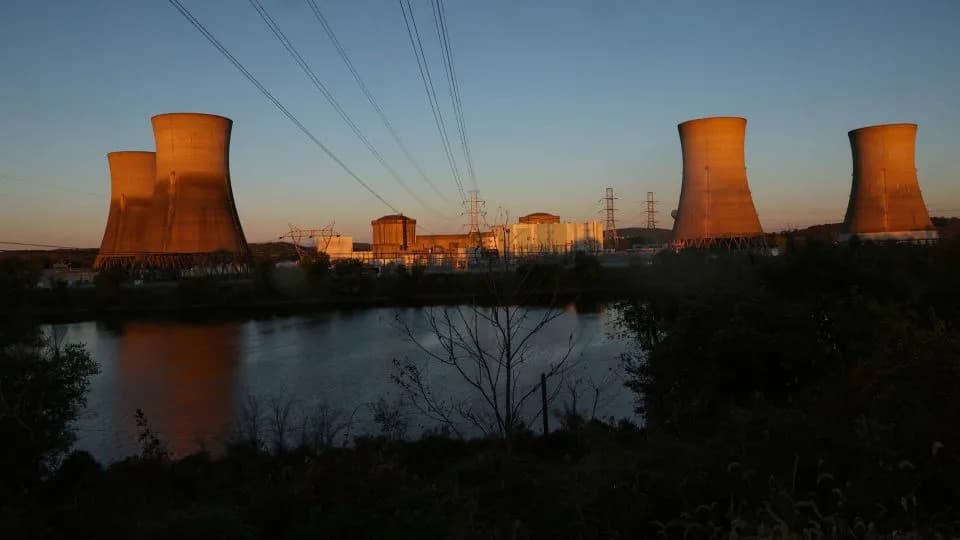
The Three Mile Island nuclear power plant is seen at sunrise in Middletown, Pennsylvania, on October 16, 2024. In 1979, the power plant's Reactor 2 was involved in the worst commercial nuclear accident in US history. Reactor 1, however, operated until 2019 and is expected to restart by 2027 in order to power Microsoft's nearby data centers. - Shannon Stapleton/Reuters
The Nuclear Regulatory Commission (NRC) is proposing deep cuts to the time its staff spend on safety and emergency inspections at commercial nuclear power plants, a move that would shift more oversight responsibility onto the industry itself. The proposal — part of a broader reorganization to implement executive orders from President Donald Trump — would reduce total annual inspection hours by roughly 40% and substantially scale back checks in several critical areas.
What the Proposal Would Change
According to internal NRC documents reviewed by journalists, the agency is considering reductions across multiple inspection programs: emergency preparedness inspection hours could fall by about 56%, security procedure inspections by 48%, radiation protection inspections by 38%, and reactor safety inspections by 30%. If approved by the NRC’s five commissioners, these cuts could lead to fewer inspectors in the field and less frequent independent reviews of plant operations.
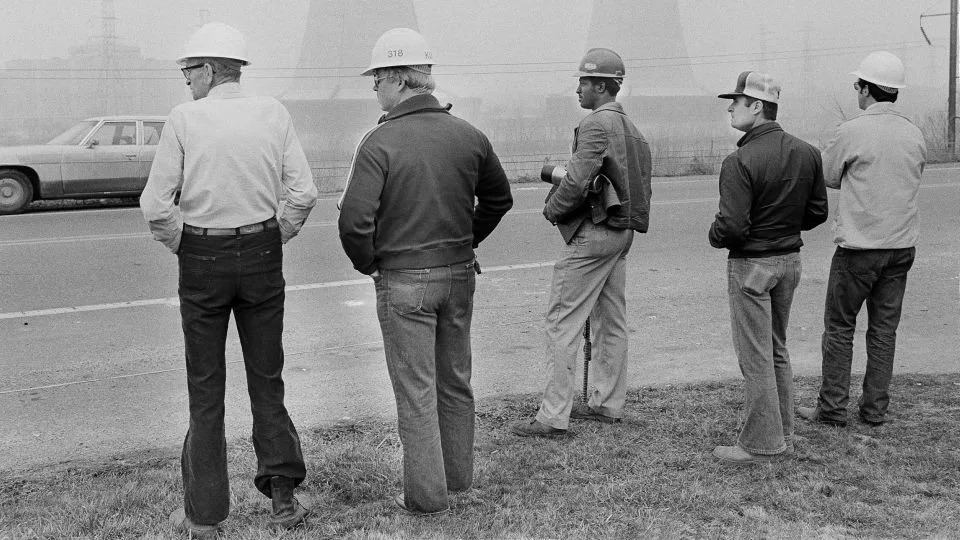
Workers from Three Mile Island nuclear plant stand outside the visitors center early on March 30, 1979. The plant's Reactor 2 suffered a partial meltdown after a series of malfunctions. - Rusty Kennedy/AP
Why Inspectors Matter
NRC inspectors routinely verify that plants can withstand severe weather or seismic events, confirm backup power and emergency systems will function, and check that operators are managing fuel and equipment safely. There are typically two onsite resident NRC inspectors at each commercial nuclear station; NRC officials have said those resident inspectors would not be affected by these particular cuts.
"If there is political influence on the regulator and the regulator doesn’t regulate properly, the entire country is at risk," said Allison MacFarlane, former NRC chair and director of the School of Public Policy and Global Affairs at the University of British Columbia, citing lessons from Japan’s Fukushima disaster.
Agency Defense and External Concerns
Some NRC officials argue the proposed reductions reflect a mature, performance-based approach to regulation. Jeremy Groom, acting director of the NRC’s Office of Nuclear Reactor Regulation, described the changes as “the most significant changes we’ve seen in the last 25 years” but defended them as targeted reductions in inspections that “don’t yield a lot of safety benefit.” NRC spokesperson Scott Burnell emphasized the agency’s performance-based approach and noted inspection hours could be adjusted in the future based on safety performance.
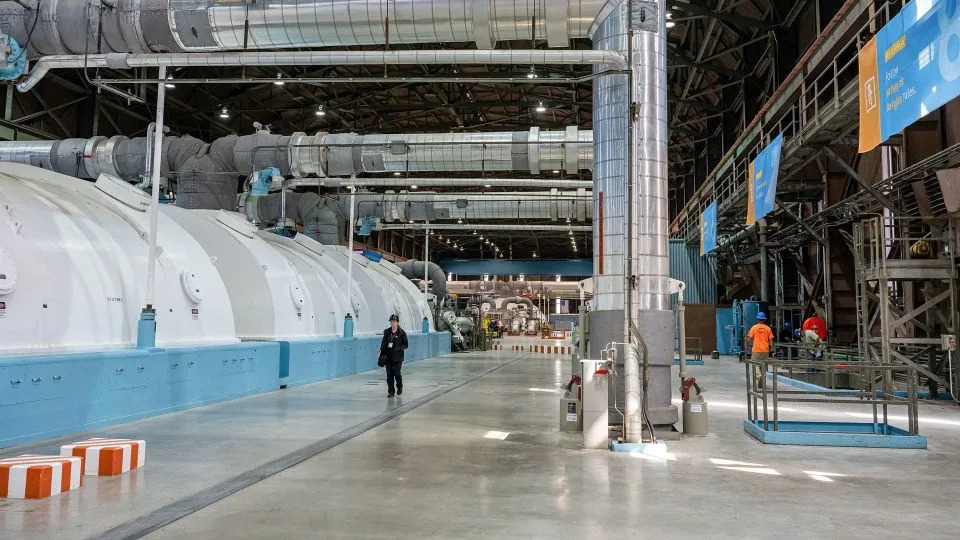
A person walks by a turbine generator unit inside the Pacific Gas and Electric Co. Diablo Canyon nuclear power plant in Avila Beach, California, in 2025. - David Paul Morris/Bloomberg/Getty Images
But agency veterans and independent experts warn that fewer inspections and diminishing regulatory independence increase the risk that issues will be missed. "We have found stuff the plants did not find," an NRC staffer told reporters, describing some discoveries as "significant safety findings." Former NRC chair Allison MacFarlane and others point to historical incidents — notably Three Mile Island in the U.S. and Fukushima in Japan — as cautionary examples of why independent oversight is essential.
Context: Fleet, Age, And Expansion Goals
The U.S. nuclear fleet today includes about 95 commercial reactors that provide roughly 20% of the nation’s electricity; the average reactor is about 42 years old. The Trump administration has set an ambitious goal to expand U.S. nuclear capacity to roughly 400 gigawatts by 2050, a target that would rely on keeping the existing fleet online, reactivating a small number of dormant units, and building new reactors.
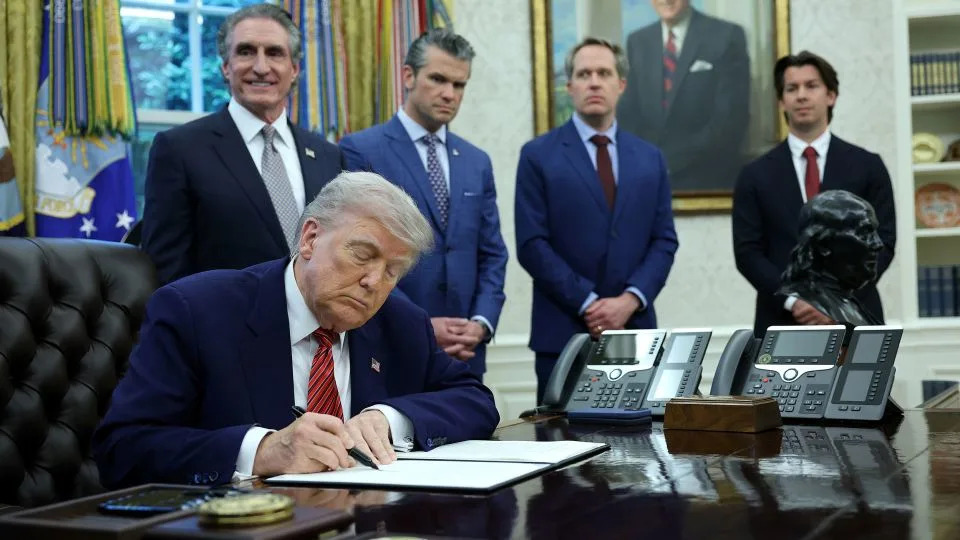
President Donald Trump signs an executive order regarding the Nuclear Regulatory Commission in the Oval Office of the White House in May 2025. - Win McNamee/Getty Images
At the start of his administration, the president issued executive orders directing changes at the NRC intended to speed reactor licensing and approvals. Some measures have increased Office of Management and Budget (OMB) review of certain NRC rules, a shift critics say weakens the agency’s historical independence. The agency has also experienced staffing losses from early retirements in recent years, raising concerns about capacity as oversight demands evolve.
What Comes Next
The package of proposed inspection changes must be approved by the NRC’s five commissioners before taking effect. Supporters say the approach is evidence-based and performance-oriented; critics say it risks ceding too much control to licensees and undermining public confidence in nuclear safety. Whether and how inspection hours are adjusted in the future will depend on commissioner decisions and on measurable safety performance at U.S. plants.
Bottom line: The NRC proposal would significantly reduce independent inspection time at aging nuclear plants that produce one-fifth of U.S. electricity. The debate pits a performance-based regulatory model and agency streamlining efforts against concerns about weaker oversight and the heightened need for independent checks as the country considers expanding nuclear capacity.
Help us improve.