President Daniel Noboa announced coordinated anti‑drug operations with the United States and regional partners to tackle cartels using Ecuadorian ports to traffic cocaine. Meetings in Quito with U.S. Southern Command and U.S. Special Operations leaders focused on intelligence sharing and operations at airports and seaports. A nationwide security push includes a curfew from March 15–30 in four provinces as authorities seek to curb a surge in cartel‑related violence. The move follows deeper U.S.-Ecuador security ties since Noboa became president in 2023.
Ecuador and U.S. Launch Joint Anti‑Drug Operations as Violence Surges
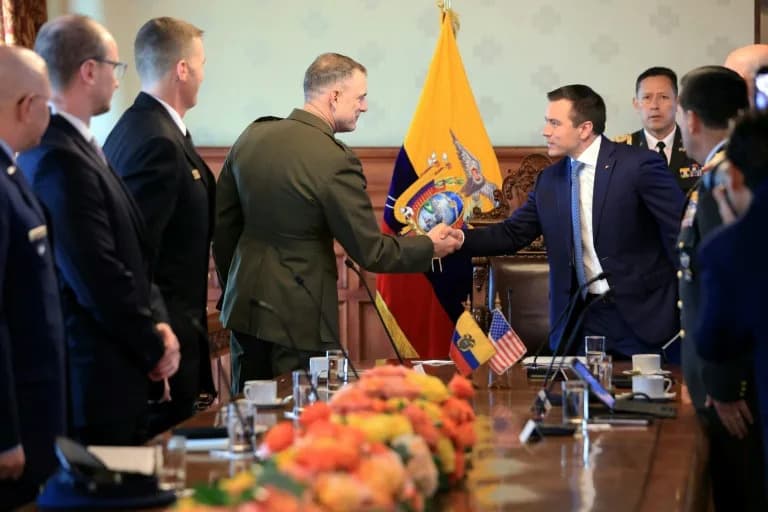
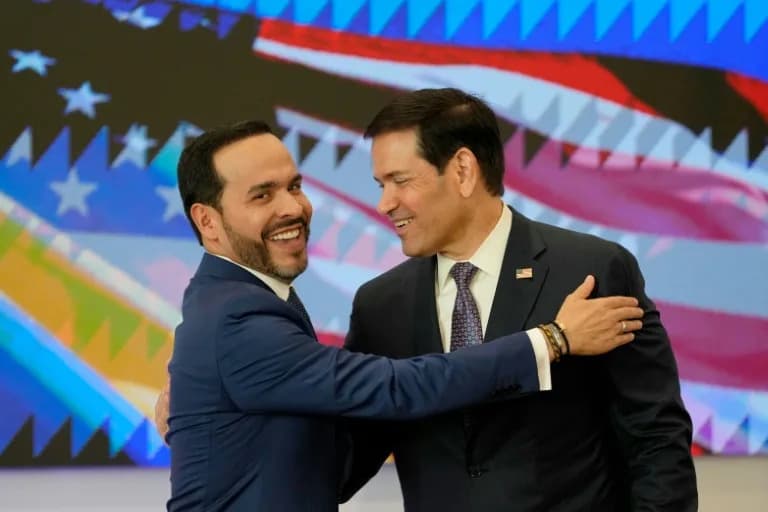
This handout picture released by the Ecuadoran Presidency shows President Daniel Noboa shaking hands with US Southern Command chief General Francis Donovan during a meeting in Quito (Handout)(Handout/Ecuadorian Presidency/AFP)
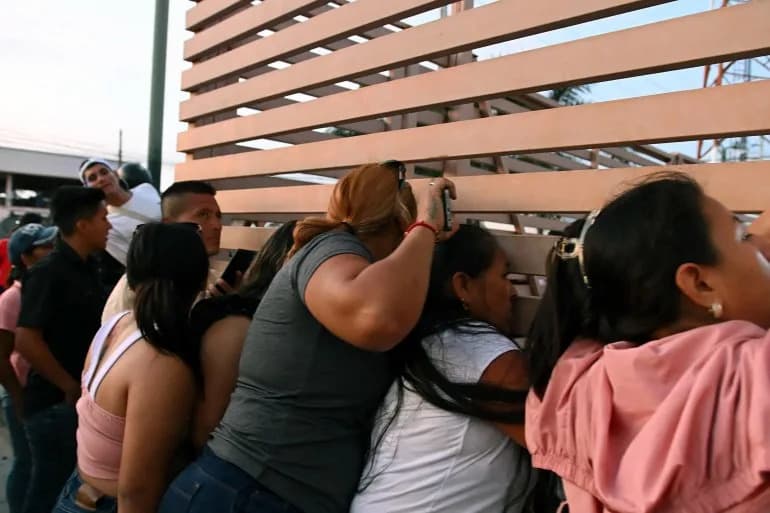
Ecuador's President Daniel Noboa announced on Monday that Ecuador will begin coordinated operations with the United States and other regional partners to disrupt drug-trafficking networks that have fueled a recent spike in violence across the country.
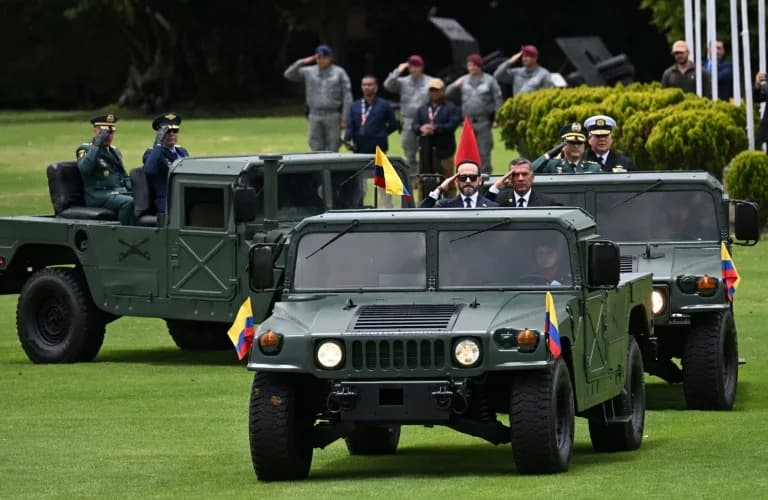
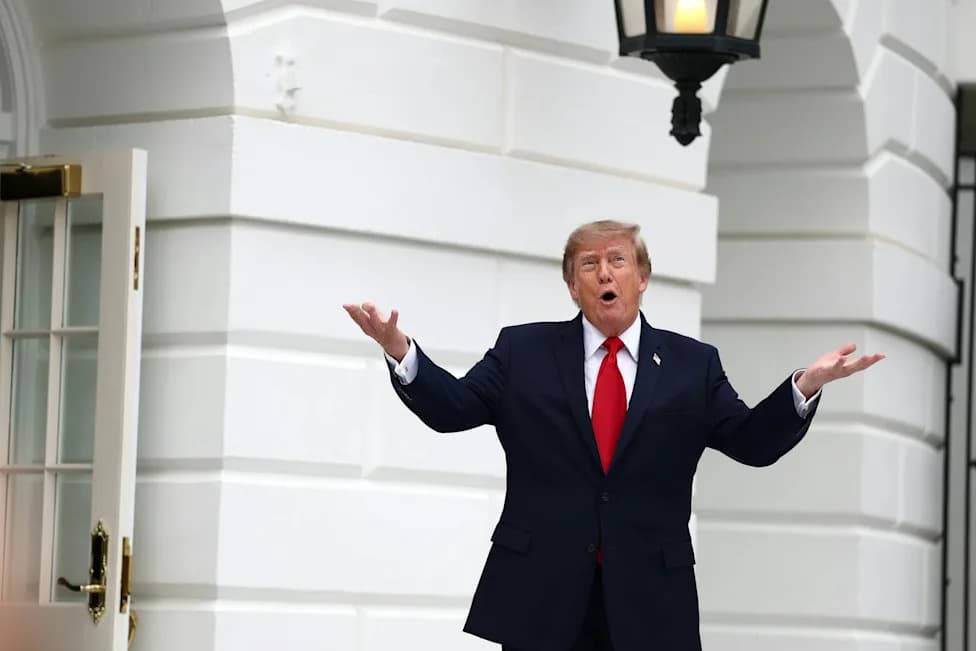
Portrayed by some outlets as a close ally of U.S. President Donald Trump, Noboa said the joint effort marks a "new phase" in Ecuador's campaign against cartels that exploit its ports to ship cocaine to international markets. "In March, we will conduct joint operations with our regional allies, including the United States," he wrote on X.
Meetings in Quito and Operational Focus
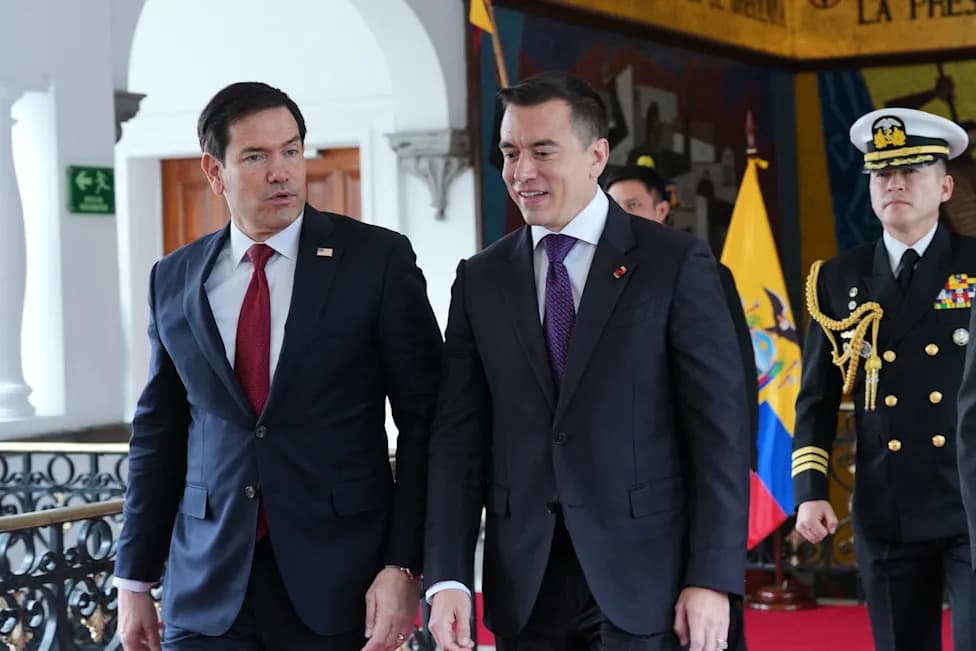
In Quito on Monday, Noboa met with Francis Donovan, chief of U.S. Southern Command, and Mark Schafer, head of U.S. Special Operations for Central and South America and the Caribbean. According to a statement from the president's office, discussions centered on intelligence sharing and coordinated operations at airports and seaports to interrupt smuggling routes.
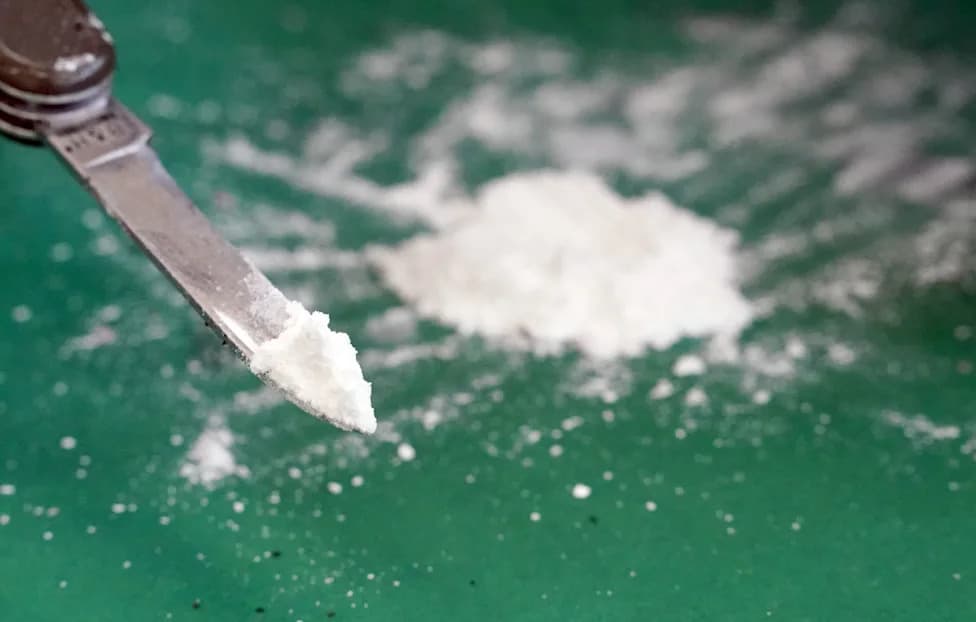
Officials note that roughly 70% of cocaine produced in neighboring Colombia and Peru—the world's first- and second-largest cocaine producers—is routed through Ecuador, making the country an important transit point for trafficking networks.
Security Measures at Home
As part of an intensified security push, Noboa announced a curfew from March 15 to March 30 in Ecuador's four most violent provinces: Guayas, Los Ríos, Santo Domingo de los Tsáchilas and El Oro. Interior Minister John Reimberg told reporters bluntly:
"Stay home. We are at war."
Background On U.S.-Ecuador Cooperation
Security cooperation between the United States and Ecuador has expanded since Noboa took office in 2023. Last year Noboa sought to reopen a shuttered U.S. military base, but Ecuadorians rejected lifting a ban on foreign bases in a November referendum. In December, the United States announced a temporary deployment of Air Force personnel to the former U.S. base in the port city of Manta.
The coordinated operations announced in Quito emphasize intelligence exchange and operational coordination at key transit hubs, reflecting a regional approach to stemming the flow of cocaine and the associated violence destabilizing communities in Ecuador.
Help us improve.