Key points: Syrian state TV says a "mass escape" occurred at al-Hol after the SDF withdrew; Syrian authorities report more than 100 breaches in the camp perimeter. An EU memo warns that thousands — potentially a majority of camp residents — may have fled, while U.S. intelligence (reported by the WSJ) estimates 15,000–20,000 at large (not independently verified). The UN lists more than 30,000 people at al-Hol, and CENTCOM has transferred 5,700+ detainees to Iraqi custody amid growing repatriation debates.
Thousands May Have Fled al-Hol After SDF Withdrawal; Syrian State TV Reports 'Mass Escape'
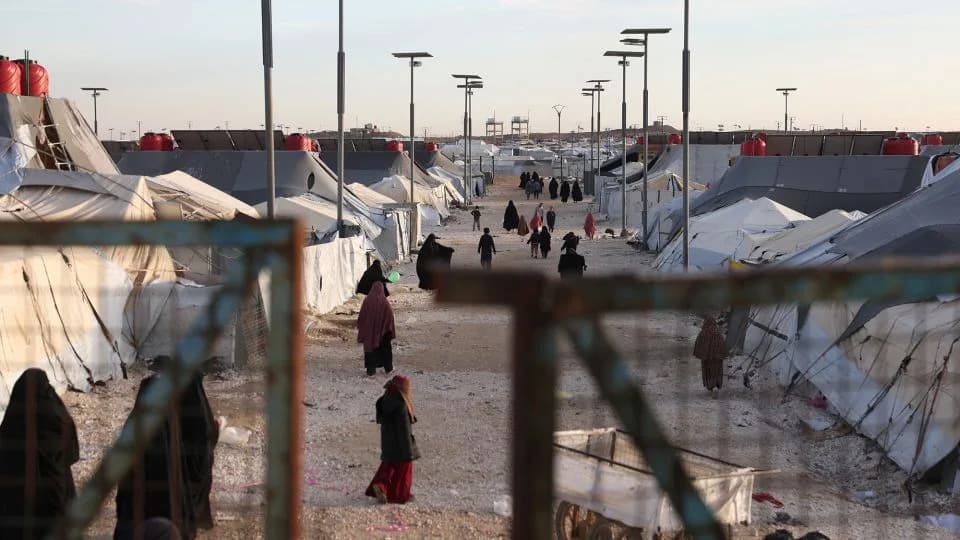
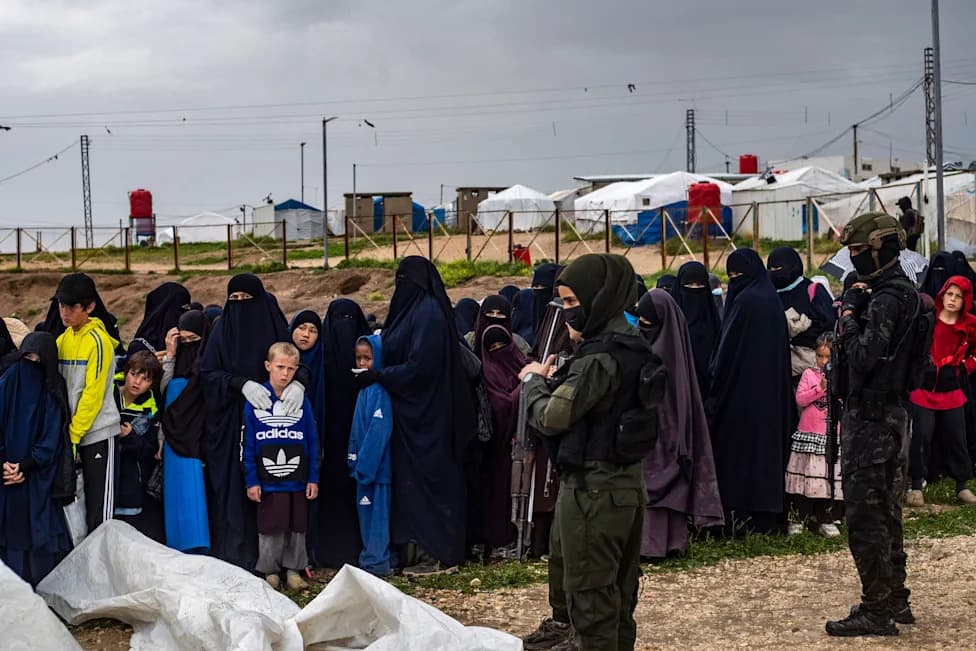
Children and women, relatives of suspected ISIS jihadists, walk inside Al-Hol camp in the desert region of Syria's northeastern Hasakeh province on January 21, 2026. - Omar Haj Kadour/AFP/Getty Images
Syrian state television reported last month that a "mass escape" occurred at al-Hol, the vast camp in northeastern Syria that houses families linked to the Islamic State. The claim followed the withdrawal of the Kurdish-led Syrian Democratic Forces (SDF) from the site, which Syrian officials say was not coordinated with Damascus or the US-led coalition combating ISIS.
What Happened
Nureddin Baba, a spokesperson for Syria’s Interior Ministry, told state media that authorities discovered more than 100 breaches in al-Hol’s perimeter wall, which he said had facilitated smuggling and escapes. Baba added that the true number of escapees still needed independent verification.
Numbers and Sources
An internal European Union memo first reported by Reuters and confirmed to CNN by an EU official warned that thousands of people — possibly a majority of the camp’s population — may have fled after the SDF withdrawal. The memo noted the status of third‑country nationals who left al-Hol was "unclear."
The Wall Street Journal, citing U.S. intelligence assessments, reported an estimate of 15,000 to 20,000 people possibly at large in Syria following the exodus; CNN has not independently verified that figure. The United Nations lists more than 30,000 people at al-Hol, many of them children.
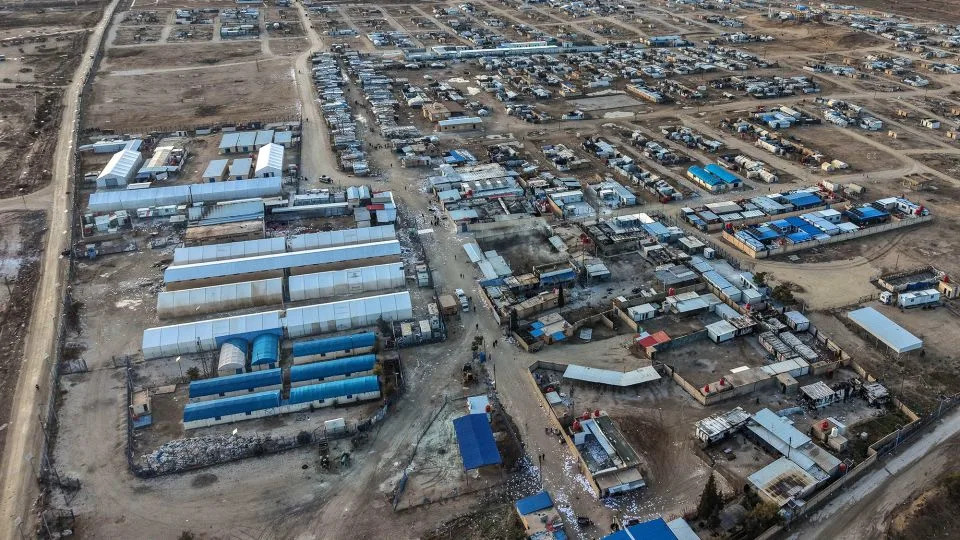
An aerial view shows al-Hol camp in a desert region of Syria's Hasakah province, on January 21, 2026. - Abdulmonam Eassa/Getty Images
Security Implications and Detainee Transfers
The developments raised urgent security questions about detainees and families associated with ISIS after government forces seized territory that had been under Kurdish control. The SDF previously acknowledged other escapes, including from al-Shaddadi prison, which it said held "thousands" of ISIS detainees.
U.S. Central Command (CENTCOM) said it recently completed a 23-day operation to transfer more than 5,700 ISIS detainees from northeastern Syria into Iraqi custody, aiming to reduce the risk of an ISIS resurgence and ensure prisoners remain held securely.
Political Context and Repatriation Debate
The SDF had been a principal partner of U.S. forces on the ground in Syria; changes in control and shifting international priorities have left gaps in detention security, according to regional reporting. The situation has intensified pressure on countries — including Australia, the United States and Britain — to decide whether to repatriate their nationals held in Syrian camps. Many governments cite national security and domestic opposition as reasons for resisting repatriation.
Australian Prime Minister Anthony Albanese recently said Australia will not repatriate citizens with links to Islamic State. Reports also say Syrian authorities turned back 34 Australians who attempted to leave the al-Roj site. Camps such as al-Roj host high-profile foreign cases, including Shamima Begum, who left the UK in 2015 to join ISIS and was later stripped of her citizenship.
Humanitarian Concerns
Humanitarian agencies warn of the risks to civilians, particularly children, amid the chaos. CNN and other outlets emphasize that key figures around the exodus remain unverified and that independent on-the-ground confirmation is limited.
Help us improve.