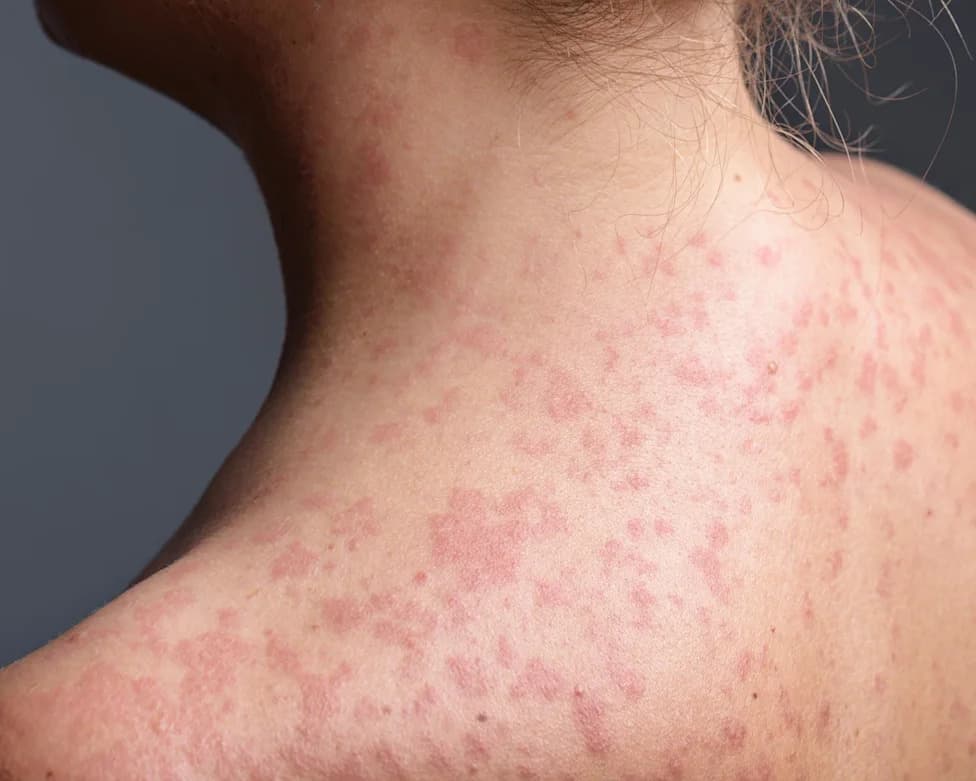
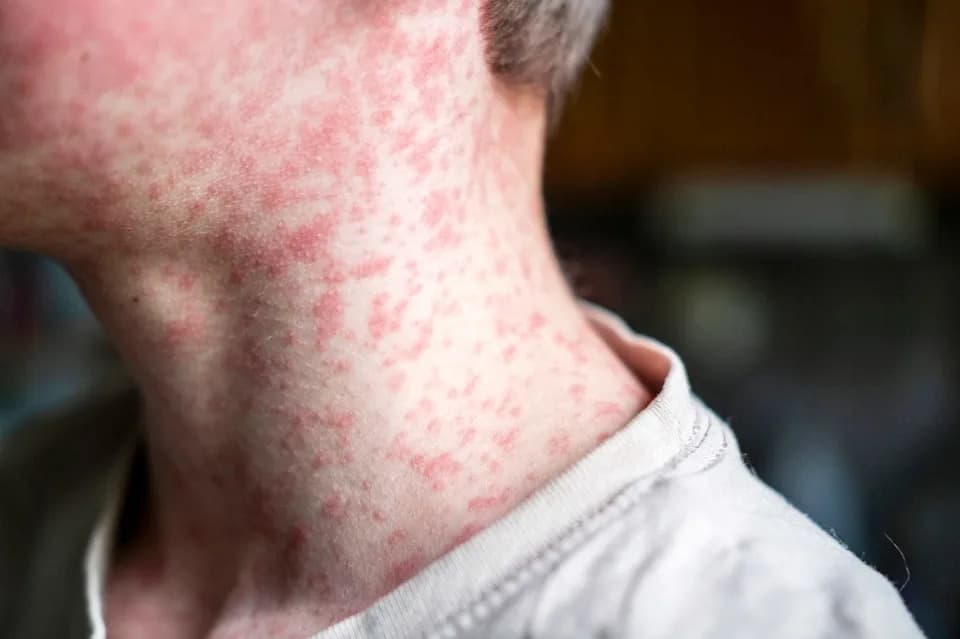
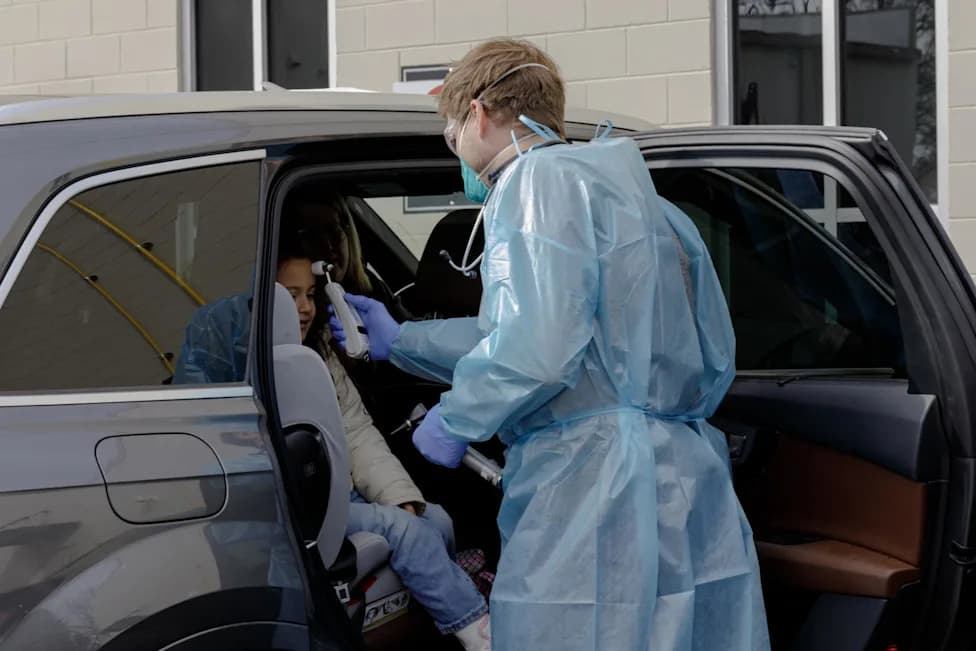
Hospitals and clinics across the U.S. are confronting a resurgence of measles while many clinicians lack firsthand experience diagnosing it, hampering rapid isolation. A delayed response at Mission Hospital in Asheville exposed at least 26 people and prompted a severe CMS sanction. Public health experts say better coordination, clearer federal communication and stronger vaccination efforts are urgently needed to stop outbreaks.
Hospitals Struggle to Spot Measles as Many Clinicians Have Never Seen It
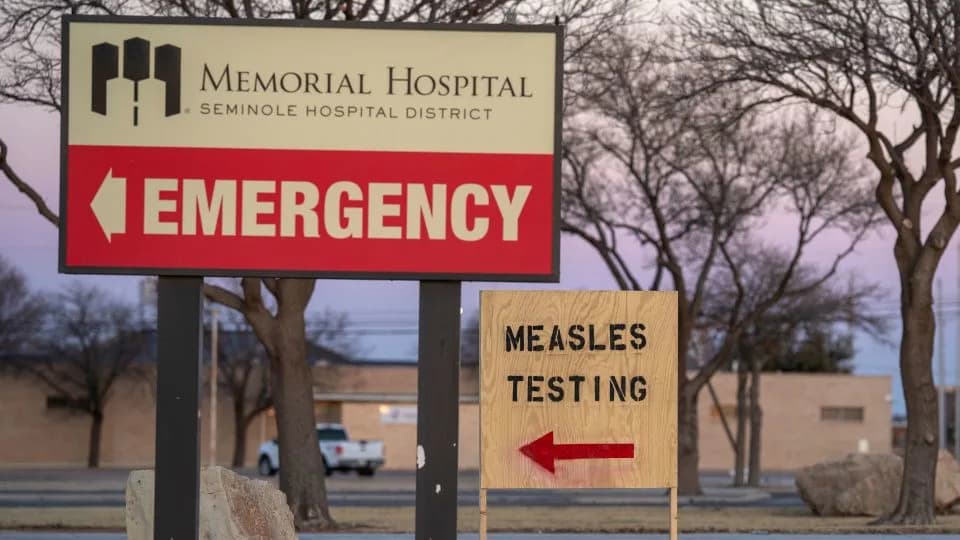
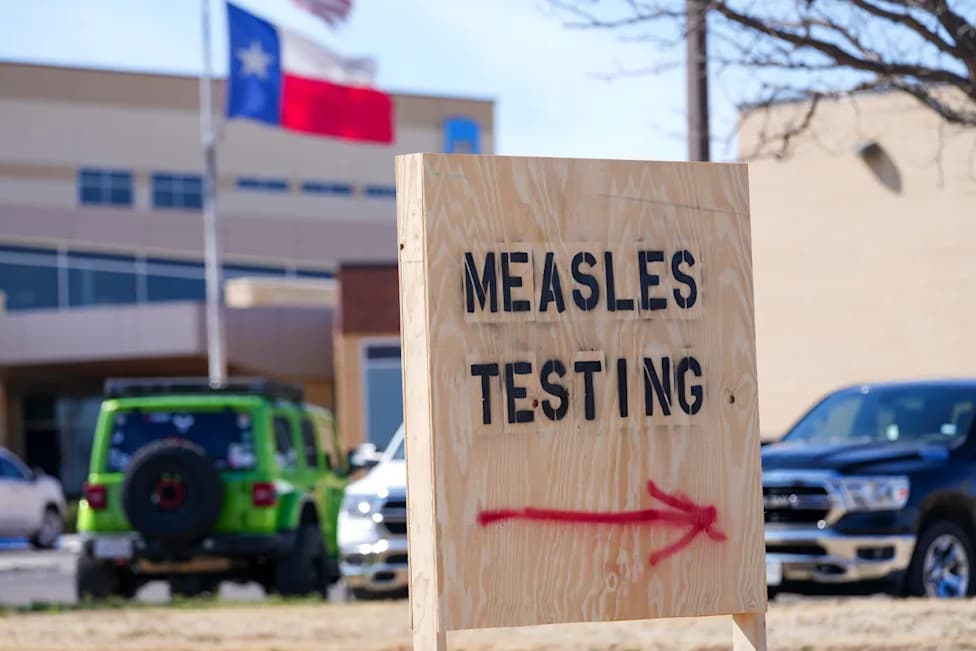
A sign points the way to measles testing in West Texas in 2025. Officially, the U.S. has maintained “measles elimination status” since 2000. After outbreaks in Texas, Arizona, Utah, and now South Carolina, the nation is on track to lose that designation before the year is out. - Jan Sonnenmair/Getty Images/File
Shortly after 2 a.m., two 7-year-old twin brothers arrived at Mission Hospital in Asheville with fever, cough, a blotchy rash, pink eye and other cold-like symptoms. Records from the Centers for Medicare & Medicaid Services show it took two hours and 20 minutes before staff placed the children in isolation, and nearly two more hours passed before public health officials were notified and the diagnosis was confirmed as measles.
Hospital staff instructed the family on home quarantine and released them, but federal investigators later determined the virus had exposed at least 26 other people that day. CMS inspectors found staff had missed clear cues and failed to follow previously provided isolation training; the agency placed Mission Hospital in an "Immediate Jeopardy" category — one of the most serious sanctions a hospital can receive, potentially threatening federal funding if the problems are not fixed.
Why Measles Is Hard To Recognize
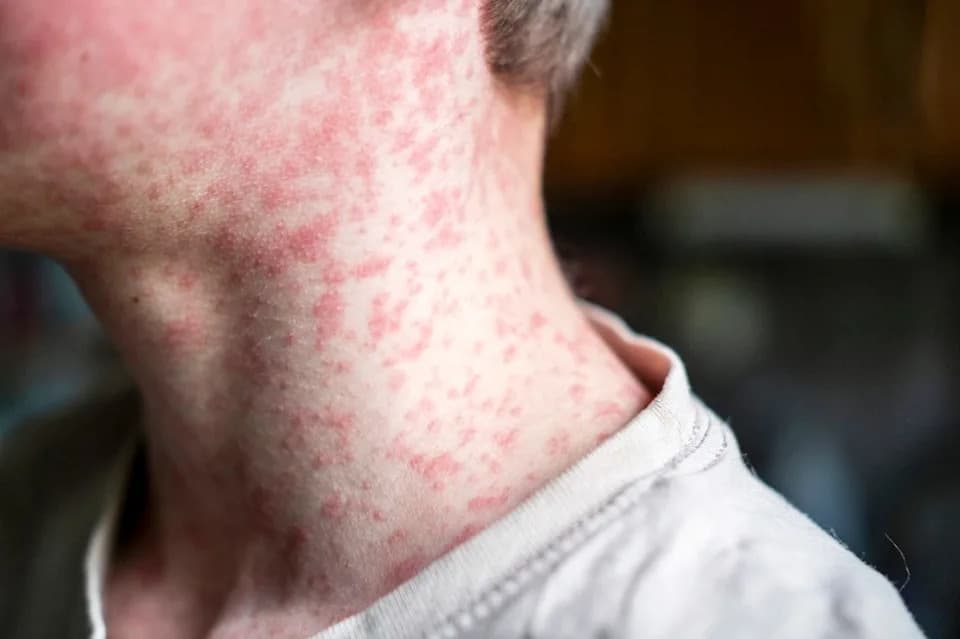
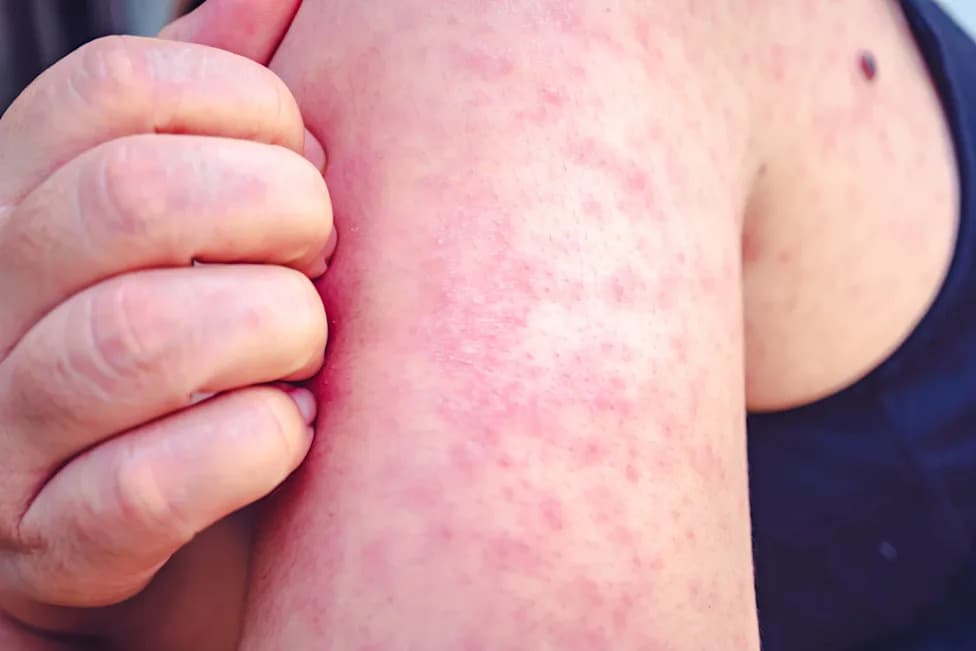
Many U.S. clinicians have never seen measles firsthand, which makes rapid recognition and isolation difficult. Pediatrician Theresa Flynn noted the challenge: clinicians commonly describe measles rashes as "morbilliform" — measles-like — but many other viral illnesses can produce a similar rash. In some areas, clinicians say measles can initially resemble an ordinary cold.
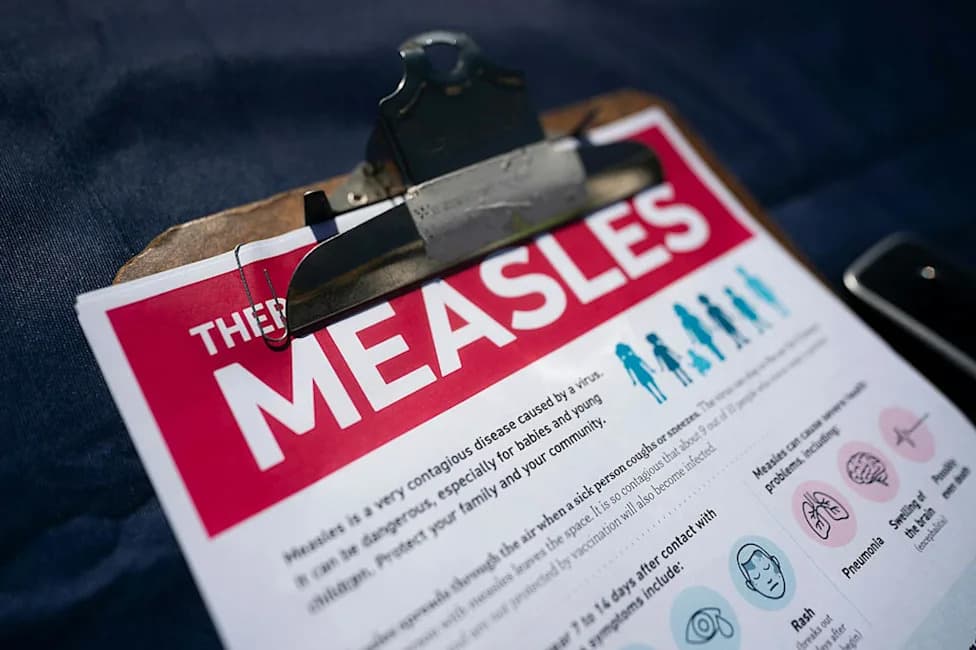
Official guidance emphasizes the "three C's" — cough, coryza (nasal congestion) and conjunctivitis (pink eye) — plus a characteristic blotchy rash and fever. The CDC advises immediate placement of suspected patients in an airborne infection isolation room with controlled airflow; in the Mission case, patients were separated only by plastic partitions, not a negative-pressure room, according to CMS records.
Resurgence and Public Health Response
Since mid-December, North Carolina has reported more than 20 cases, and more than 3,000 measles infections have been reported nationwide in 2025. Outbreaks have concentrated in communities with low childhood immunization rates. One county in South Carolina reported more than 900 cases in the current outbreak — more than Texas reported in all of 2025.
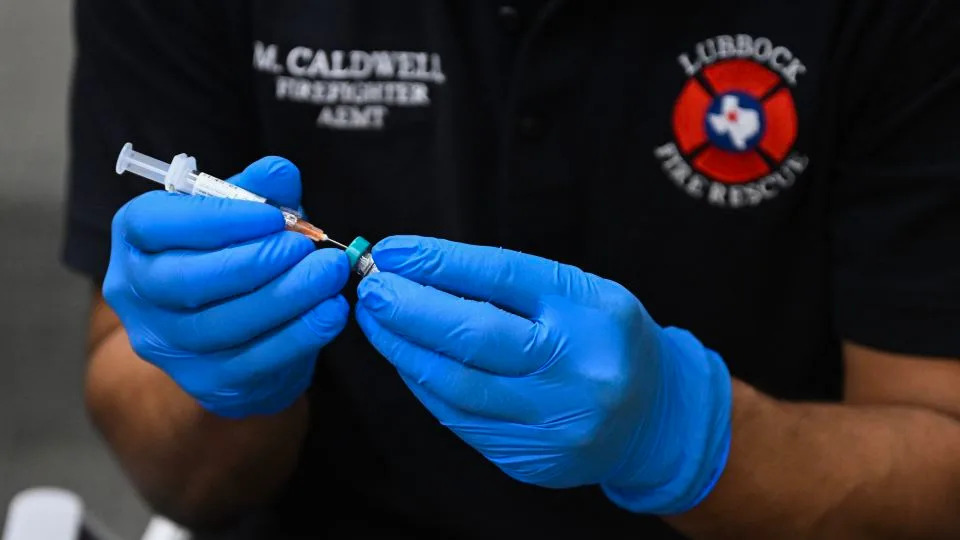
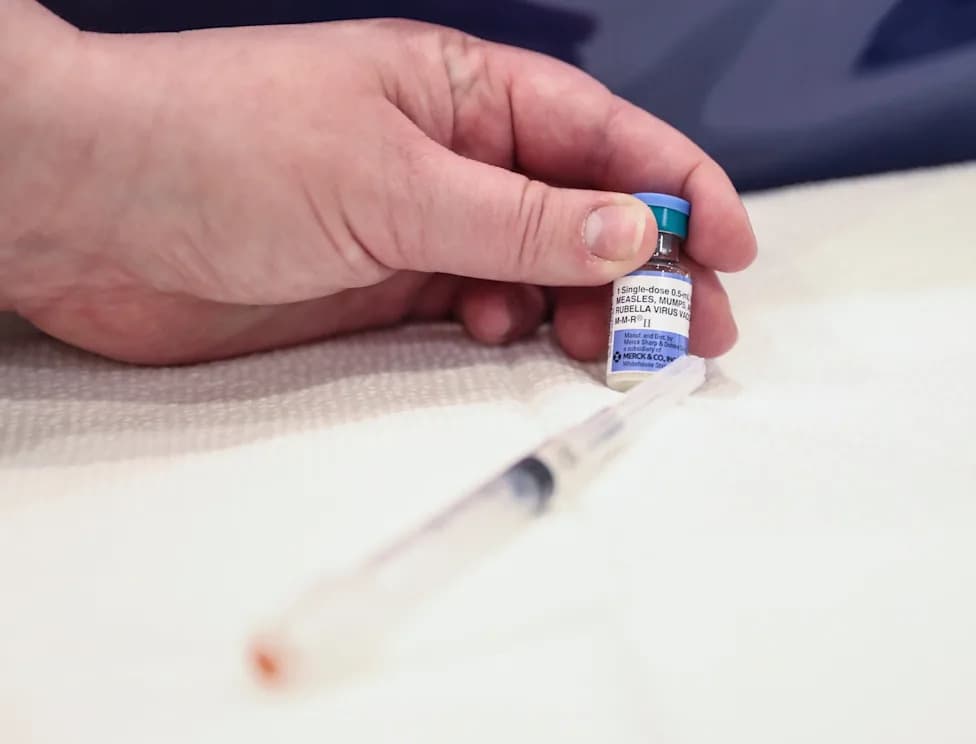
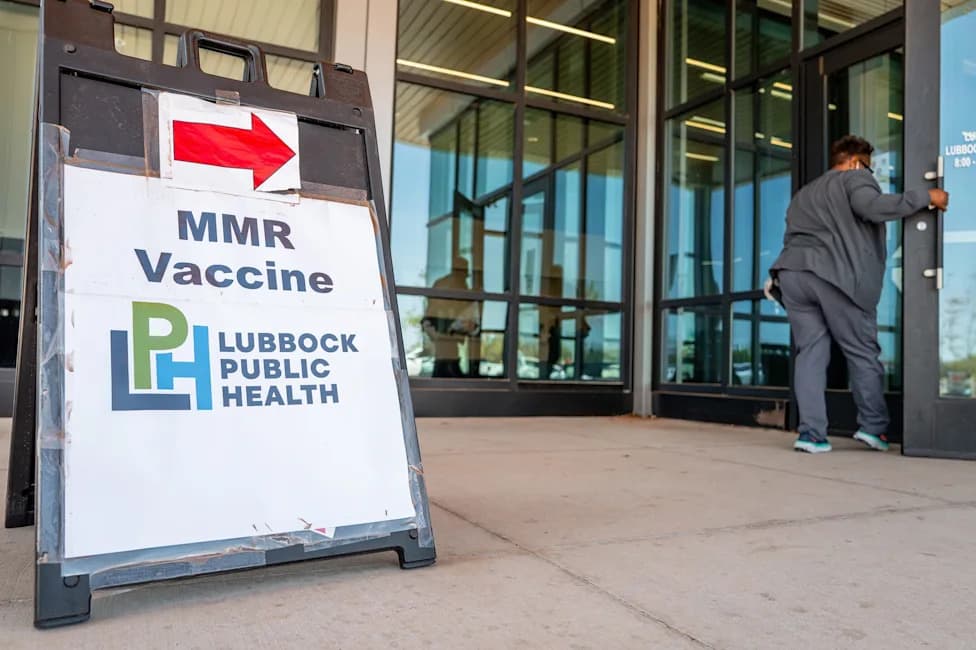
A paramedic administers a dose of the measles vaccine at a health center in Lubbock, Texas, in February 2025, amid a large measles outbreak that led to the deaths of two children. - Ronaldo Schemidt/AFP/Getty Images
Measles is highly contagious: with two doses of MMR vaccine, a person has roughly a 3% chance of getting measles after exposure; an unvaccinated person has about a 90% chance of infection if exposed, according to the CDC. The virus can remain active in the air for up to two hours after an infected person leaves a room, and measles can be fatal (an estimated 1–3 deaths per 1,000 childhood cases).
Communication, Policy, and Local Preparedness
Clinicians and public health leaders interviewed for this story said federal communication to frontline clinics has waned in the past year, leaving local providers to rely on state health departments and their own screening protocols. Some hospital systems have shared training protocols and screening tools, and many clinics have adopted phone and curbside screening to reduce exposures.
Experts urge vaccination and faster recognition and isolation of suspected cases. Jennifer Nuzzo, an epidemiologist, emphasized that coordination among local, state and federal agencies is critical to stemming outbreaks while clinicians rebuild diagnostic experience.
"As measles becomes more common, all of us are leveling up in our ability to recognize and immediately respond to suspected measles," said Dr. Theresa Flynn.
Local health officials in Buncombe County, home to Asheville, reported a small number of cases and warned the trajectory could mirror larger outbreaks elsewhere if vaccination and public health measures are not scaled up.
What Clinicians and Families Can Do Now
- Screen patients by phone and, when possible, in cars before entry to the clinic.
- Isolate suspected cases in negative-pressure or properly ventilated rooms immediately.
- Confirm vaccination status and promote MMR vaccination — two doses offer strong protection.
- Coordinate with state and local health departments for testing, contact tracing, and guidance.
Bottom line: As measles resurges, improving rapid recognition, isolation practices and public communication — and increasing vaccination coverage — are essential to prevent wider outbreaks and protect vulnerable children.
Help us improve.