Ben Lamm, co-founder of Colossal Biosciences, is pursuing de-extinction and synthetic-biology projects to restore keystone species and rebuild natural carbon sinks. Colossal has raised $400M+, employs 130+ scientists and is working on projects ranging from engineered dire wolves to woolly mammoth–Asian elephant hybrids. Supporters highlight potential climate and ecological benefits, while critics warn of ethical concerns, ecological risks and the need for peer-reviewed evidence.
Ben Lamm’s Bold Bet: Can De-Extinction and Synthetic Biology Save the Planet?

Bringing back wild beasts can hugely help curb global warming, says Colossal Biosciences CEO and cofounder Ben Lamm. (Photo by Yui Mok / PA Images via Getty Images)
Can Ben Lamm avert ecological collapse? The Dallas entrepreneur and billionaire co-founder of Colossal Biosciences believes synthetic biology and de-extinction can restore collapsed ecosystems and unlock powerful nature-based carbon sinks.
From Software Startups to Synthetic Biology
Short, unassuming and quick with a joke, Lamm began his career building software companies. In 2021 he teamed up with Harvard geneticist George Church to found Colossal Biosciences. What started as a cold call and a curiosity about biology has grown into a deep-tech effort that combines CRISPR, cloning, AI and genomic engineering to pursue ambitious restoration projects.
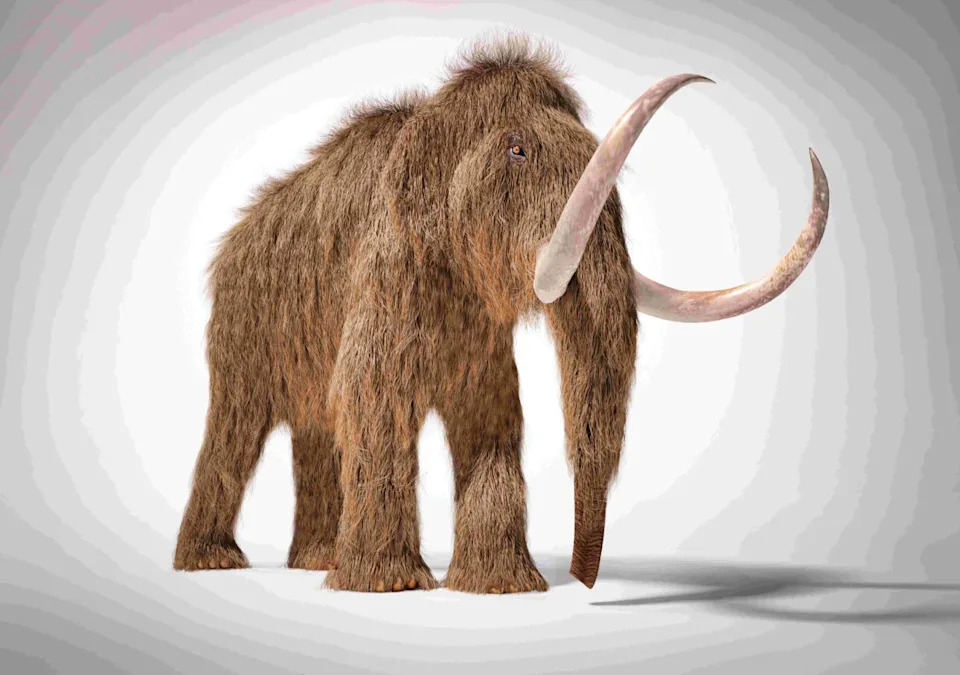
Ben Lamm expects to welcome the first hybrid woolly mammoth calves by the time the next presidential election is in full swing. (Photo by Leonello Calvetti / Science Photo Library)
What Colossal Is Trying To Do
Colossal's stated goal is ecological restoration rather than spectacle. By restoring keystone and apex species — animals that once structured ecosystems — the company aims to rebuild natural processes that store carbon, stabilize landscapes and revive biodiversity. Backers include a mix of venture capital, celebrity investors and philanthropic donors: Colossal has raised more than $400 million, is reportedly valued north of $10 billion and employs 130+ scientists, geneticists and engineers.
Early Proofs and Controversy
Colossal drew major headlines for a genetically engineered project involving the dire wolf. Researchers used fragments of ancient DNA and made targeted edits — reported as roughly 20 changes across 14 genes — to modern gray wolf genomes. Two pups, Romulus and Remus, were publicly announced in October 2024, followed by a sister, Khaleesi, in January. The company also used cloning methods to produce litters of critically endangered red wolves.
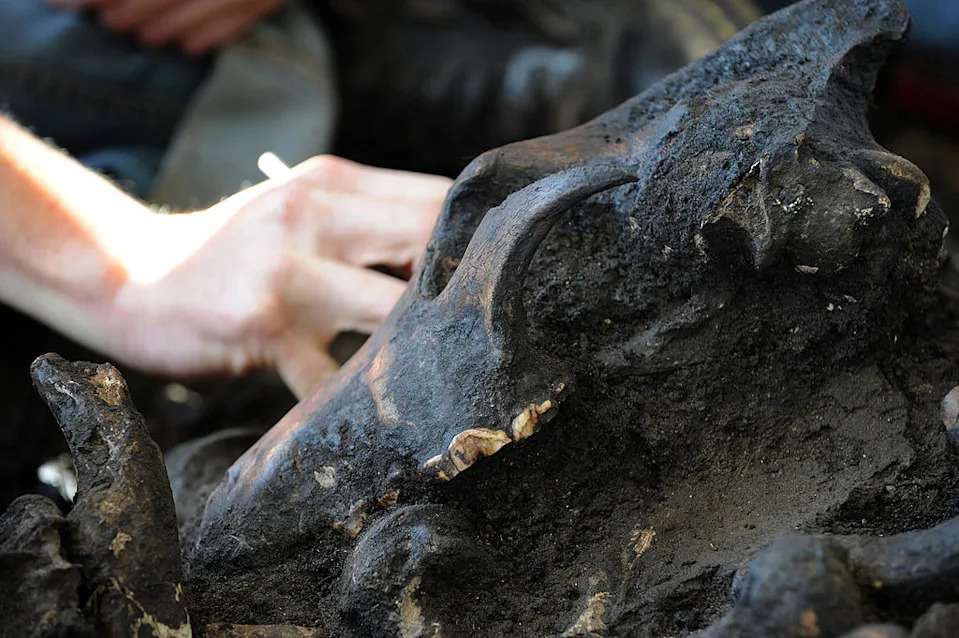
An excavator digs around a skull of an Ice Age dire wolf nicknamed Zed which was discovered during digging around an underground Los Angeles parking garage. (Photo by Robyn Beck / AFP via Getty ImagesAFP PHOTO/ ROBYN BECK (Photo credit should read ROBYN BECK/AFP via Getty Images)
Colossal frames those births as proof-of-concept experiments to learn about cloning, genome editing and downstream ecological effects. Skeptics argue these animals are engineered modern species rather than true restorations of extinct taxa and caution against media-driven claims before peer-reviewed publication.
“The work that’s being done at Colossal has not brought a species back from extinction,” said paleoecologist Jacquelyn Gill, criticizing the publicity ahead of scientific papers.
The Woolly Mammoth Strategy and Climate Rationale
Lamm calls the woolly mammoth project Colossal's 'North Star.' Rather than perfect replicas, scientists aim to produce hybrid Asian elephant–mammoth animals with cold-adapted traits — dense hair, insulating fat and other phenotypes driven by a relatively small set of genes — so they can survive in tundra environments. The idea: reintroduce megafauna that convert insulating shrubs and forest back into reflective grassland, trampling snow, changing ground albedo and helping keep permafrost frozen.

Sophie Turner and Ben Lamm at an aptly named panel, Engineering The Impossible, at SXSW London 2025. (Photo by Lorne Thomson / Redferns via Getty Images)
That matters because permafrost stores an estimated ~300 billion metric tons of carbon and methane. Models cited by Colossal suggest large-scale rewilding could materially affect ground temperatures and carbon dynamics, though realizing those benefits would require many animals and years of work — one study from the team estimates roughly 48,000 mammoths could persist on Alaska's North Slope under certain scenarios.
Conservation, Partnerships and The Colossal Foundation
Colossal's non-profit arm, the Colossal Foundation, launched with about $50 million in seed funding. The foundation works with Indigenous groups, governments and NGOs on habitat restoration and preparatory conservation work: invasive species control in Mauritius for a future dodo effort, groundwork in Tasmania for thylacine planning, bison repatriation with Wind River Tribes, and wolf conservation with the Nez Perce Tribe. The company also promotes 'genetic rescue' techniques for critically endangered species such as the northern white rhino, Sumatran rhino and vaquita.
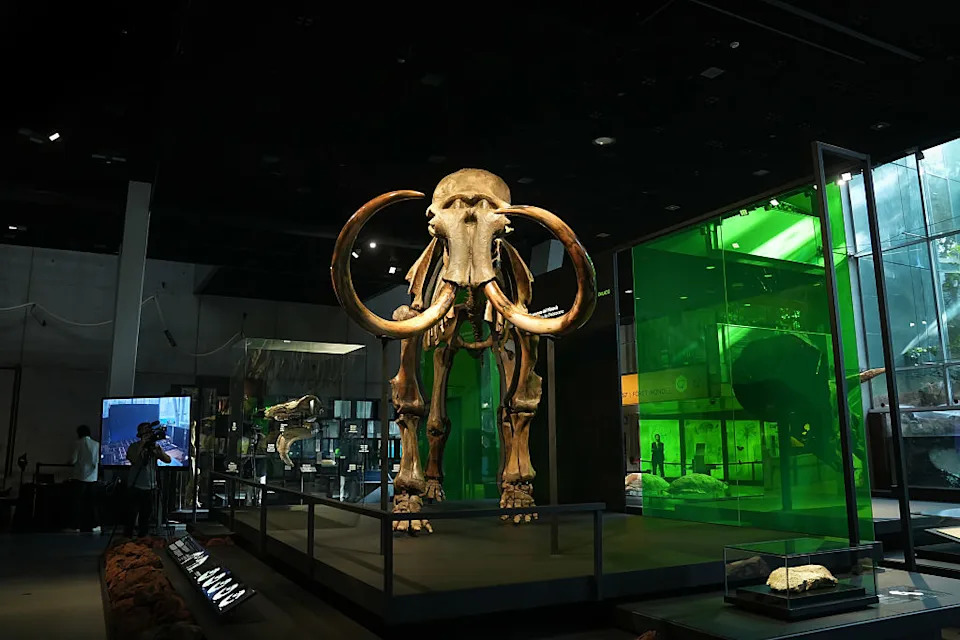
A fossilized woolly mammoth skeleton at the CosmoCaixa Science Museum in Barcelona, Catalonia, Spain. (Photo By David Zorrakino / Europa Press via Getty Images)
Risks, Ethics and The Big Picture
Experts highlight ethical questions and ecological risks: reintroducing predators and megafauna into altered landscapes may have unintended consequences, and editorial caution notes that no extinct species has yet been fully restored to an independent, self-sustaining wild population. Lamm and Colossal emphasize careful risk assessment, collaboration with ecologists and Indigenous partners, staged rearing and robust monitoring.
Supporters argue nature-based restoration can be orders of magnitude more efficient at storing carbon than engineered direct-air-capture plants: studies Colossal cites suggest restoring a handful of keystone species could sequester billions of tons of CO2 annually. Critics counter that resources should also prioritize protecting existing endangered species and habitats.
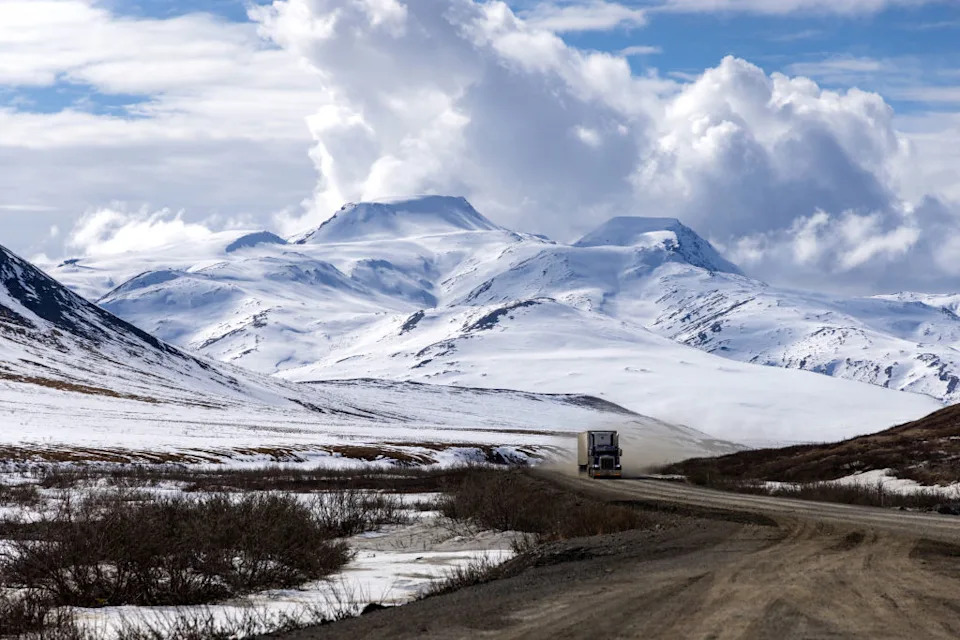
Mammoth country: North Slope Borough, Alaska. (Photo by Lance King via Getty Images)
Where This Leaves Us
Colossal's work sits at the intersection of high science, conservation ambition and public debate. Whether Lamm's bet succeeds remains uncertain, but the projects have reframed how policymakers and conservationists think about genomic tools. The approach emphasizes a combination of genetic technology, habitat restoration, indigenous partnership and careful ecological planning — and it makes a provocative claim: that engineered rewilding could be a significant nature-based response to climate change.
Note: The science is evolving. Several of Colossal’s most headline-grabbing claims remain contested in the scientific community and await peer-reviewed validation and long-term ecological monitoring.
Help us improve.