The Foundation for Defense of Democracies warns that Iran’s secretive chemical-weapons program may have been used against protesters during the December 2025 uprising, potentially violating the 1997 Chemical Weapons Convention. The report cites Israeli claims about the Shahid Meisami research complex and notes prior U.S. findings of noncompliance. FDD urges OPCW-led investigations, public diplomatic pressure and monitoring, and recommends targeted strikes on facilities only if credible, actionable intelligence confirms imminent threats.
Report Alleges Iran Used Chemical Agents Against Protesters — FDD Calls For OPCW Probe And Possible Targeted Strikes
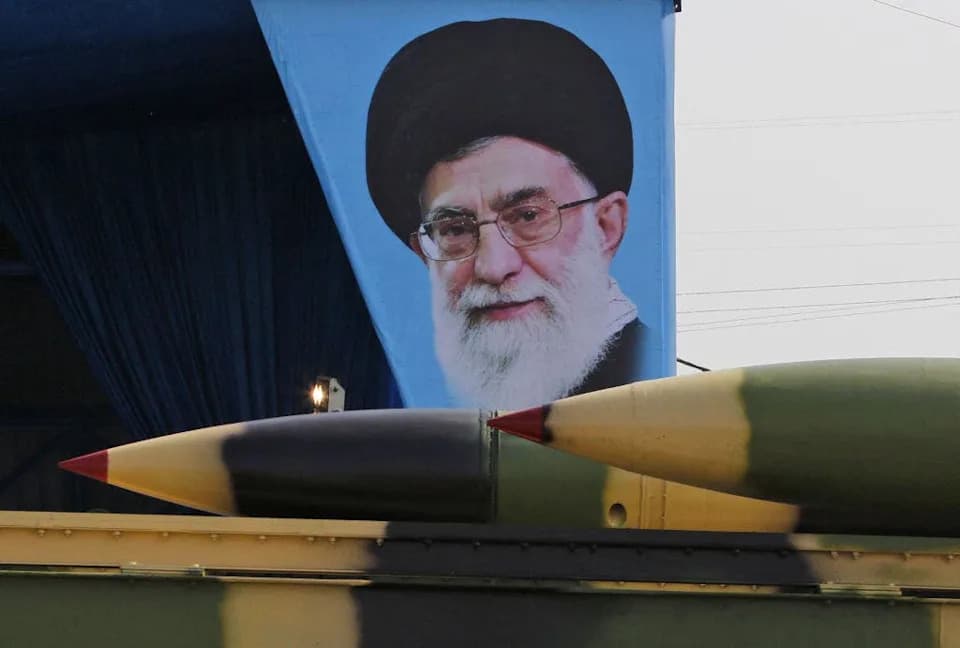
An Iranian military truck carries surface-to-air missiles past a portrait of Iran's supreme leader, Ayatollah Ali Khamenei, during a parade on April 18, 2018, in Tehran.(Getty Images)
A new analysis by the Foundation for Defense of Democracies (FDD) raises alarming allegations that Iran’s opaque chemical-weapons program may have been used against protesters during the mass uprising that began in December 2025. If verified, such actions would violate Iran’s obligations under the 1997 Chemical Weapons Convention (CWC) and trigger international investigation and accountability measures.
Allegations, Sources and Context
The FDD report, authored by Andrea Stricker, says credible claims merit an inquiry by the United States, its partners and the Organization for the Prohibition of Chemical Weapons (OPCW). Israeli officials have publicly accused Iran of developing weaponized pharmaceutical agents that affect the central nervous system and can be lethal in small doses. In June 2025, Israel struck and destroyed the Shahid Meisami Research Complex, which it says hosted work on fentanyl-derived, opioid-based tactical munitions.
"The United States, its allies and the Organization for the Prohibition of Chemical Weapons (OPCW) should investigate credible claims that Iran’s regime used chemical weapons against its own people,"
— Andrea Stricker, Deputy Director, FDD Nonproliferation Program
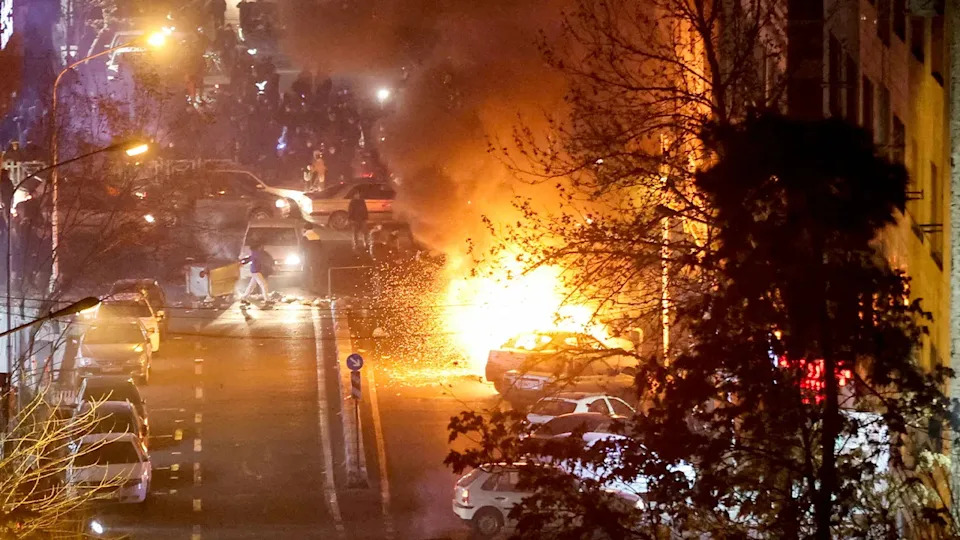
Cars burn in a street during a protest over the collapse of the currency’s value in Tehran, Iran, Jan. 8, 2026.
Diplomatic And Military Backdrop
The report arrives amid heightened tensions: the U.S. has increased its naval presence in the Persian Gulf, including the deployment of the USS Gerald R. Ford, even as indirect, Oman-mediated talks with Iran continue in Geneva. Iranian Foreign Minister Seyed Abbas Araghchi has said Tehran will resume talks with a view to a "fair and equitable deal," insisting Iran will not pursue nuclear weapons while defending its right to peaceful nuclear technology.
Tehran has rejected allegations of chemical-weapons development and use. In November 2024 the Iranian mission to the United Nations characterized such claims as unfounded and as part of "psychological warfare" by Israel.
Evidence And Past Findings
U.S. intelligence traces Iran’s chemical program to the early 1980s, when Tehran developed defenses and capabilities after chemical attacks during the Iran–Iraq war. The U.S. government cited Iran for noncompliance with CWC obligations as recently as 2024. Israel’s claims, the destroyed Shahid Meisami facility, and other reporting form the basis for FDD’s concern, but the report emphasizes that independent verification is essential.
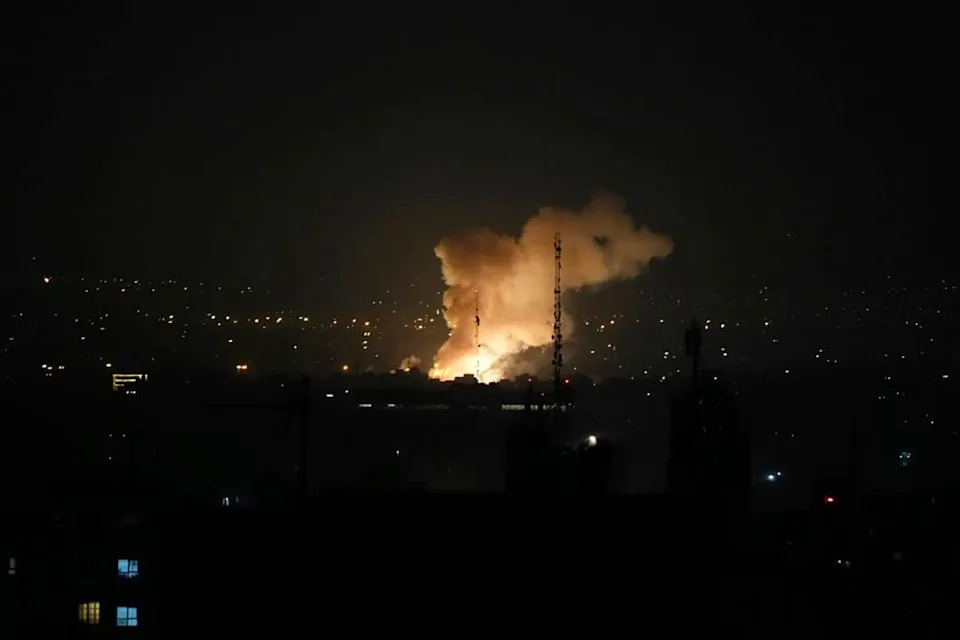
Smoke rises after an explosion in Tehran, Iran, June 13, 2025, during an attack by Israel.
FDD Recommendations
The FDD urges a multilayered international response: immediate OPCW and independent investigations into credible allegations; sustained diplomatic pressure and public exposure of any violations; and a formal demand from Washington for monitoring, verification and on-site inspections to establish compliance.
As contingency measures, the report recommends that, if reliable, actionable intelligence confirms renewed chemical-weapons activity or imminent use against civilians, the U.S. should consider targeted strikes on research and production facilities or support allied operations that neutralize those capabilities. The FDD also encourages Israel to ratify the CWC and pursue allegations through the OPCW to bolster credibility.
Legal, Ethical And Practical Considerations
Use of chemical agents against civilians would constitute a grave breach of international law and norms. The report stresses the need for rigorous, transparent investigation before kinetic responses are approved. Any military action aimed at preventing chemical-weapons use must weigh legal authority, intelligence certainty, civilian risk and regional escalation.
Conclusion
The FDD analysis combines past intelligence findings, Israeli allegations and reports from the battlefield to warn of a persistent chemical-weapons threat from Iran. It calls for immediate OPCW-led inquiries, a coordinated diplomatic pressure campaign, and measured contingency options — including targeted strikes — only if independent verification and clear, actionable intelligence justify such steps.
Help us improve.