After Finland closed its border with Russia in December 2023, commuter hubs such as Niirala have gone quiet, inflicting heavy economic damage on local businesses and raising unemployment in border communities. While Helsinki accused Moscow of staging a "hybrid warfare" migrant surge, residents say their main concern is loss of livelihoods rather than a direct military threat. Finland has reinforced security — building a 200-km, €362m barrier and joining NATO — but analysts warn that targeted support is needed for the hardest-hit regions and sectors.
Finland’s Closed Border With Russia Is Devastating Local Economies — Residents Fear the Fallout More Than War
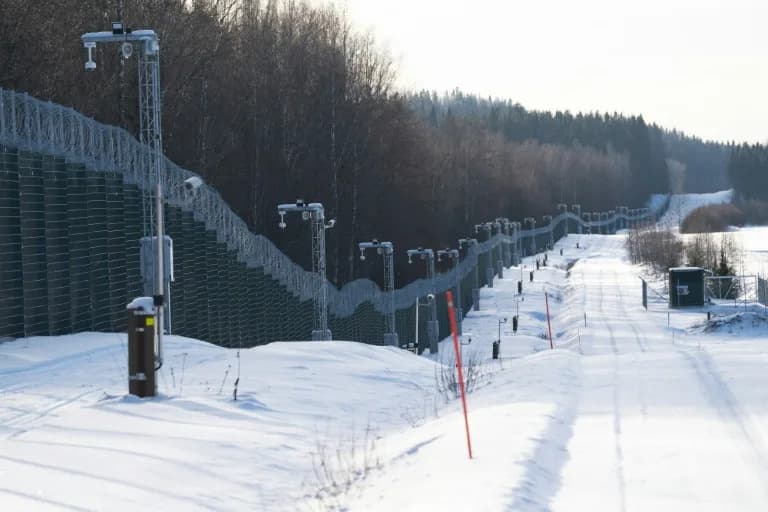
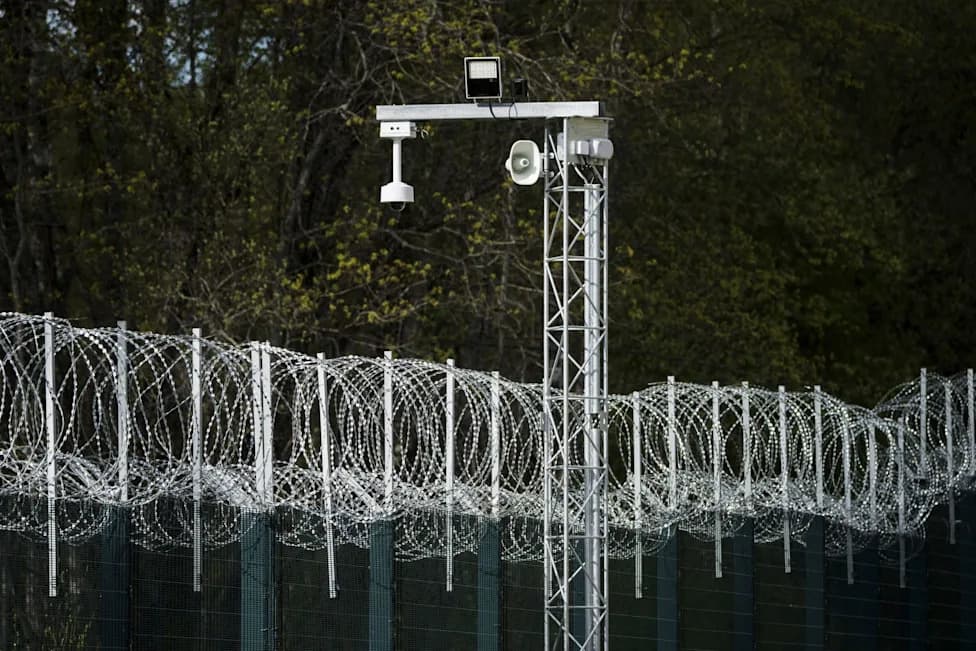
The new barbed wire border fence on the closed border between Finland and Russia (Alessandro RAMPAZZO)(Alessandro RAMPAZZO/AFP/AFP)
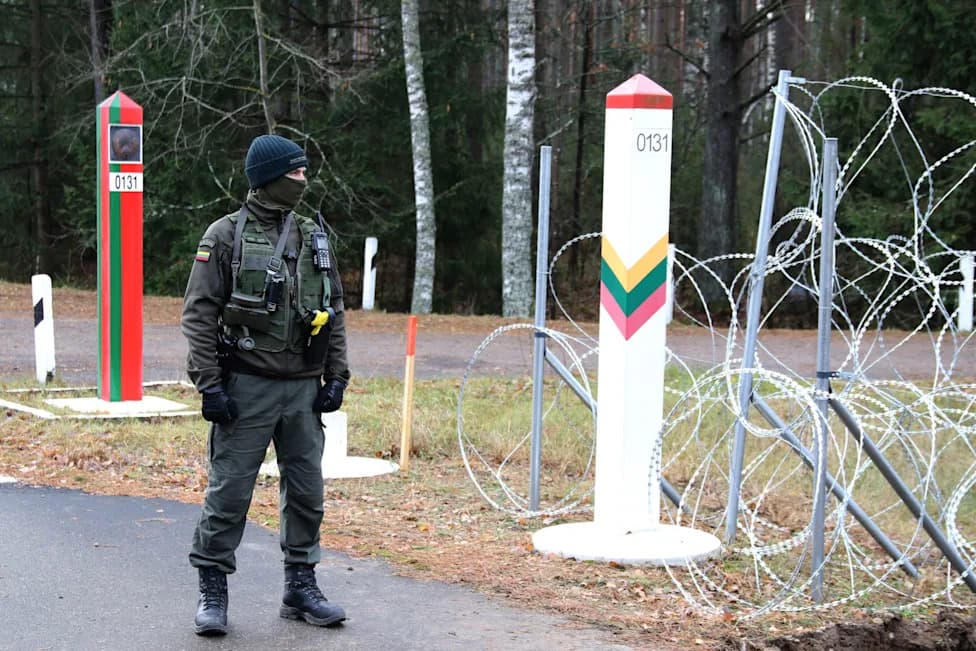
A deserted cafe and petrol station near the Niirala crossing to Russia illustrate how daily life has stalled since Finland closed its frontier with its large neighbour in December 2023. Helsinki said Moscow had orchestrated a surge of about 1,300 migrants in an act of "hybrid warfare" — a claim the Kremlin denies — but residents in the border region say the immediate impact has been economic, not military.
Economic Shock in Border Towns
At its peak, Niirala saw almost two million border crossings a year, according to Mikko Lopponen, head of the Tohmajarvi municipal authority. "And now there are none. This had an immediate impact on businesses. Companies have found themselves in a very difficult position," Lopponen said, looking out over a street that once hummed with transit traffic and tourists.
Local shopkeepers report sharp drops in sales. At the Tavaratori store, where signs are in Finnish and Russian, staff say sales have halved. Pilvi Paaskynen, who runs the K Market, remembers Russian customers buying instant coffee, tea and cheese, while Finns crossed the border to buy cheaper petrol, cigarettes and alcohol.
Finland’s national unemployment rate reached 10.2% in December, and in Tohmajarvi it hit 18.2%, according to the Finnish statistical agency. Economists say the nationwide impact has been uneven: some regions and sectors have been hit much harder than others.
Security Measures and Defence Posture
Finland is constructing a 200-kilometre barrier in strategic areas, equipped with cameras and sensors, as part of a roughly €362 million ($426 million) programme to counter the risk of weaponised migration. For now, border guards largely encounter wildlife and curious onlookers; "The border is very peaceful at the moment, but we are aware the global situation is tense," said senior border guard Ville Kuusela.
In April 2023 Finland joined NATO, abandoning decades of military non-alignment. Defence Minister Antti Hakkanen told AFP that military investment and preparedness have been increased amid concerns about activity near the eastern border, including suspected sabotage of undersea cables in the Baltic and expanded Russian military bases in the region. "We have to now run fast to strengthen up our defence," he said.
Local Labour Markets and Human Costs
While some households and businesses struggle, other parts of the economy face labour shortages. Construction, hospitality and healthcare — sectors that previously relied on Russian workers — report gaps. Vocational school principal Esa Karvinen in Joensuu said applications from Russia fell from more than 2,000 in 2022 to under 200 last year.
For many residents with ties on both sides of the border, the closure has been deeply personal. "No one wants to live in Tohmajarvi, there are no jobs," said motel owner Aleksander Kuznetsov, whose 14 rooms were once booked several nights a week but are now largely empty. He has not seen family in Sortavala across the border for 15 months; his last trip took 27 hours via Narva, Estonia, costing several hundred euros.
"People don't need war, people need a good life, a normal life," Kuznetsov said. "But I don't know how long I can hold on because money is running out. Maybe half a year, maybe a year."
Outlook
Analysts say the national economy has so far avoided the worst-case scenarios, but the pain is concentrated in border communities and specific industries such as tourism and machine-tool manufacturing. Local officials argue that more targeted government support is needed to help towns adapt to a new security environment while cushioning the economic shock now visible in once-bustling crossings like Niirala.
Help us improve.