The 2026 Munich Security Conference shifted from dialogue to debates on rearmament, territorial rivalry and strains in the transatlantic relationship. Speakers raised the possibility of increased European defense spending and even a continental nuclear deterrent amid rapid growth in arms production. Deep EU divisions—illustrated by a €90 billion loan to Ukraine passed via enhanced cooperation and several opt‑outs—heighten the risk that rearmament could become destabilizing. The authors warn that without strong multilateral safeguards and renewed diplomatic engagement, Europe risks repeating dangerous historical patterns.
Europe's Rearmament Rush Echoes a Dangerous Past — Lessons From Munich
“History,” it has often been said, “doesn’t repeat itself, but it often rhymes.” That sense of historical resonance was difficult to ignore at the 2026 Munich Security Conference, where debates about rearmament and great‑power rivalry dominated a forum originally founded to "build peace through dialogue."
The tone of this year’s gathering marked a sharp departure from conversations focused on diplomacy and conflict prevention. Delegates and speakers concentrated on territorial aggression, the return of great‑power competition, strains in the transatlantic relationship and the steady erosion of the post‑1945 rules‑based international order. Participants openly discussed boosting European defense spending and even the prospect of a European nuclear deterrent.
That rhetoric recalls Europe’s catastrophic experience during the two world wars of the 20th century and the risks that follow a broad continental rearmament. The central question now is whether a rearmed Europe—especially one divided politically—would deter threats or instead make the continent more dangerous.
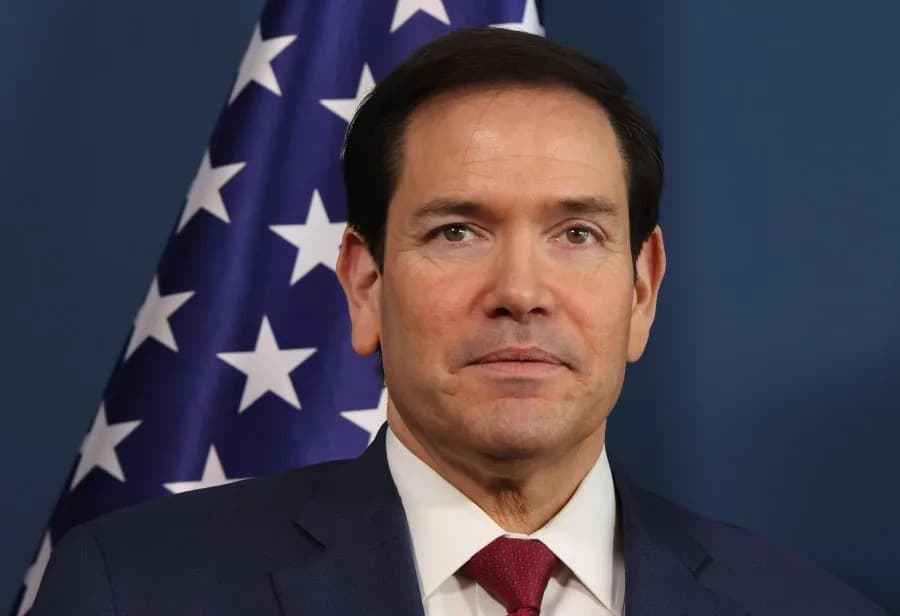
U.S. messaging at Munich was mixed. Last year Vice President J.D. Vance stunned many attendees with a speech that criticized European migration policy, restrictions on speech and treatment of right‑wing populists. This year Secretary of State Marco Rubio adopted a more conciliatory tone, acknowledging that "Americans may sometimes come off as a little direct and urgent in our counsel" and emphasizing that Washington does not seek the end of the transatlantic era, calling European leaders "cherished allies."
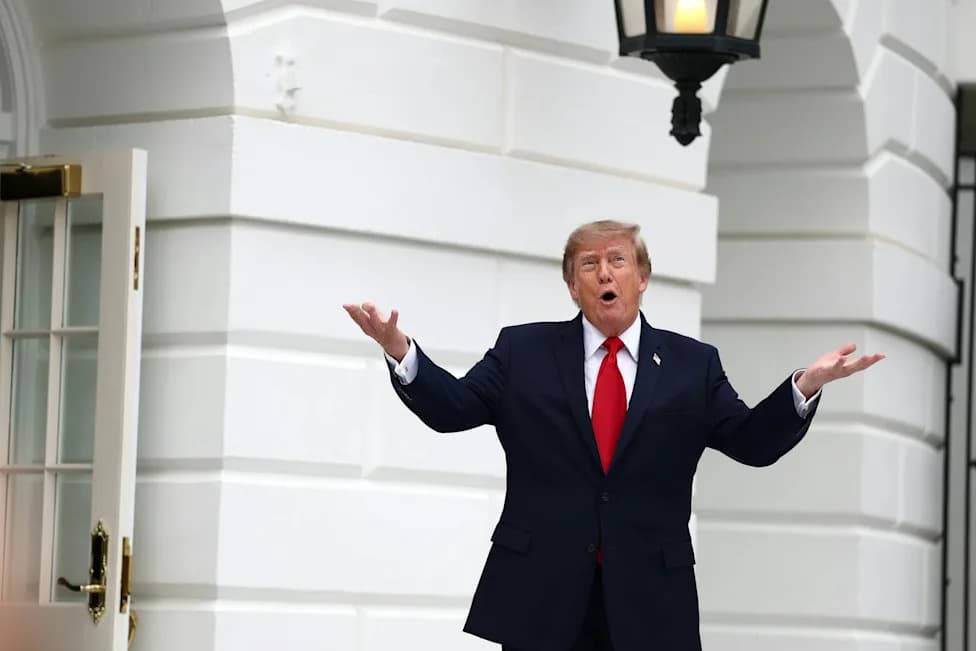
But conciliatory words sit uneasily beside recent actions in Washington. Over the past year, critics say President Trump has disrupted core transatlantic ties—advocating terms to end the war in Ukraine that many view as favorable to Russia and even proposing the unlikely idea of seizing Greenland from Denmark. Such moves have fed growing European frustration, captured in the Munich Security Report's portrayal of U.S. policy as "wrecking‑ball politics." The irony, the report notes, is that the country that helped build the post‑1945 international order is now seen by some as contributing to its unraveling.
Meanwhile, the European Union has accelerated defense investments. A November Financial Times piece documented a rapid increase in production by European arms manufacturers, driven in part by what analysts described as an EU‑wide arms financing push. That surge in defense activity arrives amid significant political fault lines inside the EU.
Last week the European Parliament approved an aid package for Ukraine—including a €90 billion loan covering 2026–2027—using the so‑called "enhanced cooperation" mechanism that allows a subset of member states to proceed when others object. The Czech Republic, Hungary and Slovakia declined to participate in the loan to Kyiv. At the same time, proposals from European Commission President Ursula von der Leyen and others for a "two‑speed union"—meant to break institutional deadlocks over reform—underscore how deeply divided the bloc has become. As Danish Prime Minister Mette Frederiksen put it bluntly: "Several (countries) can block Europe from doing what is right for Europe, and I think we see governments that are pro‑Russian and that are in reality against Europe."
That combination—a continent rearming while political cohesion weakens—raises clear dangers. Rearmament in an already fragmented political environment could either deter aggression or, if mismanaged, become the tinder for broader conflict. The historical parallels are chilling: European rearmament once preceded catastrophic war. Citizens who remember those costs are rightly uneasy about normalizing militarization across the continent.
Policymakers in Europe and the United States should therefore treat current trends with caution. Strengthening deterrence, supporting Ukraine and reassuring allies can be compatible goals, but they must be pursued with clear multilateral safeguards, open diplomatic channels and a commitment to the institutions that prevent escalation.
About the authors: Austin Saratis is the William Nelson Cromwell Professor of Jurisprudence and Political Science at Amherst College. Ruxandra Paul is Assistant Professor of Political Science at Amherst College and an affiliate of the Minda de Gunzburg Center for European Studies at Harvard University.
Copyright 2026 Nexstar Media, Inc. All rights reserved. This material may not be published, broadcast, rewritten, or redistributed.
Help us improve.