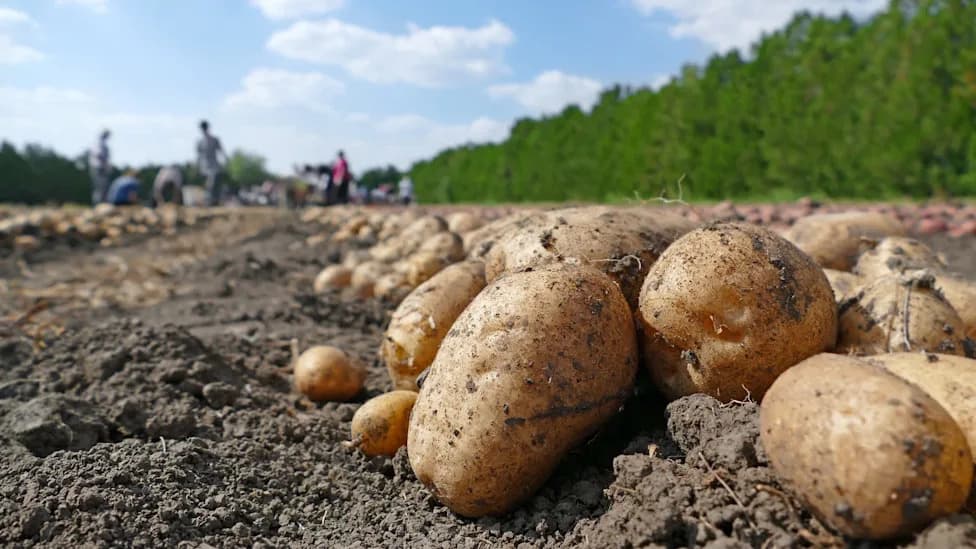
Vidalia onions face a tough season after unusually deep freezes and a dry January in Georgia. Farmers reported ground temperatures dropping to about 29°F — well below the roughly 55°F soil warmth onions prefer — while NOAA says January was the state's 25th-driest since 1895, affecting 9.6 million residents. Georgia supplies roughly 40% of U.S. spring onions (about $90M in sales); growers are irrigating and early inspections show many plants surviving, but risks remain.
Vidalia Onions Threatened by Unseasonable Freezes and Drought — Georgia Growers Sound Alarm
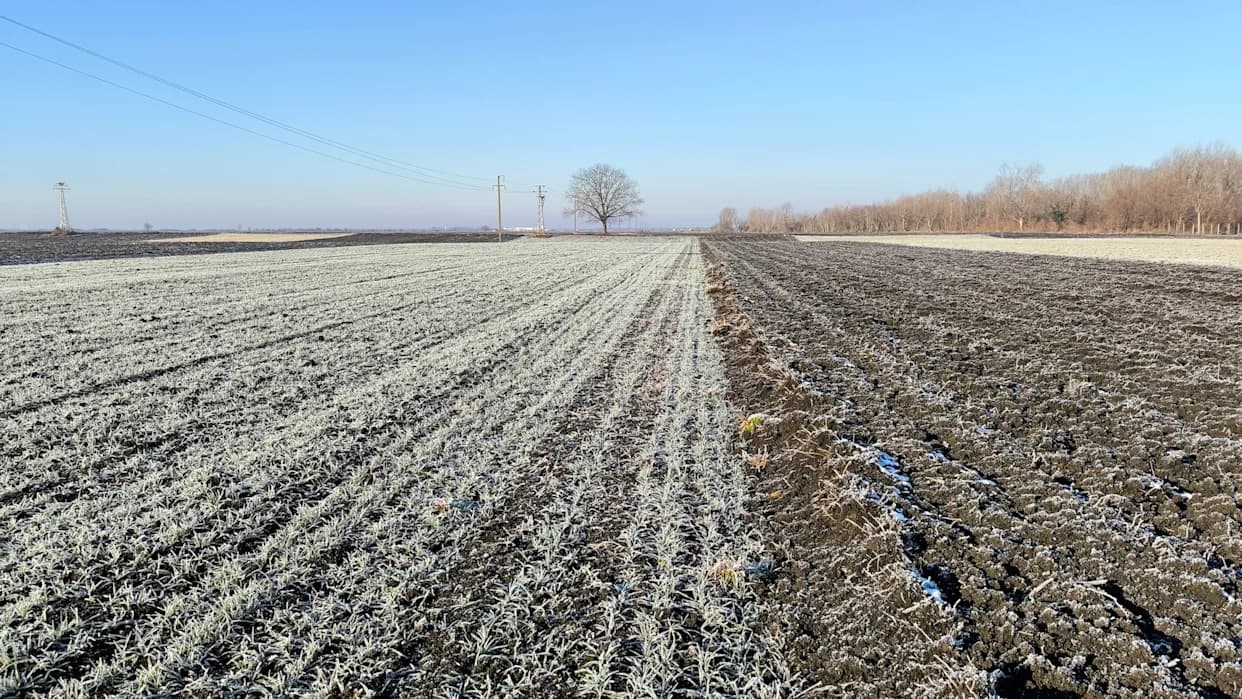
Photo Credit: iStock
Georgia's signature Vidalia onion crop is facing a precarious season after an unusual combination of deep freezes and dry conditions this winter, farmers and federal data say. Growers warn that young plants were exposed to ground temperatures far below what onions prefer, raising concerns about yields and supply for the spring market.
Why Vidalia Onions Are Vulnerable
The sweet onion labeled “Vidalia” may only carry that name when grown inside a legally defined 20-county region centered on the town of Vidalia. Its mild flavor is tied to the area's low-sulfur soils and local growing conditions, making the crop both regionally important and sensitive to weather extremes.
What Farmers Are Reporting
Aries Haygood, president of A&M Farms, told WTOC that this season “has definitely thrown us a few curveballs,” especially the deep freezes a few weeks ago. Onions generally do best when soil temperatures are at or above 55°F; Haygood measured ground temperatures as low as 29°F this winter and described the soil as frozen just below the surface.
“I was able to stick a thermometer in about a half an inch before I hit frozen,” Haygood said.
That kind of cold can stress tender plants as they approach key growth stages. The threat is compounded by dry conditions: NOAA reports that January was Georgia's 25th-driest January since records began in 1895, a dry month that affected an estimated 9.6 million residents.
Economic Stakes and Early Signs
Georgia's spring onion harvest accounts for roughly 40% of U.S. spring production and is valued at about $90 million in sales, according to the Digital Library of Georgia. Farmers are irrigating where possible to offset drought stress, and early field checks indicate many Vidalia plants appear to have survived the cold.
“You can tell the onions are happy right now. It looks like they're green, they're standing up. So it seems like they're growing well,” Haygood told WTOC.
Broader Context and Responses
Georgia is not the only agricultural region coping with extreme weather. Recent seasons have brought damaging wet spells in parts of the U.K. and hail and storms that damaged crops in Australia. Scientists caution that not every single event can be directly attributed to climate change, but agencies such as NASA and analyses from outlets like Yale Climate Connections note that rising average temperatures can destabilize weather patterns — for example by shifting the jet stream — and increase the likelihood of extreme swings, including harsher cold snaps.
Researchers and policymakers are pursuing multiple responses: plant-breeding programs to develop heat- and stress-tolerant varieties, on-farm adaptation like improved irrigation and soil management, and new forecasting tools. Forecasters are experimenting with artificial intelligence to refine predictions and give farmers earlier warnings of damaging events.
What This Means For Consumers
Weather-driven supply disruptions can push grocery prices higher and affect availability. Monitoring crop conditions, supporting policies that strengthen farm resilience, and investing in research and forecasting tools are all steps that can help protect future harvests and stabilize supplies.
Sources: WTOC reporting; National Oceanic and Atmospheric Administration (NOAA); Digital Library of Georgia; Yale Climate Connections; NASA.
Help us improve.