Farah, a 21-year-old lesbian who fled Morocco after family violence, was detained in the U.S. and granted a protection order by an immigration judge, but was nevertheless deported via Cameroon and returned to Morocco where homosexuality is illegal. Lawyers and advocates say the Trump administration’s use of third-country deportations sidesteps due process and risks returning vulnerable people to danger. Reports indicate multiple flights to Cameroon carried deportees who had protection orders, and internal documents show dozens of third-country agreements and millions spent on such transfers.
U.S. Deports Protected Asylum Seeker Through Cameroon; Lesbian Woman Returns to Morocco and Goes Into Hiding
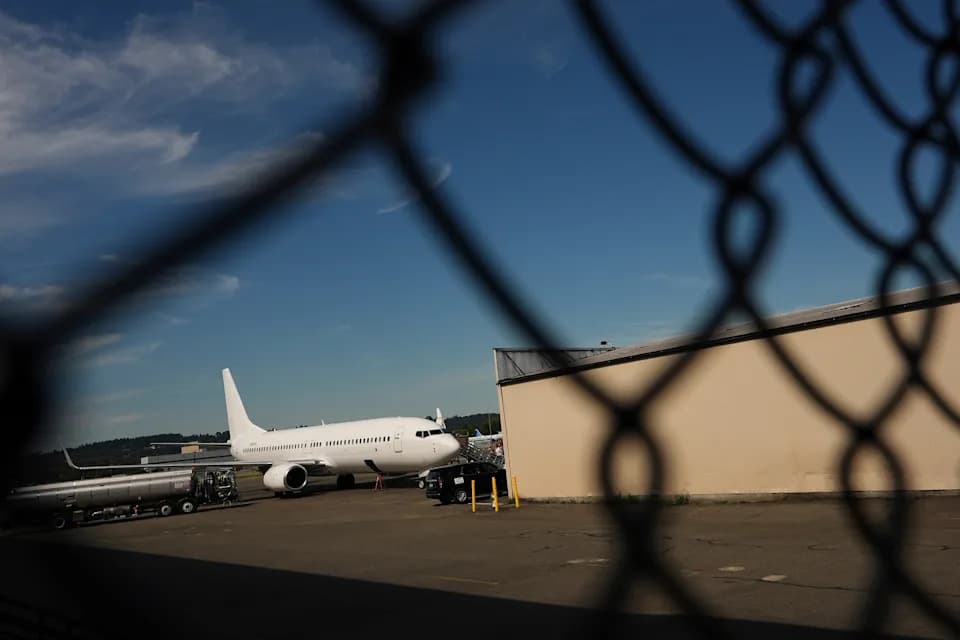
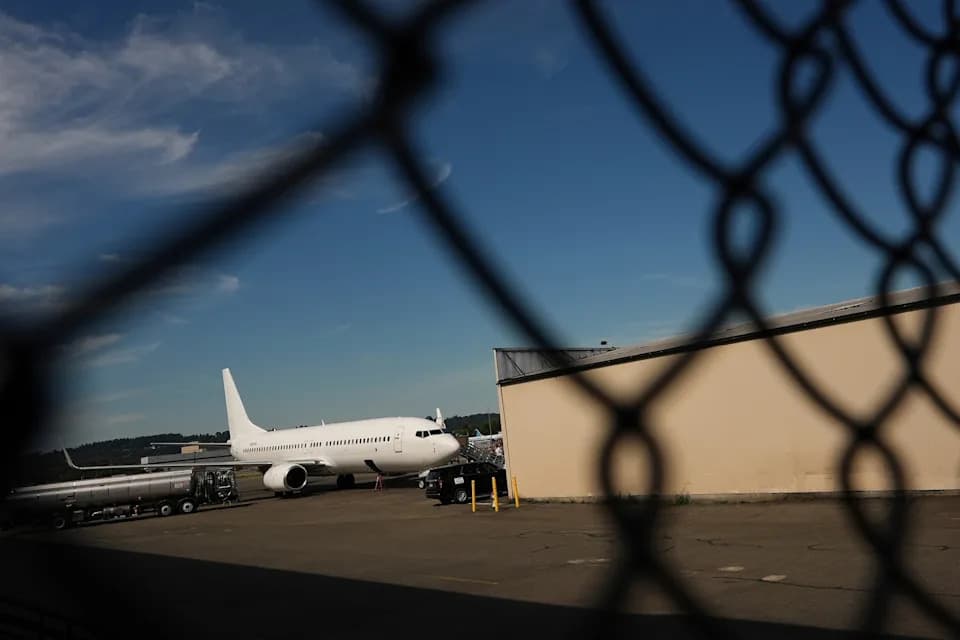
FILE - A U.S. Immigration and Customs Enforcement flight operates out of King County International Airport-Boeing Field, Aug. 23, 2025, in Seattle. (AP Photo/Lindsey Wasson, File)(ASSOCIATED PRESS)
Farah, a 21-year-old woman who fled Morocco after violent threats linked to her same-sex relationship, says she was returned to Morocco and is now living in hiding after U.S. authorities routed her through a third country.
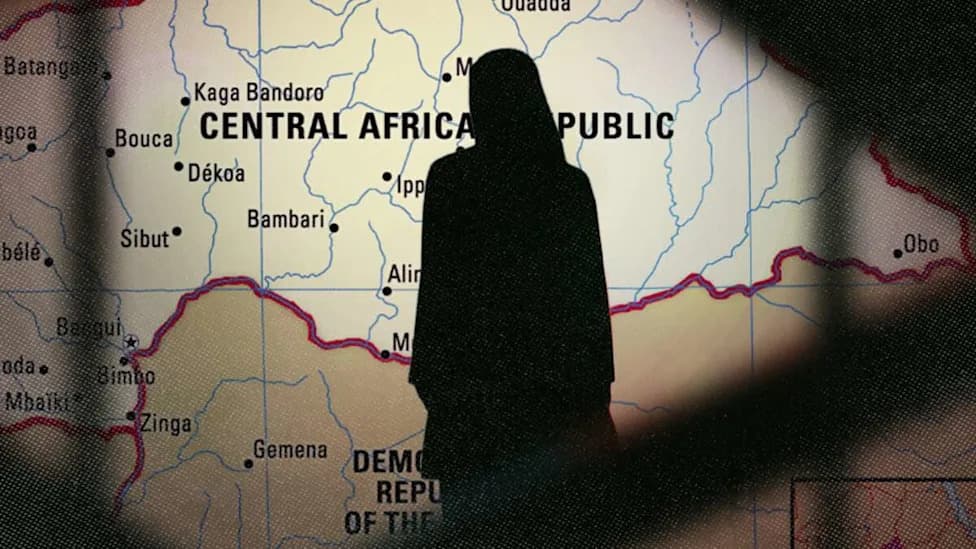
Moroccan law criminalizes same-sex relations and carries penalties of up to three years in prison. Farah told lawyers and reporters she escaped beatings and death threats from her family and her partner’s relatives, who discovered their relationship. After being expelled from her home, she and her partner obtained visas to Brazil and then walked through six countries over several weeks before crossing into the United States to request asylum in early 2025.
Instead of immediate protection, Farah said she spent nearly a year in detention in U.S. facilities in Arizona and Louisiana, describing cold conditions, thin blankets and inadequate medical care. She was denied asylum but in August a U.S. immigration judge issued a protection order finding that returning her to Morocco would endanger her life. Her partner, who was denied both asylum and a protection order, was deported earlier.
Three days before a scheduled hearing that could have led to her release, Immigration and Customs Enforcement (ICE) placed Farah in handcuffs, put her on a plane to Cameroon — a country where homosexuality is also criminalized — and held her in a detention facility in Yaounde. According to Farah, officials asked if she wanted to stay in Cameroon; she declined, saying she would still face risk there. She was subsequently flown back to Morocco and is now hiding from family members who she says threatened her life.
'It is hard to live and work with the fear of being tracked once again by my family,' Farah told reporters. 'But there is nothing I can do. I have to work.'
Lawyers and advocates say Farah is one of dozens of people confirmed to have been deported from the U.S. to third countries by the Trump administration despite having protection orders from immigration judges. Joseph Awah Fru, a lawyer representing deportees held in Yaounde, said the first flight to Cameroon in January carried nine people, all of whom had received judicial protection orders. A second flight brought additional deportees; Fru says 15 people from various African countries were being held at the Yaounde facility after the two flights.
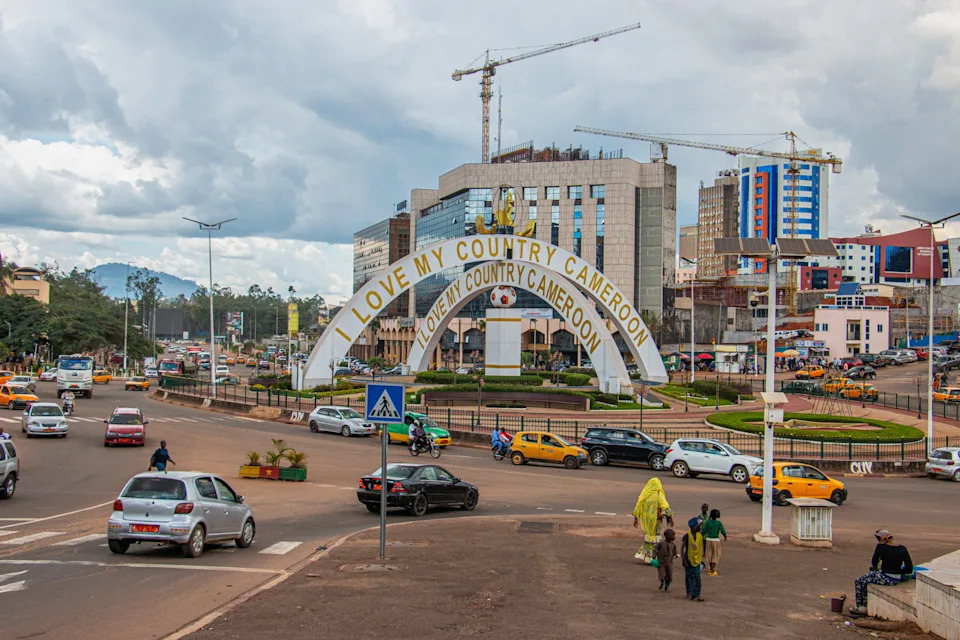
FILE - Cars drive through an intersection near a monument in Yaoundé, Cameroon, Sept. 12, 2025. (AP Photo / Welba Yamo Pascal, file)(ASSOCIATED PRESS)
Immigration attorneys say the practice of using third-country transfers effectively circumvents U.S. due process. Alma David of the Novo Legal Group, who reviewed Farah’s case, said sending protected migrants to third countries that may then quietly return them to the nation where they face danger violates U.S. immigration law, international obligations and departmental procedures.
The Department of Homeland Security earlier confirmed deportations to Cameroon in January and said it enforces the law as written, asserting that third-country arrangements 'ensure due process under the U.S. Constitution.' The State Department declined to comment on diplomatic communications and Cameroon’s foreign ministry did not respond to requests for comment. The International Organization for Migration (IOM) said it is aware of removals and that its stated role is to provide information and help ensure any returns are voluntary; it added that the Yaounde facility is managed by Cameroonian authorities.
Reports and U.S. documents reviewed by reporters say Cameroon is among at least seven African countries that have taken third-country deportees under arrangements with the U.S.; others listed include South Sudan, Rwanda, Uganda, Eswatini, Ghana and Equatorial Guinea. A Senate Foreign Relations Committee report by Democratic staff said the administration spent at least $40 million to deport roughly 300 migrants to countries other than their own. Internal administration documents reviewed by the AP indicate some 47 third-country agreements are at various stages of negotiation.
Advocates say the policy places vulnerable people at grave risk. 'They were given two impossible choices,' said Alma David, referring to deportees presented with options in the third country. 'This was before lawyers had access to them. They’d been alone in that facility without any help or any indication that there was going to be an option other than going back to their home countries.'
Farah told reporters it was painful to hear U.S. officials describe migrants like her as threats. 'The USA is built on immigration and by immigrant labor, so we’re clearly not all threats,' she said. 'What was done to me was unfair. A normal deportation would have been fair, but to go through so much and lose so much, only to be deported in such a way, is cruel.'
Help us improve.