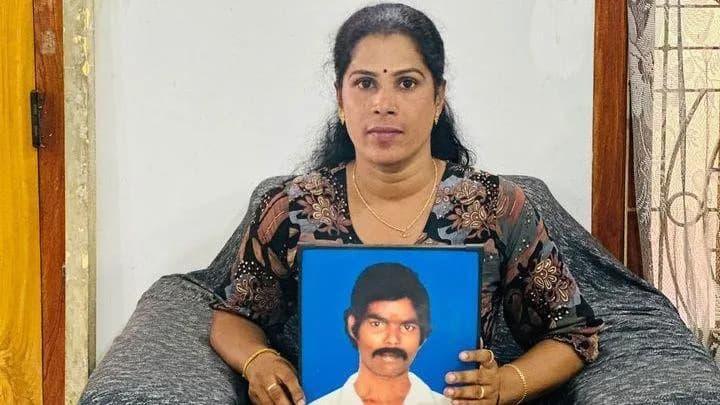
Farzana, a 32-year-old Afghan asylum seeker, says ICE flew her to Bangui, Central African Republic, on August 28 and left her there without identity papers after her lawyers filed an emergency motion to block removal. She is now isolated, unemployed, receiving only three months of resettlement support, and recently diagnosed with Plasmodium falciparum malaria. Advocates say the use of third-country removals risks sidestepping non-refoulement obligations and can place vulnerable refugees in dangerous or untenable situations.
‘They Kept Us Like Animals’: Afghan Asylum Seeker Says ICE Sent Her To Central African Republic Without Papers
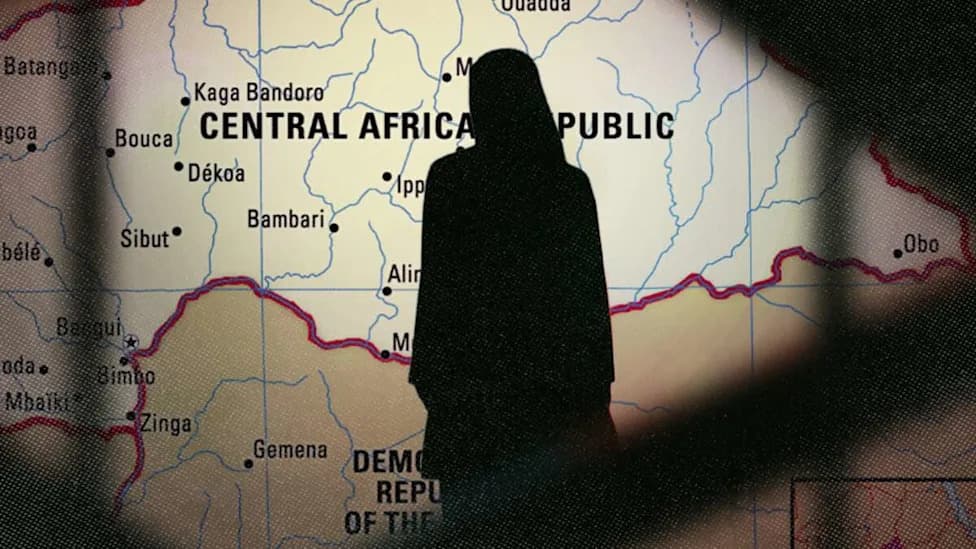
Illustration: Adani Samat/Midjourney/Encyclopedia Britannica
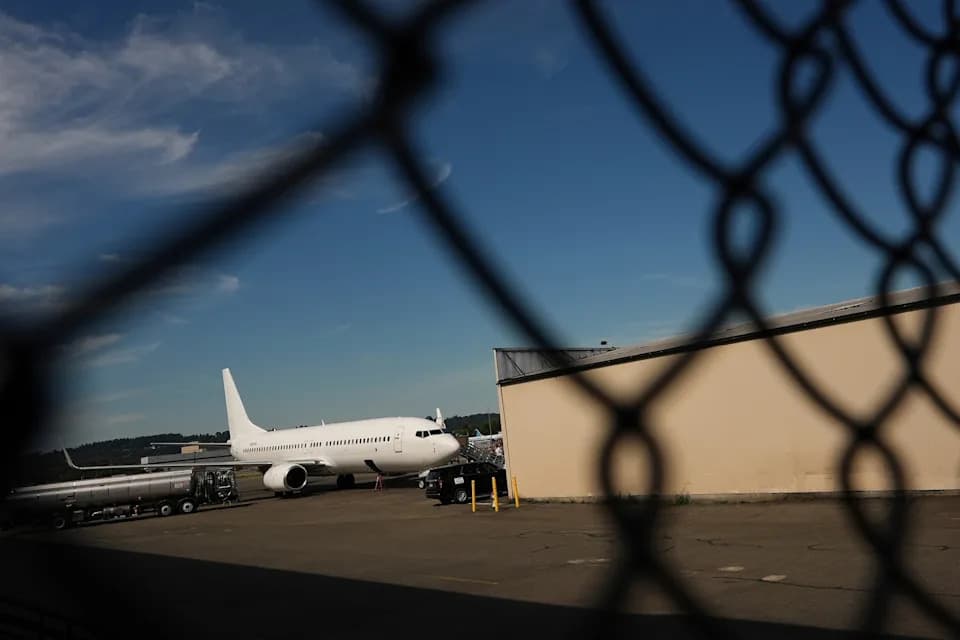
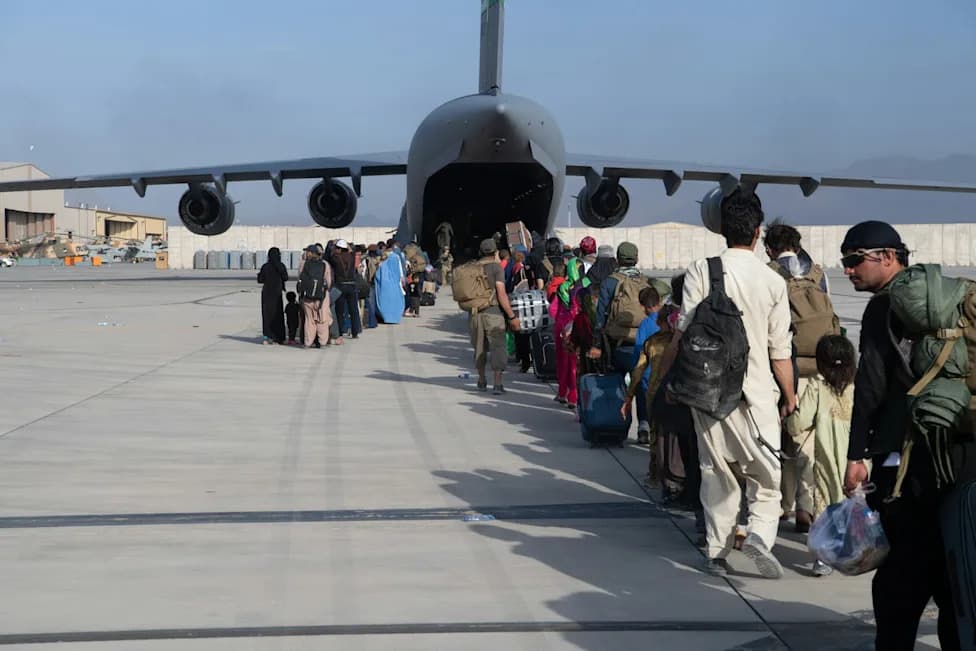
On August 28, lawyers for a 32-year-old Afghan woman known as Farzana filed an emergency motion seeking a temporary restraining order to prevent her removal from the United States. That same day, Immigration and Customs Enforcement (ICE) placed her on a plane to the Central African Republic (CAR) with roughly 40–50 other men and left her in Bangui without identity documents or other papers.
Detention, Legal Challenges, And Sudden Removal
Farzana and her fiancé entered the U.S. through the southern border in May 2024 and filed for asylum using the CBP One app. Both were detained. She describes her time in ICE custody as "awful," saying detainees were treated "like animal[s]" and that officers were often rude and dismissive of complaints.
As a final attempt to secure release, Farzana sought a writ of habeas corpus to challenge the legality of her detention. After the government filed an opposition to that petition, her lawyers filed an emergency motion for a temporary restraining order—likely intended to halt any removal. Despite that filing, she was deported the same day and the court denied the emergency motion three days later.
Stranded In Bangui
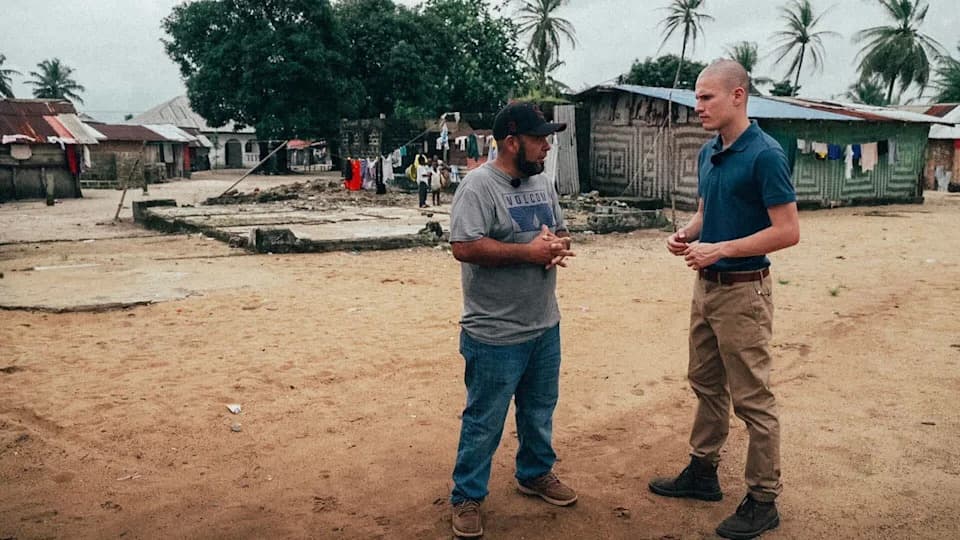
Now in Bangui with no job and only three months of resettlement support from the United Nations and the host government, Farzana says she is "safe only inside [her] room." Through a messaging app she shared a digital pin confirming her location and described her isolation: she has "no ties, no understanding of culture," does not speak the language, and fears she cannot return to Afghanistan because of Taliban reprisals.
This week she was diagnosed with Plasmodium falciparum, the parasite that causes the deadliest form of malaria. Farzana says she feels "hopeless."
Policy Context And Human Rights Concerns
Advocates say the removal is part of a broader pattern of so-called third-country removals, in which migrants and refugees are sent to nations where they have no prior ties. Critics argue that this tactic can circumvent the international prohibition on refoulement—the return of a person to a place where they are at risk of persecution or torture—and can amount to illegal "chain refoulement" when the third country then deports the person onward.
"They realize there's nothing for them there. They're allowed to stay there, but the conditions are not conducive to that," said Shawn VanDiver, president of the nonprofit AfghanEvac, describing third countries as often "in shambles."
Legal experts echo those concerns. Muzaffar Chishti, a senior fellow at the Migration Policy Institute, told CNN that sending someone to a third country from which they will then be deported to a place where they face danger is illegal under domestic and international law.
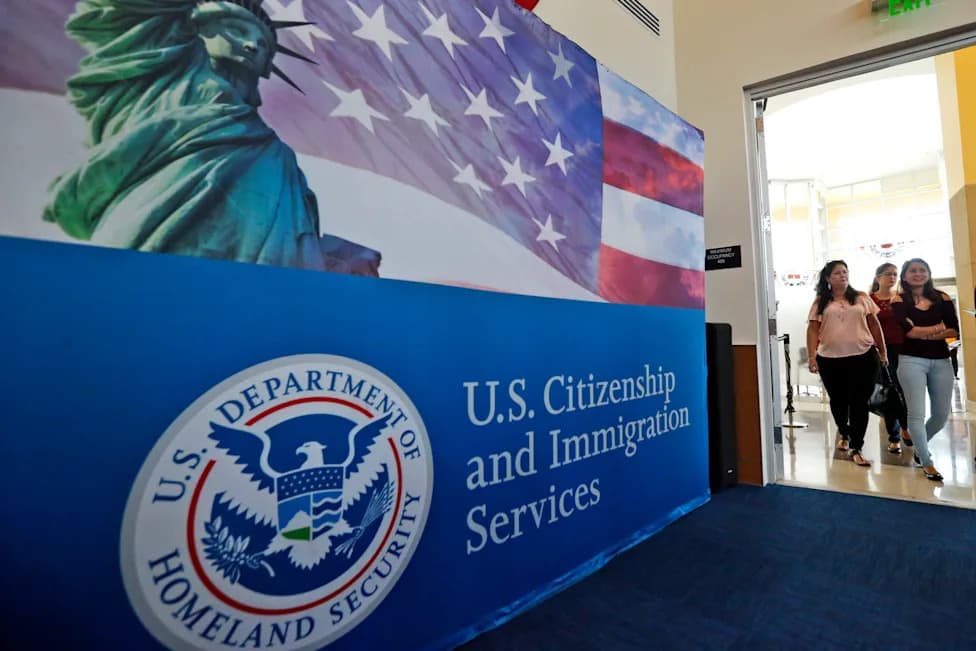
The U.S. has defended such removals in some cases by pointing to "diplomatic assurances" from receiving countries. A July 2025 ICE memorandum states that if the United States receives credible assurances from the country of removal that deported individuals will not be persecuted or tortured, removals may proceed without further procedures.
Related Cases And Broader Impacts
Between November 2025 and April 2026, Equatorial Guinea reportedly accepted 14 migrants in third-country removals from the United States; several of those individuals had previously received legal protections in the U.S. Human Rights Research reports that Equatorial Guinea deported six people to their home countries in June 2026, and a complaint alleging human rights violations has been filed with the African Commission on Human and Peoples' Rights.
VanDiver says his organization identified about 20 Afghans on the same flight as Farzana and is receiving urgent calls from relatives of detainees in facilities across states including Mississippi, Florida, and Louisiana.
Humanitarian And Gender Context
The Central African Republic is among the poorest countries in the world. The World Bank reported in 2023 that CAR had one of the highest extreme poverty rates, with roughly 70% of people living in extreme poverty and about 90% lacking access to electricity. U.N. Women has also warned that significant progress is still needed to achieve gender equality in the CAR.
By contrast, conditions for women under Afghanistan’s Taliban authorities remain dire. As of June 2026, the Taliban had issued 166 decrees restricting women’s participation in public life, including limits on unaccompanied travel, bans on speaking in public, strict enforced dress codes, exclusion from many jobs, restrictions on access to male doctors, and effective limits on girls’ education beyond primary grades.
Public Opinion And Political Debate
Polls conducted by AfghanEvac and HIAS found strong U.S. public support for protecting Afghan allies: 84% of respondents said the U.S. should protect Afghan allies and their families, 80% said it is possible to safeguard national security while honoring commitments to allies, and 63% opposed deporting Afghan allies to countries where they have no ties.
Advocates argue these numbers show a significant gap between public sentiment and government policy.
What This Means For Farzana
Farzana’s story highlights the intersecting risks of detention, expedited removals, limited resettlement support, and serious health vulnerabilities. Advocates say her case raises urgent legal and moral questions about how the U.S. handles asylum seekers who aided U.S. missions and now face potential persecution if returned to Afghanistan.
Note: Details in this article are drawn from court filings, statements from advocacy groups, reporting by news outlets, and public international sources. Some names and identifying details have been withheld or anonymized in original reporting; this version retains the same subject name as reported by sources.
Help us improve.