Zimbabwe has begun offering lenacapavir, a twice-yearly long-acting HIV prevention injection, to people at highest risk, with an early rollout expected to reach about 46,000 people at 24 sites. Backed by PEPFAR and the Global Fund, the donor-supported program is part of an initial effort across 10 African countries. Clinical studies show near-total protection, but experts warn that cost, clinic capacity and shrinking external funding could limit wider access. Authorities emphasize that injections should complement existing prevention tools, not replace them.
New Twice-Yearly HIV Injection Debuts in Zimbabwe — A Boost For High-Risk Groups, But Challenges Remain
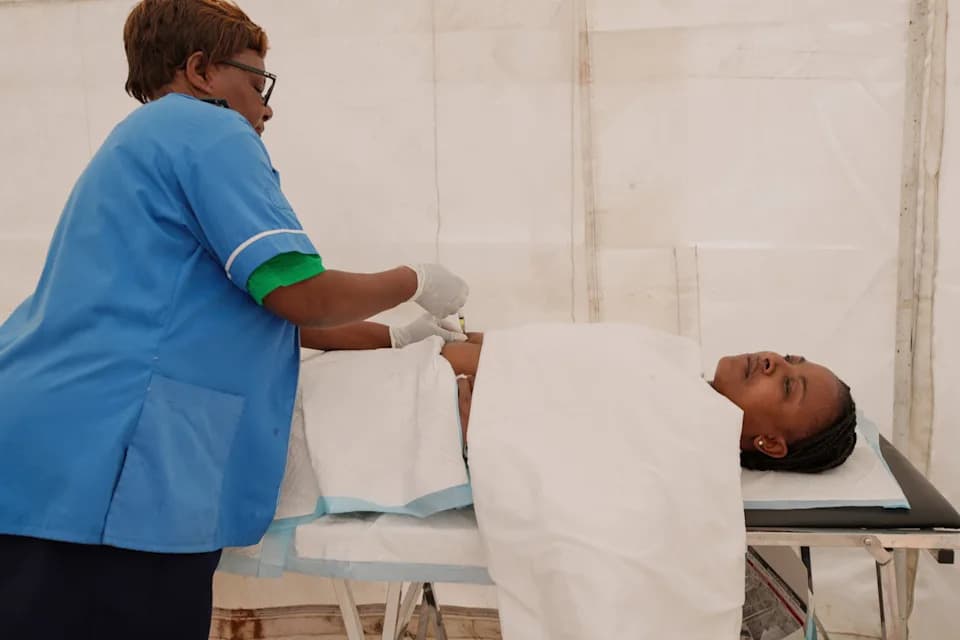
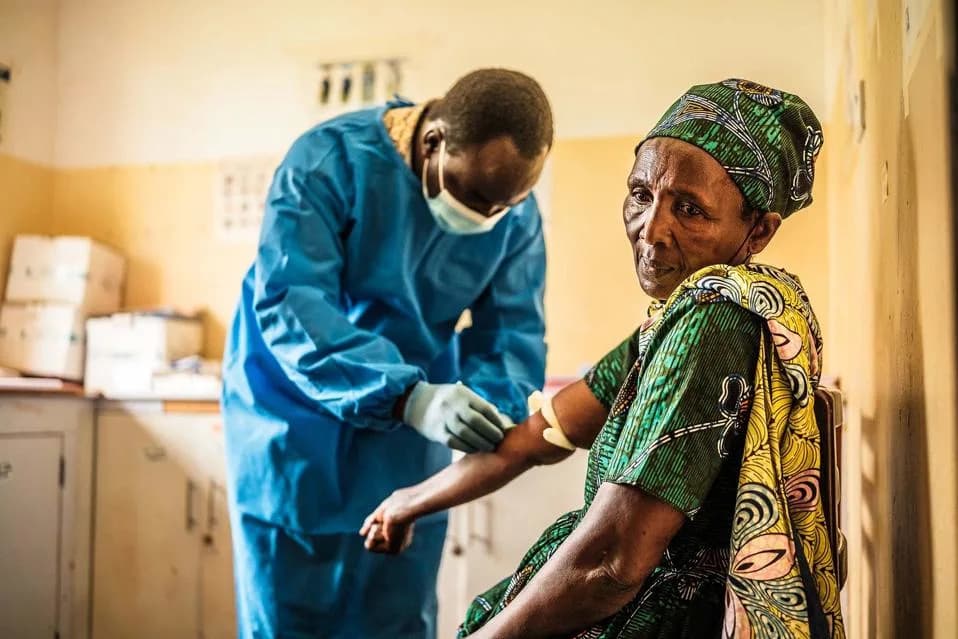
A nurse administers lenacapavir to Tambudzai Ndlovu during the launch of the new HIV prevention drug in Harare, Zimbabwe, Thursday, Feb. 19, 2026. (AP Photo/Aaron Ufumeli)(ASSOCIATED PRESS)
On the dusty outskirts of Harare, young women, mothers carrying infants and some men queued at a mobile clinic to receive injections of lenacapavir, a new long-acting HIV prevention drug that only needs to be administered twice a year.
What Is Lenacapavir?
Lenacapavir is a long-acting injectable developed by Gilead Sciences that clinical studies indicate can provide near-total protection against HIV acquisition when used for prevention. Its introduction in selected high-risk settings is being supported by the U.S. President’s Emergency Plan for AIDS Relief (PEPFAR) and the Global Fund.
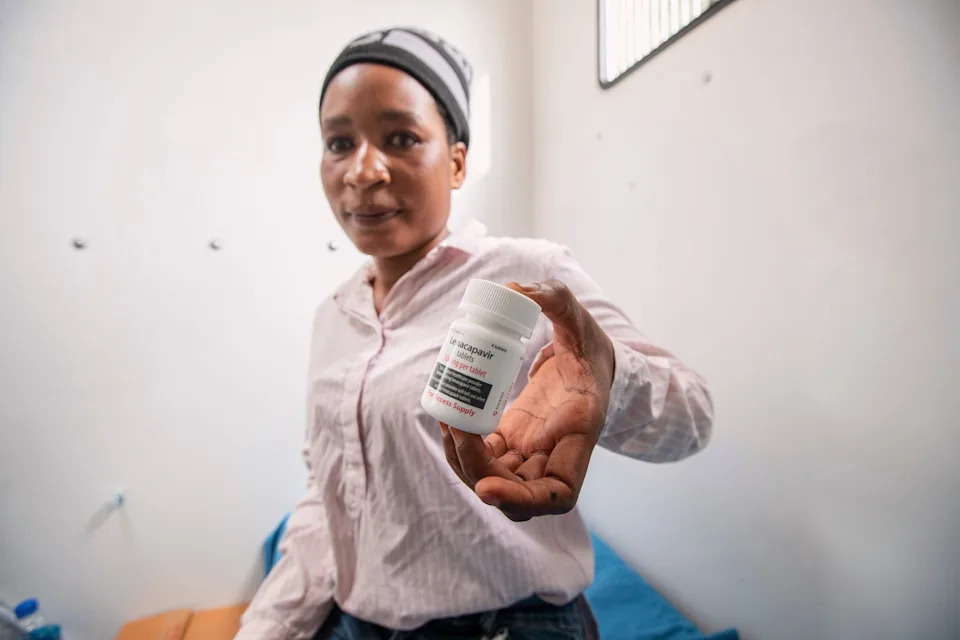
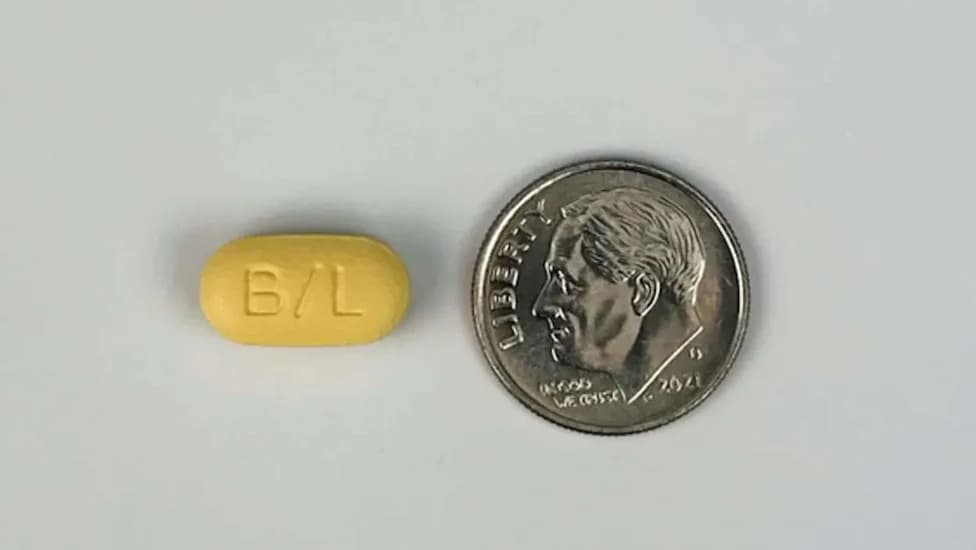
Constance Mukoloka holds a bottle of lenacapavir tablets after receiving a shot of the new HIV prevention drug in Harare, Zimbabwe, Thursday, Feb. 19, 2026. (AP Photo/Aaron Ufumeli)(ASSOCIATED PRESS)
Who Is Eligible In Zimbabwe?
The initial donor-supported rollout in Zimbabwe targets people at highest risk: sex workers, adolescent girls and young women, gay men, and pregnant or breastfeeding women. Authorities expect roughly 46,000 people at 24 sites to benefit in the early phase of the campaign.
Voices From The Launch
At the launch event, 27-year-old sex worker Constance Mukoloka left the mobile clinic smiling after receiving one of the first doses. She described how daily oral PrEP pills were often difficult to take consistently and sometimes exposed her to stigma that cost her income.
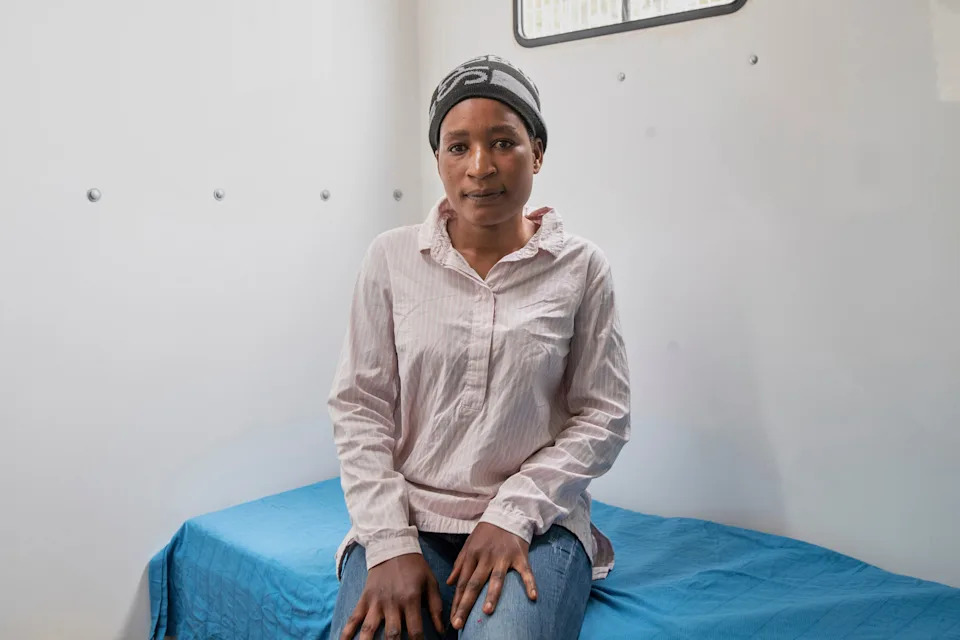
Constance Mukoloka sits inside a consulting room as she waiting to receive an injection of the new HIV prevention drug lenacapavir, in Harare, Zimbabwe, Thursday, Feb. 19, 2026. (AP Photo/Aaron Ufumeli)(ASSOCIATED PRESS)
“I am safe, I can work with confidence now,” Mukoloka said. “When I took tablets, customers would see a container of pills and leave. They couldn’t tell the difference between PrEP and treatment drugs. With the work we do, that stigma costs you money.”
Promise And Practical Challenges
Health officials see lenacapavir’s discreetness and six-month dosing interval as important advantages for key populations who face stigma, unpredictable schedules or barriers to daily pill adherence. "Prevention must fit into real life," Zimbabwe's Health Minister Douglas Mombeshora said at the launch, calling lenacapavir "a new way of doing things."
Yet experts and activists caution that converting clinical promise into broad public-health impact will require overcoming substantial obstacles: funding shortfalls, clinic staffing and equipment gaps, reliable supply chains and programs to keep patients engaged over time.
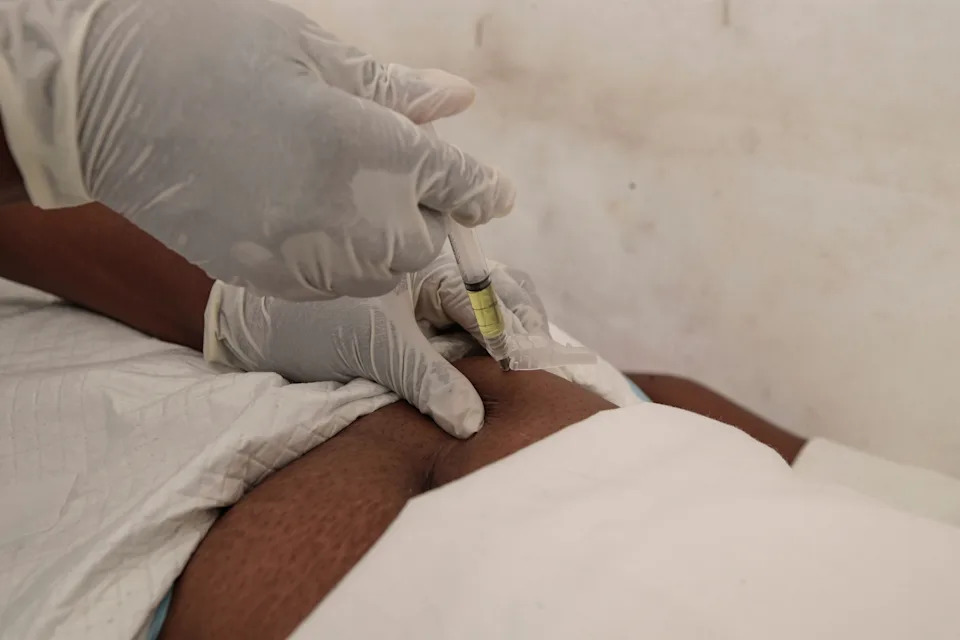
A nurse administers lenacapavir to Tambudzai Ndlovu during the launch of the new HIV prevention drug in Harare, Zimbabwe, Thursday, Feb. 19, 2026. (AP Photo/Aaron Ufumeli)(ASSOCIATED PRESS)
Gilead has pledged to sell lenacapavir at no profit to low- and middle-income countries most affected by HIV, and some governments have negotiated reduced prices—Kenya, for example, reported an initial negotiated cost of about $54 per person per year. Still, many African health systems depend heavily on external aid that has been shrinking, which could limit the scale-up of injections across the continent.
Context And Equity
Zimbabwe, together with neighboring Eswatini and Zambia, has made strong gains in meeting World Health Organization targets for testing, treatment and viral suppression. However, new infections remain concentrated among adolescent girls and young women: UNICEF reports that HIV prevalence among females aged 10–24 in sub-Saharan Africa is persistently about three times that of males in the same age group, and UNAIDS said women and girls accounted for 63% of new infections in the region in 2024.
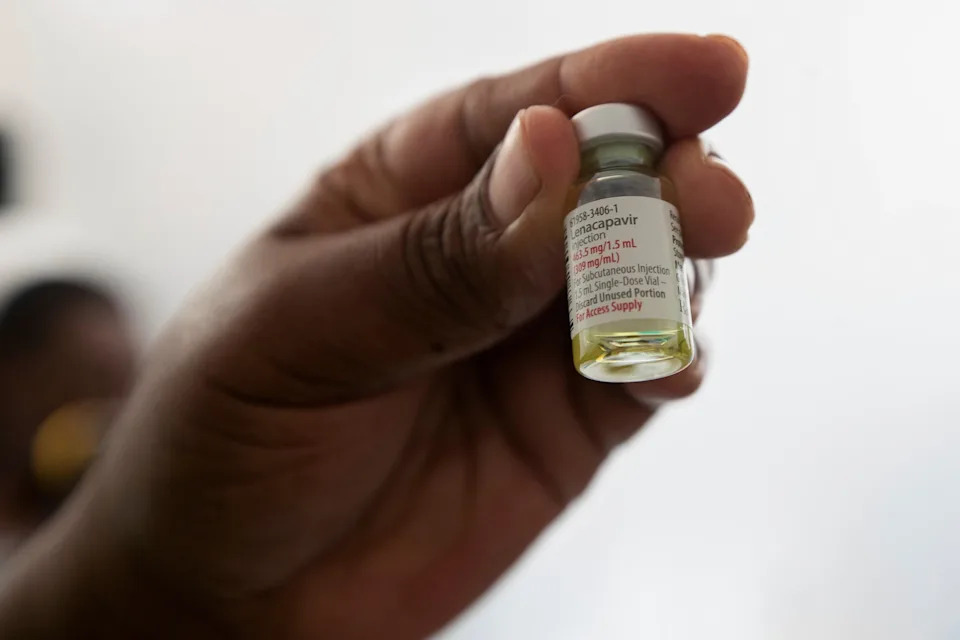
A nurse holds a vial of lenacapavir, a new HIV prevention drug, in Harare, Zimbabwe, Thursday, Feb. 19, 2026. (AP Photo/Aaron Ufumeli)(ASSOCIATED PRESS)
Complementing Existing Tools
Clinicians emphasize that lenacapavir should complement, not replace, existing prevention options such as condoms, oral PrEP, vaginal rings and shorter-acting injectables. "Condoms remain key. They are cheap and they also prevent other sexually transmitted infections," said Enerst Chikwati, Zimbabwe program director at AIDS Healthcare Foundation.
For early recipients like Mukoloka, the new option already feels transformative. "I am elated. I can go for a whole six months feeling safe," she said.
Associated Press reporting from Harare. Donor support for this rollout includes PEPFAR and the Global Fund. Gilead has committed no-profit pricing for heavily affected low- and middle-income countries.
Help us improve.