Brazil and India signed a non-binding MoU to deepen cooperation on rare earths and critical minerals, covering investment, exploration, mining and AI applications. The pact—part of both countries’ efforts to diversify strategic partners—also includes collaboration on legal frameworks for entrepreneurship, health, research and education. Observers call the agreement a pilot step toward greater geopolitical and industrial autonomy.
Brazil and India Sign MoU to Deepen Cooperation on Rare Earths and Critical Minerals
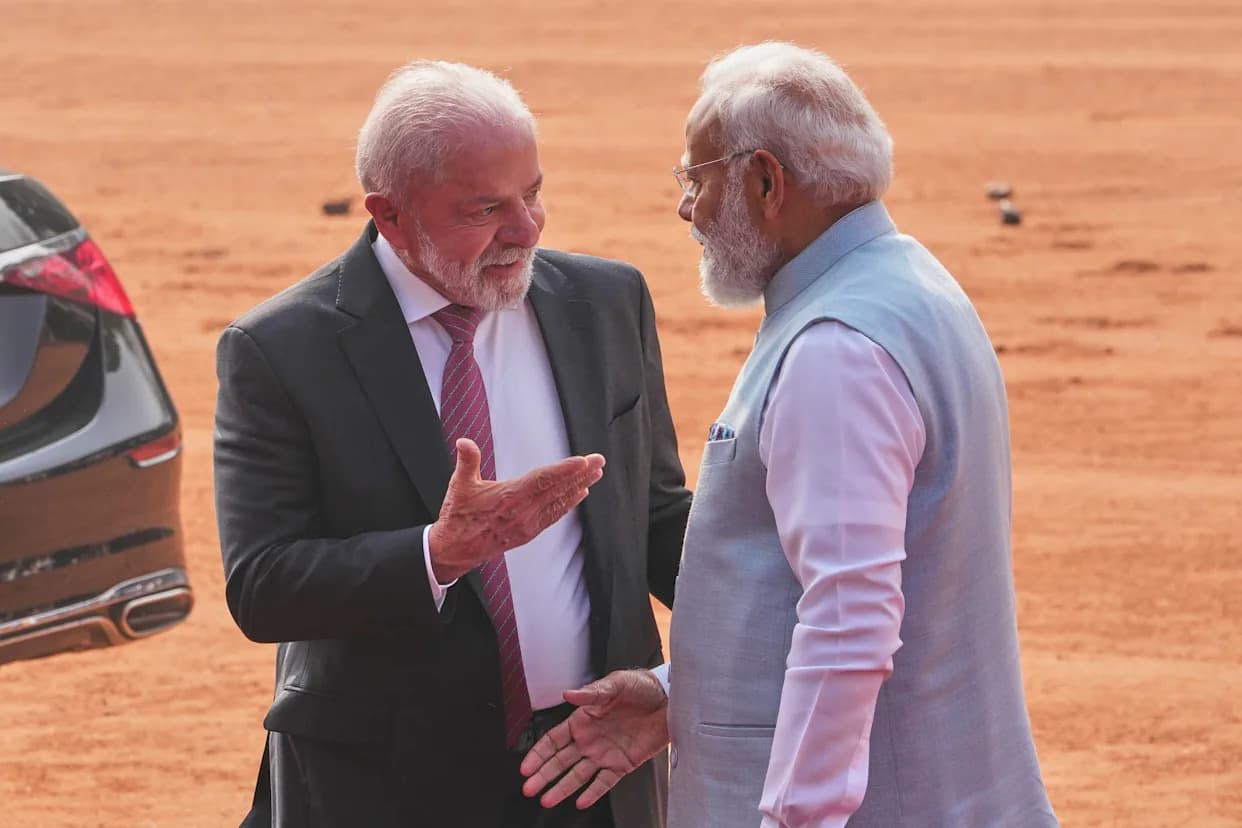
Brazilian President Luiz Inacio Lula da Silva, left, talks with Indian Prime Minister Narendra Modi upon his arrival at the Presidential Palace for his ceremonial reception in New Delhi, India, Saturday, Feb. 21, 2026. (AP Photo/Manish Swarup)
Brazil and India on Saturday signed a non-binding memorandum of understanding (MoU) to expand cooperation on rare earths and other critical minerals, creating a framework for joint work on investment, exploration, mining and the use of artificial intelligence in the sector.
The agreement, announced during Brazilian President Luiz Inácio Lula da Silva’s state visit to New Delhi, aims to strengthen economic and strategic ties between two major developing nations as they diversify trade and technology partnerships.
Scope of the MoU
The MoU covers reciprocal investment, geological exploration, sustainable mining practices and downstream processing. It explicitly references applications of artificial intelligence to improve exploration, resource management and value-chain development. The two governments also signaled intent to coordinate on legal and regulatory frameworks in areas such as entrepreneurship, health, scientific research and education.
“Increasing investments and cooperation in matters of renewable energy and critical minerals is at the core of a pioneering agreement that we have signed today,” Lula said, underlining Brazil’s strategic interest in translating its reserves into geopolitical leverage and industrial opportunity.
Brazil holds some of the world’s largest reserves of rare earth minerals, which are essential inputs for smartphones, electric vehicles, wind turbines, solar technologies and advanced aerospace systems.
Diplomacy and Context
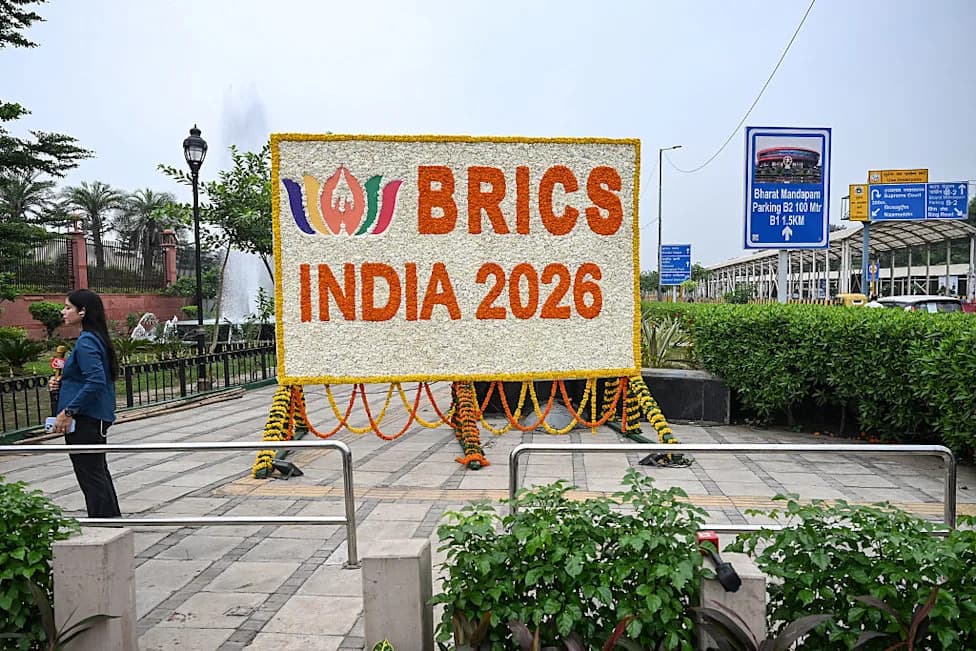
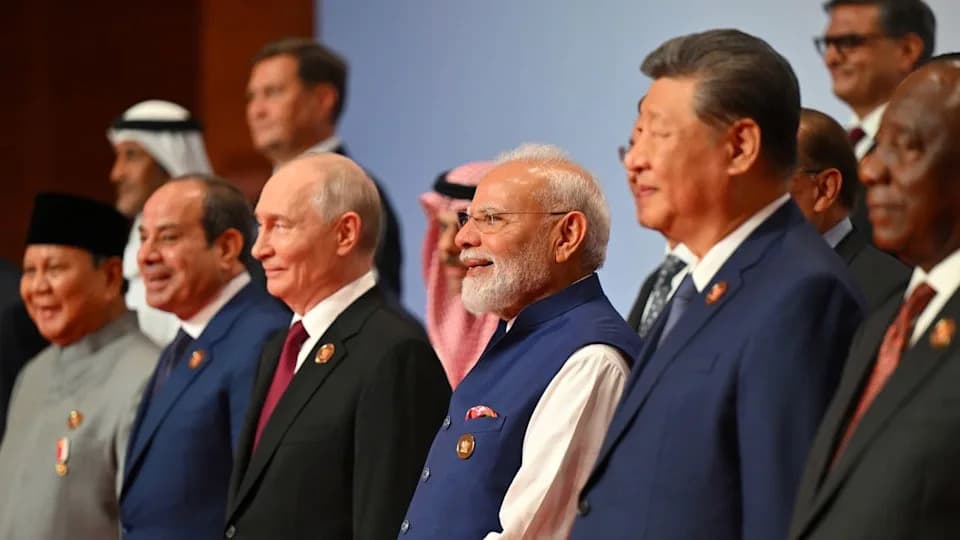
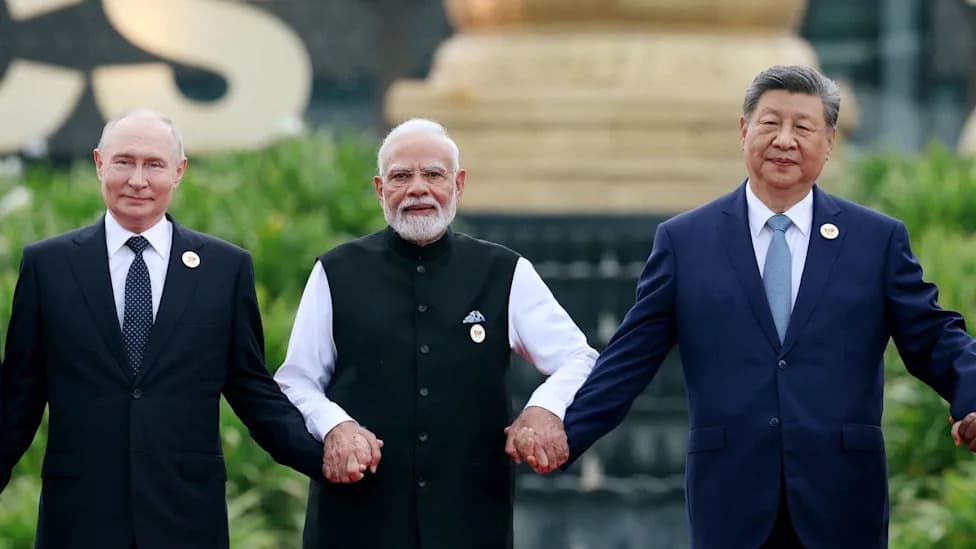
Lula arrived in India with an 11-minister delegation and a large group of business leaders, reflecting the commercial and political weight he attached to the visit. India’s Prime Minister Narendra Modi visited Brazil last July; the visits highlight growing bilateral engagement between the two BRICS+ members.
Analysts say the pact fits a broader strategy by both countries to reduce strategic dependence on a few dominant suppliers and diversify partnerships beyond China and the United States. "Given how turbulent and unpredictable things have become, the more partners, the better," said Oliver Stuenkel, an international relations professor at the Getulio Vargas Foundation.
Roberto Goulart Menezes of the University of Brasilia added that recent diplomatic frictions with major powers prompted Brazil to elevate rare earths and critical minerals as instruments of foreign policy. He described the MoU as a pilot arrangement that could inform future negotiations with partners where Brazil faces greater asymmetry.
Lula is expected to visit Washington, D.C., in the coming months, and officials suggested lessons from the Brazil–India agreement could shape talks with other strategic partners.
Help us improve.