The Supreme Court ruled that the Trump administration exceeded its authority in imposing certain tariffs, prompting major US business groups to demand refunds. The National Retail Federation and US Chamber of Commerce urged fast, automatic repayment of up to $133 billion, saying refunds would help small importers and boost growth. Legal experts warn refunds could be delayed by prolonged litigation in the Court of International Trade and federal appeals courts, and the administration may seek alternative legal routes to reimpose duties.
Supreme Court Rejects Key Trump Tariff Authority — Businesses Demand Up To $133B In Refunds
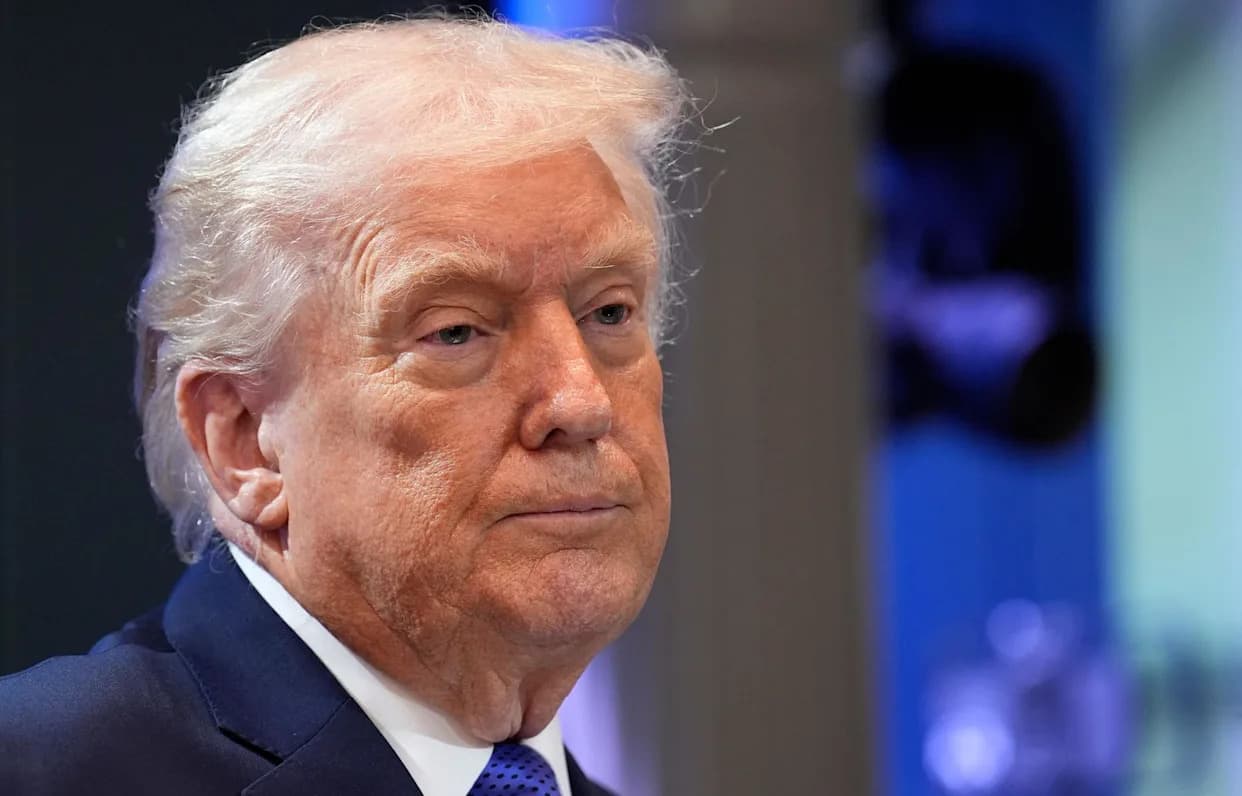
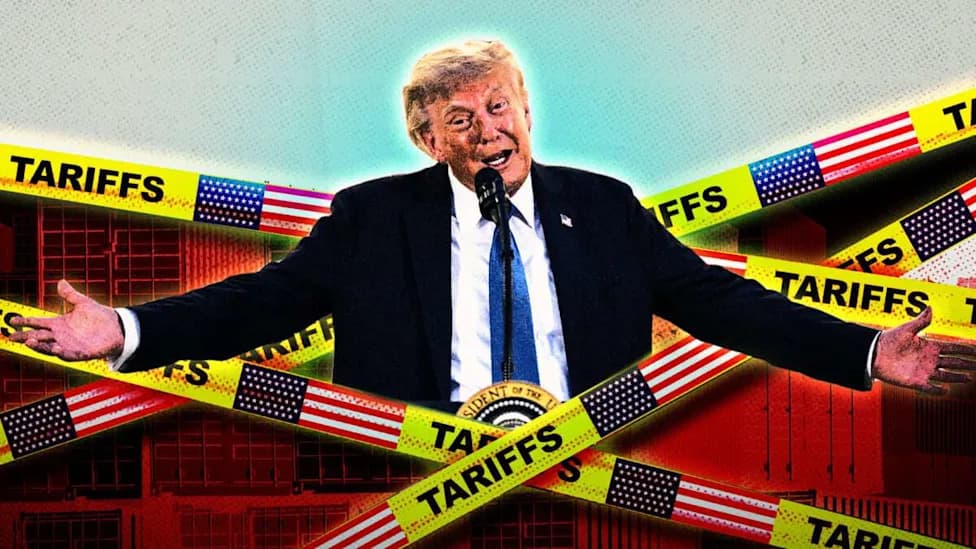
Donald Trump at the White House after the supreme court struck down his far-reaching global tariffs on 20 February 2026.Photograph: Yuri Gripas/Pool/CNP/Shutterstock(Photograph: Yuri Gripas/Pool/CNP/Shutterstock)
Major US business groups are pressing the federal government to return duties collected under former president Donald Trump’s tariffs after the Supreme Court ruled that his administration exceeded the legal authority it cited to impose those levies.
The National Retail Federation, which represents a broad range of merchants from Walmart to independent brands and manufacturers, urged the government to establish “a seamless process to refund the tariffs to US importers.” The group said rapid refunds would provide an economic boost and allow companies to reinvest in operations, employees and customers.
The US Chamber of Commerce also demanded a swift repayment of what it estimates could be about $133 billion in tariffs covered by the high court’s ruling. Neil Bradley, the Chamber’s chief policy officer, said refunds would be especially meaningful for more than 200,000 small business importers and could help support stronger economic growth.
The Supreme Court held that the administration exceeded its authority under the International Emergency Economic Powers Act (IEEPA), but the justices left the question of reparations to lower courts. That decision raises the prospect of complex, protracted litigation over who is entitled to refunds and how they should be distributed.
Complicating matters, President Trump moved quickly to announce a 10% tariff on all imports under a different legal route after the ruling, which could affect the timing and mechanics of any reimbursements. US Customs and Border Protection (CBP) may continue to collect tariffs until new rules or rates are formally implemented.
Small Businesses Hit Hard
Dan Anthony, director of the coalition We Pay the Tariffs, said small businesses have been particularly damaged by the duties: many took out loans, froze hiring and shelved expansion plans to cover unexpected import costs. The coalition’s national sign-on letter called for “full, fast automatic refunds” and warned that onerous procedures would defeat the relief’s purpose.
“They’ve taken out loans just to keep their doors open. They’ve frozen hiring, canceled expansion plans, and watched their life savings drain away to pay tariff bills that weren’t in any budget or business plan,”
The American Apparel and Footwear Association urged CBP to move quickly and provide clear guidance on how businesses can claim refunds for tariffs the court found were unlawfully collected.
Legal Road Ahead
Legal experts say refunds are unlikely to be immediate. Greg Husisian, a trade attorney at Foley & Lardner, said the US Court of International Trade (CIT) will likely need to decide whether blanket relief can be issued to all importers who paid IEEPA-based tariffs. He noted that any final refund ruling could require several rounds of briefing and argument at the CIT, an appeal to the US Court of Appeals for the Federal Circuit, and possibly another Supreme Court review.
At a news conference, President Trump criticized the court for not resolving refunds, warning litigation could stretch for years. US Treasury official Scott Bessent echoed that a definitive resolution could be delayed weeks, months or even years — and suggested many importers might not see immediate repayment.
For now, CBP is expected to hold collected funds while courts determine entitlement and process. Observers also expect the administration to preserve tariffs tied to negotiated framework agreements with partners such as the UK and Japan, even as it defends or retools tariff authority through other legal channels.
What To Watch: How the CIT rules on blanket relief, whether CBP issues guidance and how quickly the administration finalizes any new tariff scheme will determine when — and if — importers receive refunds.
Help us improve.