A comprehensive Nature study estimates land-based sources emit about 600 quadrillion microplastic particles into the atmosphere each year — roughly 20 times the ocean contribution. Median concentrations were 0.08 particles/m3 over land and 0.003 particles/m3 over sea, but these estimates are 100–10,000 times lower than many previous reports. The authors say uncertainty remains large and urge standardized global monitoring; researchers also note growing health concerns after micro- and nanoplastics were found in human organs.
New Study Estimates 600 Quadrillion Microplastic Particles Emitted From Land Each Year — But Big Uncertainties Remain
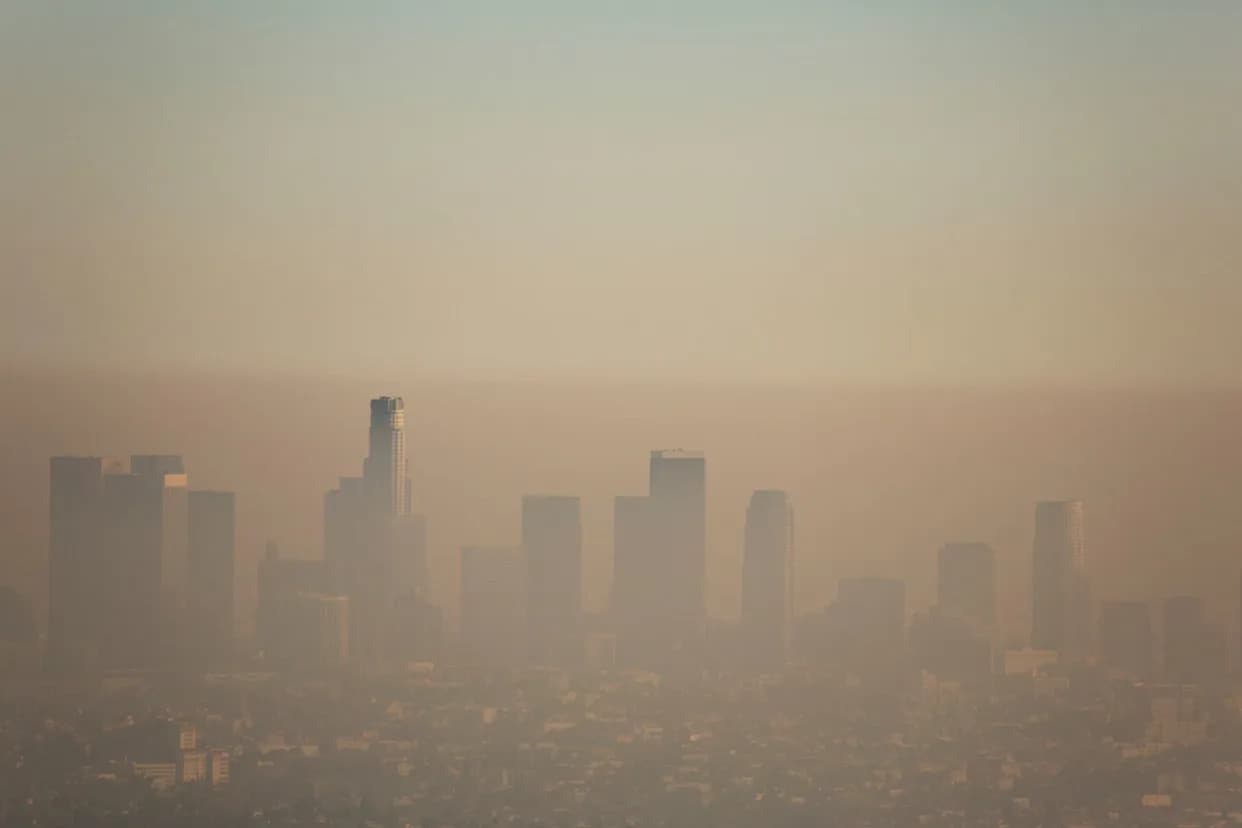
Photo Credit: iStock
Most people know microplastics are widespread, but exactly how many float in the air has long been unclear. A new paper in Nature offers the first comprehensive airborne estimate and both clarifies and complicates the picture: it suggests much larger land-based emissions than from the ocean, while also finding far lower concentrations than many earlier reports.
Study Findings
The research team estimates that land-based sources release roughly 600 quadrillion (600,000,000,000,000,000) microplastic particles into the atmosphere each year — about 20 times the study's estimate for ocean emissions, which it places at around 26 quadrillion particles annually. Median measured concentrations were 0.08 particles per cubic meter over land and 0.003 particles per cubic meter over the sea.
Notably, the authors say their emission and concentration estimates are between 100 and 10,000 times lower than many previous airborne microplastic reports. That discrepancy highlights large methodological differences and a need for standardized global measurements.
"We knew that uncertainties of existing emission estimates were very large," senior author Andreas Stohl, an atmospheric scientist at the University of Vienna, said. "They are even still large after our study, but we could at least narrow down the uncertainty range, especially when it comes to the importance of land-based versus ocean-based emissions."
Health Implications
Microplastics are tiny fragments of plastic that can travel through air, accumulate in soil and water, and enter organisms. A 2024 study detected micro- and nanoplastics in human brains, livers and kidneys, raising questions about long-term health impacts and the potential for plastics to carry or release toxic chemicals, including carcinogens. Scientists emphasize that while evidence of exposure is growing, the full health consequences remain unclear and require further study.
Research and Mitigation
Researchers call for coordinated, standardized global monitoring to reduce uncertainty and better compare studies. Meanwhile, scientists are investigating ways to reduce harm: preliminary work has suggested certain probiotics might mitigate some effects of microplastic exposure, and other lab and field studies are exploring removal, degradation and source-reduction strategies.
How Individuals Can Reduce Exposure
- Choose plastic-free alternatives for food packaging and storage when possible.
- Prefer natural-fiber clothing and reduce reliance on synthetic textiles that shed microfibers.
- Minimize single-use plastics and improve recycling practices at home.
- Support policies and products aimed at reducing plastic waste at the source.
While this new Nature estimate helps narrow the range of likely airborne microplastic emissions, it also makes clear how much more targeted measurement and international cooperation are needed to understand exposure risks and guide policy and personal choices.
Help us improve.