Investigators in the disappearance of Nancy Guthrie are turning to genetic genealogy after DNA from a glove and other samples produced no match in the national CODIS database. Authorities are checking public and specialized genealogy databases to identify distant relatives whose DNA can help build family trees and point to suspects. Experts warn the method is unpredictable, often time-consuming, and raises privacy concerns because major consumer DNA companies typically resist law-enforcement access without a warrant.
After No CODIS Hit, Guthrie Investigation Turns to Genetic Genealogy

In an aerial view, Pima County sheriff's officers gather on Nancy Guthrie's property on February 17 in Tucson, Arizona. - Brandon Bell/Getty Images
Only a few years ago, the announcement that DNA taken from a glove believed connected to Nancy Guthrie’s disappearance produced no match in a law-enforcement database would have been a dead end. Now investigators view the lack of an immediate CODIS hit as the start of a new investigative path: genetic genealogy.
The Pima County Sheriff’s Department confirmed Tuesday that detectives are exploring “additional investigative genetic genealogy options for DNA evidence to check for matches.” Authorities say gloves found about two miles from Guthrie’s home resemble those worn by a person captured on a doorbell-style camera at her front door. Separate DNA recovered on Guthrie’s property — not matching Guthrie or anyone in “close contact with her,” Sheriff Chris Nanos told Fox News — also returned no match in CODIS.
What Genetic Genealogy Can Do
Genetic genealogy compares crime-scene DNA to large public databases where millions of people have voluntarily uploaded raw DNA data for ancestry research. Low-level matches to distant relatives — sometimes sharing as little as about 1% of DNA — can produce lists of likely relatives. Investigators and professional genealogists then build family trees and follow traditional detective work to narrow suspects.
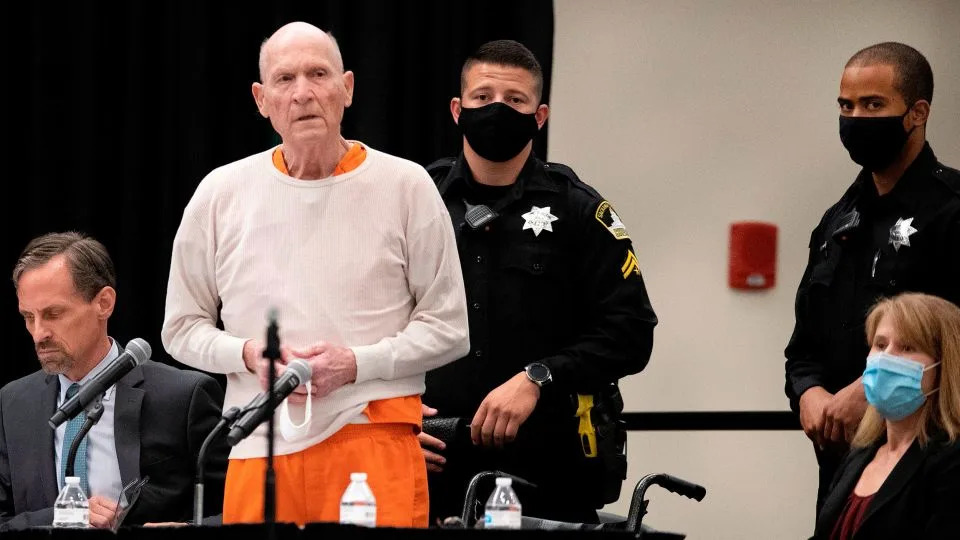
Joseph James DeAngelo Jr., second from left, who authorities said was the Golden State Killer, speaks at his sentencing hearing held in Sacramento, California, on August 21, 2020. - Santiago Mejia/Pool/AFP/Getty Images
“From that, we get a list of people who share DNA with that unknown person. It can be as little as 1%, or even less,” genetic genealogy expert CeCe Moore told CNN.
Success stories include the Golden State Killer investigation, where public genealogy uploads helped identify Joseph DeAngelo after decades of dead ends. Investigators used GEDmatch — a public site where users upload raw data — and within months narrowed suspects to a few people. Law enforcement then obtained a direct DNA comparison from discarded material that ultimately confirmed the match. Genetic genealogy also helped identify previously unknown victims, such as a person from the 1921 Tulsa Race Massacre.
Limits, Practicalities and Legal Issues
Even in high-profile breakthroughs, genealogical matches usually narrow suspects rather than immediately produce arrests. Investigators typically need traditional detective methods — surveillance, discarded samples, phone and video records — to obtain a definitive DNA comparison.
Privacy and legal questions present the largest obstacles. The three largest consumer DNA companies — 23andMe, AncestryDNA and MyHeritage — generally decline law-enforcement access and say they will only provide customer data if compelled by a warrant or court order. By contrast, GEDmatch and FamilyTreeDNA allow users to opt in to law-enforcement comparisons and are commonly used in genetic genealogy work; together they contain fewer than two million searchable profiles. DNA Justice, a database created specifically to assist law enforcement, remains small with under 7,000 records.
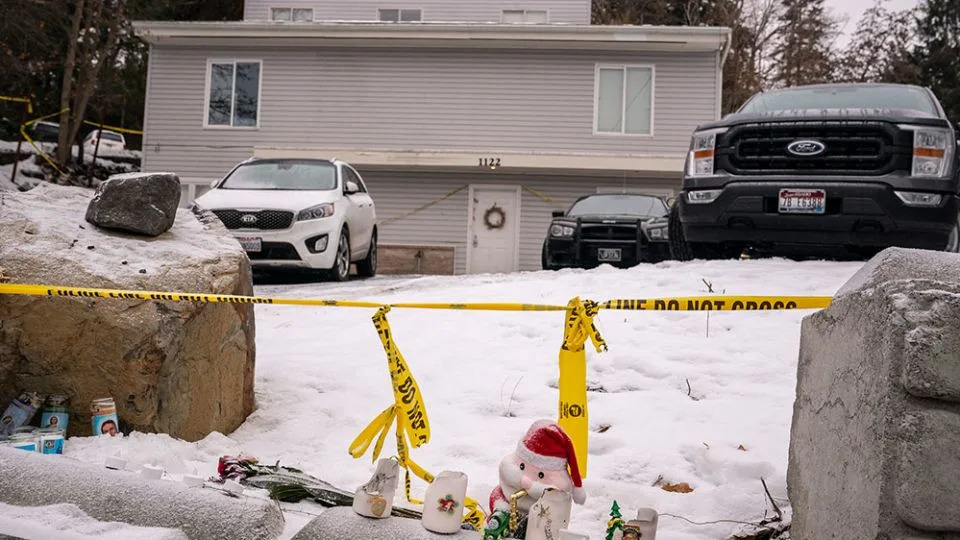
Bryan Kohberger pleaded guilty to murder in the 2022 killings of four University of Idaho students at this home in Moscow, Idaho. - David Ryder/Getty Images
Demographics also matter: existing public genealogy databases skew strongly toward Americans of Western European descent, reducing the likelihood of helpful matches for people from other backgrounds. As Moore noted, “You’re mostly seeing White people with deep roots in the United States.”
With time pressing in the search for Nancy Guthrie, investigators could seek broader access to commercial databases via legal process. Moore suggested the family might press for warrants to compel cooperation, a step she said could prompt intense legal challenges from companies reluctant to share customer data.
Where the Guthrie Case Stands
Pima County detectives have additional DNA to test and are pursuing genetic genealogy options while continuing standard investigative work. The technique offers a meaningful new avenue but is neither guaranteed nor fast: some cases resolve in minutes, others take years. For the Guthrie family, the road to answers may require patience, forensic persistence and, possibly, court-ordered access to larger commercial DNA resources.
Reporting drew on statements from the Pima County Sheriff’s Department, comments to Fox News from Sheriff Chris Nanos, and analysis from genetic genealogy experts. Additional reporting referenced prior cases where genetic genealogy played a role, including the Golden State Killer and the Bryan Kohberger investigation.
Help us improve.