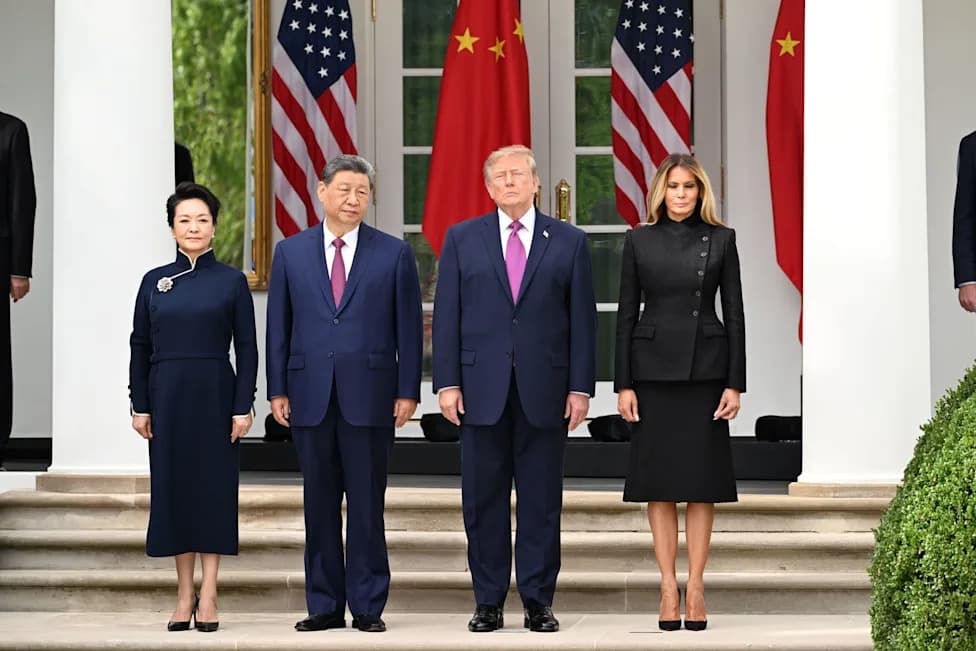
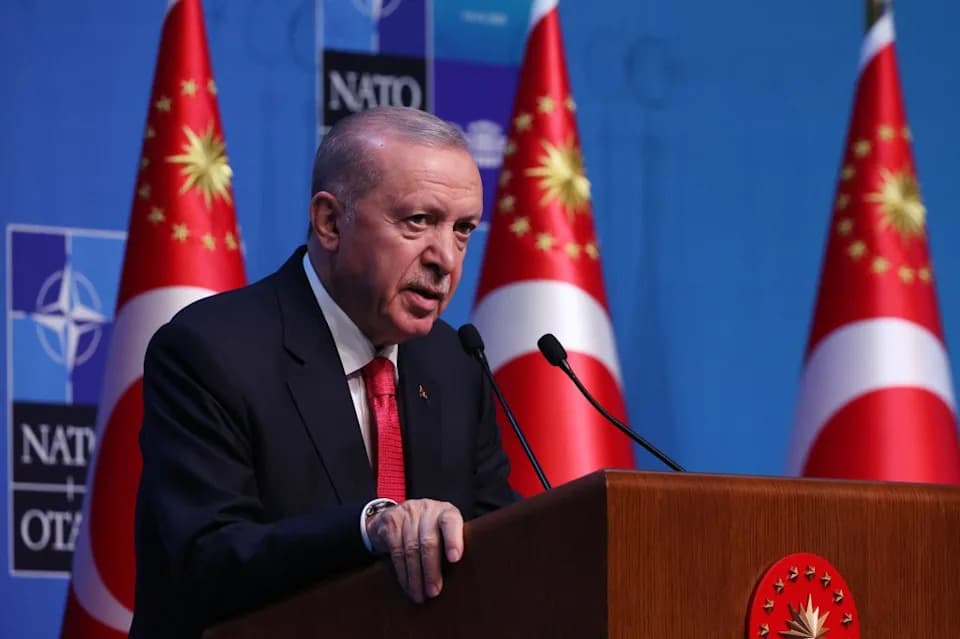
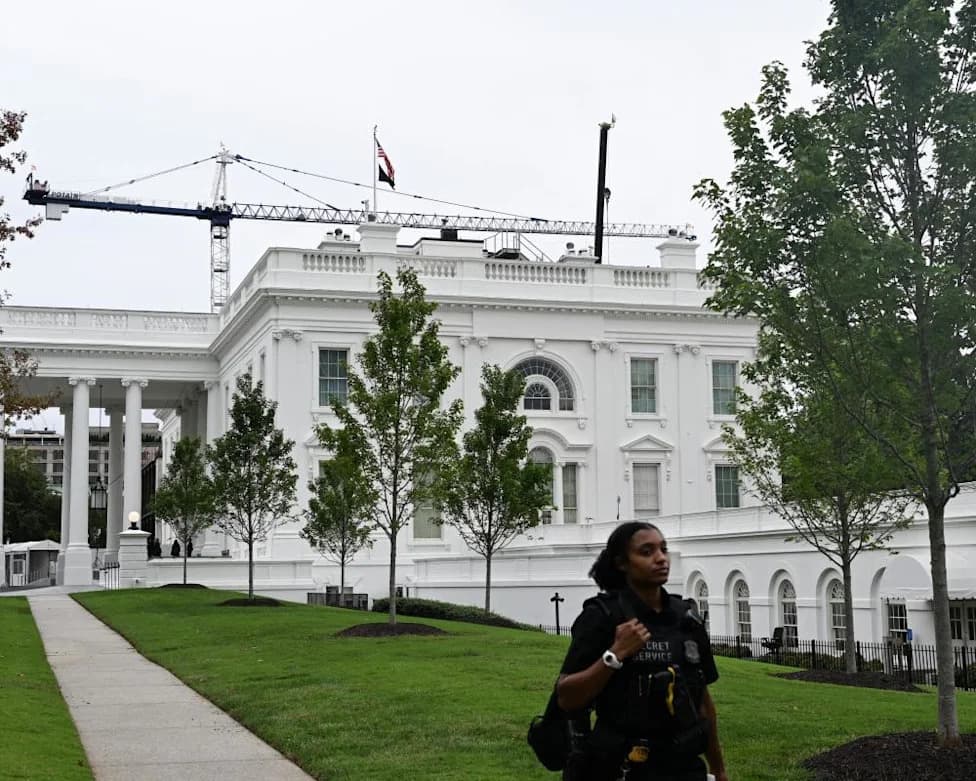
Summary: President Trump’s foreign policy appears to be shifting from state‑based diplomacy toward privatized, monetized influence. The "Board of Peace" is portrayed as an alternative authority that concentrates decision‑making, undermines democratic checks and may benefit private interests more than it secures lasting peace. Lawmakers are urged to use War Powers tools, oversight and political pressure to defend institutional accountability.
Trump Is Privatizing U.S. Power — The 'Board of Peace' and the Rise of Private Foreign Policy
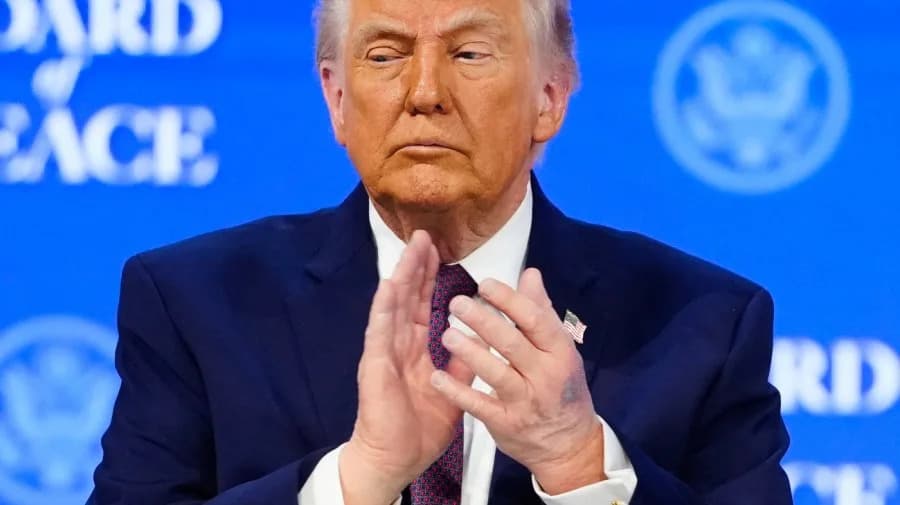
It is mid-February, and President Trump’s foreign-policy moves have already sent ripples across multiple regions. Is this the madman theory at work, a revival of blunt imperial tactics, or another episode in America’s long history of overreach? Each of those framings misses a more dangerous development: a structural shift in how power is exercised.
Privatizing Power
For decades, U.S. foreign policy — however flawed or destructive — was conducted through public institutions, justified in the name of national interest and at least nominally constrained by law. That institutional framework has been weakening for years. The more alarming innovation is not simply policy recklessness but the conversion of state authority into private opportunity.
An ominous transformation is underway: the monetization and privatization of foreign policy for private enrichment. In Venezuela, oil revenues have, according to reporting, been channeled through opaque financial arrangements that sidestepped Congressional oversight, with funds routed to a Qatari bank. In discussions about Greenland, military and mineral narratives mask an additional attraction: a jurisdictional gray zone prized not only for resources but for its appeal to networks seeking looser regulation and insulation from scrutiny.
The Board Of Peace As An Alternative Authority
The clearest institutional example of this pattern is the so-called "Board of Peace." Billed publicly as a mechanism to oversee a Gaza–Israel peace process, the board was widely criticized as a vanity project. Its formation lacked transparency, its appointments appeared arbitrary, and its procedures offered little credibility as a multilateral peace instrument.
But the danger runs deeper: the board appears designed not primarily to broker peace but to create an alternative authority structure. Its architecture concentrates power in a single individual, detaches decision-making from democratic and multilateral checks, and institutionalizes a model intended to endure beyond electoral cycles. Reports that the chairmanship could be untethered from the presidency — potentially a lifetime role — underscore that risk.
This Is Not Chaos — It Is Consolidation. The objective seems less about delivering effective diplomacy and more about displacing traditional institutions and converting state leverage into private advantage.
Transactional Deals and Regional Consequences
Like the Abraham Accords, this approach privileges transactional normalization while sidelining Palestinian rights. It suppresses violence temporarily by entrenching arrangements that preserve authoritarian rule rather than addressing root causes. Ceasefires without accountability rarely produce lasting peace; they often postpone and extend conflict.
Including autocrats from Belarus to Egypt, the Board of Peace would fit into a regional environment where regime preservation is the primary objective. Alliances and rifts in that context are shaped less by ideology than by what sustains authoritarian rule, enforced through transactional loyalty rather than law.
Personalization Of Benefit
Trump is not the first U.S. president to align with autocrats, but his approach appears distinctive in its personalization of benefit. Jared Kushner’s regional business ties, the framing of the region as a real‑estate opportunity by certain envoys, offshore financial maneuvers that skirt congressional oversight, and resource ambitions from Venezuela to Greenland all reflect the same operating logic.
An analysis cited from The New York Times editorial board estimated that President Trump and his family accrued roughly $1.4 billion in personal profit within about one year of his second term, drawing on expanded crypto ventures, real-estate licensing, settlements and other business income that coincided with regulatory and diplomatic developments during his presidency.
What Congress Can Do
This pattern is not random; it is rapid consolidation of influence before institutional constraints can reassert themselves. Lawmakers should not wait for electoral changes to defend constitutional roles. Recent votes around War Powers resolutions — including a near-success to advance a Senate measure to block military action in Venezuela — show that progress is possible, even if incomplete.
New initiatives continue to push back on what some view as unlawful uses of force. For example, the joint resolution introduced by Senators Tim Kaine (D‑Va.) and Rand Paul (R‑Ky.) to direct the removal of U.S. Armed Forces from hostilities involving Iran deserves attention. The value of such measures does not depend solely on passing a veto‑proof law; it also lies in shaping the political environment in which the executive operates.
That political environment matters especially as public oversight is weakened by attacks on the free press and media capture by wealthy backers. Congress must decide whether it will allow public resources, military force, diplomatic leverage and institutional legitimacy to be repurposed for private empire‑building and consolidation of personal power.
Attempting to restore a system that was neither equitable nor durable will not meet this moment. The objective should not be nostalgia for a flawed status quo but preventing its replacement by something far worse.
Nancy Okail is President and CEO of the Center for International Policy.
Copyright 2026 Nexstar Media, Inc. All rights reserved. This material may not be published, broadcast, rewritten, or redistributed.
Help us improve.