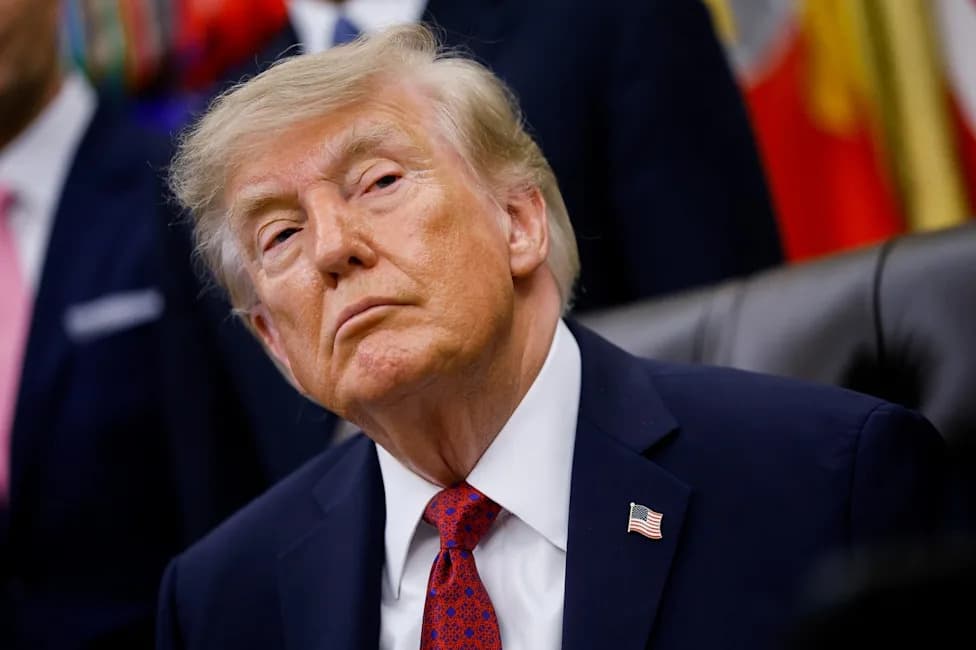
Using the start of Lent as a moral frame, the author contrasts the season’s call to humility with what he describes as an administration lacking introspection and ethical leadership. He cites examples including the defense of a racist AI video, dismissive comments about Jeffrey Epstein’s victims, and alleged abuse of the pardon power that erased more than $1 billion in fines. The piece notes growing GOP unease — including Rep. Don Bacon’s backing of a measure to curb pardons — and recent polling showing 52% of Americans see Trump as corrupt or incompetent while his approval falls to 34%.
Opinion: As Lent Begins, Trump’s New Lows Trigger a GOP Moral Reckoning
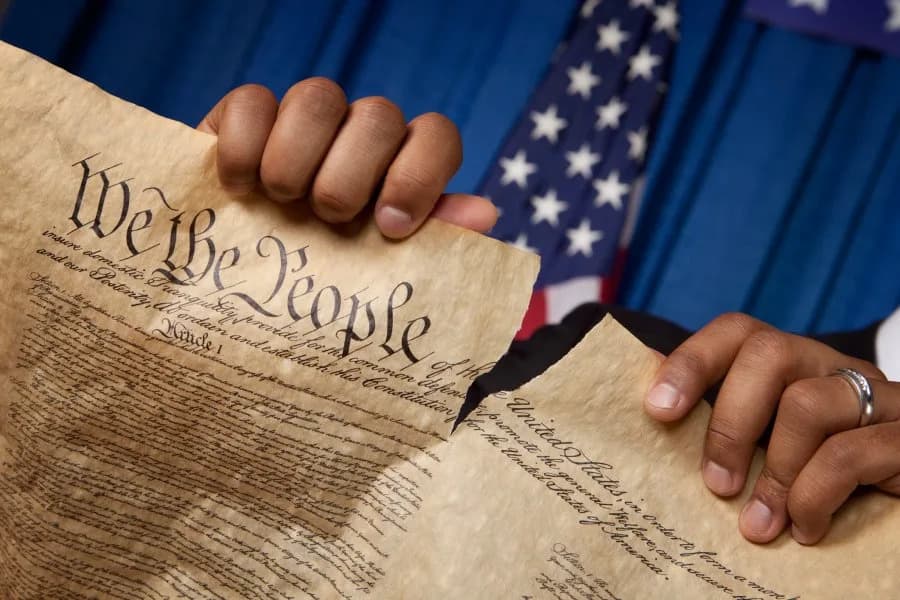
Opinion - With Trump hitting new lows, the GOP is experiencing a moral reckoning
This week marks the start of Lent, a season when millions of Americans practice introspection, repentance and humility. At its core, Lent is a reminder that not every impulse should be indulged, nor every private thought aired on the public stage of social media.
Imagine that.
Yet reflection and modesty appear to have no place in the current White House. Any pretense of Christian morality has long since faded from an administration defined by self-promotion, incendiary rhetoric and frequent displays of bigotry. The Trump White House has made its personality-cult egoism unmistakably visible — and, for many critics, dangerously normalized.
The irony is sharp: after decades of warnings that Democrats would erode American values through secularism and moral relativism, Republicans now preside over an administration that many view as deeply amoral.
Consider a few examples cited by critics: President Trump continued to defend — and then deflect responsibility for — sharing an AI-generated video that depicted Barack and Michelle Obama as apes. Former Florida Attorney General Pam Bondi was widely criticized for suggesting the public should not dwell on Jeffrey Epstein’s child-trafficking crimes because the stock market was performing well. These episodes have become, for detractors, emblematic of a deteriorating standard of moral leadership within parts of the GOP.
Concerns extend beyond rhetoric to concrete governance choices. Critics say the administration’s expansive use of the pardon power has protected friends and donors at victims’ expense. In the past year, Trump-issued pardons are reported to have erased more than $1 billion in court-ordered fines and restitution across a range of cases.
One high-profile example is the case of Trevor Milton, the founder of Nikola, who had been ordered to pay roughly $660 million to injured shareholders. After receiving a pardon, Milton avoided that restitution and later even secured a $300 refund in court fees — leaving many victims without the court-ordered remedy they were owed.
Not all Republicans have been comfortable with these developments. Rep. Don Bacon (R-Neb.) recently became the first House Republican to back a Democratic proposal that would allow Congress to reject certain presidential pardons — a sign that concerns about pardon abuse have begun to split party lines. Bacon said he was persuaded after seeing Trump pardon five former NFL players charged with offenses from perjury to drug trafficking.
Polling suggests these controversies are resonating with voters. New research from pollster Focaldata indicates 52 percent of Americans now view Trump as guilty of poor leadership, corruption and incompetence. At the same time, his approval rating has fallen to 34 percent — an all-time low that sits beneath the 38 percent level once thought to be his floor.
“We’ve seen legitimate questions raised about how [pardon authority] has been used,” Rep. Bacon said. “Frankly, it is clear to me the pardon authority has been abused.”
The Lenten season is a timely reminder of humility, service and the need to look beyond immediate self-interest. If President Trump and his Republican enablers on Capitol Hill continue to refuse that humility, voters may well impose it at the ballot box.
Max Burns is a veteran Democratic strategist and founder of Third Degree Strategies.
Help us improve.