Swedish military intelligence warns that Russia has stepped up hybrid warfare activity near Sweden and may continue such operations after the Ukraine war ends. Thomas Nilsson highlighted increased Russian presence and a higher willingness to take risks, citing "advanced sabotage," assassination plots and attacks on critical infrastructure. Must describes Russia as the main military threat to Sweden and NATO and warns of a growing Baltic Sea build-up. Stockholm has accelerated the remilitarisation of Gotland amid other disruptive incidents, including laser targeting of an RAF plane and GPS-tracked balloons from Belarus that disrupted Vilnius airport.
Swedish Intelligence Warns Russia Has Intensified Hybrid Warfare Near Sweden
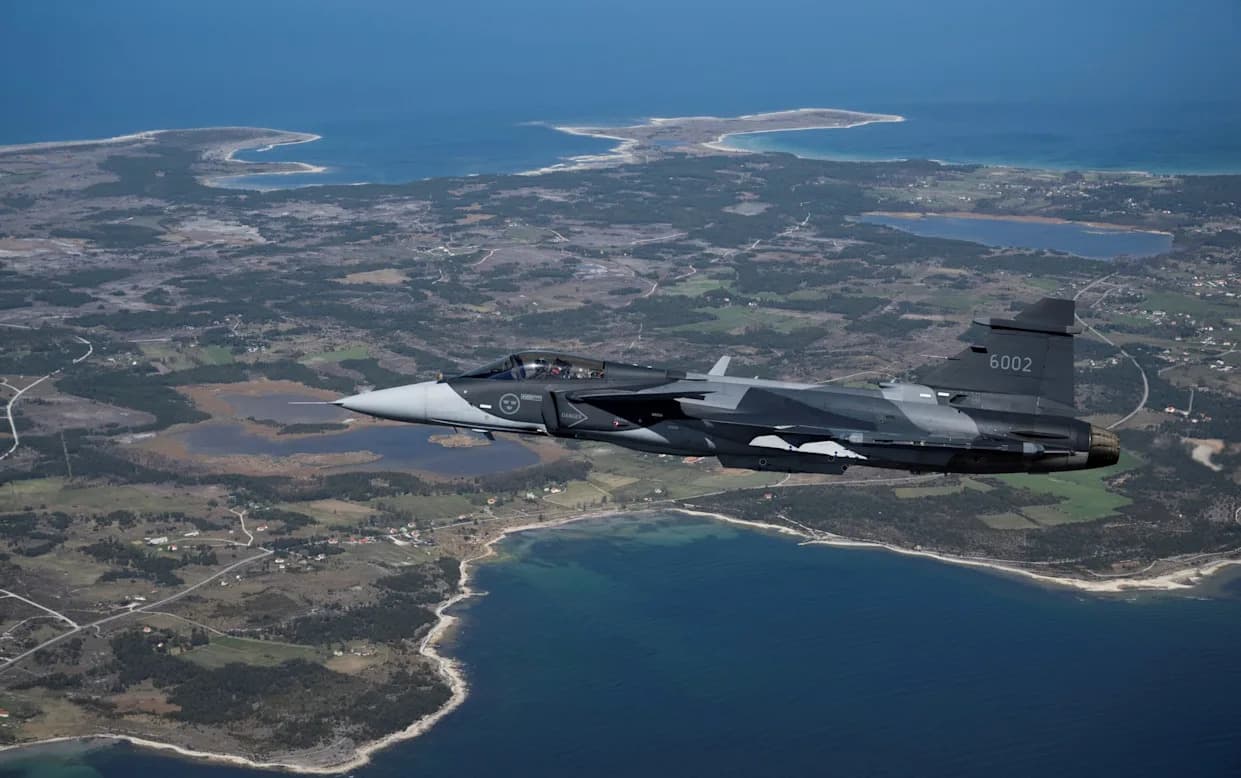
A Swedish JAS 39 Gripen E fighter jet flies over Sweden’s Gotland island in the Baltic Sea - TT NEWS AGENCY
Sweden’s military intelligence services say Russia has become increasingly active around Swedish territory, stepping up a campaign of hybrid warfare that officials believe could continue even after the war in Ukraine ends.
Growing Threat, Broader Tactics
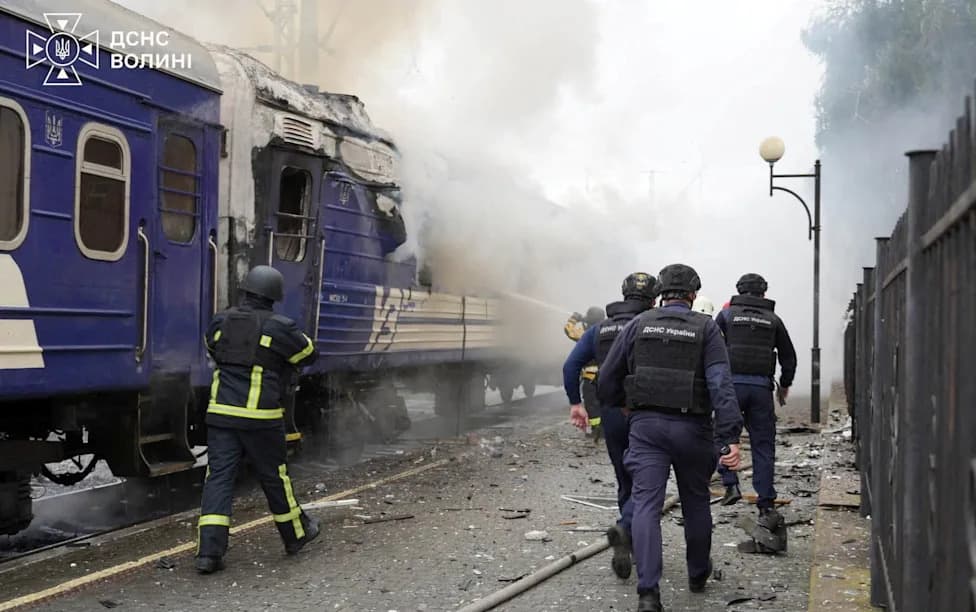
Thomas Nilsson, head of Swedish military intelligence, told reporters that Moscow has "stepped up" its activities and shown a "greater risk appetite" in Sweden’s vicinity. He warned of a wide range of hostile measures — from cyber-attacks and disinformation to what he described as "advanced sabotage," including assassination plots, serious arson and attacks on critical infrastructure.
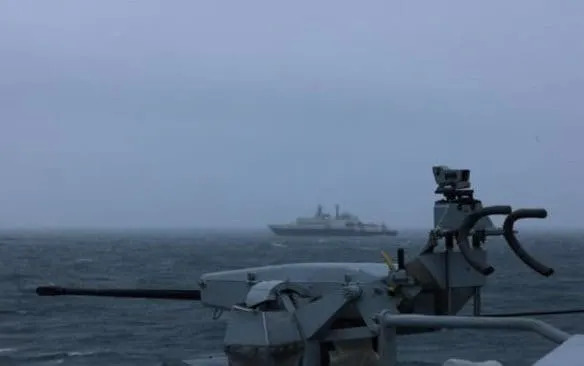
Yantar, the Russian spy ship seen from a Royal Navy vessel tasked with shadowing it in the North Sea on Nov 19, 2025 - MoD
Official Assessment
Sweden’s military intelligence agency, Must, said in its review that Russia has "developed a wide range of methods that can be used within the framework of hybrid warfare," including election interference and intelligence operations. Must concluded that Russia remains the primary military threat to Sweden and NATO and is reinforcing capabilities in the Baltic Sea, a region Moscow views as strategically important both economically and militarily.
Notable Incidents And Tactics
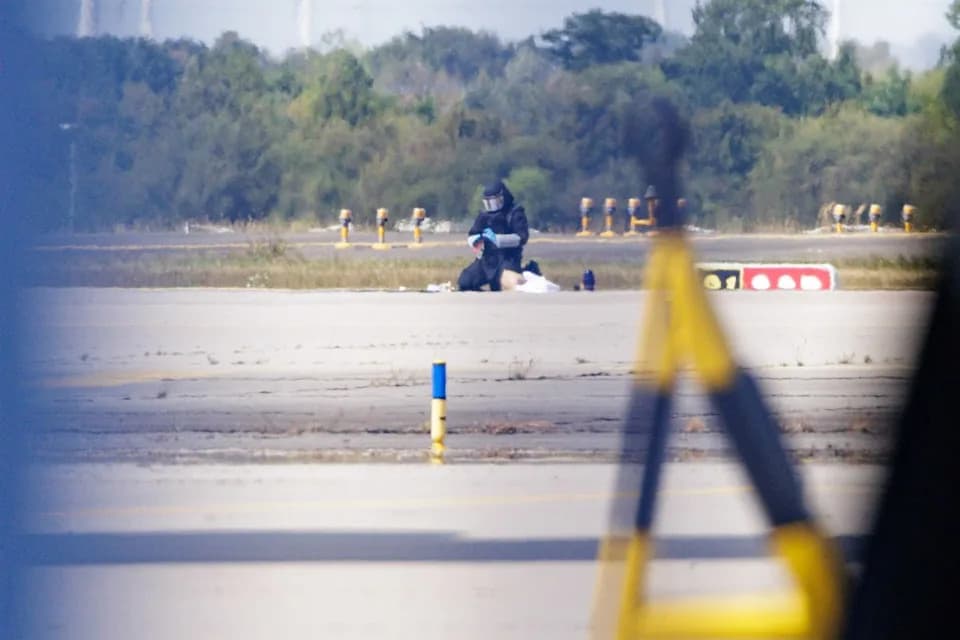
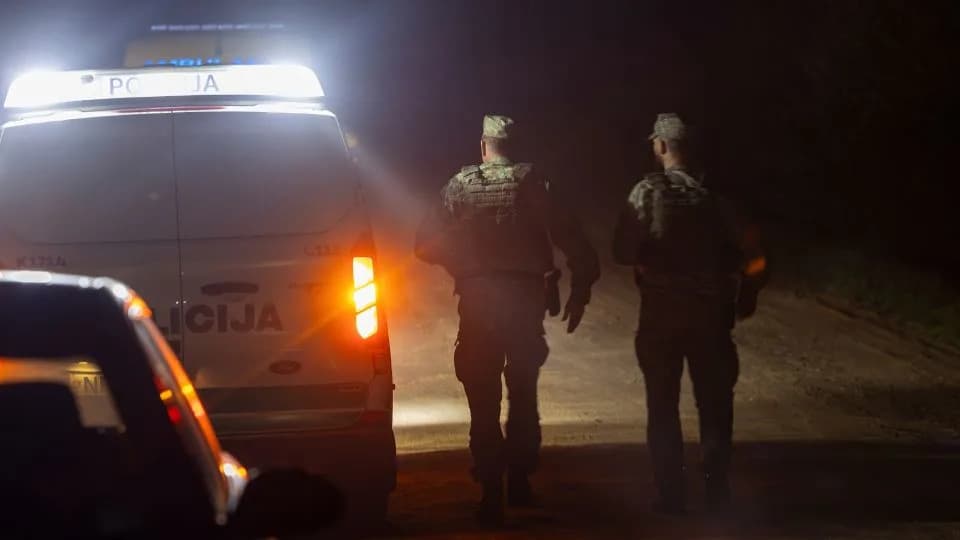
Recent episodes cited by officials include the Russian intelligence vessel Yantar reportedly directing a laser at the cockpit of an RAF P-8 Poseidon in November, an action that prompted a review of rules of engagement by UK defence officials. Toward the end of last year, swarms of balloons released from Belarus — each fitted with GPS trackers — drifted into Lithuanian airspace and forced Vilnius airport to close on multiple occasions. Intelligence and defence sources also suspect Moscow of pursuing drone campaigns targeting civilian airports, military bases and nuclear facilities across Europe.
1706 Gotland
Strategic Concerns And Responses
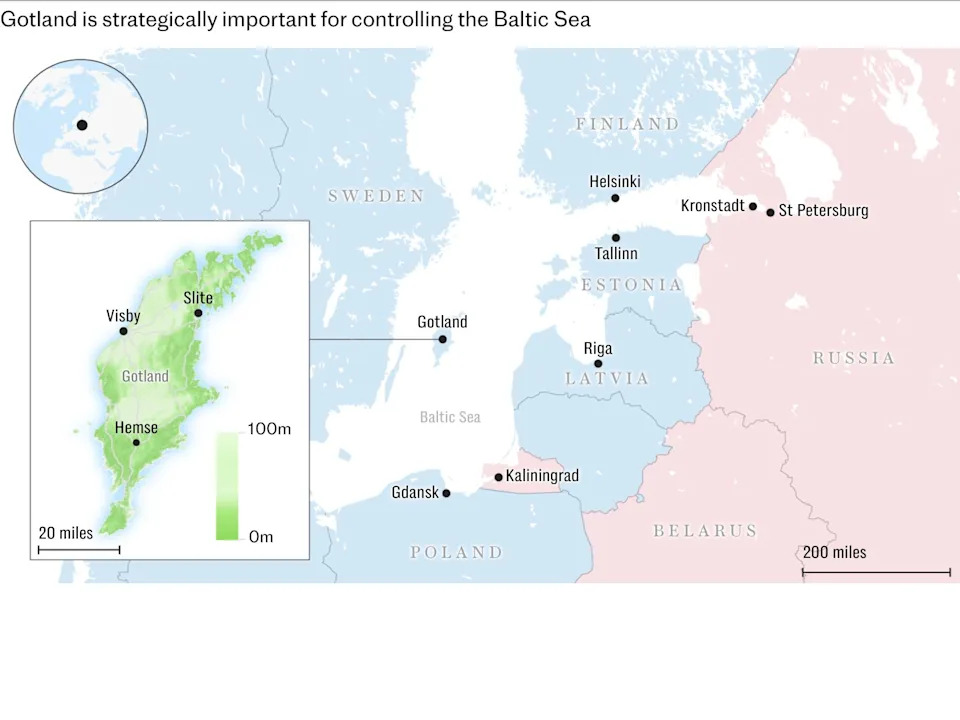
Swedish authorities are particularly concerned about the island of Gotland, less than 200 miles from the Russian enclave of Kaliningrad and centrally located among the Baltic states and Poland. In response to perceived threats, Stockholm has ordered the rapid remilitarisation of Gotland, restoring defensive measures that had been scaled back after the Cold War.
Broader Patterns
Observers say Russia’s hybrid efforts have focused on NATO’s eastern flank, exploiting allied borders and regional vulnerabilities. A report from the Royal United Services Institute warned that pro-Kremlin groups — including the youth movement Yunarmiya — are training activists in sabotage techniques, with claims that recruitment and training efforts target large numbers of young people to prepare for contingencies involving NATO.
Nilsson stressed that the tempo and character of Moscow’s actions will depend on developments in Ukraine, Russia’s economic situation, and its strategic relationships, notably with China.
Sweden’s decision to abandon decades of military non-alignment and join NATO alongside Finland has reshaped its security posture, and officials say vigilance and regional cooperation remain essential as hybrid threats evolve.
Help us improve.